We’re Here To help
Expert Tree Services
Tree Trimming, Tree Removal, and Stump Removal
For Plano, Dallas and DFW Suburbs
Veteran Owned
Trustindex verifies that the original source of the review is Google. Just had the crew out to the house for a 50-foot tree removal and to have 2 trees trimmed. They were fast and cleaned up like nothing was done at all. I would recommend them to my family and friendsTrustindex verifies that the original source of the review is Google. I highly recommend Parker Tree Service! They were prompt, efficient and knowledgeable. The jobsite was clean when they finished. Very reasonably priced!Trustindex verifies that the original source of the review is Google. I’ve been using Parker for 3 years now. The most professional / honest service out there. Upon initial consultation, Ryder explained exactly what would be done and even explained the growth habits of my pecan tree. Irving and his crew were professional and courteous and answered all my questions. The job was done quickly and as far as cleanup you’d never know they were here. I highly recommend Parker Tree Service!!Trustindex verifies that the original source of the review is Google. Recently worked with Parker Tree service after the May storm took out trees and one landed on my house. George was out the same day to assess the work and a couple of days later had his crew removing and cutting up the trees in several inches of mud. His crew is awesome, didn't leave even a leaf laying around. Came back later to grind stumps and backyard looks better than ever! He is very knowledgeable about all the trees and their health and is passionate about it. If you want healthy trees that are properly trimmed and taken care of, hire Parker Tree Service! I will be using them for all of my future tree care needs.Trustindex verifies that the original source of the review is Google. This is 3rd time to use Parker Tree Service at my mom’s house. She is 86 and I’m. So appreciative how respectful the team is to her. They do a great job and totally clean when they leave. Reasonable pricing for the work.Trustindex verifies that the original source of the review is Google. I have used Parker Tree Services to remove one of the tree. I definitely recommend them. It was a hassle free from getting the quote to getting the work done. Very professional team they came on time and cleaned up very well.Trustindex verifies that the original source of the review is Google. The storm in May left a chaotic mess on my house. Tree limbs blocked me from pulling out of my driveway. I had one tree split in half and another tree that was badly damaged . I have used Parker Tree Service in the past and called them right away. George and Ryder are the best. They came out immediately and got to work. They have a team of experienced professionals that go above and beyond to do a great job. George went toe to toe with my insurance company and saved me so much money. They are very fair on their pricing. They are the best and I will only use there company in the future. Thank you Parker Tree Service. Amy NicelyTrustindex verifies that the original source of the review is Google. George and his crew have always done excellent work for me with very competitive prices and a very professional crew!Trustindex verifies that the original source of the review is Google. I have used Parker Trees Service 5 times in 10 year's. Very time they have been really nice ,on time and did a really great job every time that I have used them. They cleaned up after that did Very job. What they charge to the jobs is really good. What I like about them that they cut down the trees and takes away all of tree branches and clean up after they are done. RoyTrustindex verifies that the original source of the review is Google. Ryder (or Ryan?) came out for the free consultation and he was thoroughly impressive. He is well mannered and professional and has a wealth of knowledge and passion about trees. He offered many insights and advices about trees, and even gave helpful tips about landscaping. Despite I eventually went with the other tree service company due to their existing relationship with the landscaper I had hired, I completely understand the high ratings and many stellar reviews Parker Tree services receives. If I were to base my decision solely on the sales representative I would have absolutely gone with Parker Tree Service. They're evidently a great company with outstanding services.
About Parker Tree Service
Decades of Trusted Tree Care
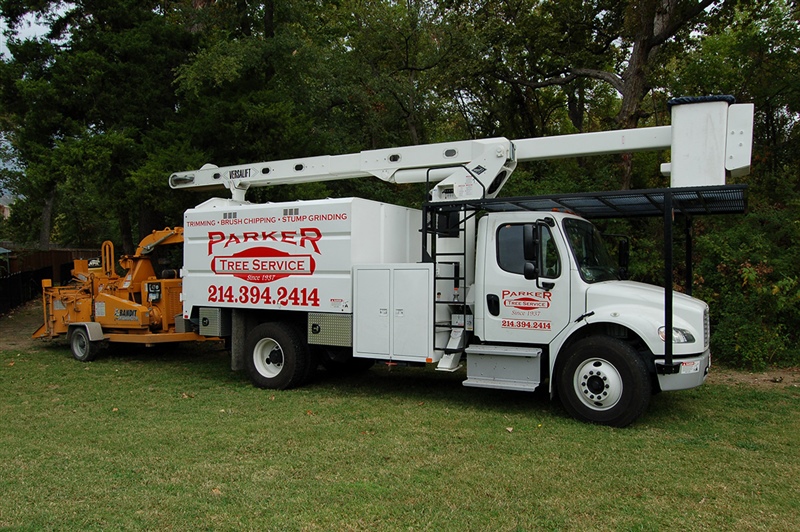
We are not your typical tree service company! In fact, we consider ourselves not just the biggest, but the best. What does that mean to you? It means we have more equipment, the right equipment and the best local knowledge to help you with your trees. If you are a homeowner, odds are you may need a reputable tree service company in the future. Hire a trusted Tree Service, like Parker, to protect your investment in your home and yard.
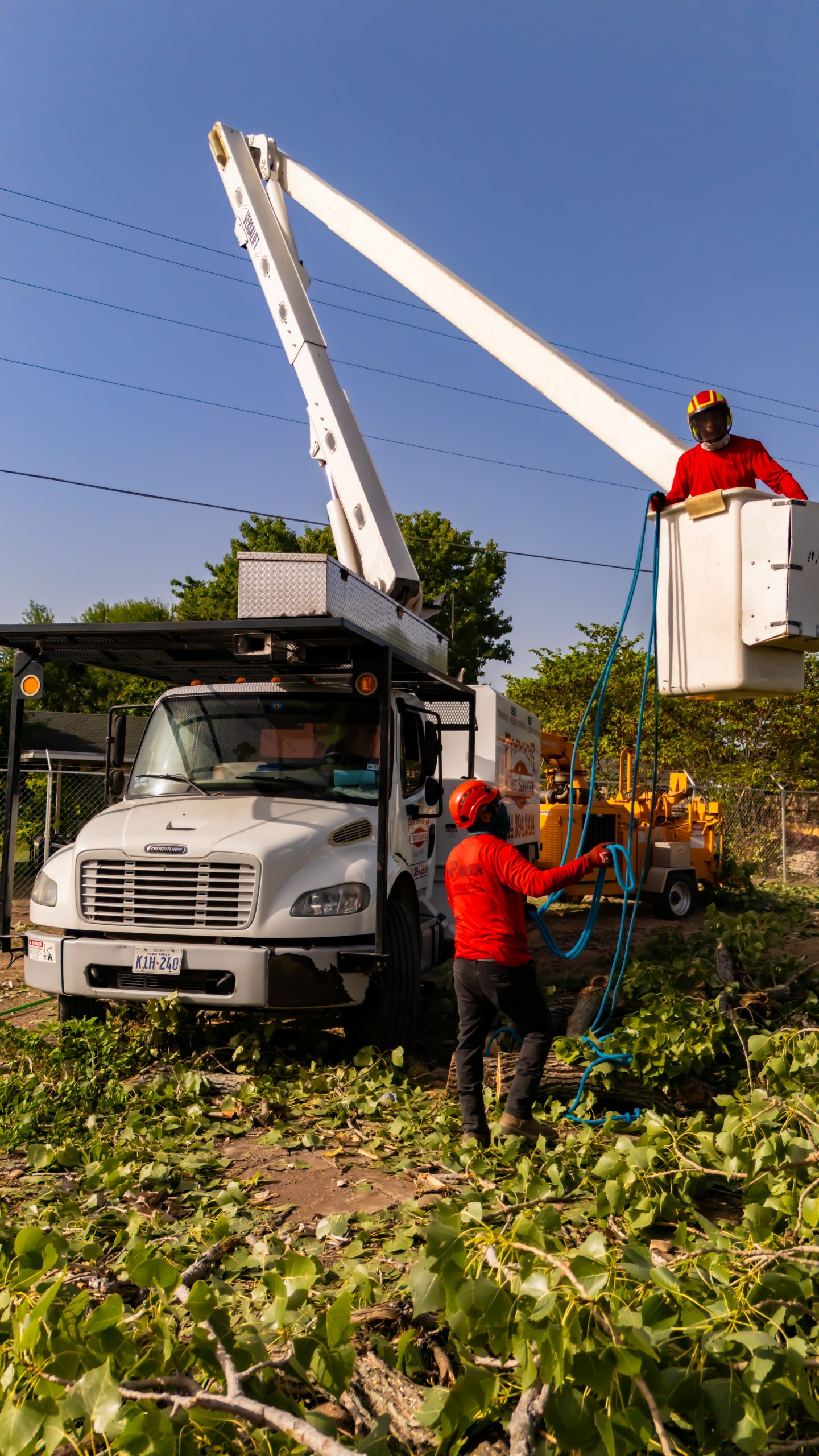
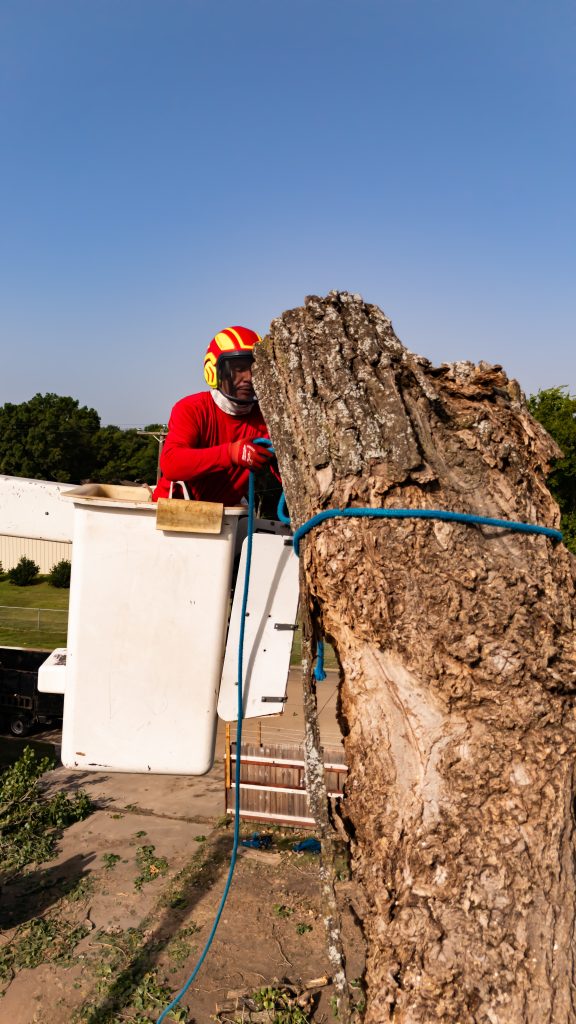
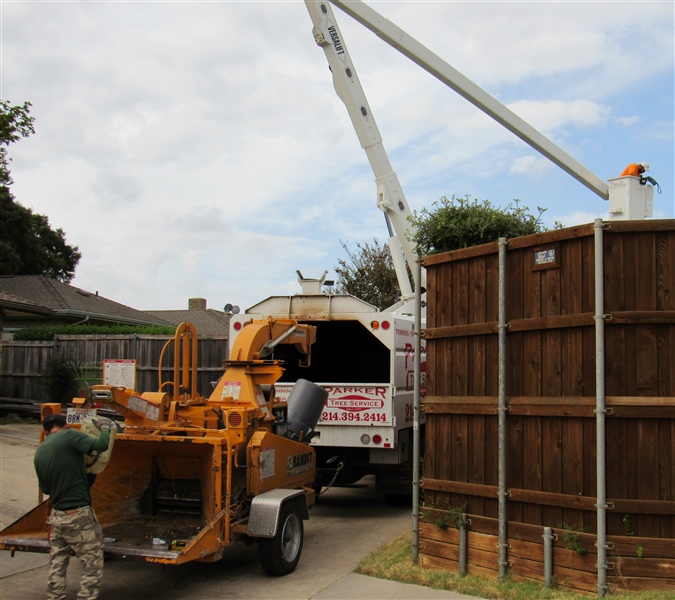
We can handle every tree situation you may have – from clearing away dead brush or attacking emergency situations after a bad storm. From routine trimming to complex removals, we use bucket trucks, rigging, and strategic cabling to ensure every tree is handled with precision. We use large equipment and trucks to handle down trees and remove debris. When you choose Parker Tree Service, you’re partnering with a company that prioritizes your property’s health, safety, and aesthetics.
Trustindex verifies that the original source of the review is Google. Just had the crew out to the house for a 50-foot tree removal and to have 2 trees trimmed. They were fast and cleaned up like nothing was done at all. I would recommend them to my family and friendsTrustindex verifies that the original source of the review is Google. I highly recommend Parker Tree Service! They were prompt, efficient and knowledgeable. The jobsite was clean when they finished. Very reasonably priced!Trustindex verifies that the original source of the review is Google. I’ve been using Parker for 3 years now. The most professional / honest service out there. Upon initial consultation, Ryder explained exactly what would be done and even explained the growth habits of my pecan tree. Irving and his crew were professional and courteous and answered all my questions. The job was done quickly and as far as cleanup you’d never know they were here. I highly recommend Parker Tree Service!!Trustindex verifies that the original source of the review is Google. Recently worked with Parker Tree service after the May storm took out trees and one landed on my house. George was out the same day to assess the work and a couple of days later had his crew removing and cutting up the trees in several inches of mud. His crew is awesome, didn't leave even a leaf laying around. Came back later to grind stumps and backyard looks better than ever! He is very knowledgeable about all the trees and their health and is passionate about it. If you want healthy trees that are properly trimmed and taken care of, hire Parker Tree Service! I will be using them for all of my future tree care needs.Trustindex verifies that the original source of the review is Google. This is 3rd time to use Parker Tree Service at my mom’s house. She is 86 and I’m. So appreciative how respectful the team is to her. They do a great job and totally clean when they leave. Reasonable pricing for the work.Trustindex verifies that the original source of the review is Google. I have used Parker Tree Services to remove one of the tree. I definitely recommend them. It was a hassle free from getting the quote to getting the work done. Very professional team they came on time and cleaned up very well.Trustindex verifies that the original source of the review is Google. The storm in May left a chaotic mess on my house. Tree limbs blocked me from pulling out of my driveway. I had one tree split in half and another tree that was badly damaged . I have used Parker Tree Service in the past and called them right away. George and Ryder are the best. They came out immediately and got to work. They have a team of experienced professionals that go above and beyond to do a great job. George went toe to toe with my insurance company and saved me so much money. They are very fair on their pricing. They are the best and I will only use there company in the future. Thank you Parker Tree Service. Amy NicelyTrustindex verifies that the original source of the review is Google. George and his crew have always done excellent work for me with very competitive prices and a very professional crew!Trustindex verifies that the original source of the review is Google. I have used Parker Trees Service 5 times in 10 year's. Very time they have been really nice ,on time and did a really great job every time that I have used them. They cleaned up after that did Very job. What they charge to the jobs is really good. What I like about them that they cut down the trees and takes away all of tree branches and clean up after they are done. RoyTrustindex verifies that the original source of the review is Google. Ryder (or Ryan?) came out for the free consultation and he was thoroughly impressive. He is well mannered and professional and has a wealth of knowledge and passion about trees. He offered many insights and advices about trees, and even gave helpful tips about landscaping. Despite I eventually went with the other tree service company due to their existing relationship with the landscaper I had hired, I completely understand the high ratings and many stellar reviews Parker Tree services receives. If I were to base my decision solely on the sales representative I would have absolutely gone with Parker Tree Service. They're evidently a great company with outstanding services.
Contact Us Today!
A member of our team will be in touch shortly.
The Importance of Proactive Tree Assessments
Our Services


Contact Us Today!
Contact us today for a free consultation and let our experts bring your vision to life.
Comprehensive Tree Removal Services
Safe and Efficient Tree Removal
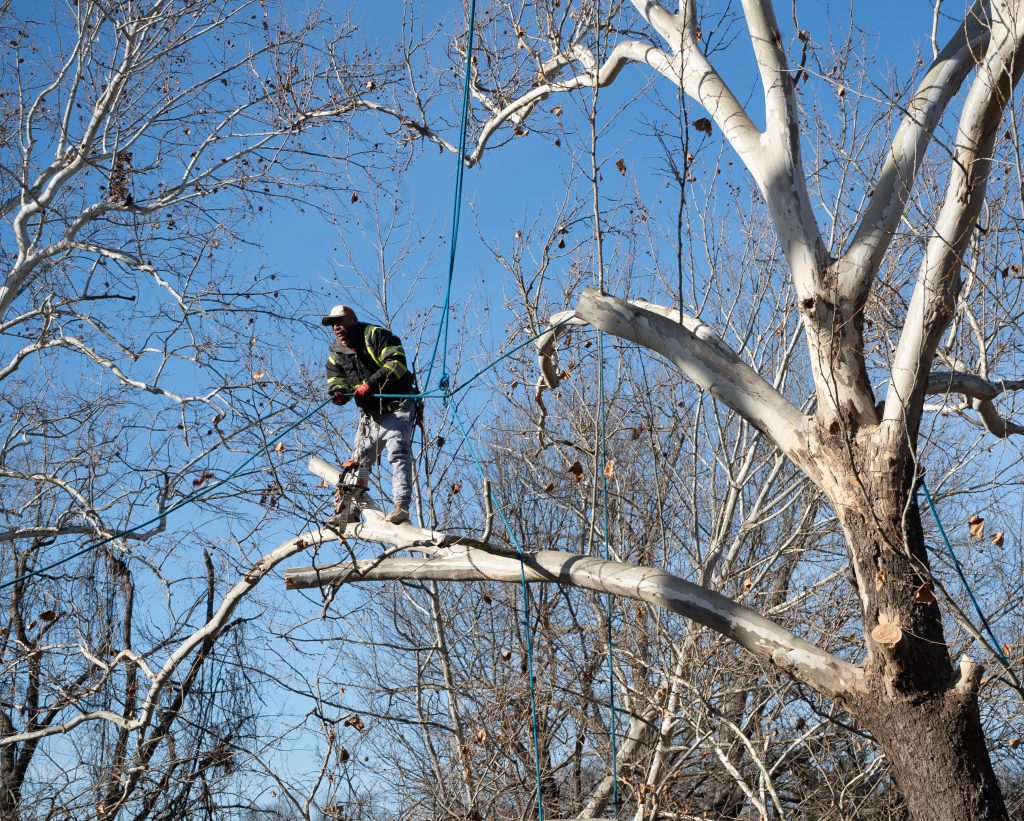
Tree removal is a complex process that requires skill and precision. Whether dealing with a hazardous tree near your home or a large, dying tree threatening power lines, our experts carefully assess the situation before executing a strategic removal plan.
Our process includes securing the area, using advanced rigging techniques, and methodically cutting and lowering branches to prevent damage to your property. With state-of-the-art equipment and years of experience, we ensure that even the most challenging tree removals are handled safely and efficiently.
Eliminate Unsightly and Hazardous Stumps
Tree removal is only half the job—unsightly stumps can be an eyesore and a safety hazard. Our stump grinding and removal services ensure that your property remains clean, safe, and free from trip hazards or pest infestations.
Using high-powered stump grinders, we break down the remaining wood below the soil line, allowing the area to be repurposed for new landscaping or grass growth. Whether you need one stump removed or multiple stumps cleared, our team provides efficient and thorough grinding services to restore your outdoor space.

Expert Tree Services in Dallas-Fort Worth
Rapid Response When You Need It Most
When storms strike, fallen or damaged trees can pose immediate threats to homes, vehicles, and power lines. Parker Tree Service offers 24/7 emergency tree removal services to swiftly clear hazardous trees and debris, restoring safety to your property.
Our rapid response team is equipped with specialized tools to handle urgent situations. Whether a large tree has collapsed onto a structure or heavy branches are dangling precariously, we take immediate action to prevent further damage. Safety is our priority, and we work diligently to minimize risks while restoring order to your landscape.
Your Trusted Local Tree Care Specialists
At Parker Tree Service, we take pride in serving homeowners and businesses throughout Dallas-Fort Worth with professional, reliable tree care solutions. Whether you need emergency storm cleanup, tree removal, stump grinding, or expert pruning, our dedicated team is here to help.
Our commitment to customer satisfaction, safety, and environmental responsibility sets us apart as a leading tree service provider in the region. Contact us today for a free consultation and discover how we can enhance the health, beauty, and safety of your landscape. We guarantee that you’ll receive the best Tree Services in the DFW. We stand by our work… Let us Prove It.