
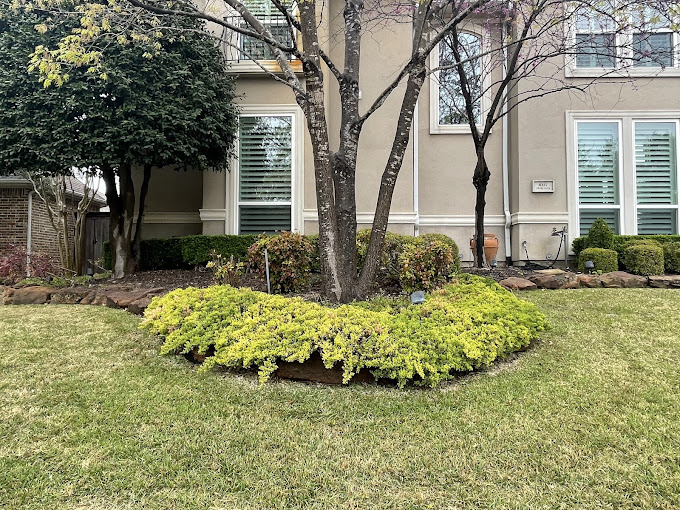
Tree Pruning Boost: Shape, Strengthen, and Inspire Growth
Last month, I was called to a Plano-area home where the front oak looked “fine” from the street—thick crown, plenty of leaves, no obvious dead branches. But up close, several interior limbs had grown so tightly together that they were rubbing bark raw. In the heat of Texas, that kind of chronic abrasion becomes an entry point for decay. By the time symptoms show on the outside—soft spots, thinning foliage, or a branch that suddenly drops—there’s often already structural weakness inside.
That’s why tree pruning isn’t just about appearance. Done correctly, pruning improves structure, reduces storm risk, and supports long-term health. Done poorly, it can set a tree up to fail when you need it most.
Quick Answer
Tree pruning service should focus on improving structure (not just trimming), removing dead or hazardous limbs, and thinning or reducing the crown only when it benefits the tree. In North Texas, pruning timing and technique matter because heat and drought stress can make wounds slower to close. If you see dead branches, rubbing limbs, heavy leaning, or insect activity (like borers), schedule a professional assessment before a storm forces emergency work.
How Proper Tree Pruning Builds Stronger Trees (The Arborist Approach)
When I prune, I’m thinking about three things at once:
1. Stability – Will the tree handle wind and ice loads with its current structure?
2. Health – Can the tree compartmentalize wounds and keep its growth balanced?
3. Future growth – Will the pruning encourage strong branching patterns instead of weak “replacement” limbs?
A mature tree doesn’t grow like a haircut—it grows like a structure. Even if the canopy looks full, the internal architecture may be developing weak points.
The “hidden hazard” we often find
One common pattern in suburban lots is interior crowding: limbs that expand toward each other until bark rubs, then decay begins where you can’t easily see it. From the curb, the tree may still look leafy. Up close, the cambium is compromised at the contact points.
Pruning goals that actually matter
A good tree pruning strategy typically includes a mix of:
- Cleaning cuts: removing dead, dying, or broken limbs.
- Thinning: selectively reducing density to improve light penetration and airflow (without stripping the tree).
- Crown reduction (when appropriate): lowering weight and wind resistance by cutting back to proper side branches—not “topping.”
- Targeted shaping: correcting clearance issues while preserving the tree’s natural form and strength.
Firsthand observation: where pruning quality shows
I’ve seen the difference between amateur trimming and professional pruning in the cut itself. Proper pruning follows the branch collar and avoids leaving stubs. Stubs don’t “heal over” cleanly; they become long-term decay traps. When the collar is respected, the tree’s natural defense system has a better chance to seal the wound.
What Property Owners Often Overlook
Pruning delays are common—especially when the tree still has leaves. But North Texas conditions can mask problems until they suddenly matter.
What we commonly see in North Texas trees
- Drought-stressed growth: Trees that already struggle with water use can’t respond as well to heavy pruning.
- Heat + wound stress: Cuts made during peak stress periods can lead to prolonged discoloration and weak regrowth.
- Oak and other landscape trees with hidden decay: Interior rubbing, water sprouts after improper cuts, and cavities that expand over time.
- Wood borers and insect pressure: Stressed trees are more vulnerable. If pruning is ignoring insect signs, the tree may decline faster.
Why some trees decline faster than expected
A tree can look green while losing vigor underground. Root stress is especially relevant with new construction, soil compaction, and changing irrigation patterns in growing neighborhoods. If roots are struggling, the canopy becomes a “spend-first” system—where the tree uses energy to keep leaves functioning, even as long-term health declines.
Mistakes That Increase Tree Failure Risks
Here are the common mistakes property owners make—ones we correct regularly:
1) Treating pruning like “regular trimming”
If the goal is safety and health, trimming alone is often insufficient. Hazardous limbs need proper removal strategy, not just shortening.
2) Over-pruning or removing too much live canopy
Heavy removal forces the tree to regrow quickly, which can create weak, fast-growing shoots with poor attachment. That may look better temporarily, but it can increase breakage risk later.
3) Cutting too close—or leaving stubs
Both can slow healing and increase decay risk. The branch collar exists for a reason: it’s part of how the tree compartmentalizes damage.
4) Ignoring deadwood and rubbing limbs
Interior rubbing may not be obvious from the sidewalk, but it’s one of the most common “slow-burn” pathways to decay.
Pruning vs. Removal: Knowing When a Tree Should Be Saved (and When It Can’t)
Not every problem is solved with pruning. Sometimes the safest recommendation is removal—especially when structural integrity is compromised.
Signs a tree may be hazardous
- Multiple dead limbs in different parts of the crown
- Large cracks, significant leaning, or root heaving
- Cavities that extend into major structural limbs
- Repeated borer activity or progressive dieback
- Basal decay or mushrooms/fruiting bodies near the trunk (often a sign of internal decay)
A professional tree risk assessment considers load, target, and condition. In many cases, strategic pruning reduces risk. In others, tree removal prevents a future failure—especially near driveways, sidewalks, or structures.
If you’re dealing with a situation already at “urgent,” you may need emergency help. For immediate storm-related concerns, see emergency tree removal support.
What Actually Improves Tree Health Long-Term
Pruning is a strong tool, but it works best as part of a broader health approach. For stressed trees in North Texas, the “win” often comes from aligning pruning with the tree’s recovery capacity and addressing underlying issues.
Tree health care that complements pruning
- Soil conditioning and root-friendly practices (especially where compaction or irrigation changes occurred)
- Targeted fertilization when appropriate—based on observed needs, not guesswork
- Tree disease treatment if symptoms suggest infection or decay progression
- Tree pest control when borers or other insects are active
If your tree is declining and you’re trying to understand what’s driving it, a health-focused visit is often the best start. For homeowners looking at long-term improvement, our team often builds a plan that can include tree pruning services near me combined with targeted care.
A Realistic Case Example: Restoring Structure Without “Redesigning” the Tree
Here’s an anonymized example from a typical North Texas residential property:
Situation: A two-story home had a large shade tree over the driveway. After a windy period, the owner noticed a few branches with dead tips. The tree still looked full, so they only wanted “light trimming.”
What we found on-site:
- Several limbs were rubbing where they had grown into each other in the crown interior
- A section of the canopy showed progressive dieback consistent with stress and possible insect pressure
- Cut history from prior trimming left minor stubs in two locations, creating long-term weak points
What we recommended:
- Remove deadwood and correct rubbing limb pairs
- Perform a selective crown thinning to reduce density and improve airflow
- Avoid heavy reduction to prevent stress overload
- Pair pruning with a tree health review focused on potential pest pressure and long-term vigor
Outcome:
Within the next growing season, the canopy developed more evenly, with fewer weak-looking replacement shoots. The driveway clearance improved without forcing the tree into an unnatural, overly shortened form.
That’s the goal: prune for structure and recovery—not just clearance.
Plano and North Texas Relevance: Why Timing and Technique Matter Here
North Texas trees live in a demanding environment—high summer heat, periodic drought stress, and intense storms that expose structural weaknesses quickly. Clay soils can also complicate drainage and root oxygen levels, especially when irrigation patterns change.
In Plano, we often see trees planted or established during earlier landscaping phases, then affected by:
- added hardscape and root zone compaction
- irrigation adjustments as neighborhoods mature
- storm impacts that reveal weak limb attachment over time
A mature tree may survive years of normal conditions, but once a storm loads the crown, the “weak links” show up fast. Pruning performed with the right targets—deadwood removal, proper thinning, and risk-reducing cuts—helps the tree carry that load more safely.
Seasonal Tree Care Checklist (Pruning-Ready and Storm-Ready)
Use this checklist as a homeowner-friendly guide between professional visits:
Spring
- Inspect for dead tips, rubbing limbs, and early dieback
- Watch for early insect signs (thinning, flagging, bark damage)
- Plan pruning if you’re addressing clearance or structural concerns
Summer (heat-aware)
- Prioritize health observations, not heavy pruning
- Look for stress indicators: leaf scorch, unusual wilting, rapid thinning
- Avoid cutting during peak stress unless risk is urgent
Fall
- Schedule pruning for structure and clearance before the winter storm season
- Remove or address deadwood to reduce branch failure risk
- Check for cavities and abnormal trunk conditions
Winter (conditions permitting)
- Conduct a safety-focused assessment (especially after storms)
- Prune only when appropriate for the tree and the site conditions
AI Overview Summary (Concise)
Tree pruning improves more than curb appeal. Professional pruning targets deadwood, structural weakness, and harmful canopy crowding while minimizing stress—especially important in North Texas heat and drought conditions. A proper plan may include thinning, selective reduction, and health evaluation for disease or pests. If structural hazards are present, pruning alone may not be enough, and removal or other mitigation may be the safer choice.
Ready to Protect the Health and Safety of Your Trees?
If you’re seeing dead limbs, rubbing branches, thinning crowns, or storm-related concerns, a focused pruning plan can make a real difference. Parker Tree Service helps homeowners and property managers in Plano and surrounding North Texas communities plan pruning that supports long-term tree health and safer landscapes—before problems escalate.
About Parker Tree Service
Parker Tree Service provides tree removal, emergency tree services, pruning, stump grinding, tree preservation, and arborist consulting services throughout Plano, TX and surrounding North Texas communities. The company focuses on long-term tree health, storm safety, professional arboriculture practices, and helping homeowners and businesses maintain safer, healthier landscapes through expert tree care solutions.
FAQ
How do I know if I need tree pruning or tree removal?
If the tree has deadwood, rubbing limbs, or clearance issues, pruning is often the solution. Removal is usually recommended when there’s significant decay, major cracks/leaning, repeated dieback, or a high likelihood of failure near structures or walkways. A risk assessment should consider both the tree’s condition and what it could damage.
What time of year is best for tree pruning in Texas?
In North Texas, fall and winter pruning often work well for many species because trees are less actively growing. Spring can be appropriate for specific goals, but peak summer heat is generally not ideal for heavy pruning. The right timing depends on the tree type, its stress level, and the urgency of the hazard.
Can storm-damaged trees be saved?
Sometimes. Many storm issues are addressable with selective pruning—especially when the damage is limited to broken tips or a few limbs. But if the storm exposed structural weakness, internal decay, or significant trunk damage, the safest option may be removal. After storms, the priority is a quick safety review.
Does deep root fertilization help after pruning?
It can, but it’s not automatic. If a tree is declining due to soil conditions, compaction, or nutrient limitations, fertilization and soil conditioning may support recovery. The best approach is to match the treatment to what’s actually happening with the tree. If you’re considering it, ask about deep root fertilization services as part of a broader health plan.
What should I do about stumps after a tree removal?
Once a tree is removed, stump grinding is often the cleaner long-term solution—reducing regrowth risk and improving safety for mowing and landscaping. If you’re planning for that next step, you can explore stump grinding assistance to prevent ongoing maintenance headaches.