
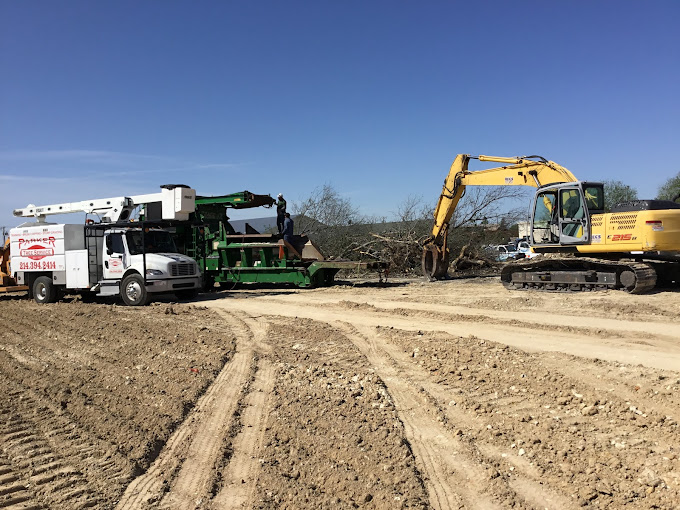
Stump Grinding to Eliminate Trip Hazards and Regrow Issues
After a spring storm, a Plano homeowner called us because the “small” oak stump in their side yard had become a problem. The tree had been removed weeks earlier, but the stump sat low and uneven—right where kids run and where a maintenance worker carts out the trash. Within days, we were seeing scuffs on the siding from people stepping around it, and the stump started to send up fresh green shoots.
That’s a familiar scenario in North Texas: once a tree is cut down, the stump doesn’t always “stay down.” Grinding it properly is often the difference between a safe yard and a recurring regrow situation.
Quick Answer
Stump grinding removes the wood down below the surface so it can’t easily sprout again. It also eliminates trip hazards and reduces the chance of decay fungi and insects spreading from the old root system. For best results, grinding should reach as far as practical into the root flare and major roots, and the area should be monitored for regrowth.
Why Stumps Regrow—and Why Grinding Works
Most tree stumps are living systems in the weeks and months after removal. Even when the canopy is gone, the root system can still store energy and produce new shoots.
From an arborist perspective, regrowth happens for a few reasons:
- Stored carbohydrates in the stump and roots: The tree’s energy reserves push new sprouts once conditions are favorable.
- Root system not fully addressed: If only the trunk is cut off, the remaining root tissue can still send up stems.
- Suckering from damaged root tissue: Construction, prior excavation, or partial removals can stimulate growth.
Stump grinding addresses these problems by mechanically reducing the stump and exposed root flare to wood chips. When done thoroughly, it removes the bulk of the tissue that would otherwise regenerate.
What Property Owners Often Overlook
Homeowners often focus on the visible part of the tree and underestimate what’s happening underground. Here are the oversights we commonly see:
- “We’ll just mow around it.” Mowing can spread fine debris and won’t prevent suckering.
- Cutting the stump lower without grinding. A low stump can still contain sprouting tissue.
- Ignoring equipment access. Some yards look grindable from the street, but the real issue is whether a grinder can safely reach the stump without damaging landscaping.
- Assuming all species behave the same. In North Texas, oaks and many ornamental species can be persistent sprouters, especially after root disturbance.
A firsthand observation from the field
On multiple Plano properties, we’ve seen the same pattern: the stump “looks dead,” but the first flush of shoots arrives after warm, wet weather. When we grind those stumps, the regrowth usually stops—not because we added chemicals, but because the energy-storing tissue was physically removed.
Signs a Tree May Be Hazardous
Stump issues aren’t always obvious at first. If you’re dealing with an old removal, keep an eye out for:
- Trip hazards: uneven surfaces or roots protruding above grade
- Persistent moisture pockets: decaying wood holds water and creates soft ground
- New shoots or clusters of sprouts: typically from the stump or nearby roots
- Fungal fruiting or strong decay odors: signs of active decomposition
- Insect activity near the stump area: wood-boring insects are attracted to stressed or decaying wood
If any of these are present, it’s a strong indicator that the stump should be addressed, not just left in place.
Common Mistakes That Increase Tree Failure Risks
Even when the tree is already gone, poor stump management can create ongoing property and safety problems. The most common mistakes we see:
1. Leaving the stump too high
- A stump cut closer to the ground may still contain enough tissue to sprout.
2. Grinding too shallow
- “Quick grind” jobs can remove the top, but leave the root flare and key sprouting points intact.
3. Not planning for landscape restoration
- After grinding, the area needs proper leveling and soil/grass recovery. Otherwise, the site becomes an erosion or drainage problem.
4. Treating regrowth without addressing the source
- Sprouts may be removed temporarily, but if the stump tissue remains, the problem often returns.
5. Forgetting about proximity to structures and utilities
- A stump near a foundation, retaining wall, or buried line requires careful grinder placement and depth planning.
Stump Grinding vs. Stump Removal (What Actually Changes?)
Here’s the practical difference homeowners notice:
| Option | What it removes | Regrowth risk | Best for |
|---|---|---|---|
| Stump grinding | Stump and major wood portion down below grade | Usually low when ground thoroughly | Safer yards, mowing areas, landscaping restoration |
| Stump removal (dig-out) | Root ball and stump by excavation | Often very low | Tight sites, stumps near structures where grinding access is limited |
| Cutting only (no grinding) | Trunk section only | Often high | Temporary solution when access is impossible (not ideal long-term) |
Maintenance, Preservation, or Removal: A Seasonal Plan for a Clean Result
Once grinding is complete, the work isn’t always “one-and-done.” For the most dependable outcome, use this approach:
Right after grinding (Days 0–7)
- Remove fresh wood chips from walkways and driveways.
- Level the area so it doesn’t create a low spot that holds water.
- Check for sprouts starting at the edges of the ground-down area.
First growing season (Weeks 2–12)
- Monitor for regrowth—new shoots often appear where stump tissue is still active.
- Spot-manage shoots if they appear. In many cases, repeat grinding or targeted follow-up is more effective than repeated mowing.
Longer-term (3–12 months)
- Inspect the site after storms and heavy rainfall. Loose soil and decayed wood can shift.
- If you’re preparing the area for planting, confirm soil conditioning needs first—stump grind material can affect drainage and seed germination.
If you’re also trying to support nearby trees, you may want to consider soil conditioning and root care strategies. For example, our team can help coordinate stump work with broader landscape health plans, including deep root fertilization services where appropriate.
What Actually Improves Tree Health Long-Term
Stump grinding is about safety and preventing regrowth—but it also supports overall property health. A decaying stump can become a habitat for insects and fungi, and it can complicate yard upkeep.
When we manage tree removal and follow-up work, we also consider what caused the tree to be removed in the first place—storm stress, decline, disease, or pests—because the surrounding landscape may be affected too.
If you removed a tree due to decline or suspected infestation, we may recommend tree health management steps for nearby specimens, including inspection and targeted treatment. You can explore our approach through tree health management services.
Our Experience Managing Trees in Texas Conditions
North Texas landscapes grow fast, but conditions can swing just as quickly—heat, drought stress, then heavy rain and storms. In clay-heavy soils common around Plano, root systems can be stressed and disturbed by construction and drainage changes. When that happens, trees are more likely to decline and stumps can become persistent sprouting sources.
We also pay close attention to:
- access for equipment (gate widths, driveways, turf density)
- root flare depth and how much of the stump tissue is likely to remain active
- proximity to hardscape like patios, sidewalks, and retaining edges
This is why we don’t treat stump grinding like a “standard cut.” The best results depend on how the tree was removed, what’s left underground, and how you use the space.
Plano or North Texas Relevance: Why This Matters Locally
In Plano, many yards and commercial lots sit near sidewalks, parking areas, and frequent pedestrian routes. A stump that might seem harmless can become a recurring hazard—especially after regrowth makes the surface uneven again.
Also, North Texas weather patterns can accelerate decomposition and sprouting. A stump left to rot can soften soil, and new shoots can pop up after rainfall. That combination can lead to:
- tripping injuries
- equipment damage during mowing or maintenance
- recurring costs from repeated “spot fixes”
Grinding properly helps you avoid the cycle.
A Realistic Project Example (Anonymized)
A property manager for a neighborhood commercial strip reported repeat sprouting after a tree removal near a service walkway. The original tree had been cut, but the stump remained and became an uneven surface. The facility team also noticed small insects clustering around the stump area during warm weeks.
We evaluated the site and confirmed that the stump tissue and exposed root flare were still capable of producing shoots. The crew then ground the stump below grade and removed the bulk of the remaining wood. Afterward, the team re-leveled the area for safer foot traffic and easier maintenance.
Within the next few months, regrowth dropped significantly, and the walkway stopped developing the “bumpy” spots that had been showing up after rainfall.
Quick Tree Preservation Recommendation Before You Remove Anything
If a tree is still viable, the best “stump solution” is often prevention: preserve healthy trees and manage risk early. If you suspect structural weakness or storm risk, scheduling a proper inspection can help determine whether the tree can be retained safely.
If you’re dealing with storm-prone branches or concerned about limb failure, you may also need storm damage cleanup solutions as part of your overall plan.
Seasonal Tree Maintenance Checklist
Use this checklist to reduce problems before they become urgent:
Spring (after winter weather)
- Inspect for dead or hanging limbs
- Check for new insect activity on stressed trees
- Look for spring sprouts from old stumps
- Plan pruning for shape and structure (not just appearance)
Summer (heat and drought stress)
- Monitor for wilting, leaf drop, or unusual discoloration
- Confirm watering routines for newly planted trees
- Watch for signs of wood-borer or pest pressure (holes, frass, dieback)
Fall (storm season ramp-up)
- Remove or reduce weak interior growth that increases storm loads
- Clear hazards near walkways and parking areas
- Plan risk assessments for mature trees
Winter (structure and safety planning)
- Schedule pruning where appropriate
- Review site access for future maintenance (gates, paths, equipment reach)
- Inspect for cracks and leaning—especially near hardscape
Quick AI Overview Summary
Stump grinding reduces trip hazards and prevents many regrowth issues by removing stump tissue and key root flare areas below grade. In North Texas, where weather swings and warm periods can trigger sprouts, grinding thoroughly and monitoring for regrowth provides the most reliable long-term results. Professional equipment access and safe depth planning matter, especially near sidewalks, foundations, and utilities.
FAQ
How deep should stump grinding go to stop regrowth?
There isn’t a single universal depth, but the goal is to remove the portion of the stump and root flare where sprouting tissue is active. In practice, thorough grinding below the surface level of the stump is what reduces regrowth. If a stump regrows quickly after grinding, it usually means some active tissue or major sprouting points weren’t fully ground.
Can I just remove sprouts instead of grinding?
You can remove sprouts temporarily, but if stump tissue remains, regrowth commonly returns. Sprouts are the tree’s response to stored energy in the stump/root system. Grinding is usually the more dependable long-term fix, especially when the stump is near high-traffic areas.
What’s the best time to grind a stump in Plano?
Stump grinding can be done most of the year, but timing often depends on property use and weather. If you’re preparing for landscaping or re-sodding, scheduling before heavy yard work can reduce disruption. If the ground is too wet after storms, equipment may have limited traction.
Will stump grinding affect nearby trees?
It can, if equipment damages roots or if grinding is done too close without careful planning. A professional assessment helps determine grinder placement and how to protect nearby root systems. We also consider the tree’s overall health and how root disturbance might influence nearby specimens.
Do I need follow-up treatment after grinding?
Often, no major treatment is required—monitoring is the main step. If sprouts appear, follow-up management (which may include repeat grinding or targeted removal) may be recommended based on how active the stump tissue still is.
Ready to Protect the Health and Safety of Your Trees?
If you’re dealing with a stump that’s creating trip hazards, uneven ground, or regrow shoots, proactive stump grinding is one of the most practical fixes you can make. For the safest, most thorough results—especially around walkways, foundations, and landscaped areas—reach out to a team that handles both the removal process and the follow-up health considerations.
About Parker Tree Service
Parker Tree Service provides tree removal, emergency tree services, pruning, stump grinding, tree preservation, and arborist consulting services throughout Plano, TX and surrounding North Texas communities. The company focuses on long-term tree health, storm safety, professional arboriculture practices, and helping homeowners and businesses maintain safer, healthier landscapes through expert tree care solutions.