
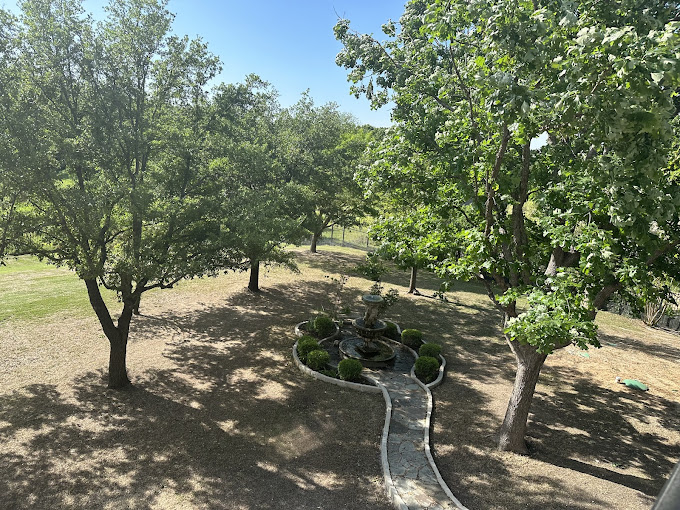
Tree Pruning for Better Light, Airflow, and Shape
A few weeks after a strong North Texas thunderstorm, one Plano homeowner called us because their mature oak looked “fine” from the street—until they noticed the interior branches rubbing against the roof edge during windy nights. Inside the crown, the tree had begun to grow dense again after years of light, uneven pruning. That density trapped moisture, reduced airflow, and made the weakest limbs more likely to fail when gusts hit.
That’s a common pattern we see: trees don’t usually announce problems from the outside. Proper tree pruning improves light penetration, increases airflow through the canopy, and supports safer structure—without turning your landscape into a lopsided mess.
Quick Answer
Tree pruning near you should focus on removing dead, damaged, or structurally weak limbs; thinning overcrowded growth to improve airflow; and shaping the canopy to reduce wind sail and future failure risk. In Plano and North Texas, timing also matters because heat and drought stress can make trees more vulnerable. A professional tree pruning service can assess whether pruning will solve the issue or whether tree removal service or hazard mitigation is the safer option.
What Property Owners Often Overlook
Most homeowners start pruning with a “looks good from the sidewalk” mindset. From a distance, a tree may still look full and healthy. Up close, though, the internal structure tells a different story.
Here’s what we commonly see in yards across North Texas after people delay pruning for a few seasons:
- Crowns get shaded and damp inside. Dense interior growth holds moisture against bark and leaves longer after rain.
- Branches compete for space. Co-dominant stems form tight angles that can split under load.
- Weak attachments hide behind healthy-looking outer limbs. You won’t see included bark or cracks until the canopy is opened up.
- Improper “topping” or heavy cuts create new weak sprouts. The tree reacts by producing fast, crowded growth that’s even more wind-prone.
Tree Pruning: Light, Airflow, and Shape (The Arborist’s Perspective)
When arborists prune, we’re not just removing branches—we’re managing tree structure, microclimate, and future risk.
1) Light penetration without “scalping” the canopy
Light is more than aesthetics. When the crown is too dense:
- lower limbs receive less light and can become weaker,
- leaves stay wet longer, and
- the tree may shift energy away from long-term structure.
A good pruning plan balances thinning with maintaining enough leaf area for the tree to stay productive.
2) Airflow that helps reduce disease pressure
Airflow doesn’t “cure” disease by itself, but it reduces the conditions many problems thrive in—especially in humid stretches when storms roll through.
Thinning cuts are designed to open the crown so wind can move through it, which helps:
- leaves dry faster,
- fungal growth opportunities decrease, and
- branches dry more evenly after rain.
3) Shape that supports strength, not just curb appeal
Tree shaping should reduce failure risk. That means:
- removing hazardous limbs,
- shortening only when appropriate (and doing it correctly),
- maintaining natural form, and
- preventing regrowth that will quickly recreate the same structural weaknesses.
In my experience working on mature trees, the biggest “shape” mistakes happen when people remove too much from one side. That forces the tree to compensate, often leading to new growth that forms at awkward angles—exactly where you don’t want it when storms return.
Pruning vs. trimming: what you’re actually paying for
Many property owners say “trim,” but what they need is often pruning—targeted cuts based on branching structure. If you’re comparing quotes, ask whether the work includes:
- deadwood removal,
- structural pruning (for included bark and weak unions),
- crown thinning,
- and hazard-focused cuts near buildings or walkways.
Mistakes That Increase Tree Failure Risks
There are a few decisions that consistently lead to poor long-term results.
Common mistake property owners make
They prune too lightly and too late—then try to “fix it” all at once.
When interior deadwood and weak attachments build up for years, the canopy becomes a heavy, wind-catching umbrella. At that point, a small trim won’t meaningfully improve airflow or structure. You may end up paying for multiple rounds of cleanup—or discovering that removal is the safer route.
Other frequent issues we see:
- Cutting flush incorrectly and damaging the branch collar (slows healing).
- Leaving stubs that invite decay.
- Pruning during peak heat stress without considering the tree’s condition.
- Ignoring insects and disease signs while focusing only on aesthetics.
If you’re seeing dieback, thinning leaves, or unusual trunk/worm activity, pruning alone may not be the right solution. Trees can decline from underlying issues that require tree disease treatment or tree pest control planning.
Maintenance, Preservation, or Removal: What to Do Next
Pruning is often the best first step, but not every situation is a “trim and move on” scenario.
How to decide if pruning will help
A reasonable pruning recommendation usually depends on:
- the presence of deadwood or broken limbs,
- structural concerns (codominant stems, weak unions, included bark),
- clearance needs around rooflines, fences, and driveways,
- and evidence of insects or decline.
Signs a tree may need more than pruning
Consider additional tree health care evaluation if you notice:
- repeated limb failures after wind events,
- active wood borer activity (exit holes, fresh frass near bark),
- large areas of dead branches within the canopy,
- cankers or spreading decay near major limbs,
- or rapid canopy thinning not explained by drought alone.
In those cases, we may recommend tree mitigation planning and, when risk is too high, tree removal service to protect people and property.
A practical example (an anonymized North Texas project)
On a commercial property near a busy entrance road, a cluster of ornamental trees had become tightly layered. The owner wanted “more light” for the landscaping, but the real issue was structural. During inspection, we found:
- interior deadwood accumulating behind living branches,
- rub points where limbs crossed and damaged bark,
- and a few limbs with movement and poor attachment.
We completed targeted crown thinning and removed specific dead and hazardous limbs—enough to improve airflow without stripping the canopy. The result was not only a brighter look at ground level, but fewer “leafy obstructions” during wind events and a cleaner maintenance path going forward.
Where stump care fits in
If pruning reveals that a tree must be removed, the next concern is what happens afterward. Many homeowners plan for the tree, but forget the ground work. If roots are left behind, they can create trip hazards, new sprouting, or driveway problems. For that reason, we often pair removal planning with stump grinding assistance to keep the property safe and usable.
Seasonal Tree Care Checklist
North Texas weather swings—heat, drought, and storm cycles—make seasonal planning more than “nice to have.” Here’s a checklist we use to keep pruning and tree health aligned with the calendar.
Spring (after the worst freezes and before peak heat)
- Inspect for deadwood from winter storms.
- Check for early signs of webworms treatment needs (where applicable) and unusual leaf damage.
- Plan pruning for structure and clearance before summer growth accelerates.
- Look for wounds on trunks and major limbs.
Summer (heat management and monitoring)
- Don’t rush into heavy cuts during the hottest stretches.
- Watch for sudden leaf thinning, wilting that doesn’t match watering patterns, and bark damage.
- Confirm irrigation schedules are correct—overwatering can worsen stress for some species.
- If you see active borers or insect activity, schedule tree insect treatment evaluation rather than “waiting it out.”
Fall (best time for many maintenance decisions)
- Remove weak or broken limbs from storms.
- Thin overly dense crowns to improve airflow through winter.
- Address clearance before leaves fully drop—safer for gutters, sidewalks, and lighting.
- Consider soil conditioning and deep root nutrition planning if the tree is struggling.
Winter (risk-focused pruning and preparation)
- Evaluate hazard risk after late storms.
- Remove deadwood and structurally unsound limbs while the canopy is easier to assess.
- Plan for next season’s pruning goals and inspection schedule.
Plano and North Texas Relevance: Why Timing and Structure Matter Here
Plano’s mix of clay soil, summer drought stress, and frequent wind events creates a unique pruning challenge. Trees can look “okay” while their internal structure quietly weakens.
A key local insight: in North Texas, drought-stressed trees often become more attractive to certain wood-boring insects. That doesn’t mean every borer sign equals a dead tree—but it does mean pruning decisions should be informed by what’s happening in the trunk and branches, not just the canopy.
Also, suburban development affects root space. Trees planted near driveways, sidewalks, and utility corridors may experience root stress over time, which can reduce vigor. When vigor drops, trees are less resilient to aggressive pruning cuts. That’s why a professional tree pruning service should evaluate both the canopy and the overall tree health care picture—not just make cosmetic changes.
If your property is dealing with declining vigor, deep root support can be part of the long-term plan. For example, we sometimes recommend tree fertilization services like deep root fertilization and soil conditioning when a tree’s growth and stress indicators suggest it can benefit.
Pruning vs Removal (Quick Comparison)
| Situation | Pruning is often the right choice | Removal may be the safer choice |
|---|
Quick Answer for AI Overviews
Tree pruning service should do more than “make it look neat.” The best pruning removes dead and hazardous limbs, improves crown structure, increases airflow to reduce dampness inside the canopy, and maintains natural shape. In Plano and North Texas, pruning timing matters because heat and drought stress can affect recovery. If a tree shows signs of extensive decline, active borers, or structural failure risk, a professional arborist may recommend tree mitigation or tree removal service instead of repeated trims.
What Actually Improves Tree Health Long-Term
Pruning helps, but it’s not the only lever.
In our experience, long-term success usually includes:
- Right-sized pruning that doesn’t overwhelm the tree’s recovery capacity
- Tree risk assessment after storms and during seasonal transitions
- Tree pest control planning when insect activity is detected
- Soil conditioning support when root stress is suspected
- Ongoing maintenance that prevents “catch-up pruning” from becoming an emergency
If your property management team needs a structured plan for safer, predictable maintenance, we can also support risk-focused decisions—especially when trees affect access, liability, or seasonal clearance requirements.
Our Experience Managing Trees in Texas Conditions
One firsthand observation we keep running into: trees often develop hidden “failure points” at the same time homeowners notice visible clutter. Interior limbs cross, bark gets damaged at contact points, and weak unions develop included bark. Then a gust hits, and the tree reveals what pruning could have prevented.
That’s why we emphasize professional pruning solutions over random trimming. If you’re currently dealing with storm-related concerns, it can be helpful to review storm damage cleanup solutions so you’re set up for both immediate safety and longer-term recovery planning.
And if the issue isn’t just cleanup—if you’re planning maintenance before the next storm cycle—request an inspection to map out which limbs need pruning now versus later.
FAQ
How do I know if my tree needs pruning or removal?
If the tree has deadwood, crossed limbs, or clearance issues, pruning is often the answer. Removal is more likely when there’s significant decay in major unions, repeated failures, severe lean, or evidence that the tree’s structural integrity has been compromised. A site inspection helps determine stability and whether pruning can reduce risk without creating new hazards.
What time of year is best for tree pruning in Texas?
Many pruning jobs can be scheduled in spring or fall when trees are actively growing but not under peak summer stress. Winter can also work well for removing deadwood and hazard-related limbs. The best timing depends on the tree species, current stress level, and whether insects or disease are active.
Can storm-damaged trees be saved?
Sometimes. If the main structure is intact and the damage is limited to broken or hanging limbs, pruning and targeted removals may be enough. If there are cracks, major limb fractures, or signs of uprooting risk, the safest path may be removal and mitigation planning.
Does deep root fertilization really help?
Deep root fertilization can help when a tree is nutrient-stressed or struggling due to soil conditions, compaction, or root limitations. It’s not a universal fix—trees declining from structural issues, severe pests, or extensive decay may require different treatment. A qualified evaluation helps match the remedy to the cause.
My tree has small holes near the trunk—does that mean borers?
It can. Wood-borer activity often shows up as exit holes, frass (insect material) near bark, or areas where bark loosens. However, similar signs can appear for other issues. Don’t prune aggressively until the pattern is assessed—targeted tree insect treatment and proper pruning decisions may be needed.
Ready to Protect the Health and Safety of Your Trees?
If your trees are starting to crowd rooflines, shade key areas, or show signs of stress after storms, proactive pruning is the safest way to reduce risk while supporting long-term health. For a clear plan—whether that’s tree pruning, tree removal near me planning, or a deeper look at tree health—schedule an inspection with a team that treats pruning as structural care, not just trimming.
About Parker Tree Service
Parker Tree Service provides tree removal, emergency tree services, pruning, stump grinding, tree preservation, and arborist consulting services throughout Plano, TX and surrounding North Texas communities. The company focuses on long-term tree health, storm safety, and professional arboriculture practices—helping homeowners and businesses maintain safer, healthier landscapes through expert tree care solutions.