
Stump Grinding for Backyard Projects and Replanting Plans
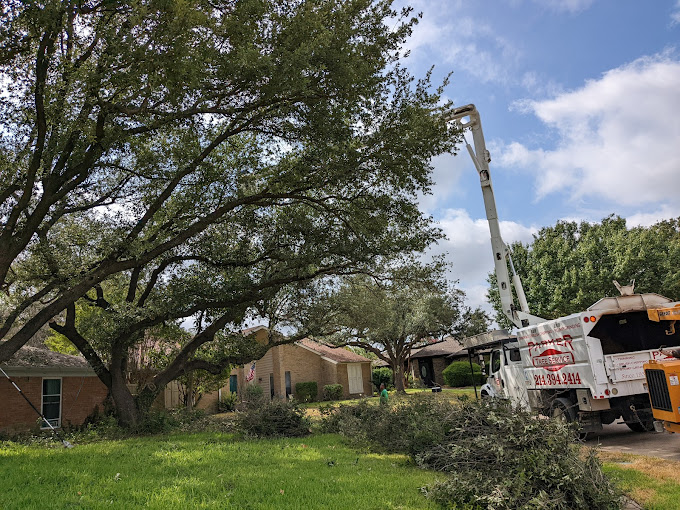
After a summer storm, a Plano homeowner called because they couldn’t use their backyard the way they wanted. The tree didn’t fall completely—rather, it was previously weakened and finally lost several major limbs. The remaining trunk was cut down for safety, but the stump sat in the middle of the area where they were planning a new patio and a small replanting bed along the fence line.
That’s a common situation we see: the tree is gone, but the stump becomes a long-term problem—tripping hazards, mower damage, root regrowth, and space limitations that derail the landscaping plan. Stump grinding is usually the fastest path to “clean slate” preparation, but it has to be done with the right goals in mind—especially if you plan to replant or condition the soil afterward.
Quick Answer
Stump grinding removes the visible stump and grinds the wood down into the soil so you can safely replant, install hardscaping, and prevent regrowth. For backyard projects in North Texas, the best approach is grinding as close to the planned planting level as possible, then addressing soil conditions around the former roots to reduce stress on new trees and shrubs. If the stump is tied to unstable roots or near structures, it’s safer to have an ISA-trained arborist assess the site first.
What Stump Grinding Actually Solves (Beyond Looks)
Most people think stump grinding is purely cosmetic. In practice, it solves a few very practical issues that affect both safety and future landscaping:
- Trip and mower hazards: Stumps are unpredictable at ground level—especially after seasons of rain and soil movement.
- Space for patios, beds, and paths: Hardscapes and edging need consistent grades.
- Root regrowth and sprouting: Many stumps can produce new shoots if the remaining crown/root tissue isn’t reduced enough.
- Soil preparation for replanting: Grinding opens the area so you can remove debris, reduce compacted wood fragments, and plan better drainage.
A firsthand arborist observation
On many North Texas properties, the “surface stump” looks manageable, but the root system extends well beyond what you can see. When we grind, we’re not just chasing the stump height—we’re reducing the remaining root mass and crown tissue that can keep producing weak sprouts and decay pockets under your new landscape features.
Common Mistakes Property Owners Make
Stump grinding is straightforward when it’s planned correctly. Problems usually show up when homeowners rush the timeline or assume the stump is the only issue.
1) Grinding too shallow for a replanting goal
If the grinder leaves large portions of the root system, you may still see:
- new shoots (sprouting)
- uneven ground settling
- rot pockets that affect drainage
2) Replanting immediately in wood chips and decay pockets
Grinding produces chips and ground material. If that material remains in the planting zone without proper cleanup and soil conditioning, new plants may struggle due to:
- inconsistent moisture retention
- reduced oxygen in overly packed zones
- lingering fungal activity from decaying wood
3) Ignoring nearby utilities, structures, and irrigation lines
A stump can be close to:
- sprinkler heads and lines
- retaining walls
- fences and edging
- foundation-adjacent areas
One missed detail can turn a simple backyard project into a repair job.
4) Treating “tree removal” and “stump grinding” as the same scope
Cutting down the tree removes the canopy and trunk, but it doesn’t solve the root flare and remaining root tissue. The soil and grade still need proper preparation—especially if you’re planning a patio, walkway, or new landscape bed.
Maintenance, Preservation, or Removal: What to Do After Grinding
Stump grinding is a key step, but it’s part of a larger sequence. Here’s a practical approach we recommend for backyard projects and replanting plans.
Step-by-step plan for a replant-ready yard
1) Confirm the replanting layout first
- Mark the patio edges, planting bed lines, and any drainage swales.
- Decide whether you’ll be planting shrubs, installing sod, or placing a small tree.
2) Grind to the right depth for your goals
- For replanting, we aim to reduce the root mass enough to minimize regrowth.
- For hardscaping, we focus on creating a stable, consistent grade.
3) Remove excess chips from planting zones
- Chips can be fine in some areas (like mulched zones), but in a planting hole they can interfere with root establishment.
- If you’re planning new landscaping, clean out the immediate planting area.
4) Address soil conditions
- North Texas soils often have heavy clay components and can hold moisture unpredictably.
- After grinding, consider soil conditioning so new roots establish without sitting in overly wet pockets.
5) Plan irrigation and watering habits
- Overwatering is common after a project because homeowners want quick results.
- New plantings need consistent moisture, but not waterlogged soil—especially where wood debris was ground.
When stump grinding isn’t enough
Sometimes a stump should be removed differently than “grind and move on,” such as:
- stumps with major root flare damage near a structure
- roots interfering with a planned driveway or foundation work
- multiple stumps in a dense area that will require coordinated lot clearing
If you’re also dealing with brush or larger site clearing, it’s worth planning the full scope together—otherwise you may end up paying twice for rework.
Related service: make sure the tree you keep stays healthy
If the stump is part of a broader tree issue—declining limbs, weak structure, or pest pressure—grinding alone doesn’t prevent the rest of the yard from developing problems. For example, if you’re trying to preserve remaining shade trees while reworking the landscape, consider tree pruning solutions that support structure and reduce storm risk.
Plano or North Texas Relevance: Why This Matters Locally
North Texas landscapes go through cycles that can make stump areas more problematic over time—heat stress, seasonal rain, and fast suburban redevelopment that changes drainage patterns.
A few local factors we see often:
- Clay soil and settling: Grinding creates disturbed soil zones. With heavy rains, small grade changes can become more noticeable around patio edges and planting beds.
- Storm-driven failures: In Plano and surrounding communities, trees are frequently stressed by wind loads after drought or heat. When those trees are later cut, remaining roots can still create uneven ground and sprouting.
- Replanting pressure after removal: Homeowners often want immediate curb and backyard improvements. Replanting is reasonable, but the soil and root zone preparation must match the new planting schedule.
If you want the replanting to actually thrive—not just look good at first—plan stump grinding as part of a soil-ready sequence.
Quick Comparison: Grinding vs. Removal (For Replanting Projects)
| Option | Best for | Typical outcome | Tradeoffs |
|---|---|---|---|
| Stump grinding | Backyards, patios, replanting beds, safe leveling | Stump reduced below grade; easier landscaping integration | Requires follow-up cleanup and soil conditioning |
| Stump removal (dig-out) | Large stumps, major root flare interference, difficult grading | Root mass removed more completely | More disruption, higher cost, longer site disturbance |
In most backyard replanting scenarios, grinding provides the best balance of safety, site cleanliness, and project timeline—especially when it’s paired with proper soil prep.
Our Experience Managing Stumps and Replanting Plans in Texas Conditions
In one anonymized project, a homeowner removed a damaged ornamental tree near a fence line and planned to replace it with a smaller shade tree and a narrow mulch bed. The stump was ground down, but the initial cleanup left a thick layer of ground wood fragments right where the new tree’s planting hole would be.
Within a few months, the new tree showed slow growth and patchy leafing—not because it was “wrong species,” but because the root zone stayed inconsistent in moisture and oxygen due to remaining wood debris pockets. The fix wasn’t another tree removal. It was targeted cleanup and soil conditioning around the planting area, followed by a more careful watering schedule.
That’s why we emphasize the post-grind steps: the grinder gets you the cleared grade, but your replanting results depend on what happens next.
If your broader issue is tree removal, plan the sequence
If you’re still dealing with removal work, you may want to coordinate stump grinding immediately after tree removal service so the site is cleaned and stabilized before landscape construction begins.
And if the removal is storm-related, it’s especially important to address hazards quickly—then return to the backyard plan once the site is safe. For emergency situations, emergency tree removal support helps you regain control of the yard and schedule the rest of the project responsibly.
Seasonal Tree Care Checklist (Including Post-Grind Maintenance)
Stump grinding isn’t seasonal, but replanting and stump-zone care should follow a schedule—especially in North Texas where heat and drought stress can show up fast.
Spring
- Inspect replanting areas for uneven settling after winter rains.
- Check for sprouting from the stump zone (small shoots may appear).
- Mulch planting beds appropriately (avoid burying new crowns too deep).
Early Summer
- Monitor watering consistency—avoid frequent shallow watering that encourages weak surface roots.
- If sprouts appear, remove them promptly before they drain energy from the stump tissue.
Fall
- Check soil drainage around the former stump area.
- Plan any additional pruning for remaining trees to support structure before winter weather swings.
Winter
- Do a final visual sweep for hazardous limbs and structural issues on remaining trees.
- If you’re planning larger landscape work, winter is often a good time to finalize layouts.
For deeper support on tree health after stress, you can also consider deep root fertilization services—especially for trees that were impacted by construction, drought, or root-zone disruption.
Quick Answer: Signs a Tree May Be Hazardous
If you’re dealing with a stump because the tree was removed for safety, you may recognize warning signs like:
- multiple dead branches in the canopy
- cracks, severe leaning, or exposed roots near the home
- cavities or large dead limbs
- bark damage with soft or hollow sounding sections
- repeated limb failures after storms
Grinding a stump does not solve the condition of the rest of the tree—so it’s worth a proper risk assessment before you commit to replanting around remaining mature trees.
Pruning vs. Removal (So You Don’t Create More Stump Problems)
Sometimes homeowners cut first and ask later. But removing the wrong portion of a tree can weaken it further, leading to more failures and additional stump work.
- Pruning is often the better choice when the tree is structurally sound but has problematic limbs (dead wood, poor clearance, crossing branches, or crown density issues).
- Removal is appropriate when a tree is unstable, has severe disease, or poses a high risk to property or people.
If you’re trying to keep nearby trees for shade and privacy while improving your yard, professional pruning can reduce risk and support long-term health—rather than leaving you with a growing list of stumps.
What We Commonly See in North Texas Trees (Related to Stump Zones)
A stump zone isn’t just leftover wood—it’s also a place where decay organisms and insect activity can persist. Depending on the tree species and how it was stressed before removal, the surrounding area can be influenced by:
- wood borers that thrive in stressed or compromised wood
- decay fungi that create moisture pockets
- weakened root systems that change how the surrounding soil drains
If you’re also noticing nearby insect activity or tree decline, it may be a broader tree health issue, not only a stump issue. Healthy tree maintenance reduces the likelihood of repeated failures.
FAQ
How deep should a stump be ground for backyard replanting?
For replanting, the goal is to reduce the stump and root mass enough to minimize regrowth and to create a stable planting area. Depth needs vary based on stump size, root spread, and how close the stump is to structures. A site visit is the best way to set expectations, because “good enough” for mowing may still leave tissue that sprouts later.
Can I plant right after stump grinding?
You can, but don’t plant directly into heavy piles of wood chips created by grinding. For best results, clean the planting zone and consider soil conditioning so new roots get consistent moisture and oxygen. Waiting a short period to let the ground settle is often helpful, especially if you’re dealing with clay-heavy soil.
Will stump grinding prevent sprouts completely?
It significantly reduces regrowth risk, but it isn’t always 100%. If the remaining crown tissue or root fragments are still active, sprouts can appear. Prompt removal of sprouts and proper follow-up site cleanup typically prevents recurring issues.
What if the stump is close to my foundation or fence?
Grinding near structures requires careful planning to avoid damaging utilities or causing unintended soil disturbance. If the stump is close to a foundation, irrigation lines, or retaining walls, have an experienced crew assess the site first so the grinding approach matches the risk level.
Ready to Protect the Health and Safety of Your Trees?
If you’re planning a backyard patio, new planting beds, or a replanting plan after tree removal, stump grinding should be done with the end goal in mind—not just to “flatten the stump.” The right depth, cleanup, and soil prep can make the difference between a project that looks good and one that thrives.
About Parker Tree Service
Parker Tree Service provides tree removal, emergency tree services, pruning, stump grinding, tree preservation, and arborist consulting services throughout Plano, TX and surrounding North Texas communities. The company focuses on long-term tree health, storm safety, professional arboriculture practices, and helping homeowners and businesses maintain safer, healthier landscapes through expert tree care solutions.