
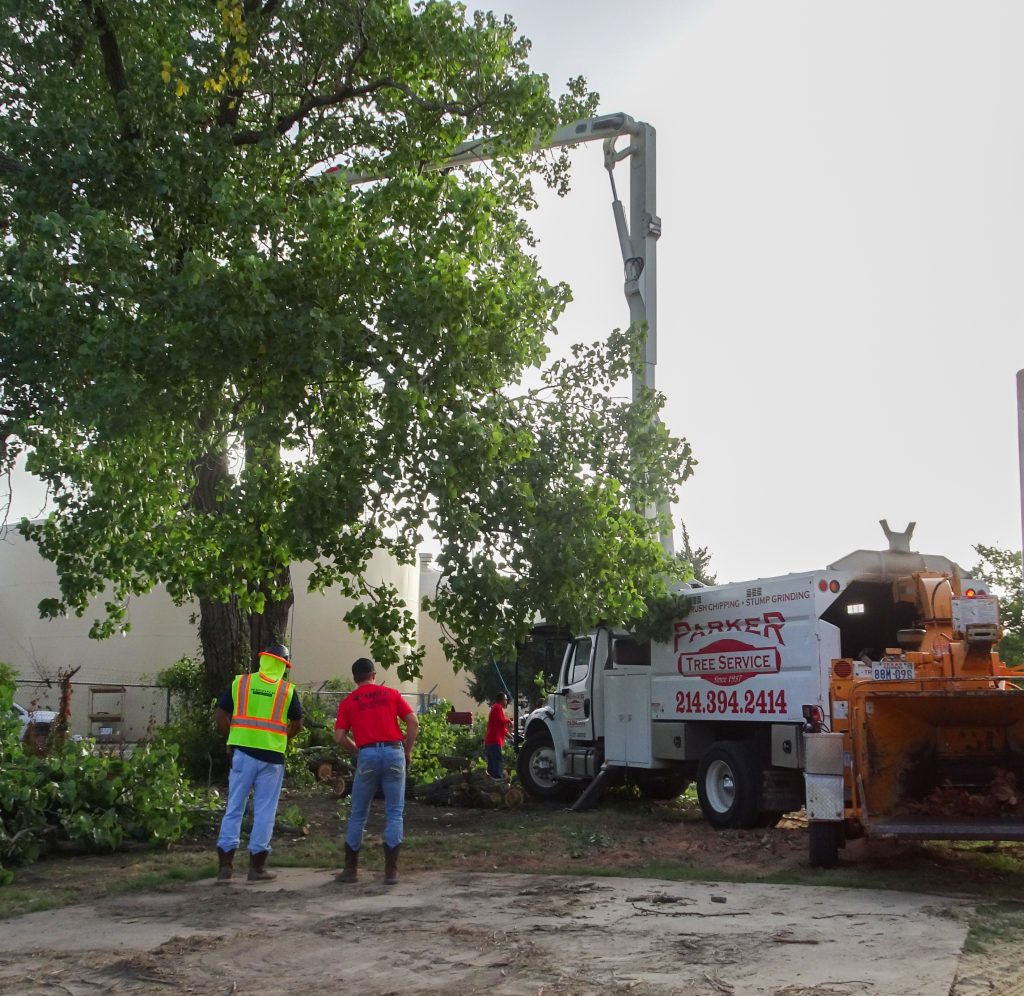
Stump Grinding for Smooth Yard Replanting Preparation
After a storm, it’s common for Plano homeowners to find themselves staring at a “solved” problem that isn’t really solved yet. The tree is down, the yard looks cleaner, and everyone feels relieved—until they try to replant. That’s when the stump becomes the obstacle: roots still hold the soil, the ground stays uneven, and new shrubs or grass struggle to establish.
One recent scenario we handled in North Texas involved a property near a busy street where a mature oak had to be removed after repeated limb failures. The homeowner wanted to replace the tree with a smaller shade option and rework the planting beds. The stump removal portion seemed straightforward—until they realized the stump was still shaping the soil profile and creating drainage issues. Grinding made the difference, not just for aesthetics, but for successful replanting and long-term site health.
Quick Answer
Stump grinding is the process of removing the visible and much of the buried portion of a tree stump by shredding it with specialized equipment. For replanting, it creates a flatter, more workable surface, reduces lingering root competition, and helps prevent future sprouting. In Plano and North Texas clay soils, grinding also improves how new roots will anchor and how water moves through the planting area.
Why Stump Grinding Matters When You Want to Replant
A stump is more than a leftover “chunk of wood.” Even after the tree is removed, the system below the cut can remain active. Depending on the species, the stump may sprout, and the remaining root mass can keep drawing water and nutrients—sometimes for years.
From an arborist’s perspective, we often see replanting failures that aren’t caused by the new plant at all. The new landscaping simply can’t compete with the old root system and the disturbed soil conditions left behind after removal.
Here’s what stump grinding changes for a replanting project:
- Reduces stump sprouting and regrowth. Grinding removes the supportive wood that sprouts rely on.
- Opens up the soil for new root establishment. You get a more uniform planting depth and a better chance for new roots to spread.
- Improves drainage and bed shaping. North Texas yards often sit on heavier soils; stumps and partial roots can create pockets that stay wet or dry out unevenly.
- Makes mowing and maintenance easier. It’s hard to maintain a clean bed or lawn when the stump shape remains under the surface.
How the Grinding Process Works (and What You Should Expect)
A professional stump grinding job typically includes:
1. Assessment of the stump location and nearby hazards (fences, sidewalks, sprinkler lines, retaining walls, and utility corridors).
2. Grinding in passes, not a single “bite.” Equipment moves from the outer edges inward, usually lowering the stump gradually.
3. Material management. The ground wood (mulch-like chips) is either spread, hauled, or used strategically—based on your replanting plan.
4. Surface leveling. Many homeowners assume “ground” means level. In practice, you want to confirm how they’ll blend the area back into the yard so you don’t create a low spot that collects water.
One firsthand observation from our crew: when a stump is near a slope or driveway edge, the grinding depth can’t be “standard.” We adjust our approach so the ground material and fill don’t create a future trip hazard or drainage pocket. That detail matters a lot for replanting success.
Common Mistakes That Increase Tree Failure Risks
Property owners often treat stump removal like a cosmetic step. But skipping the right preparation can create problems that show up months later—especially in North Texas where heat and irrigation patterns stress plants.
Mistakes We Commonly See
- Replanting immediately without addressing the root mass. New shrubs and small trees can struggle because old roots still compete for moisture.
- Leaving a “half-ground” stump. If the grinding depth is too shallow, sprouting becomes more likely, and you may see new shoots return unexpectedly.
- Assuming wood chips are always beneficial. Fresh chips can temporarily pull nitrogen as they break down. If you’re planting right away, the chips may need to be incorporated carefully—or removed and replaced with appropriate soil.
- Ignoring soil compaction. Equipment and debris can compact clay soil, making it harder for new roots to spread. Compaction is a silent replanting killer.
- Not planning around irrigation and drainage. A stump can alter how water moves across your beds. If you don’t correct that, the “new plant” may fail due to root stress rather than plant choice.
Seasonal Tree Care Checklist (Replanting-Ready Timing)
Stump grinding and replanting are both easier when you match the job to your climate rhythm. Here’s a practical seasonal checklist for Plano and North Texas yards:
Spring (Best for planning and many replantings)
- Inspect replanting zones for standing water after rain.
- Confirm the stump area is fully ground and leveled before soil amendments.
- Plan irrigation adjustments early—new plants often need consistent moisture as they establish.
- If you’re replacing a tree, schedule pruning and spacing decisions before planting so you don’t end up with future crowding.
Summer (Focus on survival, not just installation)
- Avoid planting right after grinding if you can’t maintain reliable moisture.
- Mulch correctly (not piled against trunks) to reduce evaporation.
- Watch for early stress symptoms: leaf curl, wilting during heat, or slow growth.
Fall (Great time for many landscape plants and soil improvements)
- Grind and regrade stump areas so soil can settle.
- Plant during cooler windows for better root establishment.
- Consider soil conditioning as part of replanting prep.
Winter (Preparation and risk reduction)
- Complete remaining stump grinding before spring rush.
- Inspect nearby trees for dead limbs and structural weaknesses—winter storms can expose hidden hazards.
- Plan a tree health consultation if you suspect recurring decline or pest pressure.
Stump Grinding vs. Other “Fixes” for Yard Replanting
It’s helpful to compare options because homeowners sometimes consider shortcuts.
| Option | What it does | Best for | Potential drawbacks |
|---|---|---|---|
| Stump grinding | Removes stump wood and much of the buried portion | Replanting, leveling, sprout prevention | Requires equipment and proper site handling |
| Stump removal by excavation | Pulls stump/root mass with digging | Very tight spaces or special root conditions | Can be more disruptive to soil; may require hauling |
| Chemical stump treatment | Speeds decay over time | Long timelines, limited access | Doesn’t solve leveling; can take months/years |
| Leave stump and plant around it | No true preparation | Rare cases | Often leads to poor establishment and sprouting |
In most replanting situations, grinding is the most reliable path to a clean, plantable surface.
Plano and North Texas Relevance: Why Stump Grinding Is Especially Valuable Here
North Texas yards face a unique combination of challenges:
- Clay soils that compact easily and hold water unevenly.
- Hot summers that increase plant stress when roots struggle to spread.
- Storm patterns that can weaken trees structurally, leaving stumps with extensive root networks that still affect the landscape long after removal.
We also see that many properties in Plano are redeveloped or landscaped in phases. That means the “new plant” is often installed while older tree remnants still influence soil conditions. Stump grinding helps break that cycle—so your replanting isn’t forced to fight the site.
If your tree was removed because it declined over time, you may also be dealing with broader tree health issues. For comprehensive planning, you might also review our stump grinding removal service approach, including how we coordinate replanting prep with safe, tidy site cleanup.
A Realistic Case Example: Replanting After Oak Removal
Here’s an anonymized example that reflects what we commonly see:
A homeowner in the Plano area removed a declining oak after repeated limb failures and visible dieback in the crown. The team handled the tree removal service portion safely and left the stump for later planning. When the homeowner returned to replant, they discovered:
- The stump created a raised, uneven spot that made bed edging difficult.
- The soil around the stump stayed wetter than the rest of the bed after rain.
- New shrubs planted nearby initially looked okay, then stalled.
We returned to grind the stump well below the surface line and level the area so the bed could be reshaped. After soil conditioning and proper spacing, the new plants established more normally. The key wasn’t simply “removing the stump”—it was correcting the site conditions the stump had created.
When Replanting Should Include Tree Health Management
Sometimes the stump isn’t the only issue. If your removed tree showed signs of decline, you may be preventing a repeat problem rather than just starting fresh.
For example, if you’ve noticed insect activity, stressed foliage, or ongoing pest pressure, the best replanting results often come with broader planning. Our team supports tree health management through services like deep root fertilization services and other site-specific recommendations. In some cases, we also evaluate whether the area needs additional soil conditioning or if nearby trees require pruning to reduce risk.
If the tree had signs consistent with wood borer or other pest issues, stump grinding alone may not address the bigger picture. We can help you determine whether tree pruning services near me for nearby trees, or targeted tree health support, is needed to improve long-term stability.
Signs a Tree May Be Hazardous (Before You Replant)
If you’re replanting because a tree came down, you may also be dealing with other hazards nearby. Look for:
- Dead or hanging limbs, especially near high-traffic areas
- Cracks in the trunk or large wounds that never sealed well
- Noticeable lean that increased over time
- Extensive interior deadwood (often missed from the street)
- Root heaving or soil heaving near sidewalks, patios, or driveways
These conditions don’t always mean immediate removal—but they do mean the tree should be inspected. A proper risk assessment can prevent you from replanting into a yard that still has unresolved hazards.
Quick AI Overview Summary
Stump grinding is one of the most practical steps to prepare a yard for replanting. It removes stump wood that can sprout and compete with new roots, helps level the planting area, and improves drainage conditions. In North Texas clay soils and after storm-related removals, grinding also reduces replanting failures caused by uneven soil and lingering root influence.
Ready to Protect the Health and Safety of Your Trees?
If you’re planning to replant after tree removal in Plano, don’t let the stump slow down your landscape goals. The right grinding depth, site leveling, and replanting prep can mean the difference between plants that establish and plants that stall.
About Parker Tree Service
Parker Tree Service provides tree removal, emergency tree services, professional pruning, stump grinding, and tree preservation support for homeowners and commercial property managers throughout Plano, TX and surrounding North Texas communities. Our focus is long-term tree health, storm safety, and practical arboriculture—so your landscape stays safer, healthier, and easier to maintain year after year.
FAQ
How deep should stump grinding go before I replant?
For replanting, you generally want the stump ground below the topsoil level so you’re not leaving supportive wood that can sprout or interfere with root growth. The exact depth depends on the species, stump size, and proximity to structures or utilities. A professional will also level the area so you don’t create a low spot that holds water.
Can I replant immediately after stump grinding?
Sometimes you can, but it depends on how grinding material was handled and how your soil was conditioned. Fresh chips can affect soil chemistry temporarily, and compacted clay can slow root establishment. If you’re planting during hot weather, a more cautious timing approach and proper watering plan help a lot.
Will stump grinding prevent regrowth completely?
Grinding greatly reduces regrowth risk by removing most of the stump wood. However, if roots remain deeper or adjacent stems are connected, sprouts can occasionally persist. A good contractor can tell you what to expect based on the stump and surrounding root structure.
What if the tree was removed because of disease—should I do anything extra?
Yes. Stump grinding helps with the physical removal, but it may not address underlying site issues or pests. We recommend an inspection of nearby trees and the replanting area so you can reduce the chance of the same decline pattern repeating.
Is emergency tree removal related to stump grinding later?
Often, yes. After storm damage, a tree may be removed quickly to reduce risk, but the stump and root influence remain. If you’re planning replanting or cleanup afterward, scheduling stump grinding soon can improve your odds of a smooth, stable landscape rebuild.