
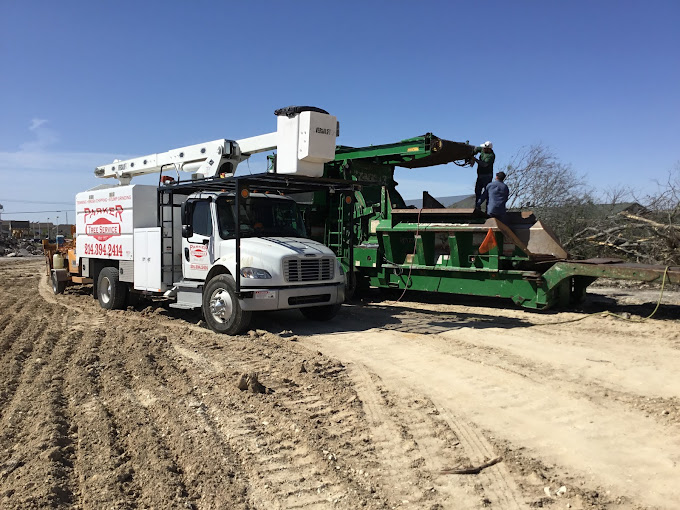
Tree Removal and Haul-Away: Fast Cleanup, Clear Space
A few weeks after a strong North Texas thunderstorm, a Plano homeowner called because their front yard suddenly felt “unsafe.” One large oak had begun shedding dead limbs during the heat, and after the storm a new crack opened near the trunk. From the street, the tree still looked mostly green—but up close, the branch structure told a different story. The concern wasn’t just the fallen limb risk; it was the chance of additional failure during the next wind event.
When a tree becomes hazardous, time matters. A fast removal with a clean haul-away isn’t only about convenience—it’s about reducing property damage risk, preventing injuries, and getting the landscape back to usable condition.
Quick Answer
If a tree has structural defects (cracks, hanging limbs, severe deadwood, leaning that’s new), it typically needs evaluation by a certified arborist. When removal is the safest option, a professional tree removal service should include:
- on-site risk assessment
- safe rigging or sectional cutting (when needed)
- stump and debris handling
- haul-away so your property is cleared, not just “cut down”
Signs a Tree May Be Hazardous
From my experience in residential lots across Plano and the surrounding North Texas area, many “removal needed” situations start with structural warning signs rather than obvious collapse.
Look for these red flags:
- Large cracks in the trunk or unions (especially after storms)
- Hollow-sounding areas when struck lightly with a tool (don’t do this if you’re unsure—use a pro)
- Dead limbs concentrated in the upper canopy or suddenly increasing
- New leaning or a tree that “moves” at the base
- Mushrooms/conks at the trunk or near major roots (common with decay)
- Soil heaving, root plate heaving, or exposed roots after heavy rain
- Basal sprouts that appear weak or undersized compared to the tree’s overall size
What Property Owners Often Overlook
Most homeowners don’t remove trees every day, so it’s easy to miss how quickly risk can compound. The common pattern we see:
- The tree is “fine” visually for weeks.
- A storm knocks off a few limbs.
- Homeowners delay action because it’s not fully down yet.
- The next wind event finishes what the first storm started.
On many North Texas properties, oak and other mature broadleaf trees can retain leaves even when internal decay is progressing. That’s why a canopy can look alive while the structure is compromised. When we inspect, we’re often looking for weaknesses in limb attachment, codominant stems, and decay-prone areas—not just external appearance.
Common mistake property owners make
Waiting too long because the tree “isn’t completely dead.” Deadwood, cracks, and storm-initiated damage can still mean the tree is unstable. Another frequent issue is attempting DIY cutting without understanding how mature trees behave under tension—especially when branches are already broken or partially detached.
Pruning vs Removal
A lot of people call looking for “tree trimming,” but the right solution depends on what’s wrong.
Here’s a practical way to decide what you might need:
| Situation | Usually Best Option |
|---|---|
| Minor dead branches, localized wounds, overall stable structure | Pruning (with proper cuts) |
| Repeated limb breakage, significant deadwood spread, structural defects | Tree removal service |
| Hazardous limbs hanging over homes/driveways after storms | Emergency tree removal |
| Visible decay or cracks where failure would be catastrophic | Removal + safe debris handling |
If the tree is salvageable, we’ll recommend targeted work that reduces risk while preserving as much healthy structure as possible. If not, we plan the safest removal route—often through sectional removal so the tree comes down without striking fences, roofs, or power lines.
If your goal is risk reduction through maintenance, you can explore professional pruning solutions that focus on long-term structure, not just appearance.
What Actually Improves Tree Health Long-Term (Even After Removal)
Removal isn’t the end of the story for many properties. Clearing a hazardous tree often reveals the next step: improving how the remaining trees grow and how the landscape handles drought and storms.
Two common health-support actions we discuss with homeowners and property managers are:
- Tree risk assessment and ongoing maintenance planning
A hazardous-tree call today shouldn’t be the only time you inspect the property.
- Soil conditioning and root-friendly care
In North Texas, clay-heavy soils and drought swings can stress trees. When roots are under strain, they become more susceptible to decline and pest pressure.
For properties that are rebuilding or trying to strengthen remaining mature trees, we may recommend deep root fertilization services as part of a broader tree health management plan.
Our Experience Managing Trees in Texas Conditions
Plano yards often have a mix of mature oaks, ornamental trees, and fast-growing neighborhood plantings. The weather pattern is what makes tree risk different here:
- Hot summers can push trees into drought stress.
- Drought stress can weaken defenses, making trees more attractive to certain insects and increasing stress on compromised wood.
- Storms then expose structural weaknesses that were already present.
One firsthand observation we make during removals: the “failure path” is usually established before the limb actually falls. You can often see early indicators—wounds at limb unions, unusual lean, or broken fibers from prior stress. When we rig and remove sections, we account for how tension and weight shift as each section comes down, which is why professional equipment and trained technique matter.
Maintenance, Preservation, or Removal: A Clear Process
When a tree needs removal, the best outcomes come from a planned workflow—not just cutting.
Step-by-step: what a proper removal and haul-away plan looks like
1. On-site tree inspection & hazard evaluation
We check trunk and limb unions, canopy condition, proximity to structures, and the safest drop zone.
2. Removal method selection
- Sectional removal for tight spaces
- Controlled rigging where branches could damage property
- Full removal when the site allows safe lowering
3. Debris management
We cut and handle the tree material to reduce mess and hazards.
4. Haul-away and site cleanup
You should expect more than “some piles.” Cleanup includes clearing the work area so the yard is usable again.
5. Stump decision
If the stump will cause mowing/landscape issues or attract decay-related pests, we discuss stump grinding or removal options.
If you’re dealing with a stump that’s interfering with landscaping or creating a trip hazard, consider stump grinding assistance to fully restore usable space.
Seasonal Tree Care Checklist (Plano / North Texas)
Because North Texas weather swings are intense, a simple seasonal plan helps catch problems before they become emergencies.
Spring (post-winter checks)
- Inspect for cracks, deadwood, and early signs of decline
- Prune only when appropriate and structurally necessary
- Check for stressed roots around irrigation changes or construction
Summer (heat + drought monitoring)
- Watch for sudden leaf drop, dieback, or unusual pest activity
- Avoid overwatering trees that are already stressed
- Plan emergency readiness for hanging limbs near driveways
Fall (storm prep)
- Remove or reduce deadwood that could break in wind
- Consider crown thinning only when structure and health support it
- Clear brush and weak limbs that collect wind-load
Winter (safe planning window)
- Identify trees with structural risk for the next storm cycle
- Schedule inspections and assessments before the next major weather event
A realistic project example (anonymized case)
A commercial property manager in Plano contacted us after a storm left a large tree with a split trunk at the base. The tree wasn’t fully down, but the hanging canopy and cracked union were directly above a walkway and parking area. Because the site had limited drop space and high foot traffic, we planned a controlled, sectional removal rather than a full drop.
The crew removed the tree in manageable sections, secured the work zone, and completed haul-away cleanup so the property could reopen safely. Afterward, we recommended a short follow-up inspection of adjacent trees, since storm stress often reveals additional weaknesses nearby.
Plano or North Texas Relevance: Why Your Timing Matters
North Texas storms can arrive quickly, and the next wind event can come before homeowners have time to coordinate safe cleanup. In Plano’s suburban layout, mature trees often sit close to:
- driveways and sidewalks
- fences and retaining walls
- roofs and utility lines
- irrigation areas that change soil moisture patterns
That proximity means the “right” removal approach is usually the safest one—not the fastest one. When you choose a team that understands local conditions and typical property layouts, you reduce the chance of secondary damage during removal.
If you’re facing a situation that’s urgent—broken limbs, trees leaning into structures, or hanging hazards—our emergency tree removal support is designed for rapid response and safer cleanup.
Key Takeaway (AI Overview Summary)
Hazardous trees aren’t always fully dead. In North Texas, storm damage and internal weaknesses can be hidden until the next wind or heat stress event. A professional tree removal service should include a risk assessment, safe sectional removal when needed, and full debris haul-away so your property is cleared and safer. After removal, follow-up tree health planning helps protect the rest of your landscape.
FAQ
How do I know if I should remove a tree or just prune it?
If the issue is mostly deadwood in limited areas and the trunk/major limbs are intact, pruning may be enough. Removal is usually recommended when there are structural cracks, significant decay indicators, repeated limb breakage, or the tree leans or shifts after storms. If you’re unsure, an on-site risk assessment is the safest starting point.
Can storm-damaged trees be saved?
Sometimes. If the damage is limited and the structure remains sound, targeted pruning or crown thinning may reduce risk. However, if the storm exposed cracks, decay, or major limb failures, saving the tree can increase long-term hazard. A proper inspection determines whether preservation is realistic or whether removal is the safer option.
What should I do right after a tree falls or hangs over my property?
Keep people and pets away from the area and avoid driving under hanging branches. If the tree is near structures, fences, or power lines, treat it as a safety emergency. Call a professional who can assess stability and remove sections safely. After cleanup, inspect nearby trees for secondary hazards.
Will stump grinding help prevent future problems?
It usually helps by removing the surface stump that can interfere with mowing and landscape work, and it can reduce the lingering decay environment. For many properties, stump grinding is a practical next step after removal—especially when the stump would otherwise become a long-term maintenance issue.
Ready to Protect the Health and Safety of Your Trees?
A tree removal is often the first step in restoring safety to your property—and sometimes the start of a healthier landscape plan for the trees that remain. If you’re dealing with storm damage, hazardous limbs, or a tree that’s starting to fail, getting a professional assessment early can prevent bigger problems later.
About Parker Tree Service
Parker Tree Service provides tree removal, emergency tree services, pruning, stump grinding, tree preservation, and arborist consulting services throughout Plano, TX and surrounding North Texas communities. We focus on long-term tree health, storm safety, professional arboriculture practices, and helping homeowners and businesses maintain safer, healthier landscapes through expert tree care solutions.