
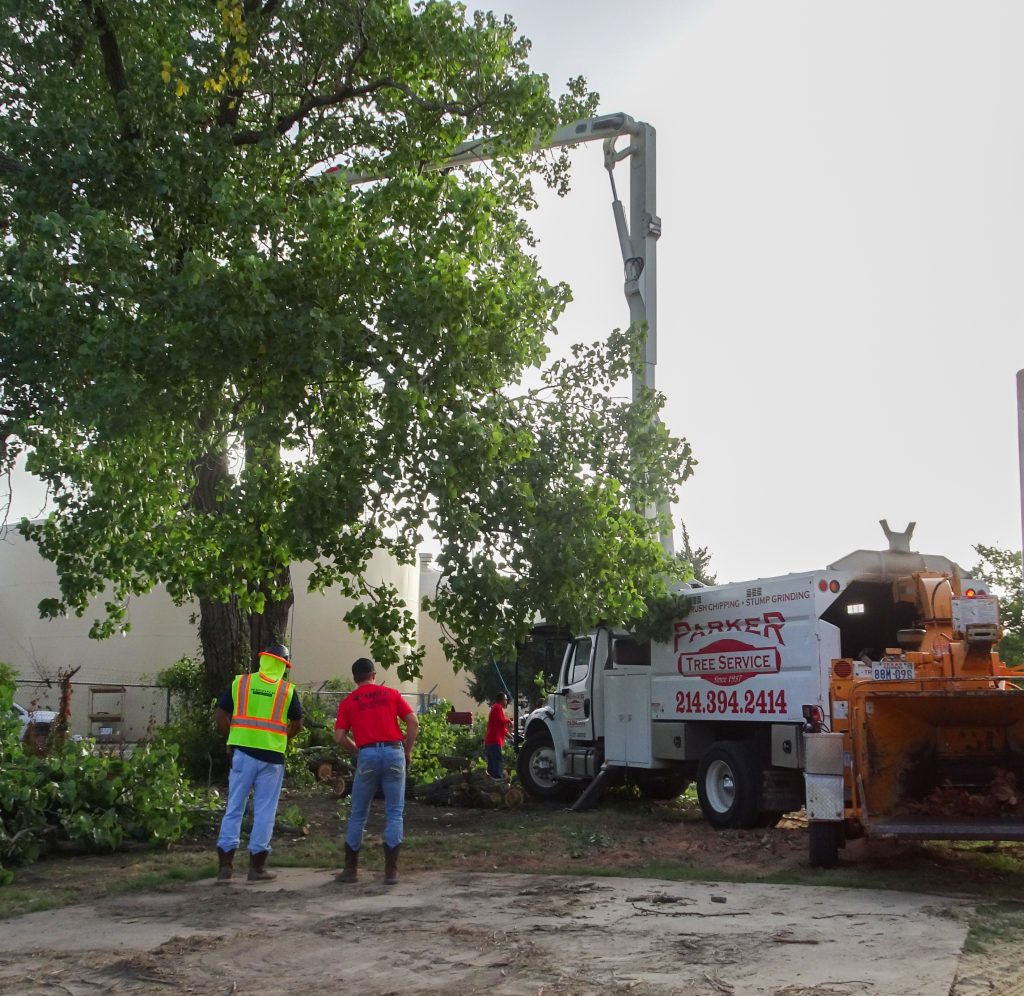
If your Dallas yard looks uneven, branches are crowding walkways, or you are noticing dead limbs and thinning canopies, the pruning plan matters. This guide explains how professional pruning improves structure, sunlight, airflow, and long-term tree health while keeping your landscaping tidy.
Last summer, a homeowner in Dallas noticed the same problem every time the wind kicked up: one side of their tree was getting heavier, branches were brushing the roofline, and the canopy looked lopsided. They also started seeing more leaf drop in the wrong places and wondered if it was “just how the tree grows” or a sign they should prune.
Tree pruning is not only about making the shape look better. Done correctly, it can reduce risk, support tree health, and help your landscape stay balanced across the whole property.
Below, you will find a clear, customer-friendly way to think about tree pruning, what to check first, common mistakes to avoid, and when to consider related services like tree removal service, stump grinding, or tree disease treatment.
Quick Answer
Tree pruning service focuses on removing the right branches for the right reasons: shaping for balance, thinning for airflow, and cutting back hazardous or dead wood. If a tree has crossing branches, dieback, or branches leaning toward structures, plan pruning sooner rather than later. In Dallas and the DFW suburbs, timing and proper technique matter because growth patterns and storm stress can change quickly. A practical next step is to have a professional tree pruning assessment that identifies what to prune now and what to leave for healthy branching. If you are dealing with a severe hazard, ask about tree removal service or other mitigation options.
What to Check First
Before you schedule tree pruning near me, do a quick walk-around. You are looking for signs that pruning can help your landscape balance and tree health, versus signs that call for a different approach.
1) Branch targets
Identify branches rubbing each other, hanging low over paths, or crowding fences, windows, and gutters. Those are usually good pruning candidates.
2) Structural clues
Look for split unions, large dead limbs, or growth that leans sharply. These can affect tree risk, especially during storms.
3) Health signals
Notice thinning leaves, patches of dieback, or unusual sap flow. If you suspect tree disease treatment, pruning alone may not solve the root issue.
If you are not sure whether the issue is pruning, pests, or disease, start with a tree inspection. Parker Tree Service can help you decide whether you need tree pruning, tree pest control, tree insect treatment, or a deeper plan like deep root fertilization for long-term tree health care.
Main Things Customers Should Understand
Professional tree trimming and tree pruning services should improve both appearance and the tree’s ability to function safely in your yard. Here are the core ideas that drive good results.
Professional observation: When a canopy looks “pretty” from one angle but feels uneven or heavy from another, the issue is often structure. Balanced branching comes from selective cuts, not from chopping everything back.
Pruning goals that support landscape balance
- Clearance pruning: reduce contact with roofs, power lines, and walkways while maintaining natural form.
- Thinning: open the canopy so light and airflow can reach inner branches.
- Deadwood removal: take out dead or compromised limbs that can fail under wind or ice.
- Crown reduction or shaping: reduce overextension without turning the tree into a flat “lollipop” shape.
How professionals choose cuts
Customers often ask for a “shorter” tree. What they usually need is a tree crown reduction that respects growth habits. The goal is to make cuts that encourage healthy branching patterns while keeping the tree’s natural structure. If you also see signs of tree borer control needs, webworms treatment concerns, or other insect activity, pruning may be paired with a broader tree mitigation plan.
When to pair pruning with other services
Pruning works best when it matches the underlying problem. Here are common pairings:
- Pruning, trimming, and reduction for shape, clearance, and canopy management.
- Stump grinding service if you are clearing space after removal or planning a new landscaping layout.
- Deep root fertilization when you want to support tree health care alongside pruning.
| Yard situation you notice | Most common next step | Why it helps |
|---|---|---|
| Low branches blocking walkways or touching structures | Professional tree trimming / pruning for clearance | Improves access and reduces damage points while preserving natural branching. |
| Uneven canopy with heavy side leaning toward the home | Tree crown thinning or crown reduction strategy | Balances the shape and lowers stress on specific limbs. |
| Dead limbs, cracking unions, or visible dieback | Pruning plus a tree health care assessment | Targets hazards and helps determine whether disease or pest control is involved. |
| You need space cleared for a new project | Lot clearing or brush clearing planning | Prepares the site and can reduce future maintenance headaches. |
| After a storm, branches are down or hanging dangerously | Emergency tree service planning | Addresses immediate risk and helps prevent further damage. |
Why This Matters in Dallas, TX
In Dallas, many residential lots have mature shade trees alongside homes, fences, and hardscaping that sit close to the canopy. During warm seasons, trees can grow quickly, and pruning needs can become more urgent if branches start brushing siding or gutters. In storm-heavy periods, uneven branching and deadwood can turn into a higher-risk situation, especially when wind pushes the heavier side of the crown.
That is why tree pruning service in the Dallas area often includes more than “making it look nice.” It is about balancing beautiful branching with practical clearance, airflow, and risk reduction for the way local yards are laid out.
Get a pruning plan that matches your tree and your landscape
If you want tree pruning services near me that focus on structure, clearance, and tree health care, Parker Tree Service can help you map the next steps for your Dallas property.
Call (214) 394-2414Common Mistakes to Avoid
Most homeowners do not intentionally harm their trees. The issue is usually that pruning is done without a plan, without understanding growth patterns, or without recognizing when a different problem is involved.
Firsthand-style observation: One of the most common scenarios I see is the “over-prune and wait” cycle. A tree gets cut back too aggressively, then it responds with fast, weak regrowth that crowds the same areas you were trying to fix. The canopy may look better for a short time, but the long-term structure can worsen.
- Cutting everything back to the same length: This can remove natural structure and lead to dense, fragile regrowth.
- Ignoring deadwood and dieback: Dead limbs and compromised areas do not “heal” by trimming around them. They need targeted removal and assessment.
- Pruning without considering tree disease treatment or pests: If you are dealing with tree insect treatment, wood borers treatment, or webworms treatment needs, pruning may be only part of the solution.
- Waiting until storm damage forces the decision: When branches are already stressed, pruning after the fact can be more limited. Proactive maintenance reduces surprises.
- Forgetting the rest of the yard: If you are clearing space for a new project, plan the sequence. For example, stump grinding and removal can matter if roots or stumps interfere with landscaping.
Customer Checklist
- Mark branches that touch the house, roofline, fences, or walkways.
- Note any dead limbs, cracks, or areas with thinning leaves or dieback.
- Check for signs of pests such as insect activity around bark or unusual openings.
- Take a few photos from the street and from each side of the yard for reference.
- Decide your priority: clearance, canopy balance, or long-term tree health care.
- If you recently had storm damage, keep safety first and ask about appropriate emergency tree service planning.
A representative scenario (Dallas yard)
Imagine a homeowner in the Dallas area with a mature shade tree whose canopy has grown unevenly over several seasons. One side is closer to the home, and branches are rubbing the gutter line. After a windy weekend, a few small limbs hang lower than before. The homeowner wants to restore balance without removing the whole tree.
A practical approach is often selective pruning: removing deadwood, thinning crowded areas, and performing a measured crown reduction strategy that keeps the tree’s natural form. If there are additional concerns such as dieback, insect activity, or wood borer control needs, the pruning plan can be paired with a broader tree health care evaluation. If the tree has become hazardous beyond what pruning can safely manage, the plan may shift toward emergency tree removal or related mitigation.
Frequently Asked Questions
How do I know whether I need tree pruning or tree removal?
You usually need pruning when the tree has removable deadwood, crowded branches, or clearance problems, and the overall structure still looks intact. Tree removal becomes more likely when a tree is hazardous beyond what careful pruning can address, such as severe structural failures, extensive decline, or extensive risk near the home. If you are unsure, start with a tree inspection and ask for a clear plan that explains what can be safely pruned and what needs a different solution. Parker Tree Service can help you compare options for your Dallas property.
Can pruning help with tree disease treatment or tree insect treatment?
Pruning can help by removing compromised branches and improving airflow, but it is not always the only step. If you suspect tree disease treatment, wood borer treatment, tree borer control needs, or tree pest control issues, pruning should be paired with a broader health plan. In practice, that might involve identifying symptoms during a tree survey and then recommending the next steps that fit what the tree is dealing with. A professional assessment prevents you from treating only the visible parts.
What is the difference between tree crown thinning and tree crown reduction?
Tree crown thinning focuses on removing selected branches to open up the canopy. This improves light penetration and airflow while maintaining much of the tree’s size and natural shape. Tree crown reduction reduces overall canopy size by selectively cutting back branches, typically to reduce overextension near structures. The best choice depends on your goals, such as clearance, landscape balance, or reducing stress on heavy limbs. A pruning plan can also combine both approaches when appropriate.
When should I schedule pruning in Dallas, TX?
Timing depends on what you are correcting and your tree’s condition. Many homeowners plan pruning to address clearance and canopy balance before problems get worse, and before storm season increases risk. If you notice deadwood, dieback, or branches already contacting structures, it is usually better to address it sooner rather than waiting. For storm-related issues, prioritize safety and consider emergency tree service planning. Parker Tree Service helps homeowners plan pruning that fits the tree and the property.
Do I need stump grinding after tree work?
Often, yes. If a tree is removed or if large limbs have been cut down to a stump, leaving the remaining stump can create ongoing maintenance challenges. Stump grinding service can help reduce the stump’s presence and support better landscaping results. If you are planning new planting or want improved yard usability, stump removal can matter as part of the overall project sequence. You can explore stump grinding and removal options with Parker Tree Service.
Need tree pruning services near Dallas?
For landscape balance, beautiful branching, and practical tree health care, Parker Tree Service serves Dallas, Plano, and DFW suburbs. If you are deciding between pruning, related tree work, or mitigation, call and we will help you understand the best next step.
Visit parkertreeservice.bizOr call (214) 394-2414.