
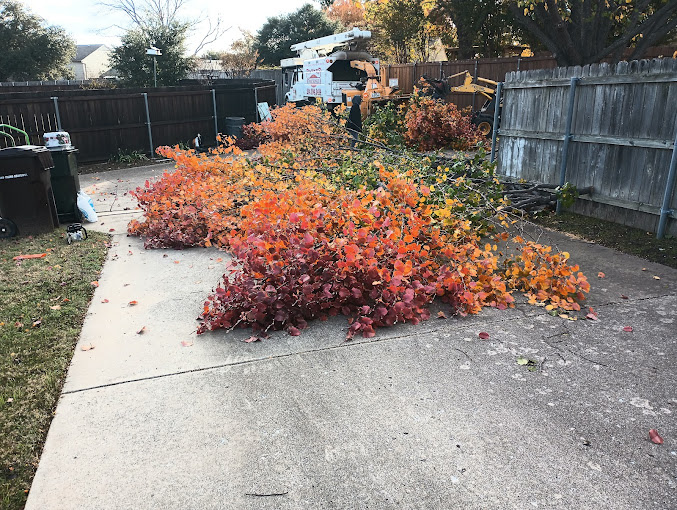
Emergency Tree Removal for Storm Debris, Quick Cleanup
After a storm hits near Dallas, TX, fallen limbs and damaged trees can block driveways, threaten fences and roofs, and create safety hazards. This guide helps you decide what to check first, how to reduce risk while you plan cleanup, and what to ask a professional tree service for when you need fast, careful mitigation.
Last week’s storm left your yard looking like a construction site. A heavy branch is down across the driveway, another tree is leaning toward the house, and you are not sure which parts are safe to move.
You might also be thinking about the aftermath: how long it will take to get everything cleared, whether there is hidden damage in the trunk or roots, and what to do first so the situation does not get worse.
This article walks you through a practical emergency tree removal and storm debris cleanup approach, with a homeowner-friendly checklist you can use right away. You will also see the common mistakes that turn “small cleanup” into bigger property damage.
Quick Answer
If a tree is down, hanging, or leaning into a structure, start by keeping people away and checking for immediate hazards like power lines, unstable trunks, or blocked exits. For storm damage tree service, professionals should inspect the tree’s stability before cutting anything, then remove fallen sections carefully and address the remaining stump and exposed roots. A practical next step: call a tree removal service that handles emergency tree removal services and storm cleanup, and ask them to evaluate the whole site (not just the visible debris) so you do not miss hidden risk.
What to Check First
When storm debris shows up, the right order matters. It is easy to focus on the biggest branch, but the main goal is to prevent a second incident while you plan cleanup.
Professional observation: If the trunk or crown is still under tension, “quick cuts” can shift the weight and cause the tree to move unexpectedly. That is why a proper emergency tree service starts with stability assessment before any removal.
Before you contact Parker Tree Service, take a safe look from a distance and note:
- Power line risk: If any branches are near lines or tangled around them, do not approach. Keep everyone back and wait for the proper utility response.
- Hanging or “partially down” limbs: Limbs can be suspended by other branches, and they may fall as soon as you touch them.
- Impact points: Look for contact with roofs, gutters, fences, retaining walls, sheds, or parked vehicles.
- Access hazards: Blocked driveways or downed branches can complicate later cleanup and create trip risks for kids and visitors.
- Soil disturbance: If roots have lifted, the ground may be unstable where you walk or park.
Safety first
Keep distance from anything leaning, hanging, or cracked. Avoid pulling limbs by hand.
Document the damage
From a safe spot, take a few photos showing the downed tree, where it landed, and any contact with structures.
Plan for full cleanup
Removal may include wood removal, lot clearing, and stump grinding to restore the usable space.
Main Things Customers Should Understand
Emergency tree removal after storm damage is not just about making the yard look better. Professionals use a sequence to reduce risk, protect structures, and prevent regrowth issues later.
1) Stability and rigging determine the safest removal method
After wind, a tree can look “mostly down” while still holding tension through the trunk, crown, or neighboring branches. A tree pruning service or tree removal service that handles emergency situations should evaluate whether the tree needs directional cutting and controlled lowering.
2) Storm damage can reveal hidden internal weakness
Broken limbs can leave splits in the trunk, and leaning trees may have root displacement. That is why emergency tree service work often overlaps with tree risk assessment and tree inspection, especially when the tree sits close to a home, driveway, or fence line.
3) Cleanup often includes more than the fallen parts
Once the visible debris is removed, you still may have:
- Stump left behind: It can interfere with mowing, landscaping, and future tree growth planning.
- Exposed roots: These can create trip hazards and uneven ground.
- Debris piles: Leaves, smaller branches, and wood pieces can keep areas messy and unsafe.
If you are dealing with a stump that needs to be removed or ground down after storm cleanup, this service page can help you plan the next step: stump grinding and removal.
4) Tree health care matters after a storm, even if a tree survives
Storm stress can make trees more vulnerable to pests and disease. In some cases, you may need a deeper look at tree disease treatment, tree pest control, or wood borer treatment, especially if you notice new holes, thinning crowns, or unusual dieback. Parker Tree Service can help connect storm-related damage to longer-term tree health care plans.
Practical recommendation: If you see signs of tree insect treatment needs after the storm, consider scheduling a tree inspection. Early diagnosis can help you avoid repeated emergency work later.
Why This Matters in Dallas, TX
In Dallas, TX and the surrounding DFW suburbs like Plano, storms can drop heavy limb loads quickly onto driveways, fences, and older landscaping. Many residential properties here have mature shade trees that create real shade and curb appeal, but those same larger crowns can catch wind and shed limbs when conditions turn.
One firsthand-style pattern we see during storm cleanup: customers often clear what is “right in front of the house” first, then discover the next day that additional branches are still under tension or that the stump area needs proper stump removal to restore safe foot traffic. A structured emergency tree removal plan helps you avoid that two-step cycle.
Decision table: what to do based on what you see
| What you notice after the storm | Likely issue | Most practical next step |
|---|---|---|
| Tree or limbs are hanging or leaning toward the house | Ongoing tension, possible trunk movement | Call an emergency tree removal service for stability assessment before cutting |
| Debris blocks driveway, walkway, or gate access | Site safety and access risk | Request storm debris cleanup and lot clearing as part of the removal plan |
| Trunk is down, but stump remains and roots are lifted | Trip hazard and uneven ground | Ask about stump grinding service and stump removal near your property |
| Tree survives but looks weakened or shows new dieback | Stress-related vulnerability to pests or disease | Consider tree surveys, tree disease treatment, or deep root fertilization as advised |
Need emergency tree removal for storm debris near Dallas, TX?
Tell us what fell, where it landed, and how close it is to structures. Parker Tree Service can help you plan the safest cleanup sequence, including storm damage tree service and follow-up steps like pruning or stump grinding.
Contact Parker Tree ServiceCommon Mistakes to Avoid
After storms, people often try to “fix it quickly.” These are a few mistakes that commonly lead to more damage or added cleanup costs.
- Pulling branches by hand: Tension can shift, and a limb can fall where you do not expect it.
- Cutting without checking stability: A trunk can be cracked internally even if it still stands.
- Ignoring damage to nearby structures: A branch may have scraped shingles, gutters, or fence posts that need attention after debris removal.
- Leaving stumps and exposed roots: They can create ongoing hazards and interfere with mowing, landscaping, and future tree care.
- Skipping follow-up tree health care: If you notice thinning, dieback, or signs of pests, a tree pruning service alone may not address the underlying issue.
Customer Checklist
Use this quick checklist to organize your next steps for emergency cleanup. It is designed for homeowners and property managers who want to move carefully and efficiently.
- Keep people and pets away from the downed tree area.
- Check for power line contact risk from a distance and wait for the proper utility response if needed.
- Identify where the debris landed: roof, fence, driveway, landscaping, or walkways.
- Take 3 to 5 photos showing the full scene and close-ups of damage points.
- Confirm access routes for equipment and cleanup staging (especially in the DFW suburbs).
- Ask whether the plan includes storm debris cleanup, fallen tree removal, and wood removal.
- Ask whether stump grinding service or stump removal is recommended after the main removal.
- If trees remain standing, ask about tree health care needs such as pruning or tree surveys.
Representative scenario: what a storm cleanup plan looks like
In a Dallas, TX neighborhood, a homeowner reports a large limb snapped during a wind event and jammed against a fence. The tree is not fully down, but it is visibly stressed and angled toward the property line. The cleanup plan starts with a stability check, then removes the load in controlled sections to avoid shifting debris. After the fence area is cleared, the team addresses the remaining stump area to restore safe footing and prevent the site from staying cluttered. If the tree shows additional stress, the follow-up plan includes a tree inspection and guidance on whether tree pruning services near me or other tree health care steps are needed.
Ready to get storm debris cleared safely?
If you need emergency tree removal for storm debris, Parker Tree Service serves Dallas, TX and the DFW suburbs including Plano. Call to discuss what fell and what it may be impacting on your property.
(214) 394-2414Frequently Asked Questions
How do I know if I should call for emergency tree removal or just cleanup?
If the tree is hanging, leaning toward a structure, or blocking a safe exit path, treat it as emergency cleanup. Even if the debris looks “manageable,” storm damage can leave tension in the trunk or branches that makes DIY removal risky. A professional tree removal service can assess stability and remove the debris in a controlled sequence, which is especially important when the tree is near roofs, fences, or driveways. If you are unsure, err on the side of safety and schedule an inspection.
Will storm debris cleanup include stump removal or stump grinding?
Often, yes. After fallen tree sections are removed, the remaining stump and exposed roots can keep the area unsafe or unusable. Many customers want the site restored for mowing, landscaping, and normal access. Parker Tree Service can coordinate stump grinding service and stump removal as part of the overall storm cleanup plan, depending on how the tree failed and what the property needs next.
Can a tree that survived the storm still need pruning or tree health care?
Yes. Storm stress can cause broken branches, weakened structure, or dieback that becomes more noticeable after the weather settles. Professional tree trimming can remove damaged limbs and reduce risk, while tree health care steps may be recommended if you notice signs of pests or disease. If you suspect ongoing issues, ask about tree surveys and an inspection so your plan addresses both visible damage and underlying concerns.
What should I ask a tree service for when my yard has storm damage?
Ask how they will handle stability before cutting, what areas they will clear first for safe access, and whether the plan includes wood removal, lot clearing, or brush clearing. If a stump remains, ask if stump grinding service is recommended. If trees are still standing but stressed, ask about tree inspection and whether pruning or tree health care steps like deep root fertilization could be appropriate. Clear questions help you avoid repeated trips and leftover hazards.
Do you also help with stump grinding and land clearing for storm-impacted properties?
Depending on the condition of the property, storm cleanup may involve more than removing a single fallen tree. Many homeowners need lot clearing, brush clearing, or land clearing to restore usability after debris piles and downed limbs. After the main removal, stump grinding service and stump removal can help reduce trip hazards and improve the look and function of the yard. If you want a targeted approach, you can also review the service options on Parker Tree Service’s tree removal and emergency tree removal services pages.