
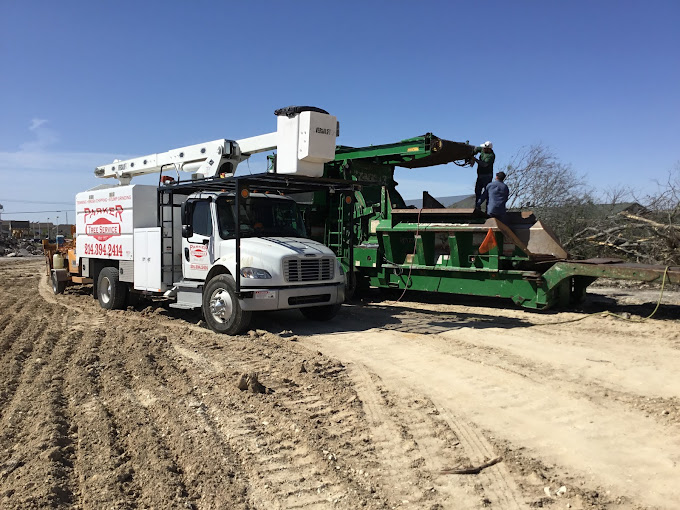
Stump Grinding for Garden Beds, Smooth Planting Base
If you removed a tree and now you want a clean, level space for new landscaping, stump grinding is the step that helps you avoid bumpy beds, tripping hazards, and uneven soil preparation. This guide explains what to check first, the key factors that affect results, and how to plan the grinding and soil conditioning so your garden beds are ready to plant around Dallas, TX.
Last summer, you had a tree taken out in Dallas, TX. Now you are ready to refresh the front yard, build a garden bed, and drop in fresh soil. The problem is the stump area still feels “higher” than the rest of the landscape, and when you rake or spread topsoil, everything ends up uneven.
You may also notice new shoots trying to push up from the old root system. That is usually your cue that the stump and remaining roots need proper grinding and cleanup before you plant.
This guide will help you understand how stump grinding works for garden beds, what decisions matter most for a smooth planting base, and what to avoid so you do not end up redoing the work after the bed is already built.
Quick Answer
For garden beds, stump grinding should be planned around how level you want the planting base to be and whether you are trying to prevent regrowth. After the tree removal, remove the stump wood down to a depth that supports a stable soil layer, then clear loose debris so you can spread soil evenly. If you see new shoots, heavy root remnants, or you are building a bed near existing plants, it is usually best to have a professional grind and assess the root area first. Parker Tree Service can help you plan the right next steps for your yard in Dallas, TX.
What to Check First
Before grinding starts, take a few minutes to look at your site. These checks help you pick the right approach and avoid surprises when you build the bed.
Bed height and grade
Decide how you want the bed to sit relative to the surrounding lawn. A smooth planting base usually requires grinding high enough to remove the “lip,” but not so shallow that roots remain troublesome under the soil.
Proximity to landscaping
Note nearby shrubs, edging, sprinkler lines, or hardscape. Grinding is most effective when the area is cleared and protected so the bed can be rebuilt cleanly.
Signs of regrowth
If shoots are appearing, the stump and root area may still be active. That usually changes how thoroughly the grinding and follow-up cleanup should be addressed.
If your stump is part of a larger tree removal project, you may also want to review your plan for the remaining tree work. For example, you can pair bed prep with stump grinding and removal so the yard is handled as one coordinated job instead of piecemeal.
Main Things Customers Should Understand
Stump grinding is not just “making it smaller.” For garden beds, the goal is a stable, even surface that lets you spread soil and plant without leaving voids or unexpected bumps.
Professional observation: A smooth planting base depends on how the stump is ground and how the leftover wood and debris are cleared. If the area is left with chunky material or uneven pockets, your soil layer can settle unevenly after watering and rain, which creates dips in the bed.
1) Grinding depth versus “leveling”
Garden beds typically need the stump wood reduced enough that topsoil can sit flat. However, depth choices can affect how quickly you can plant and how stable the base stays over time. A careful assessment of the stump size and root structure helps you avoid either shallow grinding (which can leave active remnants) or over-aggressive removal near sensitive areas.
2) Root remnants and regrowth pressure
Stumps can send out new growth from remaining root tissue. If you are seeing sprouts, it is a sign that simply smoothing the surface may not be enough. In that case, you want the grinding and cleanup focused on the root area under the soil layer, not just the visible top.
3) Debris management before you add soil
When grinding produces mulch-like wood chips, you still need to clear what will interfere with your soil build. Some wood fragments can create “soft spots” or voids. Your bed materials should be able to compact evenly so your plants sit at a consistent depth.
4) Soil conditioning after stump grinding
Once the stump area is ground and cleaned, soil conditioning matters. If you plan to refresh the bed with new soil, you want a consistent base layer so water soaks evenly. If the tree removal was part of a broader yard transition, you may also consider deep root fertilization for the surrounding trees and landscape health as you rework the property.
Decision tip: If your goal is a clean bed edge and consistent planting depth, ask about the plan for cleanup and surface prep right after grinding. That is often the difference between “looks good today” and “stays even after the first rainy cycle.”
Why This Matters in Dallas, TX
In Dallas, TX and the DFW suburbs like Plano, yards often include established foundation landscaping, mature trees, and irrigation systems that are already set to a specific grade. When a stump is left uneven, the bed can settle differently than the rest of the landscape once watering starts. That is especially noticeable along walkways, driveway edges, and raised bed borders where people expect a crisp line.
Another local factor is seasonal timing. Texas weather swings can speed up regrowth and change how quickly soil compacts. Grinding and cleanup that prepare the bed for consistent soil layering help your new plants establish more evenly across the whole garden area.
If your tree work is also tied to hazard cleanup, you may need to coordinate with other services. For example, if storm damage created the situation, you can review emergency tree removal services so the property is made safe before bed work begins.
| Situation | Best priority for garden beds | What to ask during planning |
|---|---|---|
| Small stump in an open bed | Surface leveling and cleanup | How will the area be cleared so soil spreads evenly? |
| Large stump near shrubs | Controlled grinding around landscaping | How will nearby plants and edges be protected? |
| Shoots already appear | Root-area focus, not just surface | What level of grinding is needed to reduce regrowth pressure? |
| Stump left from a tree removal project | Coordinated cleanup and bed rebuild | How will you prep the stump area for new soil and planting? |
Ready to prep your garden bed?
Get a stump grinding plan for a smooth planting base
Tell Parker Tree Service what you are building in your Dallas, TX yard and what is going on with the stump area. We can help you map the grinding and cleanup steps so your new bed starts level and ready for planting.
Contact Parker Tree ServiceOr call: (214) 394-2414
Common Mistakes to Avoid
Most garden bed problems start at the stump prep stage. Here are a few common mistakes homeowners run into around Dallas, TX.
- Grinding only the visible stump: If you do not address the root area under the soil layer, you can still get uneven settling and regrowth.
- Skipping cleanup before adding soil: Wood fragments and debris can create voids. Even if the bed looks fine at first, watering can cause the base to settle.
- Building the bed too soon: If you add soil before the stump area is properly ground and cleared, you may end up re-leveling after the first rainfall cycle.
- Ignoring nearby tree and landscape health: If the tree removal is part of a broader tree care plan, you may want pruning and trimming or other maintenance work so the rest of the yard is set up for healthy growth as you replant.
- Focusing on appearance, not stability: A smooth surface matters, but stability and even planting depth matter more for long-term results.
Representative scenario: what a cleanup looks like
A homeowner in Dallas, TX removes a dead tree near the front walk and plans a new garden bed along the driveway. After the tree is taken down, the stump is still high enough to make the bed edge look uneven. The next step is stump grinding with a focus on reducing the stump to a level base and clearing the remaining wood debris so the soil can be spread evenly. Once the area is prepped, the homeowner can add soil and plant without dealing with dips or “soft” spots where loose fragments were left behind.
Customer Checklist
- Confirm where the new garden bed will sit relative to existing lawn and hardscape edges.
- Check for shoots or regrowth around the stump so the root-area cleanup is addressed.
- Make a note of nearby shrubs, edging, or irrigation so the grinding area can be protected.
- Ask how the area will be cleared after grinding to support even soil spreading.
- Plan your soil build for consistency so the bed base compacts evenly.
- If other tree work is part of the project, coordinate timing with pruning or related services.
Frequently Asked Questions
Will stump grinding make my garden bed fully level?
Stump grinding is designed to reduce the stump wood so you can create a flatter planting base. For the smoothest results, the area typically needs both proper grinding and cleanup, so debris does not leave uneven pockets. After grinding, you will still want to spread and build your soil consistently across the whole bed. If the stump is large or near existing landscape features, the plan may include careful control around surrounding plants and edges so the final bed looks even and stays stable.
What should I do if I see new shoots coming up?
New shoots are a sign that stump remnants and root tissue may still be active. In that case, it is usually better to treat the problem as a root-area issue, not just a surface appearance issue. A professional stump grinding approach can focus on reducing the remaining wood where it matters under the soil layer. After grinding, keep an eye on the area during the next season and make sure the bed base is built on a cleaned, stable surface so you are not planting over uneven fragments.
How does stump grinding affect planting and soil conditioning?
Once the stump area is ground and cleared, you can build your soil layer more evenly. This is where soil conditioning comes in. A consistent base helps water soak at a more uniform rate and reduces the chance of localized settling that can change planting depth. If you are also refreshing nearby trees or landscape health, coordinating the timing with other tree care steps can help your yard look cohesive as the new bed establishes.
Can stump grinding be part of a larger tree service project?
Yes. Many yards in Dallas, TX end up needing more than one step after a tree is removed, such as cleanup, stump prep, and follow-up tree maintenance. If you are dealing with storm damage, you may also need a safety-focused approach first. If you are rebuilding landscaping, pairing stump grinding with related tree trimming or removal planning can help you keep the project organized and reduce the chances of returning for additional prep work later.
Is stump grinding the same as stump removal?
They are related but not identical. Stump grinding focuses on reducing the stump into smaller pieces so you can create a workable planting base. Stump removal generally refers to removing the stump and root material more completely from the property. For garden beds, stump grinding is often the practical choice because it helps you reach a level surface for soil and planting. The right option depends on stump size, root behavior, and how you plan to rebuild the bed around it.
Make your bed prep feel finished
Contact Parker Tree Service for stump grinding in Dallas, TX
If you want your garden bed to start level and ready for planting, stump grinding and proper cleanup are the foundation. Parker Tree Service serves Dallas, TX and nearby areas including Plano and DFW suburbs, helping homeowners prepare landscape spaces after tree removal.
Explore stump grinding and removalPhone: (214) 394-2414