
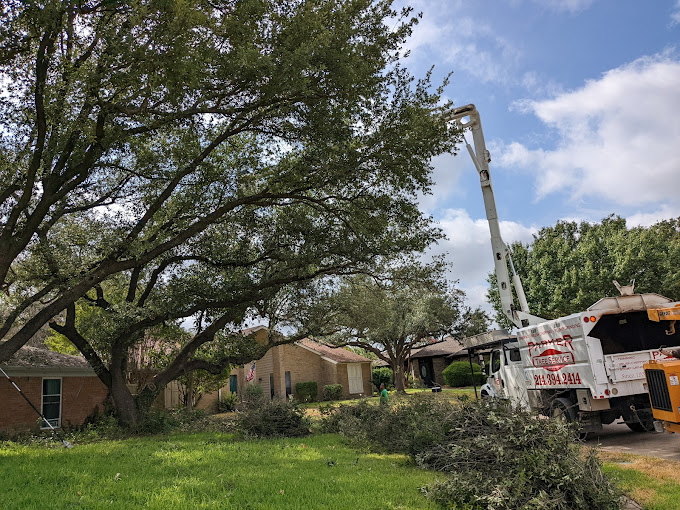
How Often Should You Schedule Tree Pruning?
If you have trees shading your Dallas, TX property, you have probably asked yourself how to keep them looking good without overdoing it. This guide explains a practical pruning schedule, what to watch for between visits, and when to switch from routine trimming to risk-focused tree care.
One afternoon you notice it: a branch rubbing your roofline, crowded limbs blocking light, or a tree that looks thicker than it did last year. In Dallas, TX, storms can also make the “we’ll handle it later” problem show up sooner, with limbs cracking and new growth shifting the canopy.
You want the benefits of professional tree pruning services near you, but you do not want to prune too often or at the wrong time. Below, you will learn how to build a schedule around your tree’s health, your property needs, and seasonal conditions around Plano, Dallas and the DFW suburbs.
- Quick Answer
- What to Check First
- Main Things Customers Should Understand
- Why This Matters in Dallas, TX
- Common Mistakes to Avoid
- Customer Checklist
- Frequently Asked Questions

Quick Answer
For most residential trees, a common rule of thumb is to schedule tree pruning about once every 1 to 3 years. If your tree is growing into power lines, has dead or damaged wood, or you are managing spacing around structures, you may need more frequent professional tree trimming. If you are mainly maintaining shape and light, you can often space pruning farther apart. A practical next step is to have a professional tree pruning service evaluate your canopy and tree health care needs, then set a schedule based on what the tree is doing right now.
What to Check First
Before you pick a date on the calendar, take a quick look at your trees and note what actually needs attention. Start with obvious hazards like dead branches, cracked limbs, and branches that rub siding, gutters, or roof edges. Next, check for early signs of stress such as thinning leaves, dieback at branch tips, or unusual clustering of growth. If you see insect activity or wood-boring patterns, pruning frequency may shift because tree disease treatment and tree pest control often need to be addressed as part of the plan.
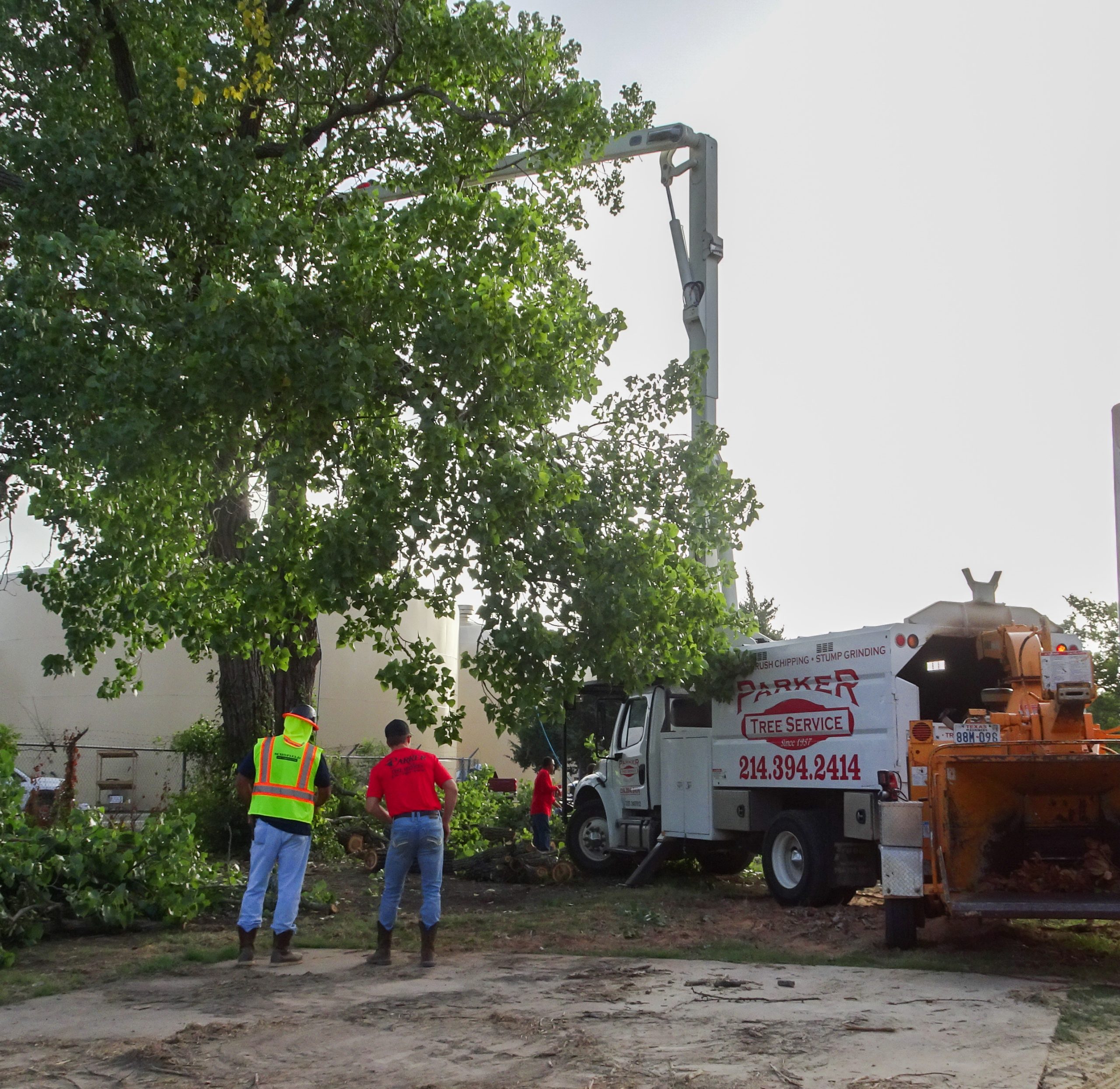
Structure and clearance
Look for branches crossing walkways, blocking windows, or pushing into structures so you can plan trimming before it becomes a hazard.
Tree health signals
Watch for thinning, dieback, and weak branch unions that can fail under wind or storms.
Insect and pest clues
If you notice bore holes, frass, or persistent spotting, you may need tree insect treatment or wood borer control alongside pruning.
Main Things Customers Should Understand
Pruning is not just about making a tree look neat. The right frequency depends on how the tree grows, how much clearance it needs, and whether you are managing risk or health issues. A local arborist in Dallas will typically adjust timing based on your goals: routine maintenance, storm damage tree service follow-up, or longer-term mitigation for tree risk assessment.
Professional observation: In many yards, customers schedule pruning because the tree “looks busy.” The best pruning schedule is usually driven by what the tree is doing structurally and biologically, not by how crowded the canopy looks from the street.
| Situation you notice | What it often means | How it can affect pruning timing |
|---|---|---|
| Dead or broken limbs | Potential hazard and wasted canopy space | Plan sooner than routine maintenance and focus on removal of unsafe wood |
| Branches growing into rooflines or gutters | Clearance needs and abrasion points | May require more frequent pruning to maintain safe distance |
| Thinning leaves or dieback | Stress, disease, or root and soil conditioning issues | Schedule based on health care first, then use pruning to support recovery |
| Wood-borer activity or recurring pest signs | Tree insect treatment may be needed | Pruning may be paired with wood borers treatment or pest control steps |
| After storm impacts | New structural stresses and broken unions | Prune selectively as part of storm mitigation and safe cleanup |
Why This Matters in Dallas, TX
In Dallas, TX and the DFW suburbs, pruning decisions often come down to timing and tree stress. Rapid growth periods can make a canopy expand quickly, while seasonal swings and storm events can expose weak branch structure. If you wait too long, you may end up needing more aggressive cuts to correct clearance or address dead tree removal needs. Planning ahead with a tree service near me approach helps you keep your trees healthy and your property safer, especially when trees are close to homes, driveways, fences, and commercial buildings.
Get a pruning plan that fits your trees
If you are deciding when to schedule pruning, Parker Tree Service can help you map out what to do now versus what can wait, based on tree health care and clearance needs around Dallas, TX.
Contact Parker Tree ServiceCommon Mistakes to Avoid
Many homeowners and property managers schedule pruning too frequently, too aggressively, or without addressing the real cause of the problem. Over-pruning can stress a tree, remove the wrong branches, and create regrowth that is weaker. Another common issue is ignoring dead wood until it becomes a hazard, then treating it as a cosmetic job instead of a risk-focused task. Finally, some people confuse trimming with tree disease treatment and tree pest control, when the tree actually needs targeted wood borer control or tree insect treatment steps.
- Pruning on a strict calendar without checking for deadwood, stress signals, or clearance changes.
- Removing too much at once and forcing the tree to regrow in a way that can be less stable.
- Cutting without considering structure and leaving weak unions or hazardous branch angles.
- Ignoring pest or disease clues and relying on trimming alone.
- Waiting after storm damage until limbs loosen further or additional branches fail.
Customer Checklist
Use this checklist to decide whether you need routine tree pruning, targeted tree trimming, or a different kind of tree care plan. It is designed for homeowners, commercial property managers, and anyone maintaining trees in Dallas, TX and nearby areas like Plano.
- Identify branches that touch or rub the home, fence, driveway, or roofline.
- Look for dead, cracked, or hanging limbs that could fail under wind.
- Check for thinning leaves, dieback, or unusual growth patterns.
- Inspect the trunk and larger limbs for signs of pests or wood borers.
- After storms, note any new cracks or shifts in branch angles.
- Decide your goal: light improvement, clearance, shape control, or risk reduction.
- Schedule a tree inspection before you prune, so the plan matches the tree’s needs.
Representative Scenario
A homeowner in Dallas, TX notices that the canopy over their front walkway has gotten thicker and a few branches now brush the gutter during windy days. They also spot small openings near a lower limb and some leaf thinning near the branch tips. Instead of doing random cuts, they request a tree consultation and tree inspection. The plan focuses on removing unsafe wood, improving structure and clearance, and addressing the underlying pest or stress clues so the tree does not just regrow into the same problem area.
Frequently Asked Questions
How often should I schedule tree pruning for trees near my house?
For trees near homes in Dallas, TX, many properties benefit from pruning about every 1 to 3 years, but the schedule changes based on clearance needs. If branches are approaching the roofline, gutters, windows, or walkways, you may need professional tree trimming more often to maintain safe distance. If your trees show deadwood, dieback, or pest clues, your timing may shift toward risk reduction and tree health care first. A tree surveys or tree inspection can help you set a realistic plan instead of guessing.
Is pruning the same as tree removal service?
No. Tree pruning is maintenance and risk reduction for living trees, focused on removing selected branches, improving structure, and managing canopy growth. Tree removal service is typically for trees that are hazardous, dead, or in poor condition where pruning cannot solve the problem safely. If you are dealing with dead tree removal or hazardous tree removal concerns, it helps to have a professional tree risk assessment so you know which option fits your situation.
What signs mean I should not wait to prune?
Do not wait if you see dead or broken branches, limbs hanging at odd angles, or active rubbing that can damage siding or roofing. After storms, any new cracks, loose unions, or shifted canopy structure is a strong sign to schedule a check. Thinning leaves and dieback can also indicate stress that needs attention. If you see signs of wood borers treatment or wood borer control needs, pruning should be coordinated with tree insect treatment and overall tree health care so you are not just trimming symptoms.
Can pruning help with tree disease treatment or tree pest control?
Pruning can support recovery by removing unsafe or diseased wood, improving airflow, and reducing stress points. However, it is not a substitute for tree disease treatment or tree pest control when pests or pathogens are the core issue. In practice, a professional tree service plan may combine selective pruning with targeted steps such as tree fertilization service considerations, deep root fertilization, or wood borer control strategies. Parker Tree Service can help you connect the dots between what you see and what the tree actually needs.
Do you also handle storm-damaged branches and cleanup?
Yes. Storm damage tree service often includes removing fallen tree removal hazards, clearing broken limbs, and restoring safe clearance. If you are dealing with branches that are hanging, cracked, or blocking access, it is best to get a professional assessment before attempting DIY cuts. For emergencies related to fallen or hazardous limbs, you can review emergency tree removal services provided by Parker Tree Service.
Ready to set the right pruning schedule?
Whether you need tree pruning services near me guidance, professional tree trimming, or help deciding between pruning and removal, Parker Tree Service provides practical, property-focused tree care for Dallas, TX.
(214) 394-2414
Parker Tree Service
Parker Tree Service is a Dallas, TX tree service team focused on tree health care, professional tree trimming, and smart maintenance planning for residential and commercial properties across Dallas and the DFW suburbs. From pruning and risk reduction to stump grinding and deep root fertilization, our goal is to help your trees stay safer, healthier, and better suited to your property.
Helpful services you may also need: tree pruning, trimming, and reduction, stump grinding service, deep root fertilization.