
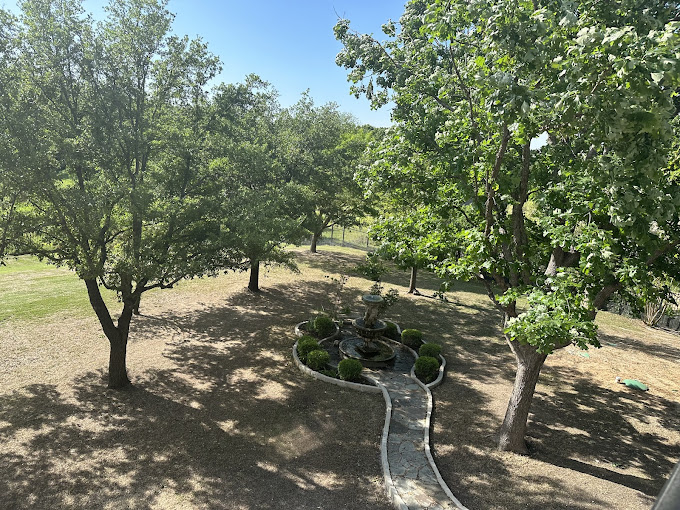
If you are staring at a leaning tree, a dead top, or storm damage on your Dallas, TX property, you need a plan that protects people, structures, and landscaping. This guide explains what to check, how professional crews approach the work, and what “done right” looks like from assessment through cleanup.
Last week, a branch cracked during a wind gust and now you see new splits along the trunk. The tree is still standing, but it looks “off,” and you are not sure whether it is safer to wait or remove it before it gets worse.
Homeowners and property managers in Dallas, TX often face the same dilemma: keep the tree and risk additional damage, or remove it and worry about the mess, stump issues, and how the work will affect fences, driveways, and nearby plants. This guide helps you understand the decision process and what to expect from a proper tree removal service, including assessment, rigging considerations, and haul-off cleanup.
By the end, you will have a practical checklist you can use before work starts, plus clear questions to ask so you get safe, methodical results.
Quick Answer
If a tree is leaning, has large dead branches, shows trunk splitting, or has storm damage that changed its stability, treat it as a risk and schedule a professional tree removal service assessment. A good crew will inspect the trunk and root zone, look for signs of decay or insect activity, plan the safest felling or sectional removal method, and handle cleanup so you are not left with debris. For Dallas, TX properties, start with a site walkthrough and ask whether stump grinding is needed afterward.
What to Check First
Before calling for tree removal near me, you can gather a few details that help the crew plan the right approach.
1) Stability clues
Note leaning, cracking sounds, crown dieback (dead top), and soil heaving near the base. If the tree has moved since a storm, that is a strong indicator it needs evaluation.
2) Proximity to property
Make mental notes of fences, rooflines, power lines, driveways, sheds, and landscaping beds. The safest plan depends on where the tree can fall or be cut into sections.
3) What is happening in the canopy
Look for webbing, unusual holes, heavy deadwood, and clusters of dying branches. Those observations can guide whether the next step is removal, tree pruning, or tree disease treatment.
When you are unsure, focus on safety. Avoid climbing ladders, pulling on branches, or trying to “test” the tree. Instead, ask for a proper tree risk assessment and a plan for removal and cleanup.
Professional observation: A lot of trouble starts at the base. If you see root disturbance, gaps near the trunk, or ongoing cracking, it changes how a crew rigs and removes the tree.
Main Things Customers Should Understand
“Tree removal” can mean very different jobs, from removing a small dead tree to managing a complex, near-structure removal. Here are the core steps that separate a rushed job from a careful one.
Assessment and site planning
A careful crew begins with a site walkthrough: the direction of lean, the condition of the trunk and major limbs, and what needs to be protected. If you suspect tree pest control issues like wood borers or webbing, the assessment will factor that into how the crew works around weakened sections.
Removal method: felling vs. sectional removal
Depending on access and where the tree sits, removal may be done by controlled sectional cuts. This approach often helps protect fences, shrubs, and nearby structures, especially when the tree cannot fall freely.
Storm-damage context in Dallas, TX
After storms, trees can look “mostly fine” while their internal structure changes. Splits, missing limbs, and crown imbalance can create a delayed risk, which is why a fresh inspection matters even if the trunk still stands.
Stump and cleanup (what “haul-off” should include)
When the tree is down, the job is not finished. You should expect debris removal and a clear plan for the stump. If you are planning to re-landscape, mow normally, or clear the lot, discuss whether you need stump grinding service as part of the work.
Practical recommendation: If you are seeing deadwood or signs of decline, ask whether tree pruning services near me could reduce risk first, or whether the tree should be removed. A good contractor will explain the safer option for your specific tree condition.
| Situation you might notice | Most likely next step | What to ask during your assessment |
|---|---|---|
| Dead top, lots of dead branches, or major crown dieback | Tree removal service or targeted pruning depending on stability | “Is the trunk sound, and is the risk mainly in the canopy?” |
| Leaning tree, trunk cracks, or root-zone soil disturbance | Tree removal with a controlled plan | “How will you prevent shifting during removal?” |
| Storm damage with broken limbs or imbalanced crown | Storm damage mitigation assessment first, then removal if needed | “Does the damage change stability, even if the tree still stands?” |
| Stubby sprouts and decay around the base | Removal followed by stump grinding and soil conditioning | “Will stump grinding help with replanting or lot clearing?” |
Why this matters in Dallas, TX
Dallas, TX properties often include a mix of mature residential trees and older landscaping established before many fences, driveways, and additions were built. In the DFW suburbs like Plano, access can be tight, and the safest removal plan has to protect what is already there. That is why the crew’s planning and cleanup matter just as much as the cutting itself.
One firsthand-style industry observation we see often: the “after” photos customers expect are not just about the tree being gone. The best crews leave the work area ready for mowing, landscaping, and normal use, which includes proper debris management and addressing the stump so it does not become a long-term nuisance.
If you are dealing with urgency due to fallen limbs or storm-related instability, review emergency tree removal services to understand how crews approach high-risk situations.
Need a tree removal plan for your Dallas, TX property?
Contact Parker Tree Service to discuss your tree’s condition and the safest removal approach, including cleanup and stump options.
Call Parker Tree ServiceCommon Mistakes to Avoid
Even careful homeowners can make choices that increase risk or create extra cleanup later. Here are the most common missteps we see around tree removal near me jobs.
- Waiting too long after storm damage: A tree that looks stable can still have compromised strength after broken limbs.
- Assuming dead branches mean “just pruning”: Sometimes the canopy is only the visible part of the problem.
- Trying to DIY the cut: Cutting without a removal plan can cause uncontrolled shifting toward fences, structures, or people.
- Ignoring stump and root impacts: If you plan lot clearing or re-landscaping, discuss stump grinding removal early.
- Skipping the site assessment: A real plan accounts for access, protected areas, and how debris will be handled.
Customer Checklist
Use this quick checklist before work begins. It keeps the conversation practical and helps ensure you get the process you need from assessment to haul-off.
- Walk the site and point out the tree’s lean, cracks, deadwood, or recent storm changes.
- Clarify what you want protected: fences, roofs, walkways, landscaping beds, and nearby structures.
- Ask for a plan for removal method (felling vs. sectional removal) based on your property layout.
- Confirm debris handling and what “haul-off” includes after the tree is removed.
- Discuss the stump next step: whether stump grinding service or stump removal is included or separate.
- If you notice signs of insects or decline, ask about tree insect treatment, wood borers treatment, and whether further tree health care is appropriate.
- If roots are a concern, ask about tree root care and whether mitigation steps are needed for your goals.
Representative scenario: a storm-split tree near a driveway
After a windy afternoon in Dallas, TX, a homeowner noticed a large limb break and a new crack running down part of the trunk. The tree still stood, but the canopy looked uneven and the ground near the base showed slight disturbance. Parker Tree Service would start by inspecting the trunk and root zone for stability changes, then plan a controlled sectional removal to keep debris away from the driveway and surrounding landscaping. Once the tree is down, the crew manages cleanup and discusses stump grinding so the homeowner can restore normal use of the yard.
Frequently Asked Questions
How do I know if my tree needs removal or just tree pruning?
Pruning can help when the problem is mostly in the canopy, like isolated dead branches or overgrowth that can be safely reduced. Removal is more likely when the trunk is compromised, the tree is leaning, or there are signs of structural weakness near the base. During a tree risk assessment, a crew will check stability and the condition of major limbs, not just the visible deadwood.
What should I expect during a tree removal job in Dallas, TX?
You should expect an initial inspection, a removal plan that accounts for where the tree can be cut or lowered, and careful protection of nearby property. After the tree is taken down, the work should include debris management and haul-off cleanup. If you also need stump work, the contractor should explain whether stump grinding or stump removal is part of the scope.
When do I need emergency tree removal or emergency tree service?
Consider emergency-level attention when the tree or branches pose an immediate hazard, such as a hanging limb, a tree that has shifted after a storm, or fallen branches blocking safe access. If you are worried about sudden failure, it is safer to request an urgent assessment rather than waiting. For Dallas, TX homeowners, you can review emergency tree removal services to understand the typical approach to high-risk situations.
Can stump grinding help if I want to clear the lot or re-landscape?
Yes. Stump grinding can make it easier to mow and re-landscape because it reduces the remaining stump height and helps address the obstacle during cleanup. If your goal includes lot clearing or brush clearing, it is also worth discussing how the stump plan fits into the overall site work. If you want to review options, see stump grinding removal.
What if I suspect tree pests or wood borers?
Signs like holes, unusual webbing, or rapid dieback can suggest an insect or disease problem. A professional assessment helps determine whether the tree can be managed through tree disease treatment, wood borer treatment, or other tree pest control steps, or whether removal is safer. If you are focused on strengthening tree health, you can also explore deep root fertilization after the main risk is addressed.
Ready to remove the risk and clean up your property?
Call Parker Tree Service for tree removal planning in Dallas, TX and surrounding DFW suburbs.
(214) 394-2414Prefer browsing services? Visit tree removal or review tree pruning and trimming.