
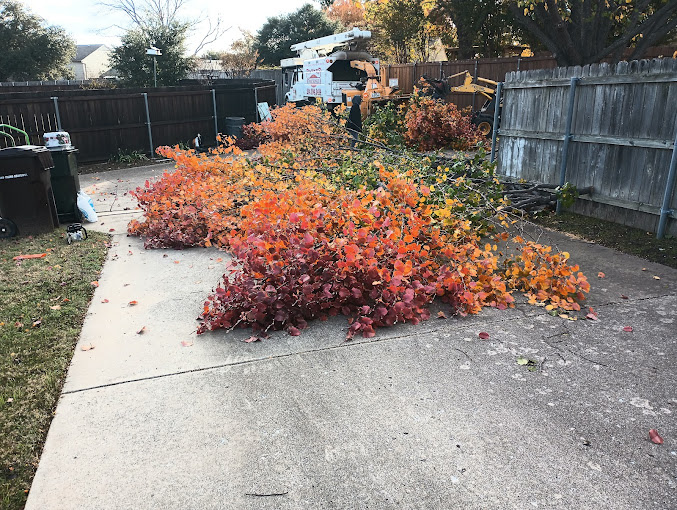
Tree Service for Trimming, Pruning, and Removal Needs
On a typical spring afternoon in Plano, a strong thunderstorm can roll in with almost no warning. One minute your parking lot or front lawn looks perfect; the next, a large limb is hanging precariously over cars, sidewalks, and entryways. Property managers across Collin County know how quickly a healthy-looking tree can become a safety hazard—and how costly that can be in terms of liability, lost business, and repairs.
City data shows Plano has invested heavily in its urban canopy, and with thousands of mature trees across commercial and residential properties, proactive care isn’t just cosmetic—it’s risk management. Poorly maintained trees are a leading contributor to storm damage claims and emergency calls after high winds and heavy rain.
This guide explains how strategic trimming, pruning, and removal—supported by certified arborist care—protects your property, your budget, and your reputation. You’ll learn how to spot risks early, the difference between aesthetic cuts and structural pruning, when removal is the safest choice, and how to partner with a professional tree service to keep your Plano property safe, attractive, and compliant.
Key Insight: Thoughtful, professional tree care is far less expensive than storm damage, lawsuits, or emergency removals—and it dramatically extends the life and safety of your trees.
Why Professional Trimming and Pruning Matter More Than You Think
Most people see tree trimming as a cosmetic task, but for commercial and residential properties in Plano, it’s a critical part of safety and infrastructure management. Proper pruning shapes the tree, yes—but more importantly, it manages weight distribution, wind flow, and structural strength.
Certified arborists follow ANSI A300 pruning standards, which outline how, where, and why to make cuts that support long-term health. Random or “topping” cuts can actually weaken trees, increase decay, and create future hazards.
A local example: A Plano HOA hired Parker Tree Service to address several large live oaks shading a community pool. The trees looked healthy, but heavy, low limbs were blocking visibility and encroaching over the fence line. Using a Tree Trimming approach focused on crown thinning and structural pruning, our team:
- Reduced weight on overextended limbs
- Raised canopy clearance for pedestrians and sightlines
- Improved air flow through the crown to reduce wind resistance
- Removed crossing and rubbing branches that could lead to decay
After one season, the HOA reported fewer leaf litter issues in the pool, better lighting and security visibility, and no limb failures in subsequent storms.
“Good pruning is about what you leave on the tree, not what you take off.” — ISA Certified Arborist
Strategic Pruning: Health, Safety, and Long-Term Tree Structure
Effective Tree Pruning is more than cutting back growth—it’s a long-term strategy. In Plano’s climate, with hot summers, occasional ice, and frequent wind, trees face unique stresses. Structural pruning at the right time can prevent failures years down the road.
Key goals of professional pruning:
- Remove weak or diseased wood before it spreads
- Establish a strong central leader in younger trees
- Manage clearances from buildings, lights, and signage
- Improve airflow and light penetration to reduce fungal issues
We worked with a Plano medical office whose parking lot trees were dropping deadwood onto vehicles. A quick “trim” might have removed visible hazards, but a full structural assessment revealed co-dominant stems with included bark—classic failure points during storms. Our pruning plan:
- Reduced competing leaders with selective cuts
- Installed cabling on one high-value tree for added support
- Removed interior deadwood and weak attachments
The result: healthier canopies, reduced liability, and a much more professional curb appeal for patients and staff.
Here’s how thoughtful pruning compares to quick, non-professional cutting:
| Approach | Non-Professional Cutting | Professional Structural Pruning |
|---|---|---|
| Objective | Short-term clearance | Long-term health, safety, and form |
| Techniques | Random cuts, topping, over-thinning | ANSI A300 standards, targeted cuts |
| Impact on Tree Health | Stress, decay, sunscald | Stronger structure, better wound closure |
| Risk Over Time | Increases breakage and hazards | Reduces failures in storms and high winds |
| Cost Over 5–10 Years (Plano) | Higher due to frequent issues | Lower due to fewer emergencies and removals |
Safe Tree Removal: Knowing When It’s Time to Let a Tree Go
Not every tree can—or should—be saved. In dense commercial areas of Plano like Legacy West, Shops at Legacy, and busy office parks, a compromised tree is a serious liability. The challenge is knowing when removal is the safest and most cost-effective option.
Warning signs a tree may need removal:
- Large dead sections or canopy dieback
- Significant lean that has recently worsened
- Fungal fruiting bodies (conks) on the trunk or root flare
- Cracks or cavities in major limbs or the trunk
- Repeated failures or major limb drops
One Plano property manager contacted Parker Tree Service after a large red oak began leaning toward a main entry drive. A previous contractor had only removed a broken limb, but our Tree Removal assessment revealed advanced root decay. High winds could have brought the entire tree down across the drive and power lines.
We coordinated a controlled removal using a crane on a low-traffic day, sectioning the tree safely away from structures. The manager later told us that a strong wind event hit just weeks afterward—exactly the type of storm that likely would have brought the tree down.
“Removing a hazardous tree at the right time is not failure—it’s responsible management.” — Lead Arborist, Parker Tree Service
Emergency Tree Service and Storm Damage: Responding When Minutes Matter
North Texas storms can turn a routine day into an emergency in seconds. High winds, lightning, and saturated soils often lead to uprooted trees, broken limbs, and blocked access points. In these moments, you need more than a chainsaw—you need an experienced Emergency Tree Removal team that understands both safety and property protection.
Common emergency scenarios in Plano:
- Fallen trees blocking driveways, parking lots, or entrances
- Limbs on roofs or through windows
- Trees tangled in live power lines (always call the utility first)
- Partially failed trees hanging over sidewalks or public areas
During a recent spring storm, a Plano retail center called us at 2 a.m. A large hackberry had failed at the root and fallen across multiple parking spaces and part of the roofline. Our Emergency Tree Service crew:
- Secured the area and coordinated with property management
- Performed a controlled sectional removal to avoid further roof damage
- Cleared debris quickly so the center could open for business that morning
The property owner avoided extended closures and additional water damage that could have followed if the tree had remained on the roof through the next round of rain.
| Factor | Planned Removal | Emergency Removal |
|---|---|---|
| Scheduling | Flexible, normal business hours | Immediate or same-day, often after hours |
| Cost | Lower | Higher due to urgency, risk, and staffing |
| Risk Level | Controlled, predictable | Elevated due to instability and conditions |
| Property Impact | Minimal with planning | Potentially high if delayed |
| Best Practice for Plano Owners | Inspect and plan ahead | Keep a trusted emergency provider on file |
Stump Grinding, Root Care, and Fertilization: Protecting What You Don’t See
Once a tree is removed, the stump and root system can cause ongoing headaches. Left in place, stumps are:
- Trip hazards for customers and residents
- Obstacles for mowing and landscaping
- Potential hosts for pests and decay fungi
A Plano office park manager learned this the hard way. After a DIY removal, they left three stumps in a lawn area. Within a year, the area became uneven, difficult to mow, and unsightly. They eventually called us for Stump Grinding. Our crew:
- Ground each stump below grade
- Removed surface roots interfering with turf
- Backfilled and prepped the area for new sod
Beyond stumps, healthy roots and soil structure are the foundation of tree health. In many Plano developments, compacted clay soils and construction damage limit root growth. That’s where Deep Root Fertilization and soil conditioning come in.
With targeted injections of nutrients, organic matter, and soil conditioners into the root zone, we can:
- Improve nutrient availability in dense clay
- Stimulate fine root growth
- Help stressed trees recover from construction or drought
One Plano neighborhood with declining oaks around a community greenbelt saw noticeable canopy improvement within two growing seasons after a deep root program: fuller foliage, reduced dieback, and fewer pest issues.
“Healthy roots equal healthy canopies. You can’t fix a root problem with pruning alone.” — Parker Tree Service Arborist
Tree Health, Pest, and Disease Management in North Texas
Plano’s trees face a range of insect and disease pressures—some minor, some potentially devastating. Early detection and targeted Tree Health Care can prevent small problems from becoming large removals.
Common local issues include:
- Webworms in pecans and oaks
- Wood borers in stressed or injured trees
- Fungal diseases in overwatered or compacted soils
We were called to a Plano residence where a mature oak had thinning foliage and small exit holes in the bark. A quick look suggested borer activity, but our certified arborist performed a full inspection, including root flare and canopy. The tree was under severe drought and construction stress, making it vulnerable to infestation.
Our treatment plan combined Tree Fertilization Service, irrigation guidance, and targeted Tree Insect Treatment. By improving overall vigor and treating the borers directly, we were able to stabilize the tree and avoid removal.
For property managers and owners, the key is routine inspections and a relationship with an ISA-certified arborist who can:
- Identify early signs of pests and disease
- Recommend appropriate Tree Pest Control or cultural changes
- Distinguish between cosmetic issues and true threats
What This Means for Businesses in Plano, TX
For Plano businesses, HOAs, and property owners, trees are more than background greenery—they’re part of your brand, your safety plan, and your long-term investment. A well-maintained canopy around a retail center or office park communicates care, stability, and professionalism. Neglected or hazardous trees send the opposite message.
Local conditions make proactive care even more important. Plano’s mix of clay soils, rapid development, and intense weather swings (from summer heat to occasional ice storms) creates stresses you don’t see in milder climates. Trees can look fine on the surface while hiding structural or root problems that only a trained eye will catch.
By building a relationship with a trusted provider for Tree Trimming Services Near Me, you can:
- Plan pruning and removal work around your business calendar
- Prioritize high-risk trees and budget over multiple years
- Ensure compliance with city ordinances and insurance requirements
- Respond quickly when storms or emergencies do occur
The cost of a thoughtful maintenance plan is small compared to emergency removals, property damage, or injury claims. In a competitive market like Plano—where curb appeal and customer experience matter every day—your trees can be an asset or a liability. Professional tree service helps ensure they remain an asset for decades.
Frequently Asked Questions
Q: How often should I have my trees inspected on a commercial property in Plano?
A: For most commercial and HOA properties, an annual inspection by a certified arborist is a smart baseline. In high-traffic areas or sites with large, mature trees near buildings or parking lots, inspections every 12 months help identify structural defects, decay, or pest issues early. After major wind or ice events, it’s wise to schedule a follow-up assessment, especially if you notice broken limbs or changes in lean. Partnering with a provider for ongoing Tree Maintenance Services allows you to prioritize work and spread costs over time instead of reacting to emergencies.
Q: What’s the difference between regular tree trimming and professional pruning?
A: “Trimming” often refers to simple cutting for clearance or appearance, while professional Tree Pruning follows industry standards to support structure, health, and safety. A certified arborist considers branch attachment strength, future growth, species-specific needs, and how wind will move through the canopy. Poor trimming—like topping or over-thinning—can weaken a tree and increase breakage risk, especially in Plano’s storms. Professional pruning may take a bit more planning, but it typically reduces long-term costs by extending tree life and lowering the chance of failures.
Q: When is removal absolutely necessary versus trying to save a tree?
A: Removal becomes the responsible choice when a tree poses an unacceptable risk that can’t be mitigated through pruning, cabling, or cultural care. Examples include advanced root or trunk decay, major structural cracks, severe lean with compromised roots, or extensive pest damage that has weakened the tree. In tight urban spaces around Plano, where trees overhang buildings, walkways, or power lines, the tolerance for risk is lower. A professional Tree Removal Service will provide a risk assessment and discuss options, but safety of people and property always comes first.
Q: How much does stump grinding typically cost, and is it worth it?
A: Stump grinding costs in Plano vary based on stump diameter, location, and access, but it’s often a fraction of what ongoing issues can cost. Leaving stumps can create trip hazards, limit landscaping options, and attract pests. For commercial sites and HOAs, that also introduces liability concerns. Using a professional Stump Grinding Service ensures the stump is taken below grade, surface roots are addressed as needed, and the area is ready for turf or replanting. For most properties, especially those open to the public, grinding is a smart investment.
Q: Are my trees really at risk from insects like wood borers in Plano?
A: Yes, but usually as a symptom of stress rather than the primary cause. Wood borers and other pests target weakened trees—those affected by drought, soil compaction, construction damage, or improper pruning. If you see exit holes, frass (sawdust-like material), or sudden canopy thinning, it’s important to get a diagnosis from an ISA-certified arborist. Effective Tree Borer Control often combines direct treatment with improved watering, soil conditioning, and Tree Fertilization Service to restore vigor and reduce susceptibility.
Q: How can I prepare my property’s trees for storm season?
A: Preparation starts with a thorough inspection several weeks before peak storm periods. A professional will look for deadwood, overextended limbs, weak branch unions, and canopy imbalances that increase failure risk. Strategic Professional Tree Trimming can reduce wind sail, remove obvious hazards, and improve overall structure. For high-value or borderline-risk trees, cabling and bracing may be recommended. Clearing stumps and debris also helps emergency access if needed. Having a relationship with an Emergency Tree Removal provider ensures you’re not scrambling for help after a storm hits.
Q: Does Plano require permits for tree removal, and can you help with that?
A: Plano has specific regulations regarding protected trees, especially on commercial properties and during development. Depending on tree size, species, and location, you may need permits or a Tree Removal justification as part of your site plan. Professional tree companies familiar with local ordinances can assist with Tree Surveys, mitigation plans, and documentation required by the city. It’s always better to check before removing a significant tree; improper removals can lead to fines or delays in construction and remodel projects.
Ready to Get Started?
Trees don’t give many second chances. A limb that’s “almost” failing, roots that are “probably” okay, or pests you “hope” won’t spread can all turn into urgent problems overnight—especially in Plano’s unpredictable weather. Addressing your trimming, pruning, and removal needs now means fewer surprises, safer properties, and healthier trees for years to come.
If you manage a commercial site, HOA, or residential property, this is the ideal time to schedule a professional assessment, build a maintenance plan, and take care of known issues before the next storm season. Whether you need routine Tree Pruning, safe Dead Tree Removal, or rapid-response Emergency Tree Service, having a trusted local partner makes all the difference.
Parker Tree Service brings years of experience in Plano, ISA-certified arborists, and a safety-first approach to every job. The next step is simple: schedule an on-site visit, walk the property together, and prioritize what matters most—safety, health, and curb appeal.
About Parker Tree Service
Parker Tree Service is a locally focused tree care company serving Plano, TX and the surrounding communities. Our team includes ISA-certified arborists and experienced crews trained in industry best practices for pruning, removal, stump grinding, and comprehensive tree health care. From small residential jobs to complex commercial projects, we provide honest assessments, clear communication, and dependable service tailored to North Texas conditions. Learn more about our full range of services at https://parkertreeservice.biz/.