
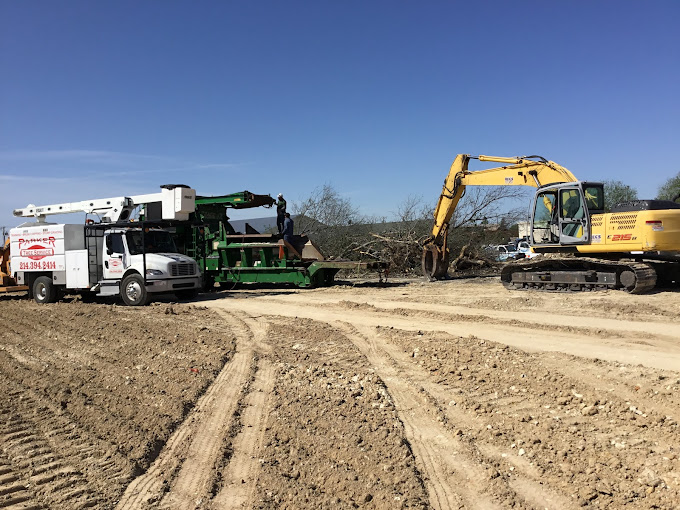
Stump Grinding Service for Fresh Yard Aesthetics
If you removed a tree in Dallas, TX, but the stump is still sitting in the middle of your landscaping plan, it can hold back new grass, create trip hazards, and attract unwanted pests. This guide helps you decide what to do next, what to check before you grind, and how to plan for a cleaner, more finished look across the Dallas and DFW suburbs.
A storm gusted through your neighborhood, or you decided to remove a declining tree. Either way, the tree is gone, but the stump is still there. It looks unfinished, and it can make mowing and landscaping feel harder than it should.
In Dallas, TX yards often include established beds, patios, and walkways, so leaving a stump can quickly turn into a visual and practical problem. You also want to avoid creating new issues while trying to “fix it later.”
This guide breaks down stump grinding service in plain terms, including what to check first, the local factors that matter in the Dallas and DFW suburbs, and a customer-ready checklist you can use before scheduling work with Parker Tree Service.
Quick Answer
Stump grinding is usually the best next step when you want the yard to look clean again and you plan to rework the area with grass, mulch, or new landscaping. Before grinding, confirm the stump is stable enough to work around and that you can safely access the site for equipment. If the stump is near structures, fencing, or underground utilities, have a professional evaluate the layout first. For a more complete cleanup, pair stump grinding with the right follow-up tree care and soil conditioning so your yard looks “finished,” not patched.
What to Check First
Before you choose a stump grinding approach, take a quick walk through the area. These checks help prevent surprises and keep your yard plan on track in Dallas, TX.
Access and layout
Can equipment reach the stump without driving over planting beds, edging, or pavers? Note gate widths, narrow side yards, and any steep slopes.
Root and stump condition
Is the stump already partially rotted, or does it feel solid and heavy? A stable stump changes how the grind proceeds and what the final “level” will look like.
Proximity to landscaping
If you’re protecting trees, shrubs, or ornamental plants nearby, plan how debris will be handled and where the grind material will go.
Professional observation: If the stump is surrounded by established beds or sits close to a walkway, it’s not just about grinding the visible top. The goal is a smooth, yard-friendly finish that supports mowing, replanting, and safer foot traffic.
Main Things Customers Should Understand
Stump grinding can improve fresh yard aesthetics, but it also affects how you manage the area afterward. Here are the core factors that homeowners in Dallas and the DFW suburbs typically run into.
1) What “fresh aesthetics” really means
Grinding helps remove the bulk of the stump and lowers the remaining wood so the space can blend into the rest of the yard. That makes it easier to add mulch, seed, or sod and helps the area look intentional instead of “left behind.”
2) Safety and property protection
Stumps can sit near fences, patio edges, garden walls, or utility runs. A careful approach reduces the chance of damaging surrounding materials and helps keep the work zone controlled.
3) Pest and disease considerations
Wood that remains in the landscape can become a food source for insects and other issues over time. If you suspect tree disease treatment needs or ongoing tree pest control concerns, address the broader tree health care plan, not only the visible stump.
For related yard cleanup and tree care services, you can also review stump grinding removal and stump grinding service options through Parker Tree Service.
4) Pairing stump work with the right tree services
Many customers discover they need more than stump grinding once the area is exposed. If other branches are overgrown, or if a remaining tree shows stress, a professional assessment can help you plan the next steps. For example, tree pruning, trimming, and reduction can improve structure and appearance while you refresh the yard.
Why This Matters in Dallas, TX
In Dallas, TX, yards often include mixed plantings and hardscapes that are designed for daily use. When a stump remains, it can disrupt mowing lines, catch debris, and make the landscaping area look incomplete. That effect is especially noticeable in the Dallas and DFW suburbs where many properties have established curb appeal features like entry pathways and decorative beds.
One firsthand-style industry observation from the field: after a tree removal, customers usually focus on getting the trunk out quickly. But the stump is what changes how the property “reads” visually. Grinding brings the area back into balance so the yard looks like a planned renovation rather than a temporary fix.
Local planning tip: If you’re scheduling other updates, line up your stump grinding before final landscaping. That way, you can mulch, seed, or sod with a clean surface instead of working around an uneven stump.
Common Mistakes to Avoid
Homeowners often try to solve stump problems quickly. These are the missteps that tend to create extra work later.
| Common mistake | What it causes | What to do instead |
|---|---|---|
| Grinding without checking access | You may end up with damaged edging, disturbed beds, or limited cleanup control. | Confirm equipment access and protect surrounding plants before work begins. |
| Assuming the visible stump is the whole problem | The area may remain uneven, and replanting can fail to look uniform. | Ask for a plan that targets a smooth, yard-ready finish for your landscaping goals. |
| Ignoring nearby tree health factors | Other stressed trees can continue declining, affecting long-term yard aesthetics. | Schedule a review for tree health care, including tree disease treatment and tree pest control if needed. |
| Forgetting about cleanup and follow-up | Debris can interfere with mowing and makes the area look messy longer. | Plan cleanup and re-landscaping steps right after stump grinding. |
Customer Checklist
Use this list to prepare for stump grinding service and keep your yard refresh moving smoothly.
- Identify the stump(s) and note whether they’re near a walkway, patio, fence line, or existing garden beds.
- Check site access: gates, drive paths, and where equipment can safely work without crossing fragile landscaping.
- Look for signs of ongoing tree issues around the stump area, such as dead limbs, unusual discoloration, or insect activity.
- Decide what “fresh aesthetics” means for you: grass re-seeding, mulch refresh, new planting layout, or a cleaner mowing zone.
- Plan follow-up work timing so you can mulch, seed, or sod after the area is ground and cleaned.
- If storms caused the damage, confirm whether other trees need storm damage tree service planning before you finalize the yard.
Representative Scenario (Anonymized)
In a typical Dallas, TX neighborhood, a homeowner removed a hazardous tree after it started dropping limbs. The yard looked better right away, but the stump remained in the middle of a high-traffic side path. During a walkthrough, Parker Tree Service mapped equipment access around the nearby beds and focused on grinding the stump down to support a clean, even surface. After cleanup, the homeowner was able to refresh the area so the landscaping looked intentional again.
Ready to finish the look after tree removal?
If you’re dealing with a stump that’s blocking new landscaping or making the yard feel unfinished, Parker Tree Service can help plan the next step for a smoother, safer yard surface.
Contact Parker Tree ServiceFrequently Asked Questions
How soon after tree removal should I schedule stump grinding?
Many homeowners schedule stump grinding soon after the tree is removed so the yard can return to a finished look. Waiting too long can make the stump area harder to manage and can prolong the time the space feels “unfinished” while you plan replanting or fresh mulch. If the site is still being adjusted for cleanup, access, or related tree care needs, a professional site review helps you pick a practical timing window for your Dallas, TX property.
Will stump grinding help with tree pest control concerns?
Grinding reduces the amount of wood remaining in the yard, which can lower the presence of a food source for certain insects that may be attracted to wood. If you’re seeing signs of tree insect treatment needs, wood borer treatment concerns, or other tree health care issues, stump grinding is often only one part of the solution. A broader inspection can help determine whether tree surveys, tree disease treatment, or tree mitigation steps are needed alongside stump work.
What should I do with the ground-up material after grinding?
Whether the grind material is left in place or removed depends on your landscaping plan. For fresh aesthetics, homeowners in Dallas, TX often want the area ready for mulch, seed, or sod, so cleanup and how the material is handled matters. Ask your tree service team about the cleanup approach and what the yard will look like immediately after stump grinding, so you can coordinate the next steps.
Can stump grinding be done near other trees and plants?
It can, but proximity affects planning. Established beds, ornamental plants, and nearby trees require careful attention to protect what you want to keep. A professional can evaluate spacing and access, then adjust the work approach to reduce risks to surrounding landscaping. If you suspect tree root care needs or other tree health care concerns nearby, consider pairing stump grinding with a broader tree consultation.
What if the stump is close to structures or fencing?
Stumps near structures and fencing are common in residential Dallas, TX properties. The main factor is safe access and careful boundary protection. A site evaluation helps determine how to position equipment and how to manage debris so you do not create damage while improving the yard’s appearance. If you’re unsure about underground lines or the safest approach around the area, it’s smart to have a professional assess the site first.
Get a stump grinding plan for your Dallas, TX yard
Whether you’re refreshing curb appeal or getting ready for new landscaping, Parker Tree Service can help you move from “stump left behind” to a cleaner, more usable yard surface.
(214) 394-2414