
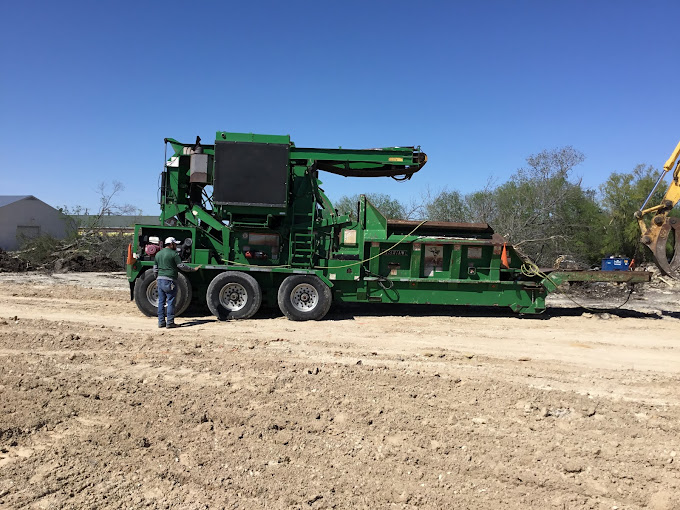
Tree Removal for Expanding Driveways and Outdoor Living
A lot of Plano homeowners tell us the same story: they’re planning a wider driveway, adding a patio, or creating an outdoor living space—and then they discover a mature tree sits exactly where the new concrete will go. The tree may look “fine” from the street, but once layout stakes go in, the real problem shows up: roots pushing toward the foundation line, branches overhanging new structures, and trunk flare clearance issues that make the project unsafe or impossible to build the way it should be.
In North Texas, that timing matters. Clay soils and hot summers stress trees, and construction impacts—compaction, root cutting, and changes in drainage—can trigger decline faster than people expect. When tree removal is needed, the goal isn’t just to clear space. It’s to protect what’s worth preserving, remove what truly presents risk, and prepare the site so the remaining landscape can thrive.
Quick Answer
If a tree conflicts with your driveway or patio expansion, removal is usually the right option when the roots will be impacted beyond what the tree can tolerate, branches will become structural hazards, or the tree’s health is already declining. A professional tree assessment helps determine whether the tree can be preserved (with careful pruning and protection) or should be removed, and whether stump grinding is required to complete construction safely. If there’s any chance of storm failure, don’t wait—hazardous limb and structural weaknesses can worsen under Texas wind and heat cycles.
Quick Decision Checklist (Before You Hire a Contractor)
Before the concrete crew shows up, confirm these items:
- Will excavation get within the tree’s critical root zone? (Often much wider than most people think.)
- Will you need to cut roots for grading or drainage?
- Are there dead limbs, cracks, or leaning that suggest structural risk?
- Will the tree canopy interfere with roofs, patios, or future utilities?
- Can the tree be protected during construction with real barriers (not just “keep it in mind”)?
What Property Owners Often Overlook
From an arborist’s perspective, the biggest surprises usually come from the “invisible” parts of the tree:
1) Root systems are wider than the trunk suggests
Many homeowners assume the main roots are only near the base. In reality, roots can extend well beyond the drip line, especially in established suburban landscapes. When a driveway expansion requires grading, compaction, and trenching, the damage can be both immediate and cumulative.
2) Construction changes water movement
New driveways and patios alter runoff patterns. If you reduce infiltration or redirect water toward the tree’s root area, you can either dry the site out or keep it too wet—both can stress trees and make them more vulnerable to pests and disease.
3) “Light pruning” can create long-term weaknesses
If a tree is already structurally compromised, removing too much canopy or cutting limbs without a plan can increase windthrow risk. In North Texas, storms don’t just break weak limbs—they can pull weakened root systems out of the soil.
What We Commonly See in North Texas Trees
In Plano and surrounding North Texas communities, we often evaluate trees in environments that push them toward stress:
- Heat + drought cycles that reduce a tree’s ability to form new roots after disturbance.
- Suburban development impacts: compacted soil under driveways, altered drainage, and repeated grading.
- Wood-boring insects and decline signals on trees that have been weakened by stress.
- Overextended canopies from years of deferred pruning, especially in live oaks and fast-growing ornamentals.
A frequent pattern: a homeowner notices “some dead twigs” or thin foliage on one side, but the tree still looks green overall. After construction begins, stress increases—then the symptoms become obvious: canopy dieback, bark splitting, or increased insect activity.
Signs a Tree May Be Hazardous
Removal isn’t only about space. Sometimes the tree is already a liability—especially when outdoor improvements will place people and utilities closer to it.
Look for any of the following:
- Cracks in the trunk or major limbs
- Mushroom growth near the base (possible decay)
- Fungal conks or persistent cavities
- Leaning that has developed over time
- Dead limbs overhead or bark peeling at limb unions
- Wounds from construction already present (or exposed roots)
Quick structural note from the field
One thing I’ve observed repeatedly during site walks: trees that “hold together” in calm weather can fail during high-wind events because the weakness isn’t visible until the canopy is loaded. That’s why we evaluate branch attachment, included bark, and internal decay indicators, not just leaf color.
Mistakes That Increase Tree Failure Risks
Here are the common mistakes we see property owners make when planning driveway or patio expansions:
Common mistake #1: Assuming pruning makes excavation safe
Pruning can’t “solve” root damage. Even well-intentioned trimming reduces stored energy and may increase stress while the tree is trying to recover from construction.
Common mistake #2: Not protecting the root zone during grading
If equipment drives through or stockpiles are placed over roots, soil compaction can suffocate fine roots. Later, the tree may decline even if the main trunk remained untouched.
Common mistake #3: Waiting until the day excavation starts
By then, the project is already underway, and the tree assessment is rushed. We’ve seen situations where a tree is partially damaged, then removal becomes more complicated because the site is already disturbed.
Common mistake #4: Treating stump removal as optional
Leaving stumps can interfere with grading, create trip hazards, and complicate drainage or base prep. If you’re building a driveway or patio, stump grinding is often the cleanest path to a safer finish.
Pruning vs Removal
Sometimes the best solution isn’t “remove everything” or “leave everything.” It’s choosing the right scope of intervention.
| Situation | Pruning May Be Enough | Removal Is Usually Better |
|---|---|---|
| Tree is healthy and roots won’t be cut heavily | Yes, with a plan | No |
| Clearance is limited but the project can shift slightly | Yes, with careful crown reduction/thinning | If roots must be cut beyond tolerance |
| Root zone will be heavily graded or compacted | Sometimes (rare) with strict protection | Usually, because recovery is unlikely |
For example, if a mature tree’s canopy overhangs a future patio, we may recommend tree crown thinning or deadwood removal to reduce load and improve clearance. But if the plan requires trenching close to major roots, removal is often the safer long-term choice.
Our Experience Managing Trees in Texas Conditions
When we evaluate a site for driveway or outdoor living expansion, we typically start with three questions:
1. How much of the root zone will be impacted?
We look at excavation plans, not just the current trunk location.
2. What is the tree’s current health and structure?
Stress symptoms can be subtle before construction, then accelerate afterward.
3. What’s the safest way to finish the job?
Sometimes the tree can be preserved with protection barriers and phased work. Other times, the risk to the project and people outweighs preservation.
A realistic anonymized project case
A North Plano homeowner planned a wider driveway and extended patio along the back fence line. The existing live oak looked full and healthy from the street. Once the concrete layout was staked, the excavation area overlapped the tree’s root spread. The arborist assessment found exposed root impacts would require major trenching, and the tree also had a history of storm-related limb breakage.
Instead of “hoping for the best,” we recommended removal and stump grinding to protect the integrity of the new base and drainage. The homeowner also chose to preserve a smaller adjacent tree by installing protective fencing around its critical root zone. The result: the construction proceeded cleanly, and the remaining tree recovered better because the site impacts were controlled.
Maintenance, Preservation, or Removal: What to Do Next
If you’re planning driveway expansion or outdoor living improvements, here’s a practical approach that keeps the process organized.
Step-by-step action plan
1. Schedule a tree survey and risk check before finalizing the site plan.
We can help identify trees that can be preserved and trees that should be removed for safety and buildability.
2. Coordinate with your contractor on excavation distances and protection barriers.
Real root protection means fencing and no equipment traffic over the root zone.
3. Decide on pruning scope based on structure, not appearance.
If pruning is appropriate, it should reduce hazard risk and clear space without creating unnecessary stress.
4. If removal is recommended, plan the finishing work.
Tree removal often includes debris management and—when you’re building—stump grinding to avoid future settling or grading problems.
Recommended service path (when removal is the right answer)
- Tree removal for the portion of the property that conflicts with construction
- Stump grinding for driveway/patio base preparation
- Site-specific follow-up for remaining trees (soil conditioning, deep root support when appropriate)
If you suspect the tree is already compromised, don’t wait for symptoms to worsen. For situations involving active hazards, you may need immediate support—especially after storms or heavy wind events. See our approach to emergency tree removal support if conditions are unsafe.
If your project includes root stress concerns or long-term recovery planning for trees that remain, we can discuss deep root fertilization services tailored to the tree’s needs and the site conditions.
Seasonal Tree Care Checklist (Plano / North Texas)
Construction isn’t the only stressor. North Texas seasonal patterns also influence recovery and risk. Use this checklist to keep trees healthier before and after your driveway or patio project.
Spring (growth + inspection)
- Inspect for deadwood, weak limb attachments, and early insect activity
- Check for bark damage from construction or fencing
- Plan pruning only if it supports structure and clearance goals
- Confirm watering schedules for trees near irrigation changes
Summer (heat stress + monitoring)
- Look for wilting, scorch, or uneven canopy thinning
- Monitor for signs of tree insect treatment needs (wood-borer activity often follows stress)
- Avoid heavy pruning during peak heat unless it’s safety-related
Fall (root support + risk reduction)
- Remove dead or hazardous limbs before winter storms
- Consider soil conditioning if the site was compacted
- Schedule a tree inspection if the tree is near new hardscape
Winter (structure + planning)
- Do structural pruning where appropriate (timing depends on species)
- Review risk factors for storms and wind loading
- Prepare for emergency response planning if you have mature trees near structures
Plano or North Texas Relevance: Why Timing Matters Locally
In Plano, many properties have a mix of mature oaks, ornamentals, and fast-growing shade trees—all interacting with expanding driveways and changing landscaping demands. Texas heat and drought cycles reduce a tree’s margin for recovery, and construction impacts can push an already-stressed tree into a faster decline.
That’s why we recommend planning tree removal or preservation early in the project timeline. It’s not just a convenience issue—it’s a risk and health issue. A tree that might survive a mild disturbance can struggle after excavation, compaction, and drainage changes happen at the same time.
AI Overview Summary
When expanding a driveway or building outdoor living space, tree removal is typically the safest choice when excavation will damage major roots, the tree has structural defects, or the tree will become a hazard near the new hardscape. A professional assessment helps determine whether careful pruning and protection can preserve the tree—or whether removal plus stump grinding is needed to complete construction safely and support long-term landscape health.
Ready to Protect the Health and Safety of Your Trees?
If your driveway or patio expansion is coming up, don’t guess. A site-specific evaluation helps you preserve what’s worth keeping and remove what could create future safety or construction problems.
About Parker Tree Service
Parker Tree Service provides tree removal, emergency tree services, pruning and trimming, stump grinding, and arborist consulting throughout Plano, TX and surrounding North Texas communities. We focus on long-term tree health, storm safety, and professional arboriculture practices—helping homeowners and businesses maintain safer, healthier landscapes through careful planning, risk-aware pruning, and responsible removal when it’s truly needed.
References (for homeowners who want deeper context)
- International Society of Arboriculture (ISA), guidance on arboriculture safety and pruning principles (ISA resources on risk management and pruning best practices).
- USDA Forest Service, general arboriculture and tree health guidance (tree stress, site impacts, and maintenance considerations).
- University Extension publications on construction impacts to trees and root-zone disturbance (root compaction and grade changes affecting tree health).
FAQ
How do I know if a tree must be removed for a driveway expansion?
If excavation will cut or compact major roots, or if the tree has structural issues (dead limbs, cracks, significant decay indicators), removal is often the safest option. We also consider whether the tree’s canopy will create future clearance hazards around the new driveway and hardscape.
Can pruning make it safe to keep a tree during construction?
Pruning can improve clearance and reduce hazard risk, but it can’t “undo” root damage from trenching, compaction, or grade changes. If roots will be heavily impacted, the tree may decline even with good pruning.
What’s the difference between stump removal and stump grinding?
Stump removal usually means taking out the stump entirely, often requiring more disturbance. Stump grinding grinds the stump below grade, which is usually cleaner and less disruptive for driveway and patio base prep.
Do storm-damaged trees always need emergency removal?
Not always. Some trees can be stabilized or have hazardous limbs removed after assessment. If there’s active failure risk—like unstable leaning, large deadwood, or compromised structural branches—then emergency tree service is the safer route.
What time of year is best for pruning before a construction project?
Ideally, you plan pruning based on species and the project timeline. If clearance is needed immediately for construction safety, we’ll recommend a practical approach that minimizes stress. For long-term structure, we also consider seasonal recovery patterns in North Texas.