
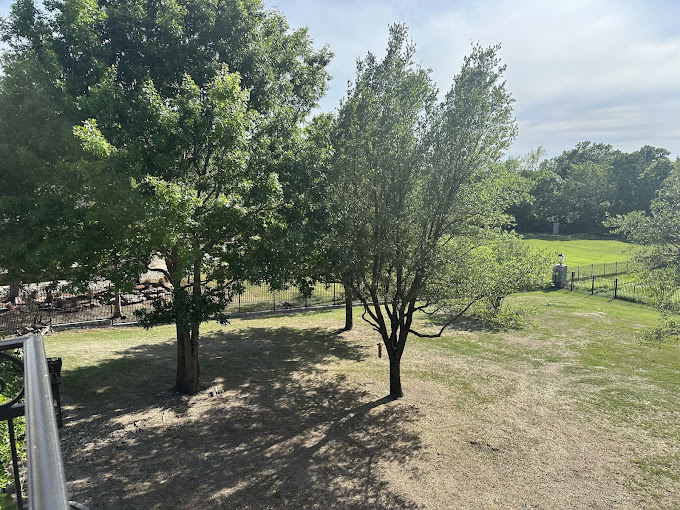
Emergency Tree Removal for Fallen Limbs and Power Lines
In Plano, storms can roll through fast and leave a trail of broken limbs, downed trees, and, in the worst cases, power lines tangled in branches. Every year, North Texas sees severe weather events that cause millions of dollars in property damage, and a large share of that comes from failing trees and falling limbs. One snapped branch in the wrong place can block an access road, crush a vehicle, or pull down live electrical lines in seconds.
For business owners and property managers in Plano, this isn’t just inconvenient—it’s a safety, liability, and continuity issue. Employees, customers, and tenants rely on you to keep your site safe and accessible, even after a storm. Understanding how emergency tree removal works, what to do when limbs hit power lines, and how to prevent the next incident can save you time, money, and risk.
Key Insight: The decisions you make in the first 30–60 minutes after a tree or limb falls can dramatically reduce safety hazards, liability exposure, and long-term damage to your property and landscape.
Why Fallen Limbs and Power Lines Are a High-Risk Emergency
A fallen limb might look harmless on the ground, but once power lines are involved, the situation changes completely. Live electrical lines can energize nearby branches, metal fences, standing water, and even the soil—creating an invisible hazard that can injure someone without warning.
In Plano, many commercial properties and neighborhoods have mature trees planted close to overhead lines. As those trees age, internal decay, root issues, and past improper pruning make them more likely to fail during a storm or high wind event. The result: limbs tearing through lines, transformers sparking, and sometimes power outages affecting entire blocks.
“Any time a tree is in contact with a power line, treat it as if the entire tree is energized.” — Utility Safety Standard
A recent example: after a spring storm, a Plano office park had a large oak split and fall across a parking lot, pulling secondary power lines down with it. The property manager wisely kept everyone away, called 911, then contacted an emergency Emergency Tree Service. The coordinated response between the utility and the tree crew allowed the lines to be de-energized and the tree safely removed within hours, restoring access before the next business day.
CALLOUT: Any tree or limb touching a power line is an electrical hazard first and a tree problem second. Always treat it that way.
The Right Emergency Response: What to Do in the First Hour
The first hour after a limb or tree comes down is critical. Clear thinking and the right sequence of actions can prevent injuries and secondary damage.
Step 1: Secure the area
- Keep people and pets at least 30 feet away, more if power lines are involved.
- Block off access with cones, tape, or vehicles if you have them.
- Do not try to move limbs, even small ones, near power lines.
Step 2: Call emergency services and your utility
If power lines are down or trees are touching lines:
- Call 911 to report a hazardous situation.
- Contact your electric utility to de-energize lines or dispatch a crew.
Only after that should you call a qualified Emergency Tree Removal provider.
Step 3: Contact a professional tree service
A reputable Plano-based Tree Removal Service with emergency capabilities will:
- Dispatch a crew with proper PPE and rigging equipment
- Coordinate with the utility if lines are involved
- Stabilize hanging or leaning limbs to prevent secondary failures
- Begin safe dismantling and debris removal
A real-world scenario: a retail center in Plano had a large hackberry fail across a main entrance during a thunderstorm, blocking access right before the weekend rush. The property manager called a local Tree Removal team that arrived within two hours. Because the tree was not entangled with primary power lines, the crew was able to sectionalize the trunk, clear the driveway, and chip debris the same day—minimizing lost business.
“Rushing in with a chainsaw is how people get hurt. A measured, systematic approach is what keeps everyone safe.” — ISA Certified Arborist
How Professionals Safely Remove Trees Near Power Lines
Removing a tree or large limb anywhere near power lines is specialized work. Professional crews follow industry standards (like ANSI Z133 for safety and ANSI A300 for tree care) to manage risk step by step.
Hazard assessment and planning
Before a single cut is made, an ISA Certified Arborist or crew leader will:
- Inspect the tree’s structure, lean, and anchor points
- Identify all live and secondary lines, transformers, and service drops
- Evaluate soil conditions, root stability, and nearby structures
- Determine whether bucket trucks, cranes, or climbing are appropriate
For example, a Plano multifamily complex had a diseased pecan leaning toward a service line feeding several buildings. The arborist determined a crane-assisted removal was the safest option to avoid line contact. Sections were lifted away from the lines and lowered into a clear staging area, eliminating the risk of a swing into the conductors.
Technical rigging and sectional removal
Modern emergency Tree Removal Near Me often involves:
- Ropes and friction devices to control each cut section
- Advanced climbing or bucket access to reach compromised limbs
- Ground crews managing drop zones and communication
Rather than felling the entire tree at once, crews remove it piece by piece, lowering sections away from lines, roofs, and vehicles.
Debris handling, stump management, and cleanup
Once the tree is down and lines are safe:
- Wood is cut to manageable sizes or hauled offsite
- Brush is chipped for efficient removal
- Stumps can be addressed with a dedicated Stump Grinding Service
- The work zone is raked and swept so you can resume normal operations quickly
CALLOUT: Work near energized lines should only be performed by qualified line-clearance arborists or in coordination with the utility. Anything less is a serious safety violation.
Preventing the Next Emergency: Proactive Tree Care for Plano Properties
While you can’t stop storms, you can dramatically reduce how often they turn into emergencies. Strategic, proactive tree care focuses on eliminating structural weaknesses before they fail.
Regular inspections and risk assessments
A scheduled Tree Risk Assessment by a Certified Arborist can identify:
- Dead, cracked, or overextended limbs
- Co-dominant stems with included bark (prone to splitting)
- Root issues, soil compaction, and poor anchoring
- Tree defects hidden by foliage
On a Plano business park, annual inspections flagged several Bradford pears with significant structural defects. The owner opted for phased Dead Tree Removal and strategic pruning before storm season. That same year, a strong wind event hit; neighboring properties lost limbs and had blocked driveways, while this site remained fully operational.
Strategic pruning and structural support
Professional Tree Pruning Service isn’t about “topping” or indiscriminate cutting. It’s about:
- Reducing end weight on long, heavy limbs
- Improving branch structure in young trees (tree shaping)
- Removing deadwood that can break in storms
- Thinning crowns in specific cases to reduce wind sail
For high-value trees near critical infrastructure, Tree Cabling and Bracing can add supplemental support to weak unions and help prevent catastrophic failure.
Soil health and fertilization
Healthy roots anchor trees better. Plano’s clay-heavy soils can be compacted and low in oxygen. Services like Deep Root Fertilization and Soil Conditioning:
- Improve root zone structure and nutrient availability
- Increase drought resilience and overall tree vigor
- Help trees recover from construction damage or past neglect
“Storm-resilient trees start with good structure and strong roots—not last-minute trimming before a storm.” — ISA Certified Arborist
Cost, Risk, and Response Time: Weighing Your Options in Plano
Property owners often ask: “What’s the difference between an emergency call and scheduled work?” or “Is proactive care really worth it?” Comparing approaches helps clarify the trade-offs.
Emergency vs. Preventive Tree Care
| Aspect | Emergency Tree Removal | Preventive Tree Maintenance |
|---|---|---|
| Timing | Unplanned, urgent, often after storms | Scheduled during non-peak times |
| Cost | Higher due to urgency, overtime, and risk | Lower per visit; predictable budgeting |
| Safety Risk | Elevated (unstable trees, live wires, debris) | Controlled conditions, planned access |
| Property Impact | Potential for collateral damage already occurred | Focused on minimizing future damage |
| Business Disruption | Access blocked, power issues, liability concerns | Minimal; work can be timed around operations |
| Insurance Involvement | Often requires claims and documentation | May reduce future claims and premiums over time |
For a Plano warehouse complex, a single emergency removal of a large cottonwood entangled with lines cost more than three years of regular Tree Maintenance Services would have. The owner has since adopted a proactive inspection and pruning schedule.
Local cost and benefit considerations
In the Plano area:
- Emergency removals typically cost more due to after-hours work, specialized equipment, and higher crew risk.
- Routine Professional Tree Trimming and Tree Fertilization Service are far less expensive on a per-tree basis.
- Documented tree care can support insurance claims and demonstrate due diligence in risk management.
CALLOUT: One major storm event can wipe out years of savings from deferred maintenance. Planned care is almost always cheaper than crisis response.
From Storm Chaos to Safe Site: Real Outcomes from Plano Properties
Emergency tree removal isn’t just about cutting and hauling. It’s about restoring safety, access, and peace of mind as quickly and smoothly as possible.
Case study: Office campus with multiple failures
A Plano office campus with mature oaks and elms experienced a severe wind event that:
- Dropped limbs across two main entrances
- Snapped a mid-size tree onto a perimeter fence
- Left broken branches hanging over a parking area
The property manager called an emergency Storm Damage Tree Service provider. A crew arrived the same evening to:
- Clear access roads and walkways first for life-safety and access
- Secure hanging limbs with ropes to prevent further damage
- Coordinate with the utility on a limb resting on a service drop
By the next afternoon, all hazardous material was removed, access fully restored, and the site cleared of debris. The following week, the same provider conducted a thorough Tree Inspection and recommended structural pruning and selective removals to prevent repeat issues.
Case study: Retail plaza protecting customer access
At a busy Plano retail plaza, a large limb from an overgrown tree snapped onto three parked vehicles during a storm. Fortunately, no one was injured, but the scene was chaotic.
The plaza owner’s emergency plan called for an immediate call to a trusted Tree Service Near Me. The crew:
- Documented the scene for insurance before moving anything
- Carefully lifted and cut limbs away from the vehicles to avoid further damage
- Cleared the lot and swept the area to make it safe for customers
Later, the owner approved a site-wide program of Tree Pruning and hazard reduction, significantly lowering the risk of future incidents.
“After the first big storm, we realized we needed a long-term plan, not just a cleanup crew.” — Plano Property Manager
What This Means for Businesses in Plano, TX
For businesses, HOAs, and commercial property managers in Plano, fallen limbs and power line conflicts are more than a landscaping issue. They impact:
- Safety and liability – Injuries, vehicle damage, or electrical hazards can lead to costly claims and reputational damage.
- Business continuity – Blocked access, downed lines, and unsafe walkways can close your doors when you should be open.
- Tenant and customer confidence – People notice how quickly and professionally you respond to visible hazards.
Having a relationship with a local, qualified Tree Care Services provider means you’re not scrambling for help during a city-wide storm event. Instead, you have:
- A team that already understands your site, trees, and priorities
- Documented history of maintenance to support insurance or risk reviews
- A clear plan for what happens after the next major weather event
Plano’s mix of mature neighborhoods, dense commercial corridors, and rapidly developing areas makes tree risk management especially important. Trees planted decades ago may not be ideal for their current surroundings or today’s climate stresses. Thoughtful Tree Pruning Services Near Me, targeted removals, and soil and root care can bring your tree population back into alignment with your property’s needs and risk tolerance.
For local businesses, treating trees as critical infrastructure—not just background greenery—pays off in fewer emergencies, safer sites, and more predictable operating costs.
Frequently Asked Questions
Q: What should I do first if a tree limb falls on a power line at my property in Plano?
A: Your first priority is safety. Keep everyone well away from the area and do not attempt to move the limb yourself. Call 911 to report the hazard, then contact your electric utility so they can de-energize the line or send a crew. Only after the utility has addressed the electrical hazard should you call an Emergency Tree Service. A qualified provider will coordinate with the utility if needed, secure any unstable branches, and safely remove the debris. Avoid touching fences, puddles, or metal objects near the downed line, as they may be energized.
Q: How fast can an emergency tree removal crew usually respond in the Plano area?
A: Response times vary based on storm severity and call volume, but established providers typically offer prioritized dispatch for hazardous situations. During isolated incidents, an emergency Emergency Tree Removal crew may arrive within a few hours. After widespread storms, triage is used—life-safety issues and blocked primary access routes come first, with non-critical cleanups following. Having a relationship with a local Tree Service Near Me before an event often improves response time, since the company already knows your property and can prioritize accordingly.
Q: Will my insurance cover emergency tree removal and damage to structures or vehicles?
A: Many commercial and residential policies provide some coverage for tree-related damage, especially when a tree or limb falls on a covered structure. Coverage for debris removal, fences, or vehicles can vary widely between policies. Typically, insurers expect you to mitigate further damage by calling a professional Tree Removal Service promptly. It’s wise to document the scene with photos before work begins. Proactive maintenance—such as documented Tree Pruning and risk assessments—can also demonstrate that you’ve acted responsibly, which may help during claim review.
Q: How can I reduce the chances of needing emergency tree removal in the future?
A: Preventive care is your best defense. Schedule periodic Tree Inspection and risk assessments with a Certified Arborist to identify weak limbs, structural defects, or declining trees. Invest in professional Tree Pruning Service to reduce end weight and remove deadwood that can fail in storms. Consider Deep Root Fertilization and Soil Conditioning to improve root health, especially in Plano’s compacted clay soils. When necessary, remove hazardous trees before they fail. This combination of structural care and root health dramatically decreases the likelihood of emergency situations.
Q: Is it safe for my maintenance staff to cut and remove smaller fallen limbs themselves?
A: It depends on the situation. If no power lines are involved, the limb is fully on the ground, and your staff is trained in chainsaw safety, they may be able to handle minor cleanup. However, any limb that is tensioned, partially suspended, or near utilities should be handled by professionals. Hidden tension can cause wood to spring or roll unexpectedly, leading to injuries. A local Arborist Near Me has the training, PPE, and equipment to manage these hazards safely. When in doubt, it’s safer and often more cost-effective to call a professional.
Q: Do I need a permit to remove a damaged or hazardous tree on my Plano property?
A: Requirements vary depending on the city and whether the tree is considered protected, especially on commercial or development sites. In genuine emergencies—such as trees that have already failed or pose an immediate hazard—cities often allow expedited or retroactive approvals. A knowledgeable Tree Removal company familiar with Plano regulations can guide you through any permitting needs, provide documentation, and, when appropriate, offer Tree Mitigation or replacement planting plans.
Q: What happens to the stump after an emergency removal?
A: Immediately after an emergency, the priority is removing hazards and restoring access, so stumps are often left cut low to the ground. Once the site is safe, you can schedule Stump Grinding or Affordable Stump Removal to eliminate tripping hazards and allow for replanting or paving. Professional stump grinding removes the stump and major surface roots down below grade, and the resulting mulch can be used on-site or hauled away. This follow-up step is important on commercial properties, where visible stumps can be both a safety and aesthetic concern.
Ready to Get Started?
Every storm season in North Texas brings another round of calls from property owners who wish they’d acted sooner. If you manage a commercial site, HOA, or residential property in Plano, the safest time to prepare for emergencies is before the next storm shows up on the radar.
Start by walking your property and noting any trees near power lines, structures, parking areas, or primary access routes. Then connect with a trusted provider of Emergency Tree Removal, Tree Trimming Services Near Me, and Stump Removal Near Me to review your risks and options. A brief consultation can turn an unpredictable liability into a managed, budgeted part of your property plan.
Parker Tree Service offers local expertise, ISA-certified arborists, and years of experience working in Plano’s specific conditions. Whether you’re dealing with a downed limb today or want to prevent the next one, having a responsive, qualified partner on call makes all the difference.
About Parker Tree Service
Parker Tree Service is a locally focused tree care company serving Plano, TX, and the surrounding communities. Our team includes ISA Certified Arborists and experienced crews trained in safe Tree Removal, Tree Pruning, Stump Grinding, and comprehensive Tree Health Care. We follow industry best practices and local standards to protect both your trees and your property. From emergency response to long-term maintenance plans, we’re committed to helping Plano property owners manage trees safely and sustainably. Learn more about our services at Parker Tree Service’s website.