
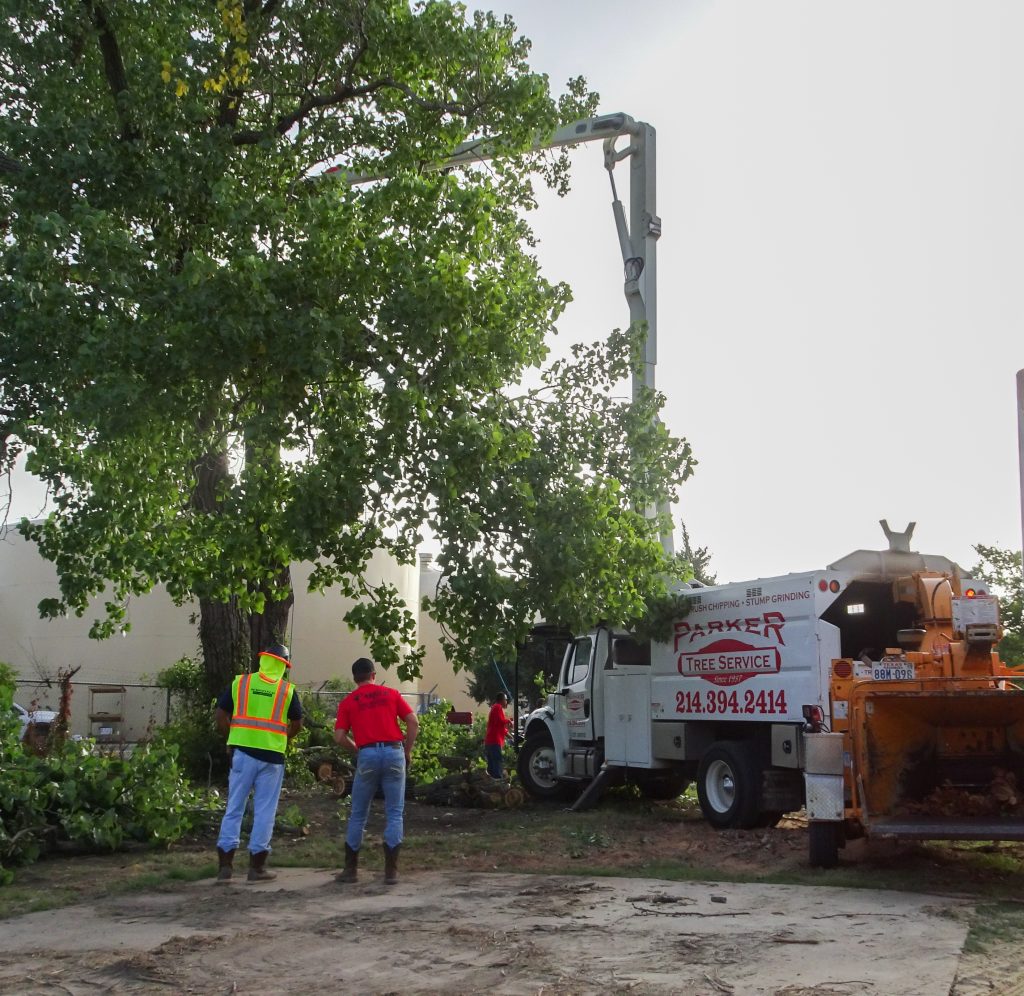
Stump Grinding That Levels Your Yard Beautifully
After a summer storm, a Plano homeowner calls us because the tree is “already gone”—but the stump is still there. The yard looks uneven, the sprinkler heads catch on the exposed roots, and their kids can’t safely play near a hidden trip hazard. What they don’t realize is that stumps don’t just sit there; they keep influencing the health of nearby trees and the look of the entire landscape.
Stump grinding is often the final step that turns “we removed the tree” into “our property is truly back to normal.” Done correctly, it levels the area, reduces regrowth risk, and makes future landscaping easier—without tearing up the whole yard.
Quick Answer
Stump grinding uses a specialized grinder to break a tree stump down below the soil surface, usually several inches deep. In Plano and North Texas, it’s a smart choice when you want a clean, level yard, safer footing, and fewer issues from decaying wood and sprouting. If the stump is near structures, irrigation lines, or other trees, a careful site assessment matters before grinding.
What Stump Grinding Actually Does (and What It Doesn’t)
A stump is more than a visible “chunk” of wood. The root collar and major roots often extend outward underground, and the stump’s remaining energy can still trigger new shoots from dormant buds.
Stump grinding typically:
- Reduces the stump to small wood chips
- Lowers the stump below typical mowing height
- Helps prevent obvious regrowth by removing the bulk of the crown and upper root system
- Creates a smoother surface for sod, mulch, or landscaping
But stump grinding doesn’t always:
- Eliminate every trace of root that may be far from the stump
- Stop all sprouting in every situation (especially if roots are extensive)
- Replace the need for proper tree removal when the stump is part of a larger hazard problem
If a stump sits in a spot where the tree’s structural issues were already a concern, grinding is the finishing work—not the risk solution. That’s why we often coordinate stump grinding with the earlier tree work, especially when removal is required due to decay, storm damage, or disease.
A realistic example from the field
On one recent North Texas property, a homeowner removed a storm-damaged oak and planned to “just grind later.” When we arrived, we found the stump was surrounded by compacted soil and shallow roots—exactly where the grinder can bounce and leave an uneven surface if the operator doesn’t plan the passes carefully. We adjusted our grinding depth and used controlled angles to avoid gouging the surrounding grade. The result wasn’t just “stump gone”—the yard leveled out enough for fresh sod to take evenly.
Signs a Tree Stump (or Nearby Roots) Is Becoming a Problem
Even if the stump looks harmless, these situations are common in North Texas properties:
- Sprouting shoots a few months after tree removal
- Bouncy ground where roots are decomposing unevenly
- Mower/weed-eater damage from hidden raised roots
- Soil that dries out fast around the stump (decay and root changes can affect moisture patterns)
- Ants, beetles, or fungal activity clustered around the rotting wood
- Compromised drainage where old root channels collect water
If the stump is part of a larger landscape area—like a backyard after lot clearing or a commercial site with heavy foot traffic—grinding depth and surface leveling become even more important for safety and appearance.
Common Mistakes Property Owners Make
Mistakes That Increase Regrowth and Uneven Yard Problems
Here are the issues we see most often when homeowners try to handle stump grinding themselves or hire a crew without arboriculture-grade planning:
1. Grinding too shallow
If the stump isn’t reduced below the level where sprouting occurs, you may still see new growth.
2. Ignoring root spread
Many people focus only on the visible stump. In reality, roots can extend outward and complicate grinding depth, grade, and regrowth behavior.
3. Using the wrong equipment or technique for the site
A grinder that’s too small for the stump diameter can leave “arches” of wood that later collapse unevenly.
4. Damaging nearby structures or landscaping
Sprinklers, edging, pavers, and retaining walls can be harmed if grinding isn’t planned with clear access paths and protective measures.
5. Assuming grinding equals “tree health care”
If the original tree was removed due to disease, decay, or pests, stump grinding alone doesn’t address the broader risk. Proper tree health management may be needed for nearby trees.
6. Not coordinating with the prior tree work
If a stump is left from an incomplete removal, grinding can be harder and more expensive later—especially if roots have been disturbed or the area has been regraded.
What Property Owners Should Know (Quick Guide)
What to expect during a quality stump grinding job
A professional crew typically:
- Locates the stump and checks the surrounding area for hazards (utilities, roots, hardscape)
- Plans grinder access so the yard isn’t unnecessarily torn up
- Grinds in controlled passes to maintain a level finish
- Removes larger chunks and spreads wood chips where appropriate
- Leaves the area safe for mowing and landscaping
Depth matters
For most residential yards, we aim to remove the stump deep enough that it’s no longer a surface trip hazard and has a lower chance of re-sprouting. Depth requirements vary based on stump size, root architecture, and how the property will be used afterward.
Seasonal Tree Care Checklist (Including Stumps and Nearby Trees)
Stump grinding is a one-time improvement, but the health of the surrounding trees and the condition of the soil still follow seasonal patterns—especially under Texas heat and clay soils.
Spring
- Inspect stumps and nearby areas for new sprouts
- Check irrigation coverage around the stump zone (avoid overwatering)
- Look for early signs of pests on stressed trees (leaf discoloration, thinning, unusual branch dieback)
Summer
- Monitor for drought stress (wilting during midday heat is normal; persistent drooping isn’t)
- Watch for signs of wood-boring insects on weakened trees—especially after removal or storm damage
- Keep mulch a safe distance from tree trunks and stump grind areas
Fall
- Remove dead twigs and assess branch structure on nearby trees
- Plan major pruning before cold weather if structural correction is needed
- If you’re preparing beds, avoid disturbing roots repeatedly
Winter
- Schedule assessments and pruning where needed (structural work is often easier to evaluate when leaves are off)
- Confirm that the stump area is stable and doesn’t create drainage issues
- Plan ahead for storm season: if a nearby tree is questionable, get a risk evaluation early
Stump Grinding vs. Stump Removal: Which One Fits Your Yard?
| Option | What it looks like | Best for | Tradeoffs |
|---|---|---|---|
| Stump grinding | Stump reduced to below-ground wood chips | Most residential yards, leveling for sod/mulch | May not remove all deep roots; sprouting can still occur if conditions favor it |
| Stump removal | Stump and major root mass excavated | Tight access areas, new construction, certain landscape designs | More excavation, potentially higher disruption to soil and surrounding plants |
If you’re trying to decide what’s best after a tree removal, it helps to consider your end goal: a smooth lawn surface, new planting, or clean access for hardscaping.
For homeowners who want to finish the job completely, we often coordinate stump grinding with the broader cleanup and tree work. If your situation started with an unsafe tree, you may also need a full tree removal service first so the stump isn’t part of an ongoing hazard.
Plano and North Texas Relevance: Why Stump Grinding Here Isn’t “One-Size-Fits-All”
North Texas yards deal with unique pressures that change how stumps and surrounding roots behave:
- Clay-heavy soils can compact quickly, making uneven settling more noticeable after roots decay.
- Heat stress and drought cycles can weaken trees that are already recovering from prior damage.
- Fast suburban development often means trees are close to driveways, sidewalks, and utilities—so access and precision matter.
- Storm patterns in the region can leave partially failed trees that are removed later, leaving complex root structures behind.
One firsthand observation we make during grinding: stumps near hardscape often have roots that have shifted slightly over time. If the stump is ground without accounting for that settling, you can end up with a small “dip” that shows up later when sprinklers or mowing routines make the problem obvious.
When to Pair Stump Grinding With Tree Health Care
Sometimes stump grinding is the final cosmetic step, but other times it’s paired with health management because the original tree’s decline can leave a lingering impact.
For example:
- If the tree was removed due to suspected wood borer activity or ongoing decline, nearby trees may need monitoring.
- If the site is being replanted or renovated, soil conditioning and root-friendly planning can improve long-term results.
If you’re dealing with a broader tree health question, you may benefit from targeted deep root fertilization services to support recovery for trees that are under stress. Stump grinding won’t replace that kind of long-term support when the real issue is root vigor and tree resilience.
Project Case (Anonymized): Leveling a Backyard After Storm Cleanup
A family in the Plano area had a mature tree lose major limbs during a late-spring storm. The damaged sections were removed quickly for safety, but the stump remained for months while they decided on landscaping.
When we returned for stump grinding:
- The stump was large enough to require a multi-pass approach to avoid leaving raised “ramps.”
- The area was scheduled for new mulch and a small patio expansion.
- The homeowners wanted the surface level enough to prevent standing water after irrigation.
We ground the stump in controlled stages, managed the wood chips for easy cleanup, and leveled the surface to match the surrounding grade. The result: the yard looked finished immediately, and mowing became safer and simpler. More importantly, the family didn’t have to keep working around an unstable, rotting root zone.
AI Overview Summary
Stump grinding reduces a tree stump below the soil surface to create a safer, level yard. In North Texas, quality grinding matters because clay soils and storm-affected root systems can leave uneven settling if grinding is too shallow or poorly planned. For best results, pair grinding with professional assessment—especially if the tree removal was related to disease, pest activity, or structural risk.
FAQ
How deep should stump grinding be?
Depth depends on stump size, root structure, and how the property will be used (mowing, sod, beds, or hardscaping). A professional crew typically grinds below the level that creates a trip hazard and below where sprouting is most likely to occur. If the stump is near utilities or hardscape, the depth may be adjusted to maintain grade and avoid damage.
Will stump grinding stop all regrowth?
It significantly reduces regrowth chances by removing the bulk of the stump and upper root mass. However, complete prevention isn’t guaranteed in every case, especially if roots extend far from the stump. If sprouts appear, targeted follow-up is usually more effective than repeated shallow grinding.
Can storm-damaged trees be saved, or do they always need removal?
Not always. Some storm damage is cosmetic (broken twigs and minor limbs), while other damage affects structure and long-term stability. An arborist inspection can identify whether the tree is salvageable with pruning or if removal is safer. If you’re dealing with urgent hazards, start with emergency tree removal support.
What’s the best time of year for stump grinding in Texas?
Stump grinding can be done most of the year, but weather and soil conditions affect how smoothly the crew can work and how cleanly the surface finishes. If you’re planning landscaping, aligning stump grinding with your install schedule reduces rework.
Ready to Protect the Health and Safety of Your Trees?
A stump may seem like the “end” of the tree job, but it’s actually the part that determines whether your yard looks finished—and whether you’ll keep dealing with trip hazards or recurring regrowth.
If you want a level, clean result after tree removal in Plano and North Texas, Parker Tree Service can help with safe grinding, proper site cleanup, and recommendations for the health of nearby trees.
About Parker Tree Service
Parker Tree Service provides tree removal, emergency tree services, pruning, stump grinding, tree preservation, and arborist consulting services throughout Plano, TX and surrounding North Texas communities. The company focuses on long-term tree health, storm safety, professional arboriculture practices, and helping homeowners and businesses maintain safer, healthier landscapes through expert tree care solutions.