
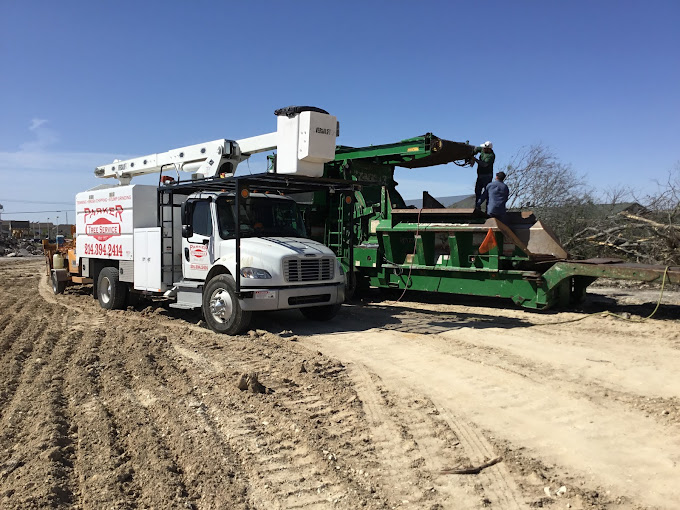
Stump Grinding to Stop Sprouting and Improve Looks
On almost any Plano street, you can spot it: a yard with a beautiful lawn and mature trees…interrupted by an old, gray stump that just won’t go away. Sometimes it’s sprouting new shoots every spring. Other times it’s just sitting there, attracting pests and getting in the way of mowing or landscaping.
In North Texas, where storms, clay soils, and fast-growing species lead to frequent Tree Removal, leftover stumps are more common than most property owners realize. A Texas A&M Forest Service report notes that storm-related tree damage costs Texans millions each year—and every removed tree usually leaves a stump behind.
This isn’t just an eyesore problem. Ignored stumps can create tripping hazards, harbor insects, and send out new sprouts that drain nutrients from your yard.
This guide explains how professional stump grinding stops regrowth, improves curb appeal, and protects the long-term health and safety of your landscape—especially in Plano’s demanding climate. You’ll see how the process works, what to expect, and how it ties into broader Stump Grinding and tree care strategies.
Key Insight: Removing the visible tree is only half the job. Proper stump grinding finishes the work—stopping sprouts, preventing hazards, and restoring a clean, usable landscape space.
Why Stumps Keep Sprouting (and Why That’s a Problem)
Many Plano homeowners are surprised when a tree is cut down, only to see new shoots popping up around the stump months later. That regrowth is the tree’s survival mechanism, and it’s especially common with species we see all over Collin County—hackberry, elm, mulberry, and some oaks.
Even after the trunk is removed, the root system is still alive. As long as it has stored energy, it can push out suckers and shoots from:
- The stump surface
- The root flare near the base
- Roots just below the soil line
Those sprouts cause several issues:
- Constant maintenance – You have to keep cutting or spraying them, often multiple times a year.
- Nutrient competition – They steal water and nutrients from nearby turf and shrubs.
- Unattractive appearance – A stump surrounded by random sprouts makes the yard look neglected.
“Leaving a live stump is like leaving the engine running with the car parked. It’s still using fuel—and it’s not going anywhere.” — ISA Certified Arborist
In Plano’s hot summers and mild winters, that regrowth cycle can continue for years. A homeowner in central Plano recently called us after fighting stump sprouts for three years along their fence line. Each year the growth came back thicker, and mowing became a hazard as the mower blades hit hidden roots and shoots.
Stump grinding solves this by mechanically removing the stump and upper root system below ground level. Once that core is gone, the tree loses its ability to keep pushing new growth to the surface.
How Professional Stump Grinding Works in North Texas Soils
Stump grinding is a specialized process, especially in our heavy Plano clay soils where roots can be shallow but wide-spreading. While a DIY approach might seem tempting, the right equipment and technique make a big difference in safety, efficiency, and final results.
The Basic Process
A professional Stump Grinding Service typically follows these steps:
1. Site inspection and marking – Utilities, irrigation lines, and nearby hardscape are identified and protected.
2. Equipment selection – For typical residential lots in Plano, a mid-size grinder can fit through gates and work close to foundations and fences.
3. Grinding the stump – A rotating cutting wheel systematically shaves the stump and major roots below grade, usually 6–12 inches deep depending on future plans for the area.
4. Debris management – The resulting mulch is either left to settle and decompose or removed so you can replant or resod.
A recent project near Legacy West involved a large live oak stump less than six feet from a stone patio. The homeowner wanted to avoid damaging the hardscape. By using a compact grinder and working in careful passes, we removed the stump to a depth of 10 inches and preserved the surrounding stonework completely.
Traditional vs. Modern Stump Removal Approaches
Here’s how stump grinding compares to older or DIY methods:
| Method | Cost Range (Plano Typical) | Time to Complete | Yard Impact | Regrowth Risk | Best For |
|---|---|---|---|---|---|
| Professional Stump Grinding | Moderate | 1–2 hours | Minimal, targeted | Very Low | Most residential & commercial |
| Full Stump Excavation | High | 1–2 days | Major soil disruption | Very Low | Construction, major regrading |
| Chemical Rot Accelerators | Low initial, long-term | Months–Years | Minimal at first | Moderate | Non-urgent, remote locations |
| DIY Rental Grinder | Lower upfront, higher risk | Varies | Risk of turf damage | Depends | Experienced operators only |
For most Plano properties, professional grinding offers the best balance of cost, speed, and minimal disruption.
Improving Curb Appeal and Property Value by Finishing the Job
A removed tree with a stump left behind is like a renovation project that stopped at the drywall stage. It’s technically functional, but it doesn’t look complete—and buyers and tenants notice.
In Plano’s competitive real estate market, exterior appearance matters. Real estate agents often estimate that strong curb appeal can influence perceived home value by 5–10%. A clean, stump-free yard sends a clear message: the property has been cared for properly, not just patched together.
Visual Impact of Stump Removal
After a stump is ground out and the area is leveled, several improvements become possible:
- Smooth, uninterrupted lawn for easier mowing
- Clean lines for flower beds and walkways
- Space for new trees or plants that better fit the property
- Safer play areas for kids and pets
A homeowner in West Plano recently scheduled Tree Removal Service for two declining Bradford pears in the front yard. They initially planned to leave the stumps “for later” to save money. After we showed them before-and-after photos from a nearby neighborhood, they opted for same-day stump grinding. Two months later, with new sod and a smaller ornamental tree installed, the entire front of the house looked newer—and they reported more showings and better feedback when they listed the home.
“Buyers rarely say, ‘I love this house because the stumps are gone,’ but they absolutely react to a yard that looks clean, open, and finished.” — Local Plano Realtor
Curb appeal isn’t just about aesthetics. A yard free of stumps and random sucker growth is easier to maintain and showcases other investments like fencing, lighting, and landscape design.
Safety, Pests, and Hidden Risks of Ignored Stumps
Beyond looks and regrowth, old stumps can quietly create safety and pest problems—especially in a climate like Plano’s, where warm weather accelerates decay and insect activity.
Safety Concerns
Stumps and surface roots are notorious for causing:
- Tripping hazards for children, visitors, and delivery drivers
- Damage to lawn equipment and blades
- Obstacles for emergency access or utility work
For commercial properties and HOAs, these hazards can translate into liability issues. A Plano business off Preston Road recently requested Emergency Tree Removal after a storm-damaged tree split over a parking lot. The next step was grinding the stump quickly, because the location sat right along a pedestrian path. Removing the stump eliminated a potential injury risk and kept the property in compliance with safety expectations.
Pest and Disease Issues
Decaying stumps and roots are magnets for:
- Termites
- Carpenter ants
- Wood-boring beetles
- Fungal diseases
While not every stump will become a pest hotspot, leaving rotting wood near your home or business simply increases the odds. Those insects and pathogens don’t always stay contained—they can move to nearby healthy trees or even structures.
Integrated tree health programs often combine stump management with Tree Fertilization Service and targeted Tree Pruning Service to promote overall landscape health and resilience.
Integrating Stump Grinding with Broader Tree Care Plans
Stump grinding is most effective when it’s part of a thoughtful, long-term approach to managing your trees and landscape—not just a one-off reaction to a removal.
Planning Around Tree Removal
Ideally, the conversation about stumps starts before the tree comes down. During a Tree Risk Assessment or Tree Inspection, an ISA-certified arborist can:
- Evaluate whether the tree truly needs to be removed or can be saved with Tree Disease Treatment or structural support
- Plan the removal and grinding in a way that protects nearby trees, irrigation, and structures
- Identify opportunities for replanting to maintain shade and property value
A Plano family near Oak Point Park lost a large red oak to storm damage. They scheduled Emergency Tree Service to deal with the immediate hazard, then worked with our team to grind the stump and design a replacement planting plan. Within a year, they had a new, better-placed shade tree and improved turf where the old stump had been.
Coordinating with Other Services
Stump grinding pairs naturally with:
- Professional Tree Trimming to reduce future storm damage
- Tree Root Care and Soil Conditioning to improve growth conditions
- Tree Planting and Tree Transplanting to refresh the landscape
- Lot Clearing, Brush Clearing, and Land Clearing for development or major redesigns
“Complete tree care means thinking about the full life cycle—from planting to removal and what happens after. Stump grinding is the final chapter of a tree’s story on your property.” — ISA Certified Arborist
By integrating stump grinding into an overall tree maintenance plan, Plano property owners can keep landscapes safer, healthier, and more attractive year after year.
Costs, Options, and Choosing the Right Approach in Plano
Every stump is different. Size, species, location, and root spread all influence how complex and costly removal will be. Understanding your options helps you choose what’s best for your property and budget.
Factors That Affect Stump Grinding Cost
In the Plano area, typical cost drivers include:
- Stump diameter and height – Larger stumps require more time and heavier equipment.
- Accessibility – Narrow gates, slopes, or obstacles can limit equipment options.
- Root spread and depth – Some species have extensive surface roots that also need grinding.
- End use of the area – Planning to plant a new tree or install hardscape may require deeper grinding.
For example, a small 12-inch crepe myrtle stump in a front yard might take 20–30 minutes and minimal cleanup. A 36-inch pecan stump in a fenced backyard with heavy surface roots could take significantly longer and require more careful planning.
Stump Grinding vs. Full Removal vs. “Do Nothing”
Here’s a simplified look at your main choices:
| Option | Upfront Cost | Long-Term Maintenance | Visual Result | Pest / Sprout Risk |
|---|---|---|---|---|
| Professional Grinding | Moderate | Very Low | Clean, level area | Very Low |
| Full Excavation | Highest | Very Low | Clean, but disrupted | Very Low |
| Leave Stump in Place | None | Ongoing sprout control | Visible stump | Higher |
| DIY Chemical Approach | Low | Long, uncertain | Slow, inconsistent | Moderate |
For most residential and light commercial properties in Plano, professional stump grinding offers the best blend of cost-efficiency, speed, and results.
What This Means for Businesses in Plano, TX
For Plano businesses, property managers, and HOAs, stump management isn’t just a cosmetic decision—it’s part of risk management, branding, and long-term asset protection.
Commercial properties along major corridors like US-75, Preston, and the Dallas North Tollway rely on clean, safe exteriors to attract customers and tenants. A landscape dotted with stumps, suckers, and decaying wood sends the wrong message about how the property is maintained.
Integrating stump grinding into broader Commercial Tree Service and Tree Maintenance Services plans offers several advantages:
- Reduced liability – Fewer trip hazards and equipment obstacles in parking lots, walkways, and common areas.
- Consistent brand image – Shopping centers, office parks, and apartment communities look cared-for and cohesive.
- Better long-term planning – Clear ground makes it easier to plan future plantings, signage, or outdoor amenities.
Many Plano-area HOAs now include regular Tree Inspection, Tree Consultation, and proactive removals with stump grinding in their annual budgets. This approach prevents the “patchwork” look that develops when trees are removed piecemeal and stumps are left behind.
For businesses and institutions—schools, churches, medical offices—stump grinding is often scheduled alongside Storm Damage Tree Service after major weather events. Taking care of stumps at the same time as removals avoids repeat disruptions and multiple visits.
In a city that prides itself on well-kept neighborhoods and commercial districts, finishing the job with stump grinding is a straightforward way to keep your property aligned with Plano’s high standards.
Frequently Asked Questions
Q: How long after tree removal should I schedule stump grinding?
A: You can grind the stump the same day the tree is removed, and in many cases that’s ideal. The root system is still clearly defined, the work area is already set up, and you avoid months of looking at a cut trunk. In Plano, where warm weather accelerates sprouting and decay, waiting too long can mean more sucker growth and increased pest activity. If your tree was taken down months or even years ago, stump grinding is still effective—it just may require a bit more time if the wood has hardened or the area has settled.
Q: Will stump grinding damage my lawn or irrigation system?
A: When done correctly by a professional Tree Service provider, impact on your lawn and irrigation should be minimal. Before grinding, we identify likely irrigation routes, valve boxes, and shallow lines. The grinder is carefully maneuvered to avoid unnecessary turf damage, and the work area is typically limited to a few feet around the stump. If you have a detailed irrigation map, sharing it helps reduce risk even further. After grinding, the area can be leveled, and you can reseed or resod as needed.
Q: Can I plant a new tree where the old stump was?
A: It’s possible, but not always recommended in the exact same spot—especially with large, mature trees. The old root system and remaining wood can limit available soil volume for a new tree’s roots. In Plano’s clay soils, this can lead to poor establishment. Often, we suggest shifting the planting location a few feet away from the original stump. During Tree Consultation, an arborist can help you choose the right species and placement, then coordinate stump grinding depth to support your replanting plans.
Q: Is stump grinding safe around foundations, fences, and patios?
A: Yes, when performed by experienced professionals using the right equipment. Compact grinders can operate close to structures without direct contact. The cutting wheel only engages soil and wood where it’s directed. In tight Plano backyards with fences, pools, and patios, we often use smaller, more maneuverable machines. Before starting, the crew will discuss any sensitive areas with you and may adjust depth or approach to protect nearby hardscape and structures.
Q: Will stump grinding stop all future sprouts and root growth?
A: Properly done stump grinding significantly reduces and usually eliminates visible sprouting. By removing the stump and the upper portion of the root system, you’re taking away the tree’s main ability to produce new shoots. In rare cases, especially with very aggressive species, you might see minor sprouting from more distant roots. These are typically small and short-lived, and they can be managed easily. Compared to leaving the stump in place, grinding is by far the most effective way to stop ongoing sucker growth.
Q: How does stump grinding fit with other tree services I might need?
A: Stump grinding is often the final step after Tree Removal or Dead Tree Removal. Many Plano property owners combine it with Tree Trimming Services Near Me to clean up remaining trees, or with Deep Root Fertilization to boost the health of nearby plants. For larger projects—such as Lot Clearing, Brush Clearing, or Land Clearing—stump grinding ensures the site is truly ready for new construction, landscaping, or turf installation.
Q: Should I hire a Certified Arborist for stump grinding, or is any contractor fine?
A: While stump grinding is more mechanical than diagnostic, working with a Certified Arborist or reputable Arborist Services provider has clear benefits. An arborist can evaluate the entire tree situation—why the tree was removed, how nearby trees might be affected, and whether soil or root issues need attention. They can also recommend follow-up services like Tree Preservation Services, Tree Crown Reduction, or Tree Borer Control if needed. In a complex landscape, that broader expertise often leads to better long-term outcomes than a “stump-only” contractor.
Ready to Get Started?
Plano’s growing seasons are long, and that means stumps don’t stay quiet for long. Each month you wait increases the chance of new sprouts, decay, and pest activity—not to mention one more season of tripping over that leftover trunk or working around it with your mower.
Scheduling professional stump grinding now allows you to reclaim that space before the next round of growth. Whether you’re planning new landscaping, improving curb appeal ahead of a sale, or simply tired of looking at an unfinished removal, finishing the job is one of the most cost-effective upgrades you can make to your property.
Parker Tree Service has been helping Plano homeowners and businesses with safe, efficient Stump Removal, Tree Removal Near Me, and comprehensive tree care for years. Our local team understands North Texas soils, species, and storm patterns—and we bring that experience to every project.
Reach out today to schedule an on-site assessment, get a clear quote, and put that stubborn stump behind you for good.
About Parker Tree Service
Parker Tree Service is a locally focused tree care company serving Plano, TX and surrounding communities. Our team provides full-spectrum Tree Care Services, from Residential Tree Service and Commercial Tree Service to Hazardous Tree Removal, pruning, fertilization, and stump grinding. Backed by industry training and years of experience with North Texas trees, we prioritize safety, honest recommendations, and long-term landscape health. Learn more about our services and approach at Parker Tree Service’s website.