
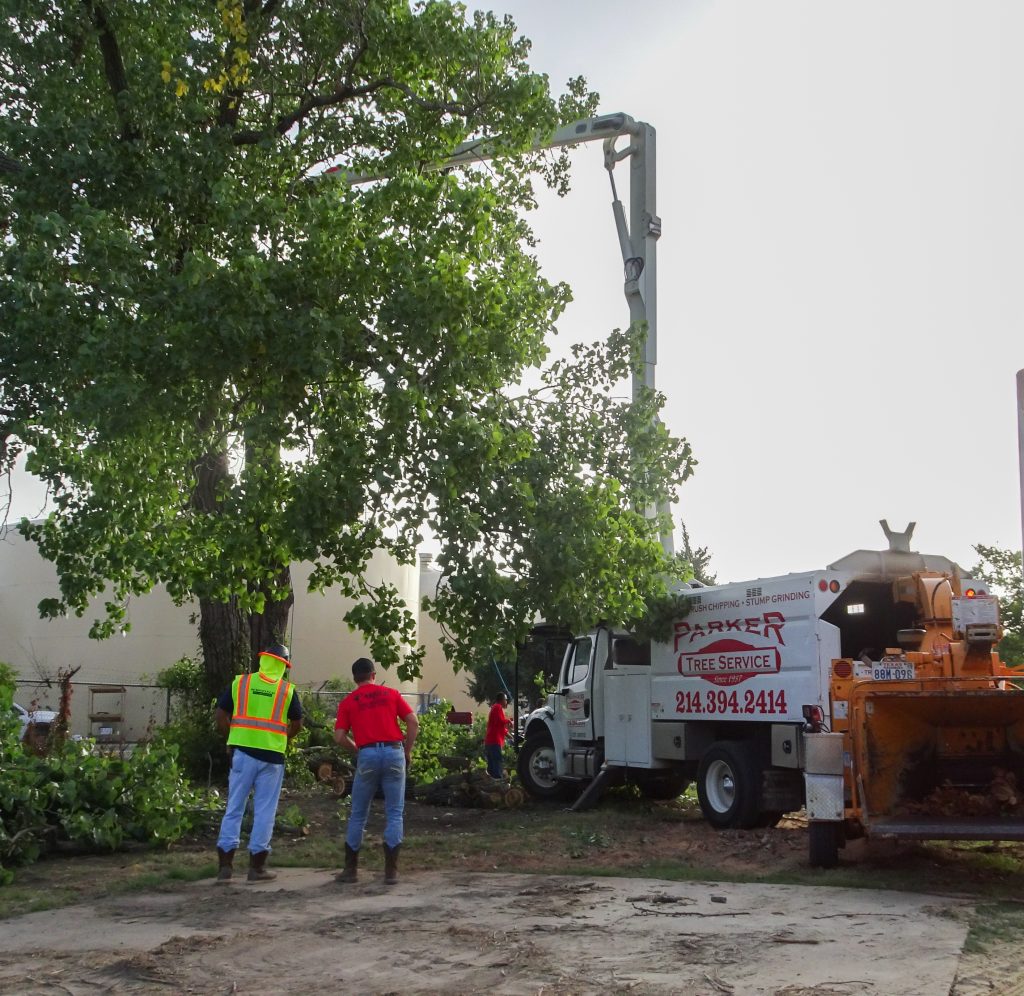
Effective Emergency Tree Removal for Homeowners
A split oak leaning over a roof in the middle of a thunderstorm. A massive limb blocking your driveway just as you’re trying to get the kids to school. A neighbor’s tree uprooted and resting on your fence after a strong North Texas windstorm. These aren’t rare events in Plano—they’re the kinds of calls local tree companies get every storm season.
The City of Plano has seen an increase in severe weather over the past decade, and with it, more property damage linked to trees. Industry data shows that falling trees or limbs cause millions of dollars in residential damage every year across Texas, much of it preventable with proper care and fast response.
If you’re a homeowner in Plano, knowing what to do in a tree emergency isn’t just helpful—it can protect your family’s safety and your home’s value. In this guide, you’ll learn how to recognize a true emergency, what safe and effective emergency tree removal looks like, how prevention can save you thousands, and how to choose the right partner when you search for help, not just any “tree service near me.”
Key Insight: Fast, safe emergency tree removal starts long before the storm—through smart planning, professional support, and knowing exactly who to call when minutes matter.
Recognizing a True Tree Emergency (Before It Becomes a Disaster)
Not every broken branch is an emergency, but some situations demand immediate attention. In North Texas, high winds, clay soil, and fast-growing shade trees create a perfect storm for sudden failures.
You’re dealing with an emergency if:
- A tree or large limb is touching or threatening power lines
- A tree has fallen on your home, garage, fence, or vehicle
- A tree is uprooted or leaning suddenly after a storm
- Large cracks have appeared in the trunk or major limbs
- The only access to your home is blocked
In Plano, we often see this after spring thunderstorms. A homeowner near Legacy West recently called after a mature pecan split down the middle, with one half resting on the roof and the other hanging over the neighbor’s driveway. Power lines were nearby. This wasn’t a situation for DIY.
“Any time a tree emergency involves utilities, structures, or limited access, it’s a job for trained professionals with the right equipment and insurance.” — ISA Certified Arborist
This is where having a trusted Emergency Tree Service already in your contacts can make a difference. Instead of scrambling online for “tree removal near me” while a cracked limb creaks over your driveway, you’re one call away from a team that understands Plano’s trees, soils, and weather patterns.
What Safe, Professional Emergency Tree Removal Actually Involves
Effective emergency tree removal is not just about cutting and hauling. It’s about managing risk, protecting property, and doing the work in a controlled, methodical way—even when the situation looks chaotic.
A professional Tree Removal Service will typically:
- Assess the scene for hazards (power lines, unstable structures, compromised trunks)
- Stabilize the area using ropes, rigging, and sometimes temporary supports
- Develop a removal plan that avoids secondary damage
- Use specialized equipment (bucket trucks, cranes, winches) where needed
- Coordinate with utilities or emergency services if lines are involved
A Plano homeowner off Spring Creek Parkway once called after a large red oak fell across two backyards, resting on a fence and barely touching a corner of a roof. Instead of cutting from the ground up—which could have caused the trunk to roll and crush the fence—our crew used controlled rigging from the canopy, removing weight in sections and lowering pieces safely.
CALLOUT: Effective emergency work focuses on control, not speed. The right team moves quickly but never rushes.
You’ll often see emergency removal paired with services like Stump Grinding and debris clean-up. Once the immediate hazard is removed, the goal is to restore your property so it’s safe, functional, and ready for long-term recovery.
Prevention vs. Emergency: Why Proactive Care Wins in Plano
Most “sudden” tree failures aren’t truly sudden. They’re the result of years of unnoticed stress, poor structure, or disease. Plano’s heavy clay soil, irrigation patterns, and heat put trees under chronic pressure, which makes proactive care essential.
Here’s how proactive care compares to emergency-only response for homeowners:
| Aspect | Reactive (Emergency Only) | Proactive (Ongoing Care) |
|---|---|---|
| Cost Over 5–10 Years (Typical) | High, unpredictable; large single-event bills | Moderate, predictable; spread out over time |
| Risk of Property Damage | Significantly higher | Significantly lower |
| Insurance Involvement | Frequent claims, potential premium impact | Fewer claims, better records of maintenance |
| Stress Level | High; urgent decisions under pressure | Lower; planned work at convenient times |
| Tree Longevity | Shortened; more removals | Extended; more preservation through Tree Health Care |
| Curb Appeal & Shade | Inconsistent; sudden losses | Stable; predictable canopy and shade |
One Plano family near Oak Point Park had a towering hackberry with a pronounced lean over their backyard. During a routine Professional Tree Trimming visit, our arborist spotted deep cracks and decay at the base—clear structural red flags. Instead of waiting for the next storm, they opted for controlled removal on a calm, dry day. They avoided what could have been a roof collapse and expensive emergency work.
“Preventive tree care is like regular dental checkups—far cheaper and less painful than a root canal.” — ISA Certified Arborist
Services like Tree Pruning, structural support, and periodic inspections dramatically reduce emergency risk, especially for large oaks, elms, and pecans common in Plano neighborhoods.
How Pruning, Health Care, and Soil Management Reduce Emergencies
The most effective emergency tree removal strategy is to make emergencies less likely. That starts with structural pruning, soil care, and targeted health treatments.
Smart Pruning for Stronger, Safer Trees
Thoughtful Tree Pruning Service focuses on:
- Removing weak, crossing, or overextended limbs
- Reducing weight on heavy branches over roofs and driveways
- Improving wind flow through the canopy
- Correcting poor structure in younger trees
Plano’s frequent wind events mean poorly pruned or “lion-tailed” trees (all foliage at the ends of long, bare branches) are especially vulnerable. Proper crown reduction and thinning can prevent the kind of failures that lead to emergency calls.
Soil and Root Health: The Hidden Foundation
Our local black clay soil compacts easily and swings between very wet and very dry. Services like Deep Root Fertilization and soil conditioning:
- Improve root development and stability
- Help trees handle drought and heat stress
- Reduce susceptibility to pests and disease
One homeowner near the Plano/Allen border had a large live oak dropping limbs every summer. After soil testing, we found compaction and nutrient deficiency. A program of deep root feeding, structural pruning, and improved irrigation reduced limb drop dramatically—and eliminated their pattern of “emergency” calls every storm season.
After the Storm: Cleanup, Stump Removal, and Long-Term Recovery
Once the immediate danger is gone, you’re left with the aftermath: broken branches, damaged turf, stumps, and sometimes injured trees that can still be saved. Handling this phase well can protect your property value and keep future risks low.
Dealing with Stumps and Root Systems
Leaving a stump can:
- Create a tripping hazard
- Attract pests and decay fungi
- Interfere with replanting or landscaping
Homeowners often ask about “affordable stump removal.” A professional Stump Grinding Service typically grinds the stump below grade, allowing you to re-sod or replant. In small Plano yards where space is limited, reclaiming that area makes a big difference.
Assessing Remaining Trees
After a major event, a certified arborist should evaluate nearby trees for:
- Hidden cracks or structural damage
- Root plate movement or newly developed leans
- Bark splitting or canopy loss
Sometimes, a tree that looks “mostly fine” is now a hazard. Other times, strategic pruning and targeted Tree Fertilization Service can help it recover and remain safe.
A homeowner in West Plano had a cedar elm lose about 40% of its canopy in a storm. Instead of removing the tree outright, our arborist recommended staged pruning, soil conditioning, and monitoring. Three years later, the elm is full, healthy, and structurally sound—no emergency removal needed.
CALLOUT: Don’t rush to remove every storm-damaged tree. An expert evaluation can often save valuable shade trees safely and cost-effectively.
Choosing the Right Emergency Tree Service in Plano
Not all tree companies are equipped for true emergency work. When a tree is on your roof at 2 a.m., the last thing you need is a crew that’s improvising.
What to Look For
When you’re evaluating a Plano-area Tree Service for emergency work, check for:
- ISA Certified Arborists on staff
- Proper insurance (general liability and workers’ comp)
- Experience with cranes, rigging, and complex removals
- 24/7 or rapid-response capability
- Familiarity with local tree species and soil conditions
A homeowner near the Shops at Legacy once called us after a large company from outside the area quoted a shockingly low price for a hazardous tree removal. A quick look at their “proposal” revealed no mention of insurance or safety protocols. In a tight urban lot with fences, patios, and neighbors’ homes close by, that’s a recipe for disaster.
“Price matters—but in emergency tree removal, experience, insurance, and safety matter more.”
Local vs. Out-of-Area Crews
After major storms, it’s common to see out-of-town trucks canvassing Plano neighborhoods. While some are legitimate, others are unlicensed or uninsured.
Local, established companies:
- Understand city codes and HOA expectations
- Know how common Plano species fail and recover
- Are around for follow-up work, warranties, and ongoing care
If you’re already working with a local team for routine Tree Maintenance Services, you’re in a much better position when an emergency hits.
What This Means for Homeowners in Plano, TX
Living in Plano means enjoying big shade trees, established neighborhoods, and outdoor living spaces—but it also means planning for North Texas weather. Strong winds, sudden storms, and expansive clay soil all increase the likelihood of tree failures.
For you as a homeowner, that has several practical implications:
- Large, mature trees near structures should never be “out of sight, out of mind.” Routine inspections and thoughtful Tree Pruning are essential.
- Having a relationship with a trusted local provider before an emergency strikes saves time, stress, and often money.
- Not every damaged tree needs removal—Plano’s canopy is a valuable asset, and smart recovery strategies can preserve it.
- Stump and debris removal are part of fully resolving a tree emergency, not “optional extras.”
Your trees are part of your home’s long-term value. They cool your house in the summer, create privacy, and add character that newer developments can’t easily replicate. By combining proactive care with a clear plan for emergencies, you protect that value—and the people who live under your roof.
Frequently Asked Questions
Q: How do I know if a damaged tree needs emergency removal or can wait?
A: Think about immediate safety and access. If a tree is on your roof, vehicle, or fence, blocking your driveway, leaning suddenly, or near power lines, it’s an emergency. Large hanging limbs over areas you use daily are also urgent. A certified arborist can distinguish between damage that’s structurally compromising and cosmetic issues that can be handled later through standard Tree Trimming. When in doubt, call a professional and describe the situation; photos and videos help determine how quickly a crew should respond.
Q: Will my homeowner’s insurance cover emergency tree removal?
A: In many Plano cases, insurance helps when a tree damages a covered structure (like your home, garage, or fence) or blocks your driveway. Policies typically don’t cover removal of a healthy tree that simply falls in the yard without damaging anything. Coverage varies, so it’s smart to review your policy and talk with your agent before storm season. A reputable Tree Removal Service will provide detailed invoices and documentation your insurer can use, and may even coordinate directly with your adjuster.
Q: Is it safe to try cutting up a fallen tree myself?
A: Even experienced DIY homeowners get hurt trying this. Fallen trees are often under tremendous hidden tension; a single cut can cause the trunk or limbs to shift suddenly. Add in chainsaws, ladders, and unstable footing, and the risk climbs. If the tree is near structures, fences, or utilities, the danger is even higher. For anything more than small, clearly stable branches on the ground, hire a professional crew that handles Emergency Tree Removal regularly and has the right safety gear and insurance.
Q: Can proper pruning really prevent emergency situations?
A: Absolutely. Thoughtful Tree Pruning Services Near Me focus on strengthening structure, reducing weight on long or overextended limbs, and improving wind resistance. In Plano’s wind-prone climate, that can mean the difference between a tree that bends and one that breaks. Regular pruning also makes it easier for arborists to spot early signs of decay, cracks, or poor branch attachments before they fail. While no tree can be made 100% storm-proof, good pruning significantly lowers emergency risk.
Q: How quickly can an emergency tree service usually respond in Plano?
A: Response time depends on storm severity and call volume. During widespread events, crews prioritize life safety and serious property damage: trees on homes, blocking driveways, or near power lines. Established local companies that offer Emergency Tree Service typically triage calls to reach the most critical situations first, then work through less urgent damage. Having an existing relationship as a regular customer can sometimes help with scheduling, but reputable providers aim to assist all homeowners as quickly and safely as possible.
Q: What should I do while waiting for the tree crew to arrive?
A: First and foremost, stay safe. Keep people and pets away from the damaged area. Don’t walk under cracked limbs or near leaning trees. If power lines are involved, stay far back and call the utility company immediately. Take photos and video for documentation, then move vehicles or valuables if you can safely do so. Avoid cutting branches yourself, especially if they’re under tension or off the ground. When the Tree Removal crew arrives, share what you’ve observed and any concerns about hidden damage.
Q: After emergency removal, how soon can I plant a new tree?
A: In most Plano yards, you can replant relatively soon once Stump Removal and cleanup are complete. However, the soil may be compacted from equipment or stressed from root disturbance. It’s often wise to condition the soil and, if needed, use Tree Root Care practices to prepare the site. A certified arborist can help you choose the right species and location so your new tree thrives and is less likely to become a future emergency.
Ready to Get Started?
The best time to prepare for a tree emergency is before you hear that crack in the middle of the night. If you have large trees near your home, driveway, or property line in Plano, a professional assessment and thoughtful pruning plan can dramatically reduce your risk. And if you’re already facing a fallen or hazardous tree, fast help from an experienced team can keep a bad situation from getting worse.