
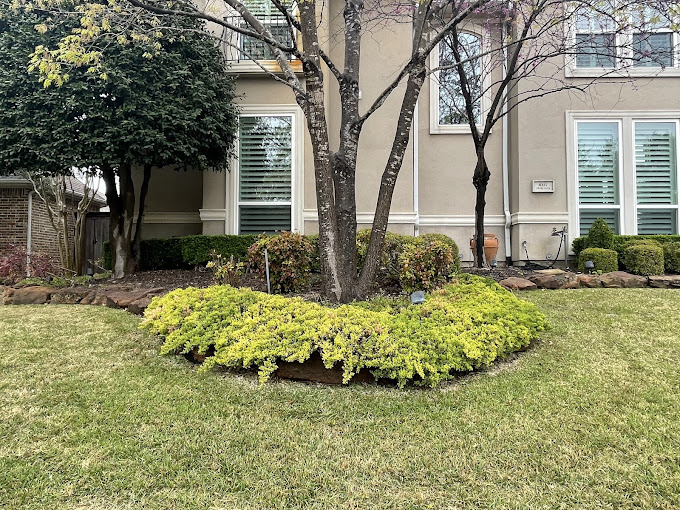
Signs You Need Professional Tree Removal
A large, mature oak in Plano can add tens of thousands of dollars in curb appeal and shade value to your property. But that same tree—if it’s decaying, leaning, or damaged—can turn into a serious liability overnight. In Collin County, strong spring storms and sudden wind events are common, and local insurers routinely see claims from fallen limbs and uprooted trees after just one bad night of weather.
According to industry data, a single large branch failure can cause $5,000–$20,000 in damage to roofs, vehicles, or commercial signage—and that’s before you factor in business downtime or safety risks. Many of these incidents could have been prevented with timely assessment and professional removal.
This guide walks you through the clearest signs that a tree on your Plano property has become a risk and what to do about it. You’ll learn how to spot structural problems, recognize disease and pest damage, understand storm-related hazards, and know when it’s time to call a professional Tree Removal Service instead of trying to handle it yourself.
Key Insight: Knowing the early warning signs of a failing tree—and acting before the next storm—can save you money, protect your property, and keep people safe.
1. Structural Warning Signs You Can’t Ignore
Some trees look “mostly fine” from the driveway, but up close they’re telling a very different story. Structural issues are often the first and most serious signs that you may need professional tree removal.
Visible Lean and Movement
A tree that has always grown at a slight angle is usually not a concern. But if you notice:
- A sudden new lean after a storm
- Cracks opening in the soil on one side of the trunk
- Exposed roots or lifting turf
that tree may be losing its grip on the ground. In Plano’s clay-heavy soils, heavy rain can soften the root zone, and wind gusts can tip compromised trees without much warning.
“Any recent change in a tree’s lean is treated as a high-priority risk during a professional Tree Risk Assessment.” — ISA Certified Arborist
Cracks, Splits, and Weak Branch Unions
Look closely at:
- The main trunk
- Where large limbs meet the trunk
- Major branches over driveways, parking lots, or roofs
Long vertical cracks, deep splits, or “V-shaped” branch unions with included bark (where bark is pinched inside the union) can signal a high likelihood of failure. These defects are especially dangerous in older oaks and pecans common in North Texas neighborhoods.
Real Plano Example
A small business off Preston Road called Parker Tree Service after noticing a large hackberry leaning farther over their employee parking area. Our ISA Certified Arborist inspected the tree and found a major crack along the trunk and decayed roots on the parking-lot side. Because corrective pruning couldn’t restore structural integrity, we recommended prompt removal. The owner agreed, and two weeks later a strong storm rolled through Plano—exactly the kind of event that would likely have brought that tree down onto several vehicles.
Most structural failures are not fixable with pruning alone. Professional evaluation—and often professional removal—is the safest route when you see major cracks, sudden leaning, or root instability.
2. Hidden Enemies: Disease, Decay, and Pests
Not every dangerous tree looks dead. Many failing trees in Plano still have green leaves on top while the trunk or roots are quietly rotting away. Disease, decay, and insect damage can all weaken a tree from the inside out.
Signs of Internal Decay
You may need professional Tree Removal when you notice:
- Mushrooms or fungal conks growing at the base or on the trunk
- Soft, spongy, or hollow-sounding wood when tapped
- Large cavities or missing bark exposing dark, crumbly wood
- Sawdust-like material (frass) around the base or in bark crevices
In Plano, we frequently see decay in older oaks, elms, and ornamental pears. Once decay has compromised a significant portion of the trunk or main roots, the tree’s ability to bear weight and withstand wind is drastically reduced.
Insects and Borers
Tree borers and other wood-destroying insects are a serious concern in North Texas. If you notice:
- Small, round or D-shaped exit holes in bark
- Fine sawdust at the base of the tree
- Branch dieback starting at the top and working downward
you may be dealing with an infestation that requires professional Tree Pest Control, Wood Borer Treatment, or, in more advanced cases, full removal.
“By the time many property owners notice borer damage, the tree’s structural integrity is already severely compromised.” — Parker Tree Service Arborist
Disease That Crosses the Line
Some tree diseases can be managed through pruning and Tree Disease Treatment. Others, especially when caught late, may make removal the safest option to:
- Protect nearby healthy trees
- Prevent spread of pathogens or pests
- Eliminate a structurally weakened hazard
Our team often sees this with severely infected ornamental trees in Plano neighborhoods, where removal and replacement are more cost-effective than long-term treatment that still leaves a weak structure.
3. Storm Damage and Emergency Situations
North Texas storms don’t give you much warning. One strong line of thunderstorms over Plano can turn a healthy-looking tree into an urgent safety hazard.
When Storm Damage Becomes an Emergency
You may need immediate Emergency Tree Removal if:
- A tree or large limb is resting on your roof or power lines
- A tree has partially uprooted and is leaning toward a structure
- Large, hanging branches are broken but still suspended overhead
- A tree has split down the center after lightning or high winds
These situations are extremely dangerous to handle without professional equipment and training. Even branches that appear stable can shift suddenly as wind, gravity, or rainfall changes the load.
“After a storm, the most dangerous trees are often the ones that are still standing but severely compromised.” — Storm Damage Tree Service Crew Leader
Local Storm Story
During a spring thunderstorm in Plano, a mature pecan in a residential backyard split down the middle, with one half lodged into another tree and the other half hanging over a neighbor’s fence and shed. The homeowner initially thought they could cut it down themselves over the weekend. After noticing the trunk shifting in light wind, they called Parker Tree Service for an emergency Tree Service assessment.
Our crew secured the area, coordinated with the neighbor, and used specialized rigging to remove the damaged sections in stages. The homeowner later told us that a DIY attempt “would have been a disaster” and likely caused significant property damage.
Proactive vs. Reactive: Cost and Risk
| Approach | Description | Typical Cost Range in Plano | Primary Risk Level |
|---|---|---|---|
| Proactive Tree Risk Assessment | Regular inspections, pruning, hazard mitigation | Low to Moderate | Low – issues caught early |
| Reactive Emergency Tree Service | 24/7 response after storm or failure | Moderate to High | High – damage already present |
| DIY Storm Cleanup | Property owner removes limbs/trees themselves | Low out-of-pocket, high risk | Very High – safety & liability |
\Actual costs vary by tree size, access, and complexity.
Proactive maintenance and early removal of hazardous trees almost always cost less—and carry far less risk—than waiting for the next big storm.
4. Overcrowding, Poor Placement, and Conflicts with Structures
Not every tree that needs removal is diseased or storm-damaged. Sometimes a tree is simply in the wrong place, creating conflicts with buildings, utilities, or other trees.
Trees Too Close to Structures
In Plano’s established neighborhoods, it’s common to see large trees planted:
- Right next to foundations
- Under power lines
- Within a few feet of driveways or sidewalks
As these trees mature, they can:
- Uplift concrete and damage hardscapes
- Rub against roofs or siding
- Drop heavy limbs over parking areas or play spaces
While Professional Tree Trimming and Tree Crown Reduction can help, some placement issues are so severe that removal is the most practical long-term solution.
Overcrowding and Competition
Too many trees in a small area can lead to:
- Thin, weak crowns as trees compete for light
- Leaning trunks reaching for sun
- Shallow, competing roots that weaken overall stability
Strategic removal—guided by an Arborist—can improve the health and appearance of the trees you keep. This is especially important for commercial properties in Plano, where clean lines of sight, signage visibility, and safe pedestrian pathways matter.
“Tree Mitigation isn’t always about removing the biggest tree; it’s about preserving long-term safety, health, and value across the entire landscape.” — Parker Tree Service Arborist
Real-World Example
A Plano office park had a row of large elms planted just a few feet from the building and parking lot. Over time, roots began lifting the parking surface and branches regularly brushed against the second-story windows. Our team performed a Tree Survey and recommended removing three problem trees while preserving and reshaping the remaining canopy.
We used a combination of Tree Crown Thinning and selective removal to open up the space, protect the building, and maintain shade where it was most beneficial. The property manager later noted reduced maintenance costs and improved tenant satisfaction.
5. When Pruning Isn’t Enough: Knowing the Limits
Many property owners in Plano understandably prefer to save mature trees whenever possible. Skilled Tree Pruning and Tree Shaping can solve a lot of problems—but not all of them.
Situations Where Pruning Works
Pruning is typically effective when:
- The tree is structurally sound
- Only a few branches are dead or crossing
- Clearance from roofs, lights, or walkways is needed
- You’re managing size within reason (not topping)
Proper Tree Pruning Service performed by an ISA Certified Arborist can extend a tree’s life, reduce risk, and improve appearance significantly.
Situations Where Removal Is the Safer Choice
Removal may be the right call when:
- More than 40–50% of the canopy is dead or declining
- Major structural defects affect the trunk or main stems
- Root damage from construction or utilities is severe
- The tree species is prone to failure in local conditions
- Extensive decay or pests have weakened the base
In these cases, continued pruning becomes a short-term bandage on a long-term problem. Each year you delay removal, risk to structures, vehicles, and people increases.
Comparison: Aggressive Pruning vs. Removal & Replacement
| Option | Pros | Cons | Best For |
|---|---|---|---|
| Aggressive Pruning | Keeps tree for a few more years, lower upfront cost | May not solve structural issues, recurring cost | Short-term risk reduction |
| Full Removal + New Planting | Eliminates hazard, long-term solution, better species choice | Higher initial cost, loss of mature shade | Long-term property value and safety |
Our goal at Parker Tree Service is always to preserve trees when it’s safe and reasonable. But we’ll also be honest when removal is the most responsible option.
6. What Happens After Removal: Stumps, Roots, and Soil Health
Many property owners focus on the visible tree and forget about what’s left behind. Properly handling the stump, roots, and soil after removal is an important part of protecting your landscape investment.
Stump Grinding vs. Leaving the Stump
Once a tree is removed, you’ll need to decide whether to:
- Leave the stump in place
- Use a Stump Grinding Service
- Opt for full Stump Removal
Leaving a stump may seem cheaper, but it can:
- Attract pests and decay fungi
- Create a tripping hazard
- Interfere with mowing and landscaping
- Send up unwanted suckers or sprouts
Most Plano homeowners and businesses choose stump grinding for a clean, level surface that can be replanted with grass, shrubs, or a more suitable tree.
“Affordable Stump Removal is often the final step in truly resolving a hazard and restoring usable space in your yard or commercial landscape.” — Parker Tree Service Crew
Root and Soil Recovery
After removal, attention to soil and root conditions helps your landscape bounce back:
- Deep Root Fertilization and soil conditioning can revitalize surrounding trees stressed by the loss of a companion tree.
- Proper cleanup and grading reduce trip hazards and pooling water.
- A thoughtful replanting plan ensures the new tree’s roots won’t create the same problems in 10–20 years.
Example: From Hazard to Healthy Landscape
A Plano homeowner had a large, decaying silver maple removed from the front yard. The stump was left by a previous contractor, and over time it attracted ants and caused lawnmower damage. When they called Parker Tree Service, we:
- Ground the old stump well below grade
- Improved the compacted soil with organic matter
- Recommended a better-suited replacement tree for the size of the yard
Within a season, the front yard was safer, more attractive, and easier to maintain.
What This Means for Businesses in Plano, TX
For Plano businesses—whether you manage a retail center along Spring Creek Parkway or a corporate campus near Legacy West—trees are both an asset and a potential liability. Customers, tenants, and employees notice healthy, well-maintained trees; they also notice fallen branches, blocked signage, and unsafe walkways.
Professional Commercial Tree Service helps you:
- Reduce liability from dead limbs or hazardous trees near parking areas and entrances
- Protect buildings, signage, and outdoor fixtures from root and branch damage
- Maintain clear sightlines to storefronts, traffic signals, and security cameras
- Align with local regulations and Tree Preservation Services requirements
Plano’s rapid growth and frequent construction mean more underground utilities, more foot traffic, and more pressure on existing trees. A neglected, hazardous tree near high-traffic areas can quickly become a legal and financial headache.
By scheduling regular Tree Maintenance Services and addressing removal needs promptly, you’re not just “cleaning up the landscape.” You’re:
- Managing risk proactively
- Preserving property value
- Supporting a safer, more welcoming environment for customers and staff
If you’re unsure whether a tree on your property is an asset or a liability, a professional Tree Inspection and Tree Risk Assessment from an ISA Certified Arborist Near Me is the best place to start.
Frequently Asked Questions
Q: How do I know if a tree really needs to be removed or just pruned?
A: The decision between Tree Pruning and removal depends on the tree’s structural integrity, health, and location. If less than a third of the canopy is dead, the trunk is sound, and roots are stable, a skilled Tree Pruning Service can often correct issues and reduce risk. However, if there are major trunk cracks, severe decay, extensive pest damage, or significant root problems—especially near structures or parking areas—removal is usually safer. In Plano, our ISA Arborist Near Me will perform a Tree Risk Assessment, explain what they see in plain language, and outline both options with estimated lifespan, risk, and cost so you can make an informed choice.
Q: Is it safe to remove a tree myself if it’s small?
A: Even small trees can be dangerous to remove without the right training and equipment. Factors like lean, proximity to power lines, hidden decay, and unpredictable branch tension can quickly turn a DIY project into an emergency. We often get calls in Plano from homeowners who started a removal themselves and realized, midway through, that the tree was shifting toward their roof or fence. A professional Tree Service Near Me brings experience, rigging, and safety procedures that protect you, your property, and adjoining structures. For anything taller than you can safely handle with both feet on the ground—and especially for trees near buildings or lines—professional Tree Removal is strongly recommended.
Q: How does storm damage change the urgency of tree removal?
A: After a storm, trees that were marginally safe may become urgent hazards. Cracked branches, split trunks, and partially uprooted trees can fail without warning, especially during the next wind event. In Plano, we see many cases where a tree looks “mostly okay” from the street but is actually resting on another limb or structure in a way that’s unstable. If a damaged tree is near your home, driveway, or a public walkway, you should treat it as a priority and call for Emergency Tree Service. Our team can quickly assess whether immediate Emergency Tree Removal is needed or if corrective pruning and cabling can stabilize the tree safely.
Q: What about the stump—do I really need to have it ground out?
A: While you don’t have to remove a stump, most Plano property owners find that leaving it creates more problems than it solves. Exposed stumps are tripping hazards, attract pests, and make mowing and landscaping difficult. Some species also resprout aggressively from the stump, leading to ongoing maintenance headaches. A professional Stump Grinding or Stump Removal service eliminates those issues and gives you a level surface for replanting or turf. For commercial properties, removing stumps near walkways and parking areas can also reduce liability concerns and improve overall appearance.
Q: Can a sick or pest-infested tree be saved instead of removed?
A: Often, yes—if the problem is caught early and the structure is still sound. Many diseases, nutrient deficiencies, and pests respond well to targeted Tree Health Care, including Tree Fertilization Service, Tree Borer Control, and Webworms Treatment. In Plano, we frequently save valuable shade trees through a combination of Tree Root Care, soil conditioning, and selective pruning. However, if decay or infestation has severely weakened the trunk or main roots, treatment may not restore structural integrity. In those cases, removal is the safer option to protect nearby trees and structures. An ISA Arborist will explain whether treatment is likely to succeed or whether Tree Removal Near Me is the more responsible choice.
Q: How much does professional tree removal typically cost in Plano?
A: Costs vary based on tree size, access, condition, and proximity to structures or power lines. A small, easily accessible tree will cost far less than a large oak overhanging a house with limited access. Emergency Tree Removal after storms can also be more complex, sometimes requiring cranes or special rigging. During a Tree Consultation, Parker Tree Service provides a clear, written estimate that includes removal, cleanup, and optional Stump Grinding Near Me. While professional removal is an investment, it’s often far less than the cost of repairing roof damage, vehicle damage, or medical bills from a failed DIY attempt.
Q: How do I choose the right tree service company?
A: Look for a company with ISA Certified Arborists, proper licensing and insurance, and a strong track record in the Plano area. Ask whether they follow industry safety standards, how they protect surrounding property, and what their cleanup process includes. A reputable Tree Service should offer clear communication, written estimates, and references or reviews from local customers. At Parker Tree Service, we’ve provided Residential Tree Service and Commercial Tree Service in North Texas for years, and our team is trained in best practices for Tree Removal, Tree Trimming, and Tree Preservation Services. Choosing an experienced local provider means you’re working with professionals who understand Plano’s soils, tree species, and weather patterns.
Ready to Get Started?
Hazardous trees rarely get better on their own. In Plano’s climate—where intense sun, clay soils, and strong storms all take a toll—small problems can turn into big risks between one season and the next. If you’ve noticed leaning trunks, large dead limbs, cracking bark, or storm damage, this is the time to act, not after the next thunderstorm rolls through.
The next step is simple: schedule a professional Tree Inspection with Parker Tree Service. Our ISA Certified Arborists will walk your property, identify any trees that pose a risk, and explain your options—from corrective Tree Trimming Services Near Me to full Dead Tree Removal or Hazardous Tree Removal, plus optional Affordable Stump Removal and soil care.
We’ve helped countless homeowners and businesses in Plano make safe, confident decisions about their trees. Whether you need routine Tree Maintenance Services or urgent Fallen Tree Removal after a storm, our local team is ready to help protect your property and restore peace of mind.
About Parker Tree Service
Parker Tree Service is a locally operated tree care company serving Plano, TX and surrounding North Texas communities. Our team includes ISA Certified Arborists and experienced crews specializing in Tree Removal, Tree Pruning Near Me, Tree Health Care, and Stump Grinding for both residential and commercial properties. With years of experience in Plano’s unique soils, weather, and tree species, we focus on safety, transparent advice, and long-term tree preservation whenever possible. Learn more about our services and history at our homepage.