
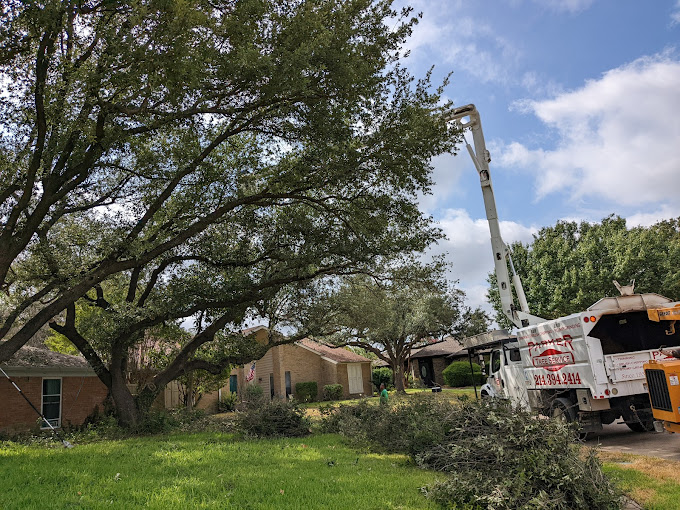
When a tree finally comes down, the work in your yard is not actually finished. The removal may solve an immediate problem – a diseased oak, a storm-damaged elm, or a tree growing too close to your Plano, TX home – but what happens in the days, weeks, and months after the crew leaves can determine whether your landscape recovers smoothly or struggles. Aftercare following tree removal is about protecting your soil, nearby plants, and even your property’s value while setting the stage for whatever comes next in that space.
Many homeowners assume that once the trunk and branches are hauled away, nature will simply “take it from here.” In reality, a removed tree leaves behind compacted soil, a disturbed root zone, possible pests or disease organisms, and a sudden change in shade and moisture patterns. Ignoring those changes can lead to sinking spots in the lawn, invasive weeds, fungal growth on the old stump, and stress on surrounding trees and shrubs. With a bit of thoughtful aftercare, however, you can turn a rough patch of ground into a healthy, stable part of your yard again.
For residents of Plano, TX, where clay-heavy soils and intense summer heat already challenge landscapes, paying attention to these aftercare steps is especially important. Parker Tree Service regularly helps homeowners not just remove trees safely, but also understand what to do afterward so the property stays safe, attractive, and ready for future planting. The following tips walk through what to watch for and how to care for your yard once a tree is gone.
Assessing The Site Immediately
The first step in effective aftercare is a careful look at what the removal has actually left behind. Once the Parker Tree Service crew finishes, take time to walk the area and observe the stump, surrounding soil, nearby plants, and any structures close to the removed tree. You are looking for signs of soil compaction from heavy equipment, torn turf, exposed roots from neighboring trees, and any remaining debris such as small branches or wood chips. This initial assessment gives you a clear picture of what needs attention right away versus what can be handled over the next few weeks.
Pay close attention to grading and water flow. A large tree removal can subtly change how water moves across your yard, especially in Plano’s clay soils that tend to hold water on the surface. After a rain, you might see new puddling where the root system once absorbed moisture. If you notice low spots forming around the stump or in ruts left by equipment, make a note to address these early. Poor drainage can lead to root rot in nearby plants and create mosquito-friendly standing water.
Also evaluate the condition of nearby trees and shrubs. When a big tree comes down, it can expose other plants to direct sun they have never experienced before. Leaves that were used to filtered light may suddenly face full Texas sun in July or August. You may need to adjust your watering routine or even provide temporary shade for sensitive plants. Documenting these changes right after removal helps you respond before plants show stress, such as leaf scorch or wilting.
Dealing With The Stump And Roots
One of the most important decisions in aftercare is what to do with the stump. Some homeowners choose to leave it in place for budget or timing reasons, while others opt for stump grinding during the removal visit. Leaving a stump can seem harmless, but there are trade-offs to consider. Over time, an untreated stump can sprout new shoots, become a home for insects, or slowly decay and attract fungi. In Plano’s neighborhoods, a rotting stump can also create an uneven surface that is unsafe for kids and pets.
If the stump was ground down, you will likely see a mound of wood chips mixed with soil. This material can be useful, but it should not be left as-is if you plan to replant or lay new sod. As wood chips decompose, they tie up nitrogen in the soil, making it harder for new grass or plants to thrive. A good aftercare step is to remove a portion of those chips, especially the top layer, and replace it with fresh topsoil or a soil-compost mix. You can still use some chips as mulch elsewhere in the yard, just keep them a few inches away from plant trunks and stems.
Below ground, the old root system will gradually break down over several years. During that time, you may see sections of the lawn sink as large roots decompose and leave air pockets. Checking the area periodically and adding soil to low spots can keep the ground level and prevent trip hazards. If the removed tree was close to your home, driveway, or sidewalk, it is a good idea to monitor those structures as well. Roots that once pushed up concrete or foundations will no longer be exerting pressure, and very slow settling can occur. While this is usually minor, noting any changes early lets you consult a professional if needed.
Restoring Soil Health And Structure
Tree removal equipment, foot traffic, and the tree’s own root loss can leave the soil compacted and depleted. Healthy soil is the foundation for any future planting, so aftercare should include steps to bring it back to life. In Plano, where many yards sit on dense clay, compaction is already a challenge; the weight of trucks or stump grinders can press the soil even tighter, reducing the air spaces roots need to breathe. A simple test is to try pushing a hand trowel into the ground. If it is very difficult, compaction is likely an issue.
One approach is to gently loosen the soil in the affected area without disturbing nearby roots. For lawn areas, you can use a core aerator or a manual aeration tool to pull small plugs of soil from the ground, improving air and water movement. For future planting beds, use a garden fork to loosen the top several inches, then mix in organic matter such as compost. Adding organic material helps clay soils drain better while also holding onto nutrients and moisture more evenly.
Because the removed tree was a major nutrient user, the soil may be imbalanced. A soil test can reveal whether you need to adjust pH or add specific nutrients. This is especially useful if you plan to replant another tree or a high-maintenance landscape bed in that spot. In some cases, working with an Arborist to design a deep root fertilization plan for surrounding trees can help them adjust to the loss of a neighboring tree and maintain overall yard health. Parker Tree Service often recommends targeted fertilization when a large specimen tree has been removed from a mature landscape.
Adapting To New Light And Water Conditions
Removing a tree dramatically changes the microclimate of your yard. Areas that were in shade for years may suddenly be sunbaked, while the patterns of wind and moisture shift almost overnight. This is one of the most overlooked aspects of aftercare, yet it has a huge impact on how well the rest of your landscape performs. Observing these changes for a full season can help you adjust irrigation schedules, plant choices, and even mulch placement.
In Plano’s hot summers, new sun exposure can stress shade-loving plants that previously thrived under the removed tree’s canopy. You might see leaves turning yellow or brown on the side facing the new opening in the sky. To help these plants transition, consider adding a layer of organic mulch around their bases to keep roots cooler and conserve moisture. You may also need to increase watering frequency for a while, especially during heat waves, until plants acclimate or you decide to relocate them to a shadier spot.
On the flip side, areas that were always dry under a dense canopy may now receive regular rainfall. You might notice moss, weeds, or even erosion in places that were once bare. Adjust irrigation zones so you are not overwatering newly exposed ground that now gets more rain. If the removed tree was intercepting a lot of runoff from your roof or higher parts of the yard, you may need to redirect downspouts or add shallow swales to guide water away from foundations and toward planting beds that can use it productively.
Planning What Comes Next
Aftercare is not just about repair; it is also about vision. Once a tree is gone, you have a rare opportunity to rethink that part of your landscape. Do you want another tree in the same spot, or would a smaller ornamental tree be better suited to Plano’s climate and your home’s architecture? Perhaps you want to create a sitting area, a pollinator garden, or a play space for children instead. Taking time to plan prevents rushed decisions and avoids planting something that will create the same issues in a few years.
If you intend to replant a tree, keep in mind that you should not place the new tree directly on top of the old root system if it can be avoided. The decaying roots and remaining stump can make establishment harder for a young tree. Shifting the planting location a few feet away, where the soil has been improved and is not filled with large old roots, can give the new tree a stronger start. Choosing species that handle North Texas heat, occasional freezes, and clay soils will also reduce long-term maintenance. Local professionals like Parker Tree Service can recommend species that do well specifically in Plano’s neighborhoods.
For homeowners who choose not to replant a tree, aftercare might involve creating a new garden bed or smoothing and reseeding the lawn. In either case, think about balance: a large removed tree may have provided shade that kept your home cooler or created privacy from neighbors. If you remove that element without replacing it in some way, you may need to adjust window treatments, outdoor seating arrangements, or even your energy-use habits. Good aftercare planning looks at the yard as part of the whole property, not just a patch of dirt where a tree used to be.
Monitoring For Pests, Disease, And Regrowth
The weeks and months after tree removal are a time to stay observant. If the tree was removed due to disease or heavy insect infestation, you will want to watch nearby trees and shrubs for early signs of the same problems. Fungal diseases, borers, and other pests can sometimes move from a removed tree to remaining vegetation. Regular visual checks of bark, leaves, and branch tips can catch issues while they are still manageable.
Stump sprouting is another common issue. Some tree species, especially certain hardwoods, will attempt to regrow from the stump and roots after removal. You may see clusters of small shoots popping up around the stump or even several feet away where roots run underground. If you do not want the tree to regrow, cut these shoots back promptly and consistently. Allowing them to grow large only makes removal harder later. In stubborn cases, you may need professional help to fully eliminate regrowth.
Finally, keep an eye on the general health of the area. Is the soil staying soggy longer than before? Are mushrooms appearing in clusters where large roots are decaying? Are nearby fences, patios, or walkways shifting slightly as the ground changes? Most of these developments are normal parts of the landscape adjusting, but noting them early lets you decide if simple DIY steps are enough or if you should consult a tree care expert to evaluate the broader health of your yard.
Frequently Asked Questions
How long does it take for the ground to settle after tree removal? In most Plano, TX yards, you can expect the ground to continue settling for one to three years after a large tree is removed. As old roots decompose and air pockets collapse, the soil may sink in spots, especially where heavy equipment traveled or where the stump was ground out. It is a good idea to check the area every few months, adding topsoil to low spots and reseeding grass as needed. This gradual maintenance keeps the surface level and prevents larger, more expensive grading work later.
Can I plant a new tree immediately where the old one was? You can replant relatively soon, but it is usually better not to place the new tree directly on top of the old stump or major roots. The decaying wood can create unstable footing and may harbor fungi that are not ideal for a young tree. Shifting the planting site a few feet away, improving the soil, and selecting a species well-suited to Plano’s conditions will give your new tree a stronger start. If you are unsure about spacing or species selection, Parker Tree Service can help you design a replanting plan tailored to your yard.
What should I do with the wood chips left after stump grinding? The wood chips are useful as mulch, but they should be managed carefully. If you leave a thick layer of chips where the stump was, the decomposing wood can tie up nitrogen in the soil and make it harder for new grass or plants to grow. A good approach is to remove some of the chips from the immediate area, mix the remaining chips with soil, and then top the area with fresh topsoil before planting. Extra chips can be spread in flower beds or around trees as mulch, keeping them a few inches away from trunks to prevent moisture buildup against the bark.
Do I need to treat the area if the removed tree was diseased? In many cases, simply removing the infected tree and its major debris is enough, but it depends on the disease. Some fungal pathogens and insect pests can linger in stumps, roots, or nearby soil. If the tree was removed because of a serious disease, ask your tree care provider exactly what was involved and whether nearby trees are at risk. Monitoring surrounding plants for early symptoms and, if recommended, using targeted treatments can prevent the problem from spreading. Consulting a qualified Arborist is especially valuable when you have multiple mature trees in close proximity.
How soon can I repair my lawn after tree removal? You can start basic lawn repair fairly quickly, but timing it with the growing season will give better results. Once debris and excess wood chips are cleared and the soil is roughly leveled, you can add topsoil and reseed or lay sod during the appropriate season for North Texas. In Plano, spring and early fall are usually the best times for establishing grass, as temperatures are milder and moisture is more consistent. Continue to monitor the area for settling and be prepared to add more soil or seed if small depressions appear over the next year or two.