
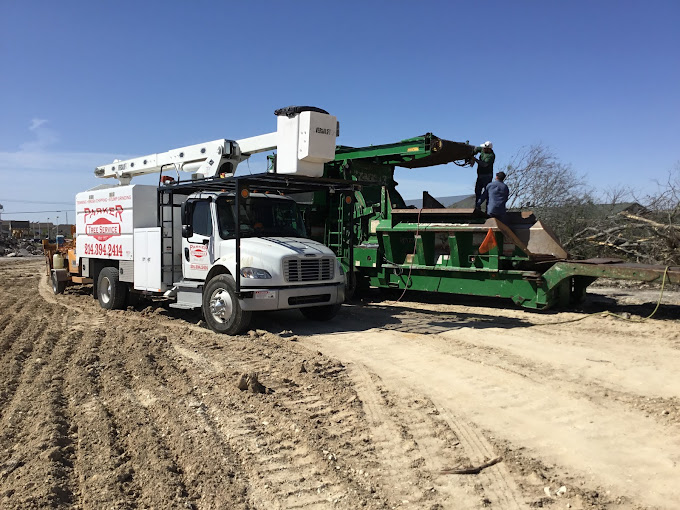
Most people hear “tree service” and picture a crew with chainsaws taking down a dead or dangerous tree. That narrow view is where many property owners in Plano, TX, unintentionally sell their landscapes short. Comprehensive tree service is not just a last‑resort removal; it is an ongoing strategy that shapes how safe, healthy, and beautiful your property will look not only this year, but ten and twenty years from now. When you think of trees as long‑term investments rather than yard fixtures, the value of a full‑spectrum tree care partner becomes obvious.
In reality, a company like Parker Tree Service spends far more time preserving trees than cutting them down. Assessment, preventive care, structural pruning, disease management, and storm preparation are the quiet, behind‑the‑scenes services that keep Plano neighborhoods shaded and attractive. Removal is only one tool in a much larger toolbox, often used when earlier opportunities for care have been missed. Understanding this bigger picture changes how you budget, how you plan your landscaping, and how you respond when something looks “off” with a tree.
Comprehensive tree service is about managing risk and beauty at the same time. It means looking at the entire ecosystem of your yard: the soil, the irrigation, the nearby structures, the prevailing winds, and the specific species that thrive in North Texas. Instead of reacting to crises, you and your tree service provider create a plan that keeps trees strong and stable, supports safe growth patterns, and preserves the character of your property. Removal becomes the exception, not the definition, of what tree care is.
What Comprehensive Care Includes
Comprehensive tree service begins with expert evaluation. Before a saw is ever started, an experienced arborist or tree professional from Parker Tree Service studies the tree’s structure, canopy density, root flare, trunk condition, and surrounding environment. In Plano, where clay soils, heat, and occasional extreme cold snaps all play a role, this evaluation is crucial. A limb that looks fine to a homeowner may show subtle signs of weakness or decay to a trained eye. That early detection is what allows for targeted pruning or support systems instead of a full removal later.
Another major component is strategic pruning, which is very different from simply “cutting branches back.” Proper pruning respects how each species grows, how it compartmentalizes wounds, and how it responds to stress. A live oak in Plano has different structural needs than a cedar elm or a crape myrtle. Comprehensive care means using techniques that guide growth, reduce weight in risky areas, and open the canopy just enough for light and airflow without shocking the tree. This is where a service like Parker Tree Service can dramatically change the long‑term stability of your trees.
Comprehensive service also includes health management: monitoring for pests, diseases, and environmental stress. In North Texas, trees can suffer from issues like borers, fungal infections, root problems from over‑watering or poor drainage, and damage from construction or soil compaction. A full‑service tree company looks beyond the visible leaves and limbs to the conditions that support or undermine tree health. Treatments, soil amendments, and watering recommendations are all part of the package for those who see their trees as living assets, not disposable décor.
Tree Health And Risk Management
Many Plano homeowners don’t realize that an unhealthy tree is often a liability issue, not just an aesthetic one. Weak root systems, internal decay, or poorly attached limbs can cause branches or entire trees to fail during high winds or storms. Comprehensive tree service treats safety and health as two sides of the same coin. Regular inspections catch problems like included bark (where branches form weak unions), deadwood high in the canopy, and lean aggravated by soil erosion or previous improper pruning.
Risk management does not automatically mean cutting everything back aggressively. Over‑pruning can be just as dangerous as neglect, because it can destabilize the tree, encourage weak new growth, and expose bark to intense Texas sun, causing sunscald. A comprehensive approach evaluates how much reduction is actually necessary to reduce risk while preserving the tree’s natural form and vigor. This balanced thinking is what separates careful professionals from “cut‑and‑run” crews that focus only on getting material on the ground quickly.
For commercial properties, HOAs, and larger residential lots in Plano, risk management also involves prioritizing which trees need attention first. A tree hanging over a driveway, playground, or roof carries more risk than a similar tree at the back of a large yard. Comprehensive tree service includes mapping out these priority zones, recommending timelines for work, and documenting findings so property owners can make informed decisions. This structured, documented approach is invaluable after storms or when dealing with insurance questions.
Beyond Cutting: Pruning, Shaping And Structure
One of the most misunderstood aspects of tree care is pruning. Many people equate it with topping or shearing, both of which can be extremely harmful. Proper pruning is selective and purposeful. It focuses on removing crossing branches, correcting co‑dominant stems, thinning congested areas, and guiding young trees into strong, stable forms. For Plano’s growing neighborhoods, where new trees are often planted close to homes, this early structural work is essential to avoid major conflicts and hazards later.
Shaping, when done correctly, enhances both safety and aesthetics. Instead of forcing a tree into an unnatural outline, Parker Tree Service works with the tree’s natural growth habit. For example, a live oak is meant to have a broad, spreading canopy. Good pruning refines that structure, elevates low limbs for clearance, and relieves excess weight at the ends of long branches, all while preserving the iconic form that makes live oaks so valued in North Texas landscapes. This kind of care takes more knowledge and time, but it yields healthier, more beautiful trees.
Homeowners who want to learn more about proper pruning can explore resources like Parker Tree Service’s Tree Pruning Service. Understanding the difference between quality pruning and haphazard cutting helps property owners ask the right questions and avoid long‑term damage. Comprehensive tree service invites you into the process, explaining why certain cuts are made, why some branches are left, and how today’s work sets up the tree for safer, stronger growth in the years ahead.
Soil, Water And The North Texas Climate
Healthy trees are built from the ground up, and in Plano’s soil conditions, that ground can be challenging. Heavy clay soils hold water, compact easily, and can suffocate roots if irrigation is not managed carefully. Comprehensive tree care looks below the surface, examining root flare depth, drainage patterns, and signs of compaction. Sometimes the most important “tree service” has nothing to do with branches at all; it may involve aerating soil, adjusting watering schedules, or correcting mulch that is piled against the trunk.
Water management is especially critical in North Texas, where drought cycles and watering restrictions are common. Over‑watering can be just as harmful as under‑watering, encouraging shallow roots and root rot. Comprehensive tree service providers help property owners tailor irrigation to each species and site. Deep, infrequent watering that encourages roots to grow down rather than out near the surface is often recommended for established trees. This sort of nuanced guidance is rarely part of a basic “tree removal” mindset but is central to comprehensive care.
The climate in Plano also brings sudden temperature swings, late freezes, and intense summer heat. These stressors can predispose trees to insect infestations and disease. A full‑service approach means anticipating these challenges: recommending protective measures for newly planted trees, advising on species selection that can handle local conditions, and monitoring for early signs of stress. Instead of reacting only when leaves brown or limbs die, comprehensive care builds resilience so trees are better able to withstand whatever North Texas weather delivers.
Storm Preparation And Emergency Response
Storms are a fact of life in Plano, and high winds can turn neglected trees into serious hazards. Comprehensive tree service includes proactive storm preparation: identifying overextended limbs, reducing weight in strategic areas, and eliminating obvious defects that are likely to fail under stress. The goal is not to strip the tree, but to fine‑tune its structure so wind can move through the canopy more easily and leverage points are minimized. This preparation significantly reduces the odds of major limb or whole‑tree failure.
When storms do cause damage, the way the response is handled matters. A comprehensive service provider doesn’t just cut away broken branches and leave jagged, poorly placed wounds. Instead, they make careful corrective cuts that help the tree compartmentalize damage and recover more effectively. They also assess whether hidden cracks, root damage, or new lean have created long‑term instability that might not be obvious at first glance. This level of attention helps determine whether a damaged tree can safely remain or truly needs removal.
Emergency response is also about protecting people and property in the safest possible way. Downed limbs near power lines, trees that have shifted onto structures, and partially fallen branches hung up in the canopy all require specialized skills and equipment. A company like Parker Tree Service brings not only the tools, but also the training to manage these situations without creating additional damage. In that sense, comprehensive tree service is both preventive and responsive, covering the full life cycle of risk from preparation through recovery.
Planning For The Future Landscape
Comprehensive tree service is forward‑looking. Instead of treating each visit as a one‑time project, it treats your property as a living landscape that will change with time. In Plano’s fast‑growing neighborhoods, trees planted today will determine shade patterns, energy use, and curb appeal decades from now. Parker Tree Service can help homeowners and property managers think through questions like: Where will this tree’s canopy be in 15 years? How close is it to foundations, driveways, or underground utilities? Will it block solar panels or interfere with sightlines?
This planning mindset extends to species selection and diversity. Planting only one or two species across a neighborhood can set the stage for widespread loss if a pest or disease targets that type of tree. Comprehensive service includes recommendations for varied, region‑appropriate species that spread risk and enhance visual interest. It also considers mature size, root behavior, and maintenance requirements so you are not surprised when a cute young tree becomes a giant that overwhelms the space.
Long‑term planning also involves budgeting and scheduling. Instead of facing sudden, expensive emergency removals, property owners can work with a tree service to prioritize work over several years: structural pruning this year, soil work next year, selective thinning or cabling later, and only when truly necessary, removal and replacement. This roadmap helps keep costs predictable and ensures that each step supports a healthier, safer, and more attractive tree canopy for your property and for the broader Plano community.
Frequently Asked Questions
Is tree removal ever the best option, even with comprehensive care? Yes. While comprehensive tree service focuses on preservation, there are situations where removal is the safest and most responsible choice. Trees with severe internal decay, major root failure, or extensive storm damage may pose unacceptable risk to people and structures. In some cases, a tree may be so poorly located or structurally compromised that ongoing maintenance would be costly without guaranteeing safety. A full evaluation from a professional allows you to understand when removal is truly necessary and how to plan for replacement that better fits your site.
How often should my trees be inspected in Plano, TX? For most properties, a professional inspection every one to two years is a good baseline, with additional checks after major storms or visible changes. Younger trees may need more frequent pruning and monitoring as their structure develops, while mature trees benefit from regular assessments to catch decay, weight imbalances, or root issues early. In Plano’s climate, where weather extremes and soil conditions can change quickly, periodic inspections are a key part of comprehensive care, helping you catch small problems before they turn into major hazards or expensive emergencies.
Can I handle tree pruning myself, or should I always call a professional? Light, low‑level pruning of small branches can sometimes be done by homeowners who understand basic principles and use proper tools. However, any work involving larger limbs, ladders, power lines, or potential impact on structures should be left to professionals. Incorrect cuts, topping, or over‑thinning can create long‑term structural problems and increase the risk of failure. Comprehensive tree service from an experienced provider like Parker Tree Service ensures that pruning supports both the tree’s health and your property’s safety, rather than unintentionally compromising either.
What are signs that my tree might be unsafe? Warning signs can include visible cracks in the trunk or major limbs, significant lean that appears to be increasing, mushrooms or fungal growth at the base of the tree, soil heaving around roots, large dead branches in the canopy, or sudden thinning of foliage. Bark splitting, cavities, or areas where branches join at narrow angles with included bark are also concerns. If you notice any of these issues on your Plano property, a comprehensive evaluation is important. Not every symptom means immediate danger, but only a trained professional can determine the true level of risk and recommend appropriate action.
How does comprehensive tree service add value to my property? Healthy, well‑maintained trees can significantly increase curb appeal, provide energy‑saving shade, reduce stormwater runoff, and create more enjoyable outdoor spaces. They also reduce the likelihood of costly damage to roofs, vehicles, fences, and other structures during storms. By investing in comprehensive care rather than sporadic, reactive work, you protect these benefits and extend the life of your trees. For Plano homeowners and property managers, working with a company that looks beyond removal to the full spectrum of tree health, safety, and planning is a direct investment in both property value and quality of life.