
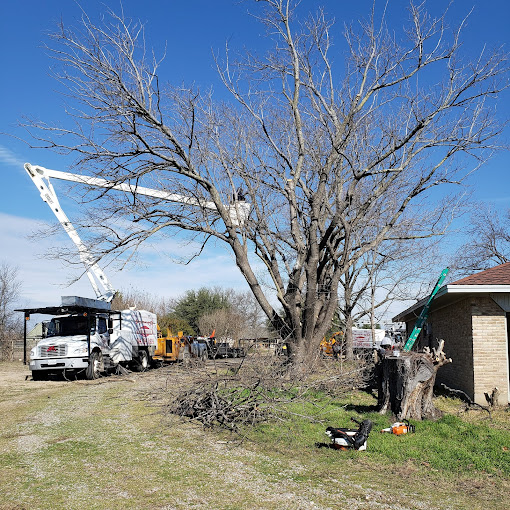
The storm had already passed by the time the sun came up over Plano, TX, but the damage was just beginning to sink in. A large oak that had shaded the backyard for decades was now leaning at a precarious angle over the roof, its roots torn and exposed, its weight shifting with every gust of wind. The homeowner, anxious and unsure, started calling friends, watching online videos, and mentally piecing together a DIY removal plan. It seemed straightforward enough: a few cuts, a rope, maybe a rented chainsaw. But this is exactly where most tree removal problems begin—not with the chainsaw, but with the assumption that removal is simple.
Effective tree removal is less about brute force and more about strategy, planning, and risk management. When it goes wrong, the consequences can be serious: crushed fences, damaged roofs, severed utility lines, and sometimes severe injuries. In a fast-growing city like Plano, where homes, driveways, and power lines often crowd close to mature trees, the margin for error is small. That is why avoiding common pitfalls is just as important as getting the tree on the ground. A safe, efficient removal protects your property, your neighbors, and your wallet.
Parker Tree Service has seen both sides of the story: well-planned removals that go smoothly and emergency calls after a DIY attempt has gone sideways. The difference almost always comes down to preparation, understanding the tree’s condition, and using proper techniques. Whether you are dealing with a dead tree, a diseased trunk, or a tree that has simply outgrown its space, understanding what can go wrong—and how to prevent it—will help you make smarter decisions about tree removal in Plano, TX.
Understanding When Removal Is Necessary
One of the first pitfalls homeowners encounter is misjudging whether a tree actually needs to be removed at all. Some trees that look unhealthy can be revived with pruning, cabling, or targeted treatments, while others that appear stable may be dangerously compromised internally. In Plano’s climate, with its heat, occasional ice, and strong winds, trees can develop hidden structural issues that are not obvious to the untrained eye. Assuming that “ugly” means “unsafe,” or that “green and leafy” means “healthy,” can lead to poor decisions.
Effective tree removal starts with an accurate assessment. Certified arborists look for specific signs: extensive trunk decay, deep vertical cracks, severe root damage, or a pronounced lean that has recently worsened. They also evaluate the tree’s proximity to structures, septic systems, driveways, and utility lines. In many cases, Parker Tree Service may recommend alternatives to removal, such as weight reduction pruning, pest management, or bracing. Removing a tree that could have been saved is not only costly but can also reduce shade, increase energy bills, and change drainage patterns in your yard.
On the other hand, delaying necessary removal is an equally common mistake. Homeowners sometimes hope a compromised tree will “hang on a little longer,” especially if it has sentimental value or provides valuable shade. Unfortunately, decaying or diseased trees rarely improve on their own. As structural integrity weakens, the risk of unexpected failure increases, particularly during storms. In Plano, where sudden wind events are common, a failing tree can turn into an emergency hazard overnight. Recognizing that timely removal can actually be the most responsible and cost-effective choice is a key part of avoiding bigger problems later.
Hidden Dangers Homeowners Overlook
Another major pitfall in tree removal is underestimating hidden hazards around and within the tree. Underground utilities, irrigation lines, and shallow roots can complicate even small removals. Plano neighborhoods often have a dense web of buried services, and a poorly planned root removal can rupture water lines or damage cable and electrical conduits. What looks like a straightforward stump or root ball can be intertwined with critical infrastructure.
Above ground, the risks are just as serious. Power lines running through or near a tree can energize branches and tools without direct contact, creating an electrocution hazard. Even if the lines are insulated, cutting a limb that swings unexpectedly into a wire can cause outages, fires, or serious injury. Professional crews from Parker Tree Service are trained to work around these hazards, using specialized techniques and, when necessary, coordinating with utility providers to ensure a safe removal.
There are also structural dangers within the tree itself. Hollow trunks, internal rot, or extensive insect damage can cause a tree to react unpredictably when cuts are made. A trunk that appears solid may collapse or barber-chair (splitting vertically) once the chainsaw enters, sending heavy wood in unpredictable directions. Without the right experience and safety gear, a homeowner attempting to handle these conditions can be caught off guard. Identifying these internal weaknesses before cutting is essential to planning safe removal cuts and rigging.
The Risks Of DIY Tree Removal
DIY projects can be rewarding, but tree removal is one area where the risks often outweigh the savings. One common mistake is assuming that owning or renting a chainsaw makes the job manageable. Chainsaws are powerful, unforgiving tools; kickback, pinched bars, and unstable footing on ladders or uneven ground can lead to severe injuries. Many accidents happen not during the main trunk cut, but while cutting smaller limbs overhead or working from makeshift platforms or ladders.
Another issue is misjudging the direction of the fall. Online videos may make “notch and back cut” techniques look simple, but every tree is different. Lean, weight distribution in the canopy, wind direction, internal decay, and nearby obstacles all influence how a tree will actually fall. Homeowners often cut too high, misplace the notch, or underestimate the pull of gravity on heavy limbs. The result can be a tree falling onto a roof, fence, parked car, or even into a neighbor’s yard, turning a cost-saving attempt into an insurance claim or liability issue.
Even when the tree is already down, DIYers can run into trouble with the cleanup phase. Large sections of trunk and heavy limbs can roll or shift unexpectedly when cut, crushing feet or legs. Handling and hauling heavy wood without proper tools, winches, or equipment is exhausting and risky. Professional crews from Parker Tree Service arrive with not only the right cutting equipment but also rigging systems, chippers, and loaders designed to manage heavy wood safely and efficiently, significantly reducing the risk of injury and property damage.
Planning A Safe, Effective Removal
Effective tree removal is a carefully staged process, not a single dramatic cut. The planning phase should include a thorough site inspection, identification of hazards, and a detailed strategy for how the tree will be dismantled. Professionals start by evaluating escape routes, overhead obstructions, and the stability of the ground. They determine whether the tree can be felled in one piece or must be taken down in sections using rigging and controlled lowering techniques.
In many Plano, TX yards, space is limited, and full felling is simply not an option. Trees may be close to homes, pools, sheds, or neighboring structures. In these cases, Parker Tree Service often uses a piece-by-piece approach, climbing the tree or using aerial lifts to remove branches and trunk segments from the top down. Each piece is lowered with ropes to a designated landing zone, minimizing impact on lawns, landscaping, and structures. This method takes more time and skill, but it dramatically reduces the risk of collateral damage.
Communication and coordination are also essential. A well-organized crew assigns clear roles: cutter, spotter, rope handler, and ground crew. Before any cut is made, everyone understands the sequence of actions and emergency procedures. For homeowners, one of the smartest steps is simply to stay clear of the work area and keep pets and children indoors. Standing nearby to “watch” or “help” can distract the crew and put you in harm’s way. Trusting the process and giving professionals room to work safely is a key part of an effective removal.
Protecting Your Property And Landscape
Another common pitfall is focusing only on getting the tree down and forgetting about what happens to the rest of the yard. Heavy logs dragged across grass can leave deep ruts; dropped limbs can crush shrubs, damage sprinkler heads, and scar driveways or patios. Effective tree removal in a residential setting includes careful planning to protect the surrounding landscape. This might involve laying down mats or plywood to protect turf, establishing dedicated paths for equipment, and designating safe drop zones for branches.
Parker Tree Service crews in Plano often use rigging techniques to swing or lower branches away from delicate areas, rather than letting them fall freely. When done correctly, this approach keeps flower beds, fences, and outdoor features intact. It also minimizes cleanup time and prevents the kind of minor damage that can add up to major frustration for homeowners. Discussing your priorities in advance—such as protecting a specific garden area or avoiding damage to a decorative fence—helps the crew tailor their methods to your property.
Post-removal cleanup is just as important as the removal itself. Sawdust, small branches, and wood chips can clutter lawns and driveways. Professional services typically include debris removal, cutting larger sections into manageable pieces, and, when requested, hauling everything away. Addressing the stump is another key step; leaving it in place can create a tripping hazard, attract pests, and complicate mowing. Many homeowners choose stump grinding to restore a clean, usable space. If you are searching for a Tree service near me to handle stump grinding in Plano, making that part of the removal plan from the start will lead to a smoother overall project.
Working With A Professional Tree Service
The final and perhaps most important step in avoiding tree removal pitfalls is choosing the right professional partner. Not all tree services operate with the same level of training, insurance, or safety standards. Before hiring, homeowners in Plano should ask about certifications, experience with similar removals, and proof of liability and workers’ compensation insurance. This protects you from responsibility if an accident occurs on your property.
Reputable companies like Parker Tree Service provide detailed estimates that explain what is included: type of removal (felling vs. sectional), handling of debris, stump treatment, and any special equipment required. They are willing to walk you through the plan, answer questions, and discuss potential risks. If a tree is particularly large, close to power lines, or in a confined space, a professional will explain how they intend to manage those challenges safely, rather than offering vague assurances.
Good communication does not end when the estimate is signed. On the day of removal, a professional crew will confirm the plan, clarify boundaries, and let you know where it is safe to be during the work. After the job, they will review the site with you to ensure the work matches the agreement. This level of transparency and professionalism is one of the best safeguards against the common pitfalls of miscommunication, unexpected damage, and surprise costs.
Frequently Asked Questions
How do I know if my tree in Plano, TX really needs to be removed? The best way to know is to have a professional evaluation. Warning signs include large dead branches, significant trunk cracks, visible decay or cavities, a sudden lean, or extensive root damage from construction or storms. However, some serious issues are hidden inside the trunk or below ground. A certified arborist from Parker Tree Service can inspect the tree’s structure, health, and surroundings to determine whether removal is necessary or if pruning, cabling, or treatment could safely extend its life.
Is it safe to remove a tree myself if it is small? Even small trees can be risky to remove without experience. Factors like hidden decay, nearby windows or fences, and overhead wires can turn a simple job into a dangerous one. Additionally, chainsaw use without proper training and protective gear is a common source of injuries. While very small saplings may be manageable as DIY projects, anything larger than a few inches in diameter or close to structures is usually safer and more efficient to have handled by a professional service.
What should I ask a tree service before hiring them? Ask whether they are insured, how long they have been in business, and whether their crews are trained or certified. Request a written estimate that clearly outlines what is included: tree removal method, debris cleanup, stump handling, and any additional services. It is also wise to ask how they plan to protect your property, such as lawns, fences, and nearby landscaping. A reputable company like Parker Tree Service will be transparent about their process and happy to answer detailed questions.
Will tree removal damage my yard or landscaping? When removal is done carefully, damage can be minimized or avoided altogether. Professionals use techniques like sectional dismantling, rigging, and ground protection mats to reduce impact on grass and planting beds. Communicating your concerns in advance—such as protecting a particular garden or avoiding heavy equipment on a certain area—helps the crew plan accordingly. Some minor disturbance is sometimes unavoidable, but a skilled team will take deliberate steps to keep your yard in good shape.
What happens to the stump after the tree is removed? After a tree is cut down, the stump remains unless you choose to have it removed or ground down. Leaving the stump can create a tripping hazard, attract insects, and interfere with mowing or future landscaping plans. Many homeowners in Plano opt for stump grinding, which reduces the stump to wood chips below ground level, allowing the area to be replanted or covered with sod or mulch. When you schedule tree removal with Parker Tree Service, you can discuss stump options in advance so the entire project is handled in one coordinated process.