
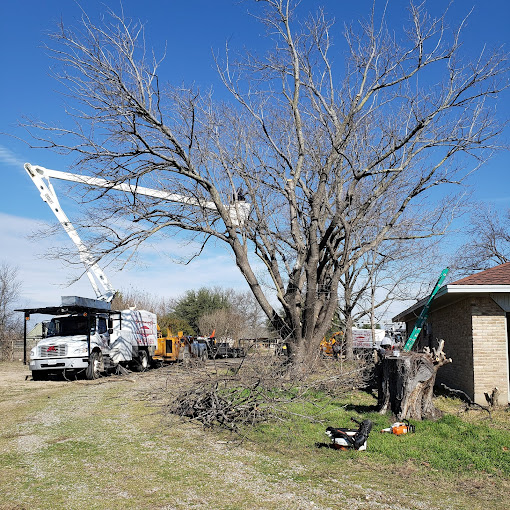
When a storm rolls through Plano and the wind starts snapping branches like matchsticks, the danger from trees escalates fast. Limbs that were perfectly harmless yesterday can suddenly be hanging over your roof, leaning toward power lines, or blocking your driveway. In these moments, emergency tree removal is not just a convenience; it is a critical safety measure that protects your family, your property, and sometimes even your neighbors. Acting quickly can be the difference between a manageable situation and a costly disaster.
Emergency tree removal: act fast to protect is about understanding that trees are living structures that can fail without much warning under the right conditions. Heavy rain saturates soil, making roots lose grip. High winds twist and stress trunks. Hidden decay inside a seemingly healthy tree can cause catastrophic breakage. When you see signs of imminent failure, waiting a few days to “see what happens” can lead to roof punctures, shattered windows, crushed fences, and dangerous entanglement with electrical lines. In a city like Plano, TX, where storms can be sudden and intense, having a rapid, professional response from a company like Parker Tree Service is essential.
What makes emergency tree removal different from routine tree work is the urgency and the level of risk involved. These are not calm, planned projects performed on a sunny afternoon. They often happen in the aftermath of a storm, in tight spaces, around damaged structures, or near live utilities. Decisions must be made quickly, but they must also be smart and safe. Knowing when to call for help, what to do while you wait, and how professionals handle these high-risk situations gives you a powerful advantage in protecting what matters most.
Recognizing A True Tree Emergency
Not every broken limb or leaning tree qualifies as an emergency. Understanding the difference helps you prioritize your response and avoid unnecessary panic. A true tree emergency involves immediate or near-immediate risk to people, structures, or critical access points, such as driveways, sidewalks, and entryways. For example, a large limb wedged on your roof after a storm is far more urgent than a small broken branch caught in the canopy above your lawn. The larger and heavier the wood, and the closer it is to something valuable or vulnerable, the more urgent the situation becomes.
One of the clearest signs of a tree emergency is visible instability. If a tree is suddenly leaning more than before, especially if the soil around the base is cracked or heaving, the root system may be failing. You might also notice exposed roots, gaps between the trunk and soil, or a “mushroom” of raised earth on one side. In Plano’s clay soils, heavy rains can loosen the ground just enough that a strong wind finishes the job. When you see these signs, staying near the tree is unsafe, and calling a professional like Parker Tree Service becomes a priority.
Another critical indicator is damage to structural support within the tree itself. Large cracks or splits in the trunk, or in major limbs where they attach to the trunk, can mean the tree is on the verge of breaking apart. If these cracks are near your home, garage, or a play area, the risk is significant. Even if the tree is still standing, internal failure might already be underway. In these scenarios, a quick evaluation and often emergency removal or reduction pruning are necessary to prevent sudden collapse.
Common Causes Of Emergency Tree Situations
In the Plano, TX area, weather is one of the primary triggers for emergency tree removal. Thunderstorms bring intense wind bursts that can twist tree canopies and snap branches. Hail adds weight and impact damage. Prolonged rain saturates the soil, undermining root stability. The combination of wind and wet soil is especially dangerous for tall, top-heavy trees or those with shallow root systems. When multiple stressors occur at once, even trees that looked fine the day before can become hazardous overnight.
Another major factor is hidden decay or disease. Trees often mask internal problems for years. Fungi, insects, or internal rot can hollow out trunks and limbs while the outer bark still appears normal. Then, under the stress of a storm, the weakened wood fails suddenly. Homeowners are often surprised when a “healthy-looking” tree splits in half or drops a massive limb. Routine inspections by a professional arborist from Parker Tree Service can identify many of these issues early, but if they go unnoticed, they frequently show up as emergencies after severe weather.
Construction damage and poor planting practices also play a role. Trees whose roots have been cut for driveways, patios, or utility lines may stand for a few years before the weakened root system gives way. Trees planted too close to houses or under power lines grow into conflicts that become dangerous as they mature. In these cases, the emergency is less about sudden weather and more about long-term stress that finally reaches a breaking point. When that break happens, emergency removal is often the only safe option.
Why Speed Matters In Tree Emergencies
Time is a critical factor once a tree becomes hazardous. A cracked limb hanging over your roof is under constant stress from gravity, wind, and its own weight. The longer it remains in that state, the more chances there are for a gust of wind or additional rain to push it past its breaking point. Quick action minimizes the window of vulnerability and reduces the chance of secondary damage, such as water intrusion through a damaged roof or shattering glass when a limb finally falls.
Rapid response also helps control costs. When a tree or large limb actually falls onto a structure, the complexity and risk of the removal operation increase dramatically. Crews must work around damaged roofs, unstable walls, or broken windows, often using cranes or specialized rigging. This is more time-consuming and expensive than removing a dangerous limb before it falls. By calling Parker Tree Service as soon as you notice a serious hazard, you may prevent a relatively simple emergency removal from turning into a complex disaster recovery project.
There is also the matter of access and community safety. A tree that blocks your driveway or the street in front of your home can delay emergency vehicles, trap your car, or force pedestrians into unsafe detours. In a dense neighborhood like many in Plano, a fallen tree can affect multiple homes at once. Fast removal restores safe access, reduces liability, and helps your area recover more quickly after a storm. The sooner professionals can clear the obstruction, the faster normal life resumes.
What Professionals Do During Emergency Removal
Emergency tree removal is far from simply “cutting it down.” Professional crews follow a systematic process designed to manage risk, protect property, and maintain safety for everyone on site. The first step is a rapid but thorough assessment. The crew evaluates the tree’s stability, the extent of damage, the proximity to structures and utilities, and the best access points for equipment. They also identify any hidden hazards, such as tensioned branches that could snap when cut, or compromised sections of roof that might collapse under weight.
Once the plan is in place, specialized rigging techniques come into play. In tight suburban spaces typical of Plano, dropping large sections of a tree in one piece is rarely safe. Instead, Parker Tree Service may use ropes, pulleys, and friction devices to lower limbs and trunk sections in controlled, manageable pieces. This “piece by piece” approach protects roofs, fences, and landscaping below. When necessary, cranes or bucket trucks are used to reach awkward positions and to handle extremely heavy or precarious sections.
Throughout the process, safety is the top priority. Professional crews wear protective gear, use proper saw handling techniques, and maintain clear communication. They establish exclusion zones to keep bystanders away from the work area. Once the hazardous sections are removed, cleanup begins: debris is chipped, large logs are cut to size, and the site is cleared as much as possible. In some cases, temporary measures such as tarping a damaged roof may be recommended while you coordinate with your roofer or insurance company.
How Homeowners Should Respond Before Help Arrives
When you realize you have a tree emergency, your first instinct may be to grab a ladder and a chainsaw. Resist that urge. Unstable trees and limbs are unpredictable, and many serious injuries occur when homeowners try to handle dangerous situations themselves. Instead, your first action should be to get people and pets away from the hazard zone. If a tree is leaning toward the house, avoid the rooms on that side. If the tree involves power lines, stay well clear and do not attempt to touch the tree, the lines, or anything they contact.
Next, contact a professional emergency tree service. In Plano, that means reaching out to a local, experienced company like Parker Tree Service that understands the specific tree species, soil conditions, and weather patterns of the area. Provide clear information: what happened, what the tree is touching, and whether there are any immediate safety concerns such as live wires, gas smells, or blocked exits. Photos, if safe to take from a distance, can help the crew prepare the right equipment before they arrive.
While you wait, focus on documentation and short-term protection, as long as it is safe. Take photos and videos of the damage from multiple angles; these will be invaluable for insurance claims. If the roof or a window is damaged but accessible from inside the house, you may be able to place buckets or towels to catch water and prevent further interior damage. Avoid going outside under or near the damaged tree, especially in windy or rainy conditions. Your priority is to stay safe until trained professionals are on site.
Preventing Emergencies With Proactive Tree Care
Not every tree emergency can be prevented, but many can be anticipated and mitigated with proactive care. Regular inspections by qualified professionals reveal early warning signs long before they become crises. Issues such as deadwood in the canopy, developing cracks in major limbs, fungal growth at the base, or poor branch structure can all be addressed through pruning, cabling, or, in some cases, planned removal. Proactive action is almost always less stressful and less expensive than an emergency response.
Strategic pruning is one of the most effective tools for reducing storm damage. By selectively thinning the canopy, removing weak or crossing branches, and reducing excessive weight on long limbs, arborists help trees better withstand high winds and heavy rain. This reduces the likelihood of large limbs breaking during a storm and becoming emergency hazards. Plano homeowners who schedule routine maintenance with Parker Tree Service are often the ones who suffer less damage when major weather events hit the area.
In some cases, the safest long-term decision is to remove a problem tree before it fails. Trees that are severely decayed, structurally unsound, or planted too close to critical structures may be living on borrowed time. Removing them in a controlled, scheduled manner is far safer than waiting for a storm to force the issue. For ongoing care after storms, services like pruning, trimming, and reduction are also available through Parker Tree Service’s Storm Damage Tree Service, which helps restore tree health and shape while reducing future risks.
Frequently Asked Questions
How do I know if I need emergency tree removal or if it can wait? If a tree or large limb is posing an immediate risk to people, structures, vehicles, or access routes, it is an emergency. Signs include sudden leaning, visible root upheaval, large cracks in the trunk or major branches, limbs resting on your roof, or trees entangled with power lines. If the damage is minor, such as small broken branches high in the canopy not near structures, it may be safe to schedule non-urgent service. When in doubt, call Parker Tree Service in Plano for an assessment; they can help you determine the urgency.
Is it safe to try to cut down a damaged tree myself? In emergency situations, the answer is almost always no. Damaged trees are unstable and can shift unexpectedly. Tensioned branches can spring back violently when cut, and compromised trunks can collapse without warning. Add ladders, chainsaws, and possibly wet or windy conditions, and the risk of serious injury skyrockets. Professional crews have the training, equipment, and experience to manage these hazards safely. Your best role as a homeowner is to stay clear of the danger zone and let experts handle the removal.
What should I do if a tree falls on my house during a storm? First, make sure everyone in the home is safe and move away from the impacted area in case of further collapse. If you suspect damage to electrical, gas, or water lines, contact the appropriate utility or emergency services immediately. Avoid going outside under the damaged tree. Once immediate safety issues are addressed, contact an emergency tree service like Parker Tree Service to remove the tree or limb safely. Document the damage with photos and reach out to your insurance company as soon as possible to begin the claims process.
Will my homeowner’s insurance cover emergency tree removal? Coverage varies by policy, but in many cases, insurance helps when a tree falls on a covered structure such as your home, garage, or fence. The policy may pay for part or all of the removal cost and repairs to the damaged structure. However, if a tree simply falls in the yard without hitting anything, coverage may be limited or unavailable. It is important to review your policy and speak with your insurance agent to understand your specific coverage. Parker Tree Service can provide invoices and documentation that your insurer may require.
How can I reduce the chances of needing emergency tree removal in the future? Regular professional tree care is the most effective way to minimize emergency situations. Schedule periodic inspections to identify decay, structural weaknesses, or disease. Invest in proper pruning to remove dead or hazardous branches and to reduce excessive weight in the canopy. Address problem trees that are too close to structures or have significant defects before they fail. In a storm-prone area like Plano, TX, working with a local expert like Parker Tree Service to maintain your trees can significantly lower your risk of sudden, dangerous failures when severe weather arrives.