
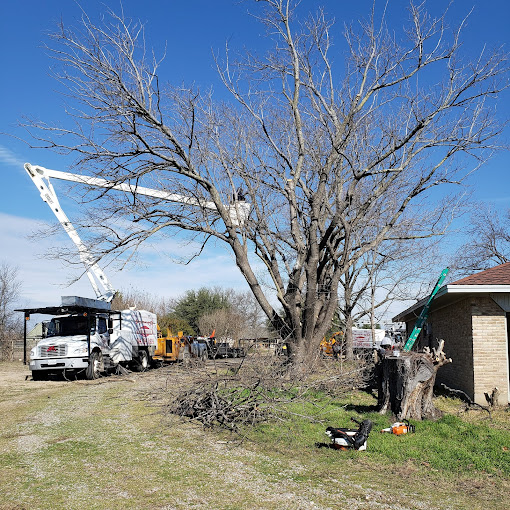
One moment your yard looks perfectly normal, and the next a storm rolls through Plano, TX, leaving a massive limb hanging over your roof or a tree leaning toward power lines. In those tense moments, it becomes clear just how quickly a healthy-looking tree can turn into a serious safety hazard. Emergency tree removal exists precisely for these situations—when waiting until “later this week” is no longer an option, and quick, expert action is the difference between a close call and major damage or injury.
Emergency tree removal and proper safety precautions are not just about cleaning up a mess; they are about controlling risk in a high-pressure environment. A downed tree can hide live electrical wires, conceal structural damage, or shift unexpectedly while someone is standing beneath it. That is why homeowners in Plano rely on experienced crews like Parker Tree Service when storms, high winds, or sudden failures turn trees into immediate threats. Understanding how emergency removal works—and what you should and should not do—can keep your family, property, and neighbors safe when nature catches you off guard.
Instead of improvising with a chainsaw or guessing which way a compromised tree will fall, it pays to know the basic principles of emergency tree safety. With the right knowledge, you can make calm, informed decisions: when to evacuate, when to call for help, and what steps to take before professionals arrive. The more you understand about emergency tree removal and safety precautions, the better prepared you will be the next time a storm warning or cracking branch interrupts your day.
Why Trees Become Emergencies
Trees rarely go from perfectly safe to catastrophic in a single instant. More often, they develop hidden vulnerabilities over time—root decay, internal rot, or structural defects—that only reveal themselves when high winds or saturated soils push them past their limits. In Plano, TX, heavy thunderstorms, sudden wind gusts, and clay soils that shift with moisture changes can all contribute to sudden tree failure. A tree leaning a little more after each storm or dropping larger limbs than usual might be signaling trouble long before it actually comes down.
Storms are one of the most obvious triggers for emergency tree situations. High winds can snap branches, twist trunks, or uproot trees entirely, especially when the ground is softened by recent rain. Lightning strikes can split a tree, leaving it standing but structurally unstable, with massive sections ready to fall at any time. Hail and ice—though less common in Plano than in some regions—can still load branches with weight and cause them to crack or break unexpectedly.
Not all emergencies are weather-related, however. Construction work, soil excavation, or changes in drainage patterns can weaken root systems and destabilize a tree. Disease and insect infestations can hollow out trunks or kill key support roots, making a tree far more likely to fail. When these underlying issues collide with wind, rain, or even the tree’s own weight, you can suddenly find yourself with a dangerous situation that calls for immediate attention from a company like Parker Tree Service.
Recognizing A Tree Emergency
Knowing when a tree situation is truly an emergency—and not just a minor concern—is critical. One of the clearest warning signs is any tree or large limb that is actively threatening people, buildings, vehicles, or power lines. If a tree is leaning significantly toward your home and that lean was not present before a storm, or if large branches are partially broken and hanging overhead, those are strong indicators you should call for emergency tree removal rather than waiting for a routine appointment.
Look closely at the base of the tree and the surrounding soil. If you see lifting roots, cracked soil on one side of the trunk, or a new gap between the ground and the root flare, the tree may be uprooting. This is especially common in Plano when saturated soil can no longer hold the weight of the tree. A partially uprooted tree can continue to move, especially in windy conditions, and may fall without much warning. Standing beneath or near such a tree is extremely dangerous, even if it appears to be “stuck” for the moment.
Another serious sign is visible structural damage to the trunk or main branches. Deep cracks, fresh splits, or large sections of missing bark can indicate that the tree’s internal support is compromised. When combined with a heavy canopy, these defects can make failure likely. If you notice that a tree sounds different when the wind blows—creaking, popping, or cracking noises—take that as a cue to move away and contact a professional emergency service like Parker Tree Service for an assessment.
Immediate Safety Steps For Homeowners
When a tree fails, your first responsibility is not to save the tree—it is to protect people. If a tree or large limb has come down near your home in Plano, start by making sure everyone is out of harm’s way. Keep children and pets indoors or well away from the affected area. Avoid walking under leaning trees, hanging branches, or damaged structures such as carports, fences, or sheds that might collapse if the tree shifts further.
Next, consider the possibility of hidden hazards. Never assume power lines are safe just because they are not sparking. If any part of the tree is touching or close to overhead lines, treat the entire area as potentially energized. Do not attempt to move branches, and do not use ladders, poles, or tools near the lines. Instead, call your utility company and an emergency tree removal specialist. Parker Tree Service crews are trained to work around utility hazards and coordinate with power companies when necessary.
It can be tempting to start cutting small branches yourself to “clean things up,” but this often creates more danger. Tension in broken limbs or trunks can cause wood to spring or snap violently when cut. Sections of the tree that appear stable may be held in place only by a few fibers. Until a trained professional has evaluated the situation, your safest approach is to create a clear boundary around the danger zone, keep others away, and take photos from a safe distance if needed for insurance purposes.
How Professional Emergency Removal Works
Emergency tree removal is very different from routine pruning or planned removals. When Parker Tree Service arrives at an emergency scene in Plano, the crew’s first step is to stabilize the situation. They assess the tree’s position, the direction of potential movement, the presence of power lines, and any structural damage to nearby buildings or fences. This rapid assessment informs a plan that prioritizes safety and prevents additional property damage during the removal process.
Specialized equipment is often essential in emergency situations. Depending on the circumstances, crews may use cranes to carefully lift heavy sections away from homes, or rigging systems to lower limbs in a controlled manner instead of letting them fall. Chainsaws are used strategically, with cuts planned to relieve tension safely and prevent sudden shifts. In tight spaces, climbers may ascend the tree, secured with ropes and harnesses, to dismantle it piece by piece from the top down.
Communication is a key part of professional emergency removal. Each crew member has a defined role, and they coordinate every cut and movement so no one is caught under a moving section of the tree. They will also keep you, as the property owner, informed about what they are doing, how long it may take, and any additional risks they identify along the way. This structured approach ensures that what began as a chaotic, stressful situation is handled systematically and as safely as possible.
Preventing Emergencies With Proactive Care
While no one can control the weather, many tree emergencies are preventable with regular maintenance and inspections. In Plano, scheduling periodic evaluations with a company like Parker Tree Service can reveal early signs of decay, disease, or structural weakness before they turn into urgent problems. Arborists can identify dead or dying limbs, poor branch attachments, and root issues that are not obvious to the untrained eye.
Strategic pruning can greatly reduce the likelihood of storm damage. By removing weak, crossing, or overextended branches, professionals can improve a tree’s structure and balance, making it more resilient in high winds. Thinning crowded canopies allows wind to pass through more easily, reducing the “sail effect” that can uproot trees or snap large limbs. Proper pruning is not just about appearance; it is a vital safety measure.
In some cases, cabling or bracing may be recommended to provide extra support to key limbs or trunks. These systems are particularly useful for older, high-value trees that have developed structural issues but are still otherwise healthy. When removal is the safest long-term option, taking care of it on a planned schedule—rather than waiting for a storm to force the issue—can save money, reduce anxiety, and protect nearby structures and people.
Choosing The Right Emergency Tree Service
Not all tree companies are equipped or experienced enough to handle true emergencies. When you are dealing with a tree on your roof, a blocked driveway, or a dangerous lean over the street, you need a team that understands both tree biology and complex rigging and safety techniques. In Plano, TX, that means looking for a company like Parker Tree Service that specifically offers 24/7 or rapid-response emergency tree removal.
Experience matters greatly in these situations. Ask whether the company has handled similar emergencies, such as trees on structures, near power lines, or in tight urban spaces. Verify that they carry proper insurance, including liability and workers’ compensation, so you are protected if something goes wrong during the removal. A reputable service will be transparent about their credentials and willing to explain their approach before work begins.
It is also wise to consider how the company communicates and supports you through the process. Emergencies are stressful; you want a team that responds quickly, explains your options clearly, and helps you coordinate with insurance adjusters if needed. Parker Tree Service, for example, understands the urgency of storm-related calls in Plano and can guide you from the first phone call through cleanup and, if desired, recommendations for future tree care to minimize repeat incidents.
Frequently Asked Questions
When should I call for emergency tree removal instead of waiting? You should call for emergency service any time a tree or large limb poses an immediate risk to people, buildings, vehicles, or utility lines. If a tree is leaning suddenly after a storm, partially uprooted, resting on your roof, blocking access to your home, or entangled with power lines, do not wait for a standard appointment. In Plano’s storm-prone seasons, conditions can change quickly, and what looks stable now may not remain that way for long. When in doubt, call a professional like Parker Tree Service to assess the situation; they can tell you whether it is an urgent emergency or something that can be scheduled later.
Is it safe to cut up a fallen tree myself? Even if a tree is already on the ground, it may not be safe for DIY cutting. Fallen trees often contain hidden tension and compression forces; cutting the wrong section can cause logs or limbs to roll, jump, or snap unexpectedly. If the tree is large, near structures, or anywhere close to power lines, leave it to professionals. Homeowners in Plano have been injured by chainsaw kickback, rolling logs, and collapsing root balls when attempting to handle large trees without proper training and equipment. Small, clearly stable branches away from hazards may be manageable, but anything more complex should be handled by an experienced crew.
How can I reduce the chance of storm damage to my trees? Regular inspections and maintenance are your best tools. Have your trees evaluated every few years by a qualified arborist, especially if they are large, close to your home, or have shown signs of stress. Pruning to remove dead or weak limbs, correcting poor structure, and thinning dense canopies all help trees withstand strong winds. In Plano’s soil conditions, monitoring root health and drainage is also important; standing water or compacted soil can weaken roots over time. Parker Tree Service can recommend specific pruning or structural support strategies tailored to your property and the types of trees you have.
What should I do if a tree falls on power lines? Treat this as a high-risk emergency and keep everyone away from the area. Do not attempt to move branches or touch anything that could be in contact with the lines, including fences or metal objects. Call your utility company immediately to report the downed lines, and then contact an emergency tree service that is experienced in working around electrical hazards. In many cases, the utility company will need to de-energize or secure the lines before removal can safely begin. A professional service like Parker Tree Service will coordinate with the utility provider to ensure the job is done safely.
Does insurance usually cover emergency tree removal? Coverage varies by policy, but many homeowner insurance policies in Plano will help pay for tree removal when a tree falls on a covered structure, such as your home, garage, or fence. They may also cover damage to vehicles under certain conditions. However, if a tree simply falls in your yard without damaging a covered structure, coverage may be limited or excluded. It is important to document the damage with photos and contact your insurance company promptly. Experienced providers like Parker Tree Service can supply detailed invoices and, when needed, help explain the emergency nature of the work to your adjuster. For more information about storm-related services, you can visit their Storm Damage Tree Service page.