
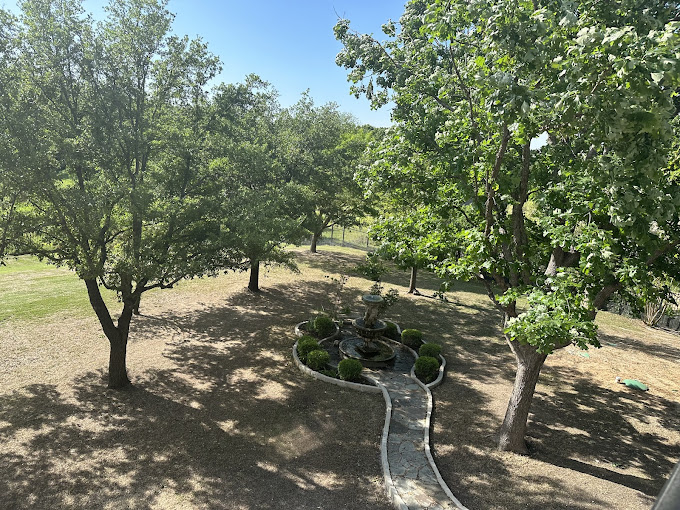
In storm-prone areas like Plano, TX, falling trees and limbs cause millions of dollars in property damage across the U.S. every year, with many incidents occurring in just a few seconds of high wind or heavy rain. What often surprises homeowners is how many of those emergencies could have been prevented with earlier action. A tree that looks “mostly fine” from the driveway can be one storm away from crashing through a roof, taking down power lines, or blocking the only safe exit from your home.
Emergency tree removal is not just about cutting up a fallen trunk after the damage is done. It is about recognizing risk, acting quickly when danger appears, and using trained professionals to protect what matters most: your family, your home, and your peace of mind. In a city like Plano, where mature trees add beauty and shade to neighborhoods, understanding when a tree becomes a liability instead of an asset is critical. Parker Tree Service focuses specifically on that intersection of safety, tree biology, and rapid response, helping property owners navigate high-stress situations without making costly or dangerous mistakes.
When a tree fails, it rarely chooses a convenient time. It might split during a midnight thunderstorm, lean toward your house on a Sunday afternoon, or drop a massive limb across your driveway when you need to leave for work. In those moments, decisions have to be made fast: Is it safe to stay inside? Should you call the city, the power company, or a tree service first? Can you handle any part of it yourself? Understanding the basics of emergency tree removal and having a plan in place before disaster hits can significantly reduce the risk of injury, property loss, and extended disruption to your daily life.
What Counts As An Emergency?
Not every leaning tree or dead limb is an emergency, but certain warning signs mean you should act immediately. A tree that has already fallen on your home, garage, vehicle, or fence is the most obvious type of emergency. Structural damage may not always be visible from the ground, and the weight of a tree can continue shifting long after it lands, causing additional cracking, roof collapse, or broken windows. In these cases, contacting a professional tree service as soon as it is safe to do so is essential to prevent further damage.
Another clear emergency is a tree that has compromised or is entangled with utility lines. If a trunk or large limb is resting on power lines, or if you see sparking, smoke, or sagging wires near a storm-damaged tree, you are dealing with a high-risk situation. These scenarios demand coordination with the utility company and should never be handled by a homeowner, no matter how experienced with tools or yard work. Parker Tree Service routinely works in Plano, TX, alongside local utilities to ensure that power can be restored safely and quickly after storms.
There are also less obvious but still urgent situations: a large tree suddenly leaning after heavy rain, deep cracks forming in the trunk, or roots heaving on one side as the soil shifts. If a tree near your house, driveway, or neighbor’s property changes position quickly or shows new structural damage, it is a strong signal that failure may be imminent. In these borderline cases, a rapid professional assessment can determine whether immediate removal is needed or if temporary stabilization and later removal is safer and more cost-effective.
Common Causes Of Tree Emergencies
Storms are the most frequent trigger for emergency tree removal in Plano. High winds, lightning, and saturated soils all contribute to tree failure. Wind can snap branches or topple entire trees, especially those with shallow root systems or pre-existing decay. Heavy rain softens the soil, reducing root grip, while lightning can split a trunk or kill internal tissue, making the tree unstable even if it appears outwardly intact. After a severe storm, it is wise to walk your property from a safe distance and look for hanging branches, new leans, or cracks that were not there before.
However, weather is only part of the story. Many emergency situations begin years earlier with subtle issues: poor pruning practices, construction damage to roots, compacted soil, or improper planting locations. A tree planted too close to a foundation or driveway may eventually lean as it searches for space and light. Roots cut during home additions or pool installation can weaken a tree on one side, making it more likely to fall in that direction. Parker Tree Service often sees emergency calls that could have been prevented if these early warning signs had been addressed through professional maintenance.
Disease and pests also play a major role. In North Texas, various fungal pathogens and insects can hollow out trunks, weaken branches, or kill sections of the root system without obvious external symptoms until failure is close. By the time large limbs start dropping or bark begins peeling away, internal decay may be extensive. Regular inspections and proper tree care, including services such as pruning, trimming, and reduction, can significantly reduce the chance that disease or pests will turn a healthy-looking tree into a sudden, dangerous hazard.
Why Professional Removal Matters
When a tree is lying across the lawn, it can be tempting to think a chainsaw and a free weekend will solve the problem. In reality, emergency tree removal is one of the most dangerous types of outdoor work. Fallen or partially fallen trees are under tremendous tension and compression. Cutting in the wrong place can cause wood to snap, roll, or spring unexpectedly, injuring anyone nearby. This risk increases dramatically when the tree is resting on a structure, tangled in other trees, or hanging over a roof or vehicle.
Professional crews like those at Parker Tree Service bring more than just manpower. They use specialized equipment such as cranes, rigging systems, and aerial lifts to control each cut and move heavy sections safely. By lowering branches and trunk segments with ropes instead of letting them free-fall, they minimize additional damage to roofs, fences, and landscaping. In tight Plano neighborhoods where houses and utilities are close together, that level of control is often the difference between a clean removal and thousands of dollars in avoidable collateral damage.
There is also the matter of liability and insurance. If a homeowner or untrained worker is injured while attempting an emergency removal, medical bills and legal issues can quickly escalate. Additionally, improper handling of a tree entangled with power lines or resting on a home can void certain insurance protections if it is deemed negligent. Hiring a licensed, insured tree service that understands local regulations, works safely around utilities, and documents damage thoroughly can simplify insurance claims and protect you from unexpected financial exposure.
Protecting Your Home Before Storms
While no one can control the weather, homeowners in Plano can significantly reduce their risk of emergency tree situations by focusing on prevention. Regular inspections by a certified arborist can identify structural defects, decay, or pest issues long before they become critical. These assessments often reveal problems that are not obvious to untrained eyes, such as internal cavities, weak branch unions, or root issues hidden below the soil surface.
Strategic pruning is another key preventive tool. Removing dead, diseased, or poorly attached branches reduces the amount of material that can break off in high winds. Thinning crowded canopies can allow wind to pass through more easily, decreasing the chance of uprooting or major limb failure. Proper pruning also improves overall tree health, making it more resilient to storms, drought, and pests. Services such as Tree Health Care play a vital role in maintaining both safety and long-term tree vitality.
Homeowners should also pay attention to how changes on their property affect trees over time. Adding a driveway, patio, or irrigation system can alter drainage patterns and root environments. Storing heavy materials over root zones or repeatedly parking vehicles under trees can compact the soil, limiting oxygen and water availability. By discussing planned projects with a tree professional in advance, you can avoid inadvertently weakening the very trees you rely on for shade and curb appeal.
What To Do Right After A Tree Falls
The moments immediately after a tree falls can be chaotic, but a calm, step-by-step approach goes a long way toward staying safe and protecting your property. First, assess from a distance. Look for downed or sagging power lines, damaged gas meters, or broken utility connections. If you suspect any damage to electrical, gas, or water lines, move to a safe location and contact the appropriate utility company or emergency services before approaching the tree.
Next, check for immediate structural threats. If the tree has compromised your roof, walls, or support beams, avoid entering the affected area. Hidden structural damage can cause partial collapse without warning. Take photos or videos from safe vantage points to document the situation for insurance purposes. This visual record is extremely helpful later when filing claims or working with your insurer to cover the cost of emergency tree removal and repairs.
Once safety and utilities are addressed, contact a reputable local provider like Parker Tree Service that offers emergency response in Plano, TX. Provide as much detail as possible: tree size, location, whether it is on a structure or blocking access, and any known utility involvement. While you wait for the crew, keep people and pets away from the area, especially under any hanging limbs or near a partially uprooted tree that might still shift. Avoid cutting or moving anything heavy yourself; what looks stable can change quickly under stress.
Choosing A Reliable Tree Service In Plano
Not all tree services are equally prepared for emergency work. When your property is at risk, choosing the right company in Plano, TX, is crucial. Start by verifying that the company is properly insured for both liability and workers’ compensation. This protects you if something goes wrong on-site. Ask specifically about their experience with emergency removals, crane operations, and work around structures and utilities, as these situations require specialized skills and equipment.
Local knowledge is also valuable. A tree service familiar with Plano’s common tree species, soil types, and weather patterns can more accurately assess risks and recommend the safest, most efficient removal strategy. They will understand how local oaks, elms, pecans, and ornamental trees typically fail and what hidden hazards to look for. Additionally, a local company can usually respond more quickly, which is especially important when a tree is threatening further damage or blocking access to your home.
Communication and transparency round out the picture. A dependable tree service will explain their plan, outline potential risks, and provide a written estimate whenever feasible, even in an urgent situation. They will coordinate with your insurance adjuster if needed and respect your property by protecting landscaping and cleaning up debris as much as the circumstances allow. Parker Tree Service emphasizes this combination of technical expertise and clear communication, helping Plano homeowners feel informed and supported during stressful emergencies.
Frequently Asked Questions
How do I know if a tree is an emergency or can wait? A tree is an emergency when it poses an immediate threat to people, structures, or utilities. Examples include trees or large limbs on roofs, vehicles, or power lines, as well as trees that have suddenly leaned after a storm, developed large cracks, or are blocking critical access like driveways or doors. If you are unsure, it is safer to treat it as urgent and call a professional for an assessment. They can quickly determine whether same-day removal is needed or if the situation can be scheduled for later.
Should I call my insurance company or the tree service first? If there is immediate danger to life or utilities, contact emergency services or the utility company first. After that, many homeowners find it helpful to call a tree service like Parker Tree Service right away to stabilize the situation and prevent further damage. You can then notify your insurance company, providing photos and information from the tree service as part of your claim. In many cases, insurers expect you to take reasonable steps to mitigate further damage, which often includes prompt emergency tree removal.
Can I remove a fallen tree myself to save money? While it can be tempting to handle smaller trees or branches on your own, emergency situations are rarely straightforward. Fallen trees are unpredictable, and cutting the wrong section can cause sudden movement, rolling, or snapping. When structures, fences, or utilities are involved, the risk increases significantly. In most cases, the potential cost of injury or additional property damage outweighs any savings. It is generally safer and more cost-effective to hire trained professionals with the right equipment and experience.
How quickly can Parker Tree Service respond to emergencies in Plano, TX? Response times depend on the severity of the weather event and overall call volume, but Parker Tree Service prioritizes situations where there is active danger to people, property, or utilities. In many cases, they can arrive the same day, especially for critical hazards. Even when full removal cannot be completed immediately due to weather or utility constraints, crews often perform temporary stabilization to reduce the risk of further damage until conditions allow for complete removal.
What can I do now to reduce the chance of needing emergency tree removal later? The most effective steps are regular professional inspections, proper pruning, and proactive care for tree health. Have your larger trees evaluated periodically, especially those near your home, driveway, or power lines. Address dead or weakened limbs, correct poor structure, and manage pests or diseases early. Avoid damaging roots during construction or landscaping projects, and be mindful of changes in soil moisture or drainage. By investing in preventive care and early intervention, you greatly reduce the likelihood of sudden, dangerous tree failures on your property.