
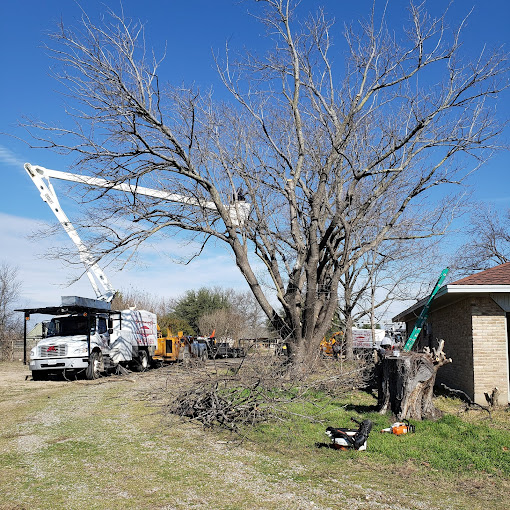
The sky over Plano, TX can go from calm to chaotic in minutes. One moment you’re watching the clouds roll in from your living room window; the next, fierce winds are twisting tree branches, sheets of rain are pounding the roof, and you hear that unmistakable crack of splitting wood. When a large limb comes down on your fence, or a whole tree leans toward your home’s roofline, there’s no time to debate what to do next. Emergency tree removal becomes a safety decision, not a landscaping choice.
Storms in North Texas don’t always give much warning. Microbursts, straight-line winds, hail, and sudden downpours can all stress trees to their breaking point. A tree that looked perfectly healthy yesterday can become a serious hazard today, with roots loosened in saturated soil or branches hanging by a thread over power lines. In these moments, you need a fast, safe, and professional response. That’s where having a trusted local team like Parker Tree Service, experienced in emergency tree removal in Plano, TX, can make all the difference between a close call and a serious disaster.
Emergency tree removal when storms strike fast is about more than cutting up fallen wood. It’s a coordinated effort to secure the scene, protect people and property, and stabilize your landscape so one dangerous tree doesn’t trigger a chain reaction of damage. Understanding how this process works, what you should do immediately after a storm, and how professionals manage risk can help you stay calm and make smart decisions when the wind starts howling.
How Storms Turn Trees Hazardous
To understand why emergency tree removal is often necessary after a storm, it helps to know how trees respond to extreme weather. High winds put enormous stress on the canopy, trunk, and root system. Even strong, mature trees can experience twisting forces that exceed what their wood fibers can handle. When that happens, internal cracks form, branches split, or entire trunks shear unexpectedly. These structural failures might not always be obvious from the ground, but they can leave a tree one gust away from dropping a large branch or tipping over.
Heavy rain adds another layer of risk. In Plano’s clay-rich soils, water can accumulate quickly, softening the ground around root systems. Trees with shallow or restricted roots, such as those planted near driveways, sidewalks, or foundations, may lose their grip as the soil turns to mud. You might notice a tree suddenly leaning, soil heaving on one side, or roots becoming visible at the surface. Once a tree’s root plate is compromised, it can fail suddenly, especially if winds continue after the rain.
Lightning and hail also play a role in turning trees into hazards. A direct lightning strike can explode bark, burn internal tissues, and leave the tree structurally unstable even if it remains standing. Hail can strip leaves and damage smaller branches, weakening the overall canopy and making larger limbs more vulnerable to breakage. When you combine wind, rain, lightning, and hail in a single storm system, the result is often a neighborhood filled with broken limbs, hanging branches, and partially fallen trees that require urgent attention.
In many cases, a tree might appear to have survived the storm, but hidden damage makes it dangerous. Cracks along major limbs, splitting at the trunk union, or internal decay exposed by broken branches can all compromise the tree’s integrity. That’s why having an experienced arborist from Parker Tree Service inspect questionable trees after severe weather is so important. They can distinguish between cosmetic damage and serious structural issues that warrant emergency removal.
What To Do Right After The Storm
When the storm finally passes, your first instinct may be to rush outside and start cleaning up. Before you do anything, take a moment to assess the situation from a safe distance. Look for downed power lines, broken branches hanging overhead, and trees leaning toward structures. If you see any wires on or near trees, fences, or the ground, treat them as live and dangerous. Do not attempt to move branches or approach the area; instead, contact your utility company and then reach out to an emergency tree service.
Next, consider your immediate surroundings. Is there a tree resting on your roof, garage, vehicle, or fence? Are any large limbs wedged against windows or gutters? Is a tree leaning more than it was before the storm, especially toward your house or a neighbor’s property? These are all signs that you should call a professional promptly. Even if the tree has not yet caused major damage, the risk of delayed failure is high, and another gust of wind could change the situation in seconds.
Resist the urge to climb ladders with a chainsaw or pull on heavy branches with ropes or vehicles. DIY storm cleanup often leads to injuries because storm-damaged trees behave unpredictably. Wood under tension can spring back suddenly, hanging limbs can shift without warning, and unstable trunks can roll or drop. Emergency tree removal is one of the most hazardous types of tree work, and even experienced crews in Plano rely on specialized equipment and safety protocols to manage it.
Documenting the damage is also important, especially for insurance purposes. Take clear photos and videos from multiple angles, including shots that show the tree in relation to your home, vehicles, and property lines. When Parker Tree Service arrives, this documentation can help them coordinate with your insurance company, explain what happened, and support any claims related to storm damage and emergency removal costs.
How Emergency Tree Removal Works
Emergency tree removal is a carefully planned operation, even when it needs to happen quickly. When you call Parker Tree Service for urgent help in Plano, TX, the process typically begins with a rapid on-site assessment. A trained professional evaluates the tree’s condition, its position relative to structures and utilities, and the safest way to dismantle it. They consider factors like wind direction, ground stability, branch tension, and potential fail points to minimize further damage.
Once a plan is in place, the crew sets up a safe work zone. This may involve blocking off sections of your yard, moving vehicles out of the danger area, and coordinating with utility companies if power lines are involved. Safety gear such as helmets, eye protection, harnesses, and ropes is non-negotiable. In complex situations, climbers may ascend into the canopy to rig and lower sections of the tree piece by piece, using ropes and pulleys to control where each cut section goes.
For larger or more precariously positioned trees, specialized equipment like cranes or bucket trucks may be brought in. A crane-assisted removal allows heavy sections of trunk or limbs to be lifted away from roofs or structures instead of dropped or dragged. This approach is especially valuable when a tree has already fallen onto a house, as it reduces the risk of causing additional structural damage during the removal process.
After the hazardous portions of the tree are removed, the crew typically cuts the wood into manageable sections and clears debris from the site. Depending on your preferences, they may leave some wood for firewood or haul everything away. Stump grinding can be scheduled as a follow-up service if needed. Throughout the process, communication is key: a reputable company like Parker Tree Service will explain what they’re doing, why they’re doing it, and what you can expect at each step of the emergency removal.
Preventing Future Storm Damage
While you can’t control the weather in Plano, you can dramatically reduce your risk of storm-related tree emergencies through proactive care. Regular tree inspections by a certified arborist help identify weaknesses long before they become crises. Issues like internal decay, root problems, poor branch structure, and previous improper pruning can all increase the likelihood of storm failure. Addressing these problems early makes your trees more resilient when high winds and heavy rains arrive.
Strategic pruning is one of the most effective tools for storm damage prevention. By selectively removing weak, crossing, or poorly attached branches and reducing overly heavy limbs, arborists can balance the canopy and reduce wind resistance. This doesn’t mean stripping a tree bare; in fact, over-pruning can be harmful. Instead, thoughtful pruning improves structure and airflow while preserving the tree’s natural form and health.
Tree health also plays a major role in storm resilience. A stressed or diseased tree is far more likely to fail under pressure than a vigorous one. Proper watering, mulching, and soil care keep roots strong and flexible. In some cases, treatments such as deep root fertilization or targeted pest management can help restore struggling trees. If you suspect disease or see signs like thinning foliage, dead branches, or unusual leaf discoloration, it may be worth exploring options like Tree Disease Treatment to support long-term health.
In certain situations, the safest “prevention” is planned removal. Trees that are too close to structures, have severe lean toward homes or driveways, or suffer from extensive decay may pose an unacceptable risk during storms. Removing a high-risk tree before it falls is often less expensive and far safer than dealing with the aftermath of a storm-related failure. An honest, experienced company like Parker Tree Service will help you weigh the pros and cons and decide when preemptive removal is the right choice.
Why Local Expertise Matters In Plano
Tree care is always site-specific, but storm response is especially local. Plano, TX has its own combination of soil types, common tree species, and weather patterns that influence how trees grow and fail. A local company like Parker Tree Service understands the particular challenges of North Texas storms, from fast-moving fronts and strong straight-line winds to sudden downpours that saturate clay soils. This familiarity helps them anticipate problem scenarios and respond more effectively when emergencies arise.
Different tree species react differently to storm stress. For example, some ornamental trees used in Plano landscapes may have weaker wood or poor branch structure, making them more prone to breakage. Others develop shallow roots when planted in compacted or poorly drained soils. Local professionals know which species are more vulnerable and can offer tailored advice on pruning, bracing, cabling, or removal based on years of observing how those trees behave in real storms.
Local expertise also translates into faster, more coordinated emergency response. When a major storm hits Plano, many homeowners need help at the same time. A nearby team can mobilize quickly, navigate neighborhood layouts efficiently, and prioritize the most hazardous situations. They’re also familiar with city regulations, permitting requirements, and neighborhood association guidelines that may affect tree removal decisions, especially when trees are close to streets or property lines.
Most importantly, working with a trusted local company builds a relationship that extends beyond a single storm. Instead of calling a random number in a panic, you can reach out to a team that already knows your property, your trees, and your concerns. Over time, this continuity leads to better planning, smarter prevention, and safer outcomes when the next storm rolls through.
Frequently Asked Questions
How do I know if a storm-damaged tree needs emergency removal? If a tree is leaning suddenly, resting on your house, blocking access to your home, threatening power lines, or has large broken limbs hanging overhead, it likely requires emergency attention. Visible cracks in the trunk, uprooted roots, or branches lodged in your roof or windows are all red flags. When in doubt, have a professional evaluate the tree; they can determine whether immediate removal is necessary or if the tree can be safely pruned and monitored instead.
Is it safe to cut up fallen branches myself after a storm? Small, fully detached branches on the ground are usually safe for homeowners to move, but anything involving ladders, chainsaws, or partially attached limbs is best left to professionals. Storm-damaged wood can be under hidden tension, causing it to move unpredictably when cut. Large branches can roll, shift, or drop suddenly, and debris near power lines is especially dangerous. For your safety, limit your own cleanup to lightweight debris and call a tree service for anything larger or more complex.
Will my homeowner’s insurance cover emergency tree removal? Coverage varies by policy, but many homeowner’s insurance plans help pay for emergency tree removal when a tree falls on a covered structure such as your home, garage, or fence. If a tree simply falls in the yard without damaging a structure, coverage may be limited or excluded. It’s important to review your policy and contact your insurance provider after a storm. Parker Tree Service can often provide documentation, photos, and invoices that assist with filing a claim for storm-related removal.
How quickly can Parker Tree Service respond after a major storm in Plano? Response times depend on the severity of the storm and the volume of calls, but emergency situations are prioritized. When life safety, blocked access, or immediate structural threats are involved, crews focus on those first. Being local to the Plano area allows Parker Tree Service to mobilize quickly, assess damage efficiently, and begin stabilizing the most hazardous trees as soon as conditions are safe for their crews to work.
Can regular tree maintenance really prevent emergency removals? While no amount of maintenance can guarantee a tree will never fail in extreme weather, regular care significantly reduces the likelihood of catastrophic damage. Proper pruning, health assessments, and timely removal of high-risk trees help ensure that your landscape can better withstand storms. Many emergency removals following storms in Plano involve trees with pre-existing issues that went unnoticed. By partnering with a professional tree service for ongoing care, you’re investing in safety, reducing surprise failures, and protecting your home from preventable storm damage.