
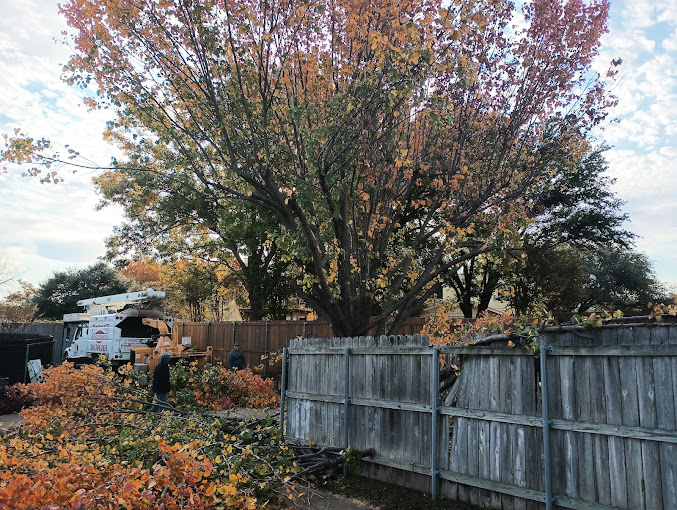
When a storm snaps a limb over your driveway or you notice a large oak leaning a bit farther each month, the company you call next can make the difference between a safe, healthy yard and years of costly problems. Choosing tree services is not like hiring a typical home contractor; you are dealing with thousands of pounds of living wood above your home, your vehicles, and your family. One bad cut or one careless decision can cause irreversible damage, which is why understanding how to evaluate tree service providers has never been more important for homeowners in Plano, TX.
Tree care is also becoming more complex. Mature shade trees, drought stress, new construction, and changing weather patterns in North Texas all put extra pressure on your landscape. That complexity means you need more than someone with a chainsaw and a truck; you need trained professionals who understand tree biology, local conditions, and safe work practices. Knowing what to ask, what to look for, and what to avoid will help you choose companies like Parker Tree Service with confidence and protect both your property and your wallet.
Start With Safety And Credentials
The first and most critical filter when choosing a tree service is safety. Tree work is routinely ranked among the most hazardous professions in the country, and Plano’s mix of tall shade trees, tight residential lots, and overhead utility lines only adds to the risk. When you invite a crew onto your property, you want proof that they have the training, equipment, and procedures to keep everyone safe. Never be shy about asking a company exactly how they manage safety on the job; reputable providers will be proud to explain their approach.
At a minimum, a tree service working in Plano, TX should carry proper liability insurance and workers’ compensation coverage. Liability coverage protects your home and structures if something goes wrong, while workers’ compensation protects you from being held responsible if a worker is injured on your property. Ask for certificates of insurance directly from the provider, and confirm that the coverage is current and adequate. Parker Tree Service, for example, can provide proof of insurance on request, and this simple document can save you from enormous potential liability.
Credentials and training matter just as much as insurance. Look for companies that employ trained arborists or technicians with verifiable experience in tree care, not just general landscaping. Ask whether crew members receive ongoing training in climbing, rigging, and chainsaw safety. In a region like Plano, where large pecans, elms, and oaks are common, safe removal or pruning requires advanced rigging techniques and familiarity with how these species behave when cut. A company that invests in training is far more likely to follow industry standards and protect both your trees and your property.
Evaluate Experience With Local Trees
Tree care is highly regional. The challenges facing a maple in the Northeast are very different from the stresses a live oak faces in North Texas heat. That is why one of the best tips for choosing tree services is to prioritize companies that understand Plano’s specific trees, soils, and climate. Local experience translates directly into better diagnosis, better recommendations, and fewer unpleasant surprises down the line.
Ask potential providers which tree species they work with most often and how long they have been serving the Plano area. A company that can speak in detail about live oaks, red oaks, cedar elms, pecans, and ornamental trees commonly planted in local neighborhoods is much more likely to recognize subtle signs of disease or structural weakness. Parker Tree Service, for instance, regularly works with these species and understands how our clay soils, irrigation practices, and wind patterns affect root systems and canopy stability.
Familiarity with local regulations is equally important. Plano and surrounding cities may have guidelines or permits related to removing protected trees, working near utility lines, or managing debris. An experienced local company will already know these rules and can help you avoid fines or delays. They will also understand seasonal timing—when it is safest to prune certain species, when insects are most active, and when drought stress is likely to peak—so your tree work supports long-term health rather than creating new vulnerabilities.
Look Beyond The Price Tag
It is tempting to treat tree service estimates like commodity pricing: three quotes, pick the lowest, and move on. But with tree care, a low price can hide shortcuts that cost you far more later. In many cases, if one quote is dramatically cheaper than the others, it is a signal that something important is missing—insurance, training, proper equipment, or the time needed to do the job correctly. A careful review of the estimate is one of the smartest steps you can take.
When you receive a quote, look at how detailed it is. A professional estimate from a company like Parker Tree Service will typically spell out which trees will be serviced, what type of work will be performed (for example, crown thinning, deadwood removal, structural pruning, or full removal), how debris will be handled, and whether stump grinding is included. Vague language such as “trim trees” without specifics leaves room for misunderstanding and can result in rushed work that damages tree structure or leaves hazardous limbs behind.
Also pay attention to whether the company is recommending the right service for your situation. Responsible tree experts will not push removals when pruning or cabling could safely extend a tree’s life. They will explain why a particular limb is hazardous, why a tree is declining, or why a certain technique is needed. If a provider cannot clearly justify their recommendations or seems focused only on getting the job, that is a red flag. In Plano, where large shade trees add significant value and comfort to your property, it is worth investing in thoughtful, long-term care instead of quick, cheap cuts.
Assess Communication And Professionalism
The way a tree service communicates before they ever touch a branch tells you a lot about what will happen once the work begins. From the first phone call or online inquiry, notice how promptly they respond, how clearly they answer questions, and whether they take the time to understand your concerns. Professional companies serving Plano homeowners recognize that each property is different; they will ask about past issues, storm history, irrigation changes, and your long-term plans for the landscape.
During an on-site visit, pay attention to how the representative interacts with your trees. Do they walk the entire property, look up into the canopy, and inspect root flares and trunks? Are they willing to explain what they see in plain language? A company like Parker Tree Service will typically point out not only the obvious issues you called about, but also subtle risks such as included bark, dead leaders, or soil compaction. That willingness to educate you is a strong sign that they view tree care as a partnership rather than a one-time transaction.
Professionalism also shows up in scheduling, written documentation, and respect for your property. Ask how far in advance they schedule work, how long the job is expected to take, and what happens if weather interrupts the plan. Clarify who your point of contact will be on the day of service. A reliable team will arrive when promised, use appropriate equipment, protect nearby structures, and clean up thoroughly. In a neighborhood-focused city like Plano, the way a crew treats your yard—and your neighbors’ yards—matters almost as much as the technical work itself.
Understand Equipment And Techniques
Modern, well-maintained equipment is a strong indicator that a tree service takes its work seriously. Climbing gear, ropes, rigging devices, aerial lifts, chippers, and stump grinders all play a role in safe, efficient operations. When you are evaluating providers, ask what kind of equipment they plan to use for your particular job and why. The answer should reflect careful planning, not improvisation. For example, a large removal over a home in Plano’s established neighborhoods may require an aerial lift or crane, while tight access in a small backyard might demand skilled climbers and advanced rigging.
Just as important as the tools are the techniques being used. Industry standards discourage practices like tree topping, excessive interior thinning, or removing too much live crown at once. These outdated methods can severely weaken trees, invite decay, and create dangerous re-growth. When a company proposes pruning, ask them to describe their approach. Reputable professionals like Parker Tree Service will talk about making proper collar cuts, preserving branch structure, and respecting the tree’s natural form while addressing safety concerns.
Emergency response capability is another piece of the equipment puzzle. North Texas storms can drop heavy limbs or entire trees without warning. Knowing in advance which company you trust for urgent situations gives you peace of mind. Look for providers who offer prompt response and have the tools to safely remove storm-damaged trees from roofs, fences, and driveways. If you ever need urgent help, you can reach out to services like Professional Tree Trimming for rapid assistance with hazardous limbs and downed trees.
Check Reputation And Local References
In a close-knit community like Plano, word of mouth remains one of the most reliable indicators of quality. Before committing to a tree service, take time to research their reputation. Online reviews, neighborhood forums, and social media groups can reveal patterns in how a company treats its customers. Look for consistent feedback about punctuality, cleanliness, safety, and follow-through. A single glowing review or a single complaint is less important than the overall trend you see across many experiences.
Do not hesitate to ask the company for local references, especially for jobs similar to yours. If you need a large removal near power lines, ask for references from Plano homeowners who had comparable work done. When you speak with them, ask whether the crew arrived on time, whether the price matched the estimate, and whether there were any surprises. Reputable services like Parker Tree Service will be happy to connect you with past clients because satisfied customers are their best advertising.
Finally, pay attention to how long the company has been operating under the same name in the area. Fly-by-night operators sometimes appear after major storms, offering quick, cheap work and then disappearing. Established companies invest in their reputation over many years, which gives you more assurance that they will stand behind their work. In tree care, that stability matters—especially when it comes to long-term health recommendations, warranty work, or future pruning and monitoring.
Frequently Asked Questions
How do I know if a tree service is properly insured? Ask the company to provide a current certificate of liability insurance and workers’ compensation coverage. The document should list the insurance carrier, policy limits, and expiration date. You can also call the insurer directly to verify that the policy is active. In Plano, TX, professional providers like Parker Tree Service routinely share this documentation, and you should never feel uncomfortable requesting it before work begins.
What questions should I ask during an estimate? During an estimate, ask which trees they recommend servicing and why, exactly what work will be done, how debris will be handled, and whether stump grinding is included. Ask how they will protect nearby structures, fences, and landscaping. It is also wise to ask who will be on-site supervising the crew and what safety measures they will use. The quality and clarity of the answers will tell you a lot about the company’s professionalism.
Is the lowest price always a bad sign? Not necessarily, but a significantly lower price compared to other quotes should prompt more questions. Sometimes a company can be more efficient or have different overhead, but in many cases a very low bid means they are cutting corners on insurance, safety, or the time needed to do the job right. In Plano, where large trees are valuable assets, it is usually better to choose a well-documented, mid-range estimate from a reputable company than to risk long-term damage for short-term savings.
How often should my trees be inspected? Most mature trees in residential areas should be inspected by a professional every one to three years, depending on their age, species, and exposure to storms. After major wind events or visible changes—such as sudden leaning, new cracks, or dead branches—schedule an inspection sooner. A company like Parker Tree Service can help you set an appropriate inspection schedule based on the specific trees on your Plano property.
Can any landscaper handle my tree work? General landscapers are great for mowing, planting, and routine yard care, but they often lack the training and equipment needed for safe, proper tree work. Large pruning jobs, removals, and diagnosis of disease or structural issues should be handled by dedicated tree service professionals. In Plano, relying on a specialized tree service with trained crews and appropriate insurance protects both your trees and your property from avoidable harm.