
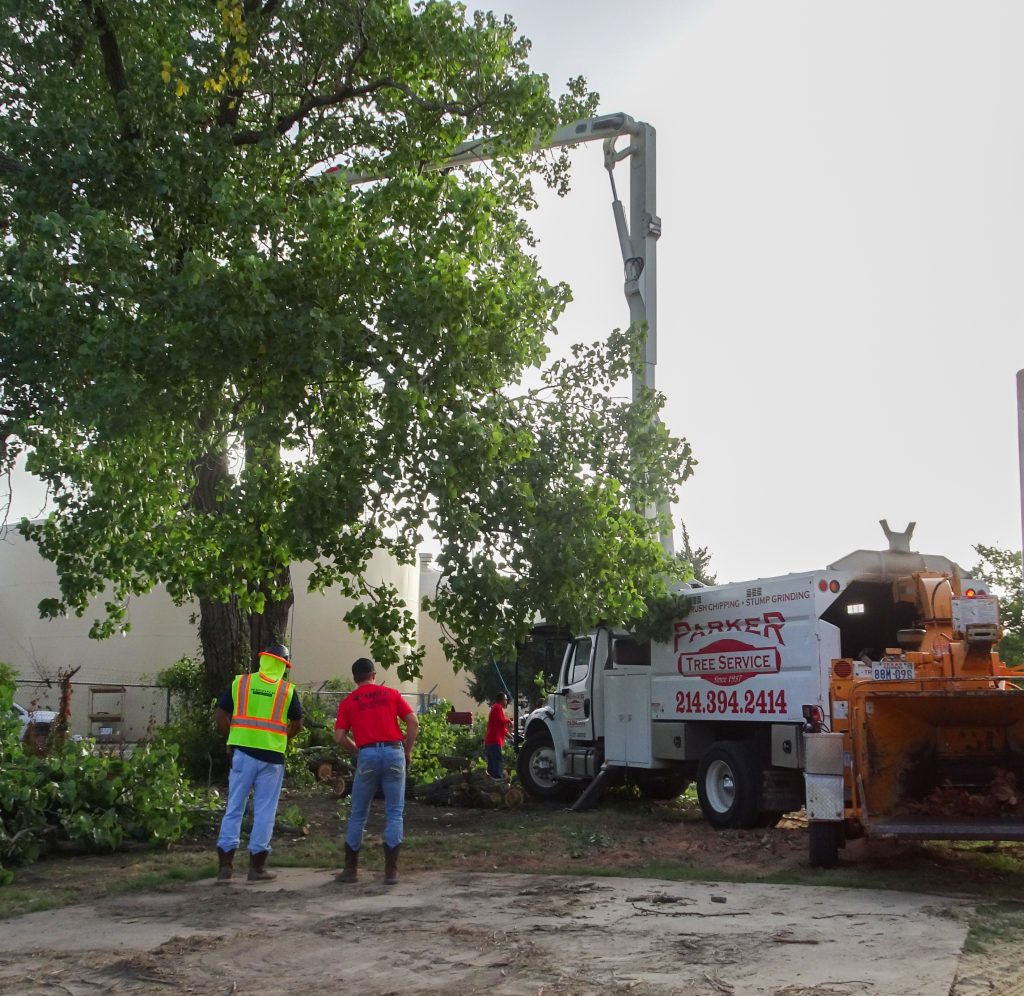
Homeowners in Plano often notice the same frustrating pattern: trees that once looked full and vibrant slowly develop thin, patchy canopies, with more dead twigs than lush leaves. Branches stretch awkwardly over roofs, lawns get patchy shade, and instead of a rich green backdrop, the yard starts to feel a little tired. Many people respond by either ignoring the problem or hacking away randomly at branches, hoping that “a little trimming” will fix it. Unfortunately, guesswork pruning usually makes things worse—stressing the tree, inviting disease, and reducing foliage instead of encouraging it.
Expert tree pruning turns that cycle around. Done correctly, pruning is less about cutting and more about guiding the tree’s growth so it can put its energy into thick, healthy foliage. It shapes how sunlight moves through the canopy, how air circulates, and how the tree allocates nutrients. Professional arborists, like the crew at Parker Tree Service in Plano, TX, understand that every cut sends a signal to the tree. With the right strategy, those signals result in denser leaves, stronger branches, and a canopy that looks full, not flat.
In a climate like Plano’s—hot summers, occasional storms, and compacted soils—trees need every advantage they can get. Expert pruning works with those conditions instead of fighting them, helping trees respond with vigorous new growth while staying structurally sound. When pruning is planned around tree biology, local weather, and long-term health, you don’t just get trimmed branches; you get lush foliage that holds up season after season and makes your entire landscape look more refined and alive.
Why Pruning Affects Foliage
To understand why some trees leaf out beautifully after pruning while others look bare and stressed, you have to look at how a tree grows. Every branch and bud competes for the same pool of resources: water, nutrients, and stored energy. When a tree is full of dead, crossing, or poorly placed branches, a lot of that energy is wasted. Expert pruning removes those “energy drains,” allowing the tree to redirect resources to healthy limbs and buds, which in turn produce more robust foliage.
Sunlight is another major factor. Leaves are essentially solar panels, and if the canopy is tangled and crowded, many of those panels are shaded and underperforming. Strategic thinning—not random cutting—opens just enough space in the canopy for light to penetrate deeper without overexposing the inner branches. In Plano’s strong summer sun, that balance is critical. Too much opening and the tree can scorch; too little and the lower canopy becomes sparse and weak. Skilled arborists know how to create that sweet spot for dense, even foliage.
Airflow plays a quieter but equally important role. Thick, unpruned canopies can trap humidity, especially after a North Texas thunderstorm. Poor air circulation encourages fungal diseases, which show up as spots, wilted leaves, or premature leaf drop. By selectively pruning, professionals improve airflow through the canopy, drying leaves faster and reducing disease pressure. The result is not just more foliage, but foliage that stays on the tree longer and looks healthier throughout the growing season.
The Difference An Expert Makes
Many homeowners in Plano own a ladder and a saw, but that doesn’t make tree pruning a DIY-friendly task if lush foliage and long-term health are the goals. One of the biggest differences with expert pruning is the understanding of where to cut. Arborists trained at Parker Tree Service recognize branch collars, growth patterns, and natural branch angles, making cuts at points where the tree can seal wounds efficiently. Poorly placed cuts can linger as open invitations to insects and decay, which ultimately reduce canopy density.
Another key distinction is the avoidance of topping and other harmful shortcuts. Topping, where the tops of trees are cut off to reduce height, is still surprisingly common in residential areas around Plano. It may look like a fast way to control size, but it shocks the tree, encourages weak, spindly regrowth, and ruins the natural form. Instead, experts use reduction cuts and structural pruning techniques to control height and spread while preserving a strong framework. This approach supports lush foliage that is attached to sturdy, well-positioned branches rather than fragile sprouts.
Professional pruning also considers species-specific needs. A live oak in Plano doesn’t respond to pruning the same way as a crepe myrtle, cedar elm, or ornamental pear. Each species has its own timing, preferred pruning style, and tolerance for cuts. Arborists with local experience understand which trees can be pruned more aggressively for denser foliage and which need a lighter touch to avoid stress. That precision, built on knowledge and practice, is the difference between a tree that merely survives and one that thrives with a full, beautiful canopy.
Pruning Strategies For Lush Canopies
There isn’t a single “right way” to prune every tree. Instead, arborists use a combination of strategies tailored to the tree’s age, species, and current condition. One foundational technique is crown cleaning: removing dead, dying, diseased, or broken branches. While this may sound basic, it has a large impact on foliage. By eliminating non-productive wood, the tree can focus its energy on healthy branches that will support vigorous leaf growth. It also reduces the risk of pests and disease spreading through the canopy.
Another powerful strategy is selective crown thinning. This is not the same as randomly “thinning out” branches. Proper thinning targets specific interior branches that are crossing, rubbing, or growing inward. The goal is to reduce congestion without changing the natural shape of the tree. When done correctly, more light reaches inner leaves and lower branches, encouraging them to produce fuller foliage. In Plano neighborhoods where houses are close together, this kind of controlled thinning is ideal because it improves tree health without causing dramatic changes to the tree’s appearance or shade pattern.
Crown reduction is used when a tree has outgrown its space but still needs to maintain a rich canopy. Instead of cutting main leaders or topping the tree, arborists shorten select branches back to strong lateral limbs. This lowers the overall height or spread while preserving the branch structure that supports foliage. For trees near roofs, driveways, or power lines in Plano, this method keeps the canopy lush and attractive while reducing conflict with nearby structures. It’s a more thoughtful, long-term approach than drastic cuts that leave trees looking butchered and bare.
Timing Pruning In Plano’s Climate
Even the best pruning techniques can fall short if they’re done at the wrong time of year. Plano’s climate, with its hot summers, mild winters, and periodic drought, makes timing especially important. Many shade trees respond best to major pruning during the dormant season, typically late winter, when they are not actively pushing new growth. Pruning at this time reduces stress, lowers the risk of disease transmission, and sets the tree up for a strong flush of foliage in spring.
However, not all trees follow the same calendar. Flowering ornamentals, for instance, may need to be pruned after they bloom to avoid removing the buds that produce next season’s flowers and leaves. Some species are also more vulnerable to certain pests if pruned during specific windows. Local professionals at Parker Tree Service pay close attention to these timing nuances, drawing on regional experience to schedule pruning when it will most benefit foliage production and overall health.
Weather patterns also influence pruning decisions. In North Texas, intense summer heat can stress freshly pruned trees, especially if too much canopy is removed at once. By planning heavier work outside of the hottest months and reserving light touch-ups for late spring or early fall, arborists help trees maintain enough leaf area to shade themselves and continue photosynthesizing efficiently. This type of climate-aware timing is one of the reasons professionally pruned trees in Plano often look fuller and recover faster than those pruned without regard for local conditions.
Safety, Structure, And Storm Readiness
Lush foliage is only an asset if it’s supported by a safe, stable structure. Trees with dense canopies but weak branch attachments or hidden defects can become hazards during Texas thunderstorms and high winds. Expert pruning addresses both appearance and safety by reinforcing the tree’s structural integrity. Arborists look for co-dominant stems, included bark, and heavy limbs extending over roofs or play areas—issues that can lead to breakage and canopy loss if ignored.
By selectively reducing weight on long, overextended branches and improving branch distribution, pruning helps trees better withstand storms without shedding large limbs. This not only protects property but also preserves foliage. A branch that fails in a storm takes leaves with it; a branch that has been properly lightened and balanced is far more likely to stay intact. Over time, this kind of preventive pruning results in canopies that are both lush and resilient, rather than full but fragile.
Safety also extends to the pruning process itself. Large trees, especially older oaks and elms common in Plano, require climbing skills, rigging equipment, and an understanding of load dynamics. Professional crews are trained to remove heavy limbs in controlled sections, preventing damage to the remaining canopy and the landscape below. Improper cuts made under tension can tear bark down the trunk or strip leaves from neighboring branches. When Parker Tree Service handles the work, the focus is on preserving as much healthy foliage and bark as possible while removing only what is necessary.
Ongoing Care After Pruning
Expert pruning is a powerful reset for a tree, but it’s not the end of the story. After pruning, trees respond with new growth, and how you care for them during that period affects how lush the foliage becomes. In Plano’s often dry, hot summers, proper watering is crucial. Deep, infrequent watering encourages strong root systems that can support more foliage. Shallow, frequent watering does the opposite, leaving trees more vulnerable to stress and limiting leaf production.
Soil health is another often-overlooked factor. Compacted soil, common in urban and suburban yards, restricts root development and nutrient uptake. Even expertly pruned trees will struggle to produce dense foliage if their roots are confined to a hard, oxygen-poor soil layer. Aeration, organic mulch, and, when needed, targeted fertilization can give recently pruned trees the resources they need to respond with vigorous, full canopies. Professionals can assess whether your trees would benefit from these additional services alongside pruning.
Regular, moderate pruning is usually better than waiting many years and then doing a dramatic cutback. Annual or biennial checkups from a tree service like Parker Tree Service allow small, strategic adjustments that guide growth and maintain foliage density without shocking the tree. Over time, this steady, thoughtful approach produces trees that look consistently lush, rather than cycling between overgrown and stripped. It also gives arborists a chance to spot early signs of pests, disease, or structural issues and address them before they affect the canopy.
Frequently Asked Questions
How often should my trees be pruned to keep foliage thick? In most Plano landscapes, a general guideline is every 2–3 years for mature shade trees, with more frequent light pruning for younger trees still developing their structure. However, the ideal schedule depends on species, growth rate, and site conditions. Fast-growing trees may need more regular attention to prevent weak, overcrowded branches. A professional assessment from Parker Tree Service can help set a customized pruning plan that maintains lush foliage without over-pruning.
Will pruning make my trees grow faster or just look neater? Pruning doesn’t magically speed up growth, but it does change how the tree uses its energy. By removing dead, diseased, or poorly placed branches, pruning allows the tree to direct more resources to healthy limbs and buds. That often translates into stronger shoots and fuller foliage in the areas you want growth. When pruning is done correctly, the tree not only looks neater, it also becomes more vigorous, with leaves that are denser, healthier, and better distributed throughout the canopy.
Is it safe to prune trees myself if I only remove small branches? Light pruning of small, low branches can sometimes be done by homeowners, but there are important caveats. It’s easy to make improper cuts, remove the wrong branches, or take off too much at once, which can thin the canopy and stress the tree. Even small mistakes add up over time. For any work involving ladders, heavy limbs, or shaping the main structure of the tree, it’s much safer and more effective to use a professional service. Arborists know how to preserve foliage density while improving structure and safety.
What if my tree has pests or disease—should it still be pruned? Pruning can be an important part of managing pests and disease, but it has to be done carefully. Removing infected or infested branches can slow the spread and stimulate healthy regrowth, yet pruning at the wrong time or with unclean tools can worsen the problem. In Plano, common issues like borers, fungal leaf spots, and webworms are best handled with an integrated approach that may include pruning, monitoring, and targeted treatments such as a specialized Webworms Treatment. A professional evaluation will determine whether pruning should happen immediately or be timed to reduce risk.
How can I tell if my tree was pruned correctly for lush foliage? After proper pruning, your tree should still look natural, not stripped or drastically altered. The canopy may appear slightly more open, but it should retain its basic shape and have a good mix of interior and exterior foliage. Cuts should be clean and made just outside the branch collar, with no ragged tears or stubs. In the following growing season, you should see even, healthy leaf-out with fewer dead twigs and better light penetration. If your tree looks severely topped, has many large stubs, or shows significant dieback, it’s a sign that the pruning was not done according to best practices for lush, long-term foliage.