
Many homeowners assume that cutting down a tree automatically lowers their property value. Others believe the opposite – that removing any large tree instantly makes a yard safer and therefore more valuable. Both of these ideas miss the real truth: the impact of tree removal on property value depends heavily on context, condition, and planning. A tree can be a major asset, a serious liability, or something in between, and the way it is removed (or preserved) can add tens of thousands of dollars to a sale price – or quietly subtract them.
In a competitive real estate market like Plano, TX, where buyers are comparing dozens of listings online before ever stepping foot on a property, the presence – or absence – of mature trees can influence first impressions, perceived maintenance costs, and long‑term comfort. Tree removal is not just a yard decision; it is a strategic property decision. When Parker Tree Service evaluates whether to remove a tree, the conversation often centers less on the chainsaw and more on how that change will look to a future buyer, appraiser, or inspector.
Instead of asking, “Does tree removal increase or decrease value?”, the better question is, “Under what circumstances does removing this specific tree help or hurt my property’s value?” Once you look at it that way, factors like shade, curb appeal, risk, energy efficiency, and neighborhood standards all come into play. Understanding those factors is crucial before you make a permanent decision with your landscape.
How Trees Influence Property Value
Before you can understand the impact of removing a tree, you need to understand how that tree currently affects your property. Trees do a lot more than decorate a yard. In Plano’s hot summers, a well-placed shade tree can cut cooling costs significantly, make outdoor spaces usable, and visually soften the strong Texas sun. Buyers walking a property on a July afternoon will immediately feel the difference between a bare yard and one with mature canopy, even if they can’t articulate why one feels more comfortable than the other.
Trees also play a huge role in curb appeal. A thoughtfully placed oak or cedar elm can frame a home, draw the eye to the front entrance, and make the overall lot look more established and inviting. Real estate agents in Plano often talk about “drive-by impressions” – the quick judgment buyers form when they slow down in front of a listing. Mature trees that are healthy, well-pruned, and properly scaled to the house can create a sense of permanence and quality construction, which often translates into higher offers and faster sales.
There is also a psychological component. People associate trees with privacy, nature, and long-term stability. A street lined with mature trees tends to feel safer and more desirable than one with nothing but wide-open lawns. Studies in various markets have shown that homes with attractive, mature landscaping – especially trees – can sell for more than comparable homes with minimal greenery. In that sense, every tree on your property already has a value attached to it; the key is knowing whether that value is positive or negative.
When Tree Removal Protects Your Value
Although trees are often assets, there are clear situations where removal can protect or even increase property value. The first is risk. A large, diseased, or structurally unstable tree close to a house, driveway, or neighbor’s property is a red flag not just for homeowners, but for buyers and insurance companies. In Plano, where severe storms and high winds can roll through, a compromised tree can become a serious liability. If an inspector notes a hazardous tree during a buyer’s due diligence, you may face last‑minute repair requests, price reductions, or even lost deals.
In those cases, removing the tree before listing the property can simplify negotiations and improve buyer confidence. Parker Tree Service often gets calls from sellers who have already had a buyer’s inspector flag a tree as a concern. By that point, the seller is under pressure and may have to rush the job. Handling hazardous removals early allows you to present a cleaner, safer property from day one, and it prevents that “what else is wrong here?” feeling that can spook potential buyers.
Another scenario where removal can help is when a tree is poorly located. Trees planted too close to foundations, driveways, or sewer lines can cause cracking, heaving, and expensive repairs. In older Plano neighborhoods, it’s common to see large trees that were small saplings when the home was built, now pressing against roofs or dropping heavy limbs over parking areas. Even if the tree is technically healthy, its location may be a long-term problem. Removing such a tree can reassure buyers that they won’t be inheriting root damage, gutter-clogging debris, or constant roof cleaning bills.
Finally, there are aesthetic reasons. Some trees are simply the wrong species for the space – messy, invasive, or out of scale with the home. A single overgrown tree dominating the front yard can actually hide the house and make the lot feel smaller. In these cases, strategic removal followed by better-suited plantings can open up the architecture, make the lawn more usable, and create a more balanced look that appeals to today’s buyers.
When Tree Removal Can Hurt Your Value
On the other side of the equation, removing the wrong tree can quietly erode property value. This is especially true for mature, healthy shade trees in locations that provide clear benefits. In Plano’s climate, buyers often look for backyards with enough shade to enjoy outdoor living without baking in the sun. Eliminate the only large shade tree and suddenly that patio looks less inviting, the deck seems too exposed, and the yard feels hotter and more barren.
There is also the visual shock factor. If your neighborhood is full of established trees and your lot suddenly looks bare, the property can appear stark and less finished. A tree that took decades to grow cannot be replaced overnight with a sapling. Even if you replant, buyers understand that it will take years before the new tree offers the same shade, privacy, and scale. That time gap can translate into lower perceived value in the short term.
Property owners sometimes remove trees to “simplify maintenance” or “open up the yard,” only to realize later that they also removed critical screening. A tree that blocks a view of a busy street, neighboring windows, or commercial buildings may be doing more for your privacy and peace of mind than you realize. When that natural screen is gone, buyers suddenly see traffic, parking lots, or other homes that were previously hidden, and that new exposure can be a deal-breaker for some.
Another subtle loss comes from energy efficiency. A well-placed tree shading the western side of a home can help keep indoor temperatures lower, reducing strain on HVAC systems and lowering electric bills. Buyers in Plano, where summer energy costs are a real concern, may notice the difference. Remove that tree, and you may not only lose comfort but also one of the selling points that makes your home stand out in a crowded market.
How Appraisers And Buyers See Tree Removal
From an appraiser’s perspective, trees are part of overall site improvements and curb appeal. While appraisers typically won’t assign a dollar amount to each individual tree, they do consider the overall landscape quality and risk profile of the property. A well-maintained yard with healthy trees can help support a higher valuation relative to comparable properties. Conversely, evidence of tree damage to structures, or obvious hazards, can drag a valuation down or lead to conditions on the appraisal.
Buyers, on the other hand, tend to respond more emotionally. They imagine kids playing under a big shade tree, hosting barbecues on a cooler patio, or enjoying a quiet, screened-in backyard. When those elements are present, buyers often feel they’re getting more home for their money. When they are absent, especially in an otherwise tree-rich neighborhood, buyers may perceive the property as less desirable even if they can’t pinpoint why.
Tree removal decisions made shortly before selling can raise questions for both groups. If a buyer or appraiser sees a fresh stump where a large tree once stood, they may wonder: Was it diseased? Did it damage the foundation? Are there hidden problems underground? This is where professional documentation matters. When Parker Tree Service removes a problem tree in Plano, having records, photos, and explanations available can reassure buyers that the removal was preventative and that any issues were properly addressed.
Timing also plays a role. If you remove a tree well before listing, you have time to repair the lawn, install new landscaping, and let the yard “settle” visually. If you remove it right before photos and showings, the bare spot can stand out. Thoughtful staging of the landscape after removal – new shrubs, smaller ornamental trees, or functional features like seating areas – can help bridge the gap and maintain perceived value.
Planning Tree Removal With Resale In Mind
Because the impact of tree removal on property value is so situational, planning is everything. Before cutting, it is wise to walk your property with a tree professional who understands both arboriculture and local real estate realities. In Plano, that means considering neighborhood norms, HOA guidelines, typical buyer preferences, and the region’s climate. Parker Tree Service technicians often ask clients about their long-term plans: Are you selling in the next two years, or is this your forever home? The answer can change the recommendation.
One useful approach is to categorize your trees into three groups: clear keepers, clear removals, and “maybe” trees. Clear keepers are healthy, well-placed, proportionate to the home, and provide obvious benefits like shade, privacy, or framing. Clear removals are hazardous, diseased, structurally unsound, or causing visible damage to structures. The “maybe” category includes trees that are borderline too close to the house, slightly overgrown, or not ideal species. For those, pruning, cabling, or selective thinning may preserve most of the value without full removal.
It’s also important to think in terms of replacement. If you must remove a significant tree, consider what you’ll put in its place. A combination of smaller ornamental trees, shrubs, and landscape features can soften the visual loss and maintain a sense of maturity. In some Plano neighborhoods, replacing a removed tree is also a requirement of city ordinance or HOA rules, which can indirectly influence property value by keeping the whole area looking cohesive.
Finally, remember that tree removal is permanent. Once a mature tree is gone, you cannot simply “undo” the decision. Taking the time to weigh the impact on comfort, aesthetics, and resale can prevent regret later. A quick consultation can reveal options like structural pruning or root management that address concerns without sacrificing the entire tree – and the value it brings.
Why Professional Removal Matters
Beyond the decision of whether to remove a tree lies another issue that directly affects property value: how the removal is done. Poorly executed removals can leave ruts in lawns, damage driveways or roofs, and result in unsightly stumps or uneven ground. These scars become part of what buyers see, and they can create the impression of shortcut maintenance or hidden problems under the surface.
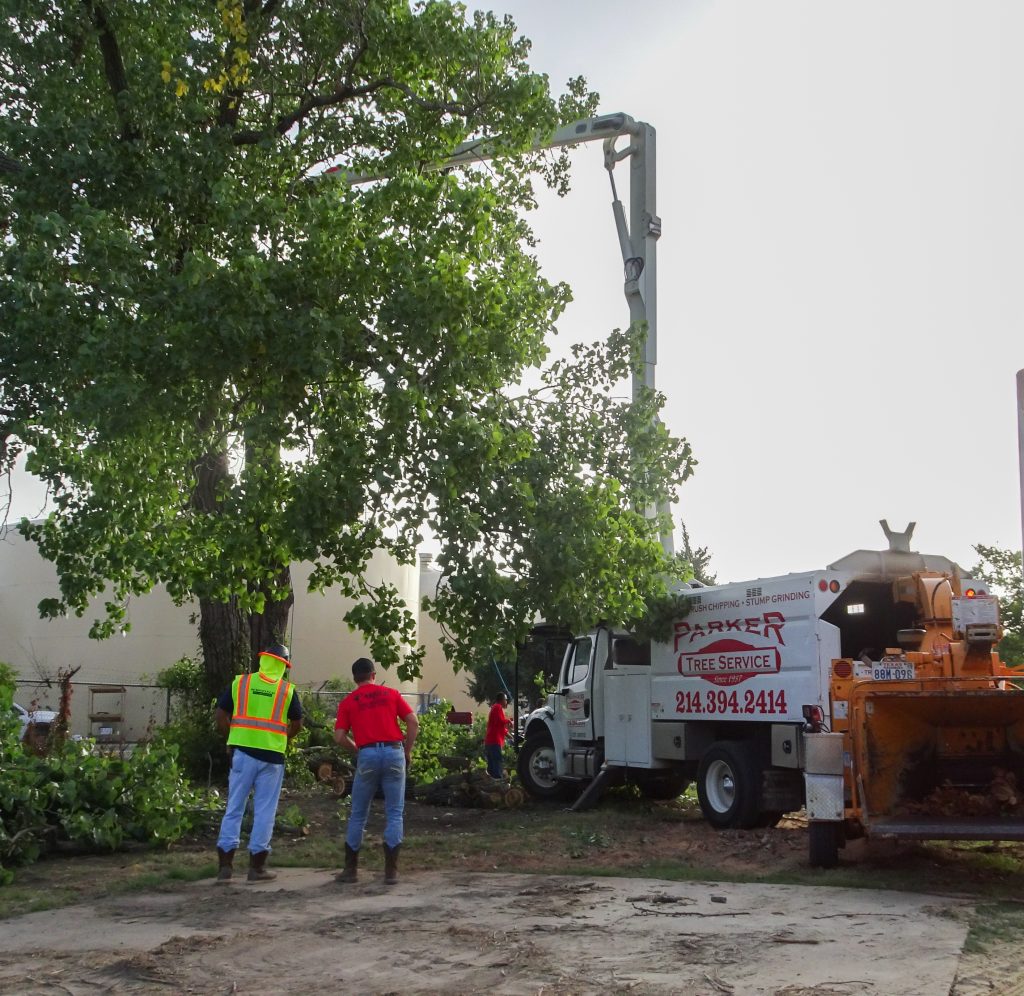
Professional companies like Parker Tree Service plan removals with both safety and appearance in mind. That includes controlled rigging, careful equipment placement, and thorough cleanup. In a suburban setting like Plano, with tight lot lines and close neighbors, precision is critical. A cracked fence, broken irrigation line, or damaged siding from a DIY job can cost far more to fix than hiring a qualified crew in the first place, and those issues can show up on inspection reports.
Stump handling is another piece of the puzzle. Leaving a large stump in the yard not only detracts from curb appeal but can also pose a tripping hazard and complicate future landscaping. Proper stump grinding and site restoration help return the yard to a smooth, usable condition that photographs well and feels move‑in ready. When buyers walk the property, they should see a well-maintained landscape, not the aftermath of a rushed removal.
Documentation of professional work can also support future resale. Invoices, before‑and‑after photos, and any arborist notes about disease or structural issues can be shared with buyers to show that problems were addressed responsibly. This level of transparency builds trust. If you are considering a major removal, especially of a prominent tree, working with a professional and planning for a clean finish can protect the value you’ve worked hard to build. For homeowners exploring options, services like Tree removal are often the first step in a well-managed transition from risk to long-term value.
Frequently Asked Questions
Does removing a large tree always lower my property value? Not always. The effect depends on the tree’s health, location, and role in your landscape. If the tree is hazardous, diseased, or damaging your home, removal can actually protect or enhance value by reducing risk and future repair costs. However, if it is a healthy shade tree in a prime spot, taking it down can reduce curb appeal, comfort, and perceived value. In Plano, it is common for one property to have trees that should be kept and others that should be removed; the key is evaluating each tree individually.
Will buyers in Plano, TX notice if I remove a mature tree before selling? Many will, especially if the removal significantly changes shade, privacy, or the overall look of the yard. Buyers may not know the exact reason a property feels less inviting, but they do respond to comfort and aesthetics. If a large tree once framed the home or shaded the patio and is suddenly gone, the home can feel more exposed and less established. That said, if the tree was clearly a hazard or causing visible damage, buyers may view its removal as a positive, especially if the work was done professionally and the area was restored attractively.
How can I tell if a tree is hurting my home’s value instead of helping it? Look at three main factors: safety, damage, and fit. A tree that leans, drops large dead limbs, or has visible decay may be a safety concern and a red flag for buyers and inspectors. Roots lifting sidewalks or cracking driveways, or branches scraping the roof, suggest current or future repair costs. Finally, consider whether the tree is in scale with the home and appropriate for the space. If it overwhelms the yard, blocks the front of the house, or creates constant mess and maintenance, it may be detracting from value rather than adding to it. A professional assessment from a company like Parker Tree Service can clarify these issues.
Should I remove a problematic tree now or wait until I’m closer to selling? In many cases, addressing a clearly problematic tree sooner is better. Early removal reduces ongoing risk, prevents further damage, and gives your landscape time to recover. Grass can regrow, replacement plantings can establish, and any scars from removal can fade before listing photos are taken. Waiting until just before selling can force rushed decisions and leave obvious bare spots. However, if the tree is borderline and not an immediate hazard, timing may depend on your overall renovation and landscaping plans, which a professional can help you coordinate.
Do I need to replace a removed tree to maintain property value? While you are not always required to replace a tree, thoughtful replanting can help preserve the visual and functional benefits that buyers look for. A new shade tree, ornamental trees, or layered landscaping can restore balance, provide some privacy, and keep your yard from feeling empty. In some Plano neighborhoods, HOAs or city guidelines may also encourage or require replacement trees to maintain the character of the area. Even if replacement trees are smaller, they signal to buyers that the landscape has been planned, not neglected, which supports overall property value.