
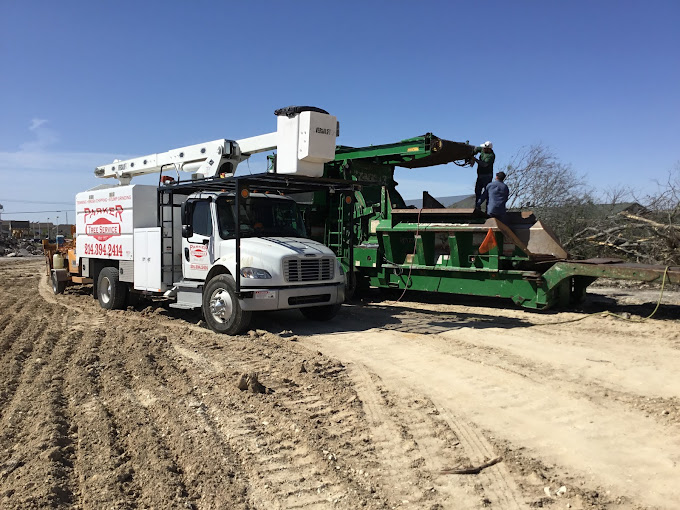
Most people look at an old tree stump and see only an eyesore or a tripping hazard. They assume grinding it out is a purely cosmetic step, or worse, that it’s automatically bad for the environment because it involves machinery, fuel, and noise. The reality is more complicated. Stump grinding can be either environmentally responsible or environmentally careless, depending entirely on how it is planned, executed, and followed up.
There is also a common belief that “letting nature take its course” and leaving stumps in the ground is always the greener choice. In some untouched forests, that can be true. In a suburban community like Plano, TX, though, with irrigation systems, foundations, lawns, and power lines all intertwined, abandoned stumps can create pest problems, fungus spread, and safety risks that have their own environmental and economic costs. Understanding how stump grinding fits into the larger ecosystem of your yard, neighborhood, and city is the key to making smart, sustainable decisions.
Parker Tree Service works in that intersection every day, helping Plano homeowners and property managers decide when grinding is appropriate, how deep to go, what to do with the grindings, and how to restore the soil afterward. When done thoughtfully, stump grinding can protect nearby trees, improve soil health, and even reduce long-term chemical use. When done poorly, it can compact soil, waste organic matter, and disturb beneficial organisms. The difference lies in the details.
What Stump Grinding Actually Does
Stump grinding is often confused with complete stump removal, but they are very different processes with different environmental footprints. Grinding uses a rotating cutting wheel to chip away the visible stump and a portion of the root flare below ground, usually 6–18 inches deep. The roots themselves are left in place to slowly decompose, feeding soil life over time. Full removal, by contrast, typically involves heavy equipment to pull out the entire root system, leaving a large hole and significantly disturbing the soil structure.
From an environmental standpoint, this distinction matters. Leaving roots in the ground preserves some of the underground habitat for fungi, bacteria, and invertebrates that are essential to healthy soil. It also reduces erosion because the remaining roots still help hold soil in place while they break down. In a city like Plano, where intense rainstorms can quickly wash away topsoil from bare areas, that reduced disturbance is a real benefit.
The grinding process generates a mound of wood chips and soil fragments, often more volume than homeowners expect. How those chips are handled has a direct environmental impact. If they are treated as waste and hauled to a landfill, the carbon in that wood is sequestered poorly and may contribute to methane emissions as it decomposes anaerobically. If they are reused on-site as mulch or compost feedstock, they become a resource that improves water retention, reduces weeds, and protects the soil surface.
Parker Tree Service typically recommends grinding only as deep as necessary for the future use of the area. If the space will be converted to lawn, a shallower grind may be enough; if you plan to replant a tree or install a garden bed, a deeper grind and more thorough cleanup of woody debris might be needed. Tailoring the depth to the goal minimizes unnecessary fuel use and soil disruption.
Soil Health, Microbes, And Carbon
One of the most overlooked aspects of stump grinding is its impact on soil biology. A tree stump is not just dead wood; it is part of a complex underground network of mycorrhizal fungi and microorganisms. When the stump is removed or ground down, that network is disrupted. However, it is not necessarily destroyed. In many cases, the fungi simply shift their activity to remaining roots or nearby trees, especially if the grinding is not excessively deep.
The wood chips left behind are rich in carbon but low in nitrogen. If they are mixed deeply into the soil where you want to grow grass or shallow-rooted plants, the microbes that decompose the wood will temporarily tie up nitrogen, causing yellowing or slow growth. This leads some people to blame stump grinding for “ruining” their soil, when the real issue is poor management of the grindings. Keeping most of the chips at the surface as mulch, rather than tilling them in, avoids that nitrogen drawdown and still allows gradual decomposition that feeds soil life.
There is also a climate angle to consider. Trees store carbon, and when they are cut, that carbon begins returning to the atmosphere. Whether you grind the stump or leave it, decomposition will occur. The main difference is the rate and the conditions. A stump left intact above ground decomposes more slowly and can host a broader range of organisms, but it may also harbor pests or diseases in a residential setting. Grinding accelerates the physical breakdown and creates more surface area, but if the chips are used as mulch in your landscape, much of that carbon remains in the local soil system for years.
In Plano’s hot summers and clay-heavy soils, protecting soil structure is critical. Heavy equipment can compact the ground, squeezing out air and water spaces that roots and microbes need. Using appropriately sized grinders, avoiding work when the soil is saturated, and limiting repeated passes over the same area are all part of reducing compaction. A reputable company like Parker Tree Service considers these details, because long-term soil health is central to the health of every other tree on your property.
Pests, Disease, And Neighborhood Ecology
Another environmental dimension of stump management involves pests and pathogens. Old stumps can become breeding grounds for termites, carpenter ants, and wood-boring beetles. While these insects play a role in natural decomposition, in a suburban environment they can migrate into fences, decks, or even homes. Allowing stumps to linger can inadvertently increase the need for chemical pest control later, which has its own environmental costs.
Diseased stumps pose an even more direct threat. If a tree was removed because of fungal diseases such as root rot, oak wilt, or other pathogens, leaving the stump in place can allow the disease to persist in the root system and spread to nearby trees through soil contact or fungal networks. In these cases, stump grinding is not just an aesthetic choice; it is a plant health and biosecurity measure that helps protect the broader urban forest in Plano.
However, removing every stump in every situation is not automatically better. Some wildlife species benefit from decaying wood, including beneficial beetles, birds that feed on them, and fungi that recycle nutrients. On larger lots or more naturalized areas of a property, Parker Tree Service may recommend leaving some stumps in low-traffic zones to support biodiversity, while grinding those that are close to structures, utilities, or high-use areas.
Urban ecology is always a balancing act. Plano’s mix of residential neighborhoods, parks, and commercial landscapes means different properties have different tolerance levels for visible decay and wildlife habitat. Thoughtful stump management recognizes that a backyard is not a pristine forest, but it also does not have to be a sterile, manicured monoculture. The goal is to reduce genuine risks while preserving as much ecological function as possible.
Water, Roots, And Future Planting
Water conservation is a major concern in North Texas, and stump grinding decisions can influence how effectively your landscape uses and holds water. A ground stump that is converted into a mulched bed can dramatically reduce evaporation from the soil surface, keeping moisture available longer for nearby trees and shrubs. In contrast, a bare, compacted area left after stump removal can shed water and encourage runoff instead of infiltration.
Homeowners often want to know whether they can plant a new tree where the old one was ground out. In many cases, it is better to shift the planting location slightly. The soil where the stump was located will contain a high proportion of woody debris as the roots decompose, which can cause settling and uneven moisture levels. In addition, some tree species leave behind allelopathic compounds or disease organisms in the soil that can affect new plantings. Planting a few feet away from the old stump zone allows the new tree to establish in more stable soil while the old root system quietly breaks down.
That does not mean the old stump area becomes useless. It can be turned into a shrub bed, a mulched seating area, or a wildflower patch. The remaining roots will continue to improve soil structure as they decompose, creating channels for water and air. Parker Tree Service can help design a transition plan that takes into account your landscape goals, existing irrigation, and the long-term health of other trees on the property.
In Plano’s clay soils, careful grading and re-soiling after grinding are also important. Simply pushing chips back into the hole and planting turf over them often leads to sunken spots and uneven watering. A more sustainable approach is to remove excess chips for use elsewhere, backfill with a soil mix appropriate for your plants, and then mulch the surface. This layered strategy supports better water movement, reduces erosion, and sets up future plantings for success.
Noise, Emissions, And Responsible Practices
No discussion of stump grinding’s environmental impact is complete without acknowledging the machinery itself. Grinders run on fuel, produce emissions, and generate noise. These are real impacts, especially in dense neighborhoods. However, they are also temporary and can be minimized with modern equipment and good scheduling practices.
Newer stump grinders tend to be more fuel-efficient and cleaner-burning than older models. Routine maintenance, sharp cutting teeth, and proper operation all reduce the time needed on-site, which means less idling, fewer emissions, and shorter noise duration. When Parker Tree Service plans a job in Plano, technicians consider access routes, number of stumps, and grinder size to complete the work as efficiently as possible.
It is also important to compare the impact of a one-time grinding operation to the long-term alternatives. Leaving a hazardous stump in place may lead to trip-and-fall injuries, root suckering that requires repeated mowing or herbicide use, or pest issues that call for ongoing chemical treatments. Over years, those recurring interventions can have a larger environmental footprint than a single, well-managed grinding visit.
Finally, there is a community dimension to noise and disturbance. Responsible companies communicate with property owners about timing, duration, and potential disruptions. In some cases, coordinating with neighbors or homeowners’ associations can reduce conflicts and ensure everyone understands the purpose and benefits of the work. In a city like Plano, where properties are often close together, that social responsibility is part of the broader environmental picture.
Making Environmentally Smart Choices In Plano
For homeowners and property managers in Plano, the most sustainable approach to stump grinding starts with a site-specific assessment. What species was the tree? Why was it removed? Are there signs of disease or pest activity? How close is the stump to structures, utilities, or other trees? Parker Tree Service uses these questions to decide whether grinding is recommended, how extensive it should be, and what follow-up steps will best protect the landscape.
One of the simplest but most powerful environmental choices you can make is to reuse the grindings wisely. Instead of sending them away, consider using them as mulch around other trees, in flower beds, or in naturalized corners of the yard. A 2–4 inch layer of wood chips can significantly reduce watering needs and moderate soil temperatures, which is especially valuable in Plano’s scorching summers. If you have more chips than you can use immediately, they can be composted with green materials to create a rich soil amendment.
Another smart step is to pair stump grinding with proactive tree care for the remaining trees on your property. Removing hazardous or diseased trees and then investing in the health of the rest of your landscape can reduce the need for future removals. Services such as inspections, structural pruning, and deep root care help trees withstand storms, pests, and drought. Thoughtful care today means fewer stumps to worry about tomorrow.
When you search for Tree pruning services near me, it is worth choosing a company that understands these broader environmental connections rather than treating stump grinding as just another line item. In Plano, that means working with professionals who see your property as part of a living system, not just a collection of individual tasks.
Frequently Asked Questions
Does stump grinding harm the environment more than leaving the stump? It depends on the context. In a natural forest, leaving a stump often makes sense because it provides habitat and decomposes slowly. In a residential Plano yard, however, stumps can harbor pests, spread disease, and create hazards that lead to more chemical and mechanical interventions over time. When stump grinding is done with care, the roots are left to decompose underground, the chips are reused as mulch, and soil disturbance is minimized. In those cases, the overall environmental impact can be lower than leaving a problematic stump in place.
Can I leave the wood chips from stump grinding in my yard? Yes, and in many cases, that is the most environmentally friendly choice. The chips can be spread as mulch around trees and shrubs to conserve moisture, regulate soil temperature, and suppress weeds. The key is to avoid mixing large amounts of fresh chips into the topsoil where you plan to grow turf or shallow-rooted plants, because that can temporarily tie up nitrogen. Parker Tree Service often recommends removing some excess chips from the grinding hole, backfilling with soil, and then applying a surface layer of chips as mulch.
Is it safe to plant a new tree where the old stump was ground out? It is usually better to plant slightly away from the exact spot of the old stump. The soil in that area will contain many decaying roots and wood fragments, which can cause uneven settling and inconsistent moisture levels. Additionally, if the previous tree had disease issues, planting in the same hole can expose the new tree to the same pathogens. In Plano, a good rule of thumb is to move at least a few feet to one side and plant in undisturbed soil, while allowing the old root system to decompose naturally.
How deep should stump grinding go to be environmentally responsible? The ideal depth depends on how you plan to use the area. For lawn installation, grinding 6–10 inches deep is often sufficient. For replanting shrubs or creating garden beds, a deeper grind of 12–18 inches may be recommended. Grinding deeper than necessary uses more fuel and disturbs more soil than needed, while grinding too shallow can leave roots that interfere with future use. A professional assessment from a company like Parker Tree Service helps strike the right balance between practicality and environmental care.
Are there ways to reduce the carbon footprint of stump grinding? There are several practical steps. Choosing a local company in Plano reduces travel distance and associated emissions. Using modern, well-maintained equipment shortens grinding time and improves fuel efficiency. Reusing grindings as mulch or compost keeps carbon in the local soil system instead of sending it to a landfill. Finally, pairing stump grinding with preventive tree care reduces the likelihood of repeated removals in the future, which helps keep the overall carbon footprint of your landscape management lower over the long term.