
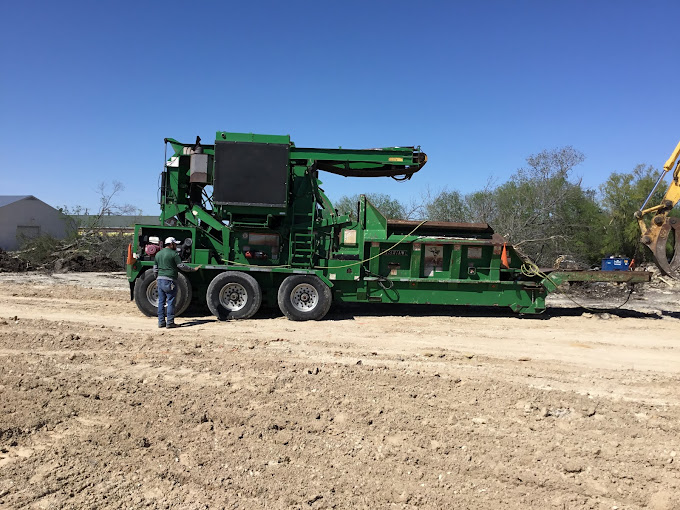
Old tree stumps have a way of holding a yard hostage. They get in the way of lawnmowers, ruin landscaping plans, attract pests, and become unsafe obstacles that kids trip over and guests notice immediately. Many Plano homeowners cut down problem trees only to discover that the real frustration begins after the tree is gone: the stubborn stump left behind. That’s where smart stump grinding techniques turn an eyesore into an opportunity for real yard improvement.
Instead of letting stumps rot slowly over years, professional grinding removes the visible wood and breaks it down below the soil line, opening space for new grass, planting beds, or even hardscapes like patios and walkways. The difference between a yard dotted with stumps and one that has been professionally cleared is dramatic. With the right approach, stump grinding doesn’t just erase a problem; it becomes the first step in reshaping how you use your outdoor space.
In Plano, TX, where small suburban lots and tight side yards are common, Parker Tree Service uses a range of stump grinding techniques to work around fences, foundations, irrigation lines, and utility cables. Understanding these methods helps homeowners see what’s possible, what’s safe, and how a simple stump removal can become a catalyst for a cleaner, more functional yard.
Why Stumps Need Attention
Leaving a stump in place might seem harmless at first. The tree is gone, the shade issue might be solved, and it can feel like the hard part is over. But over time, stumps become a magnet for problems. As the remaining wood decays, it can attract termites, ants, beetles, and fungi. In a neighborhood like Plano, where houses are close together, those pests often migrate from the stump to fences, decks, and even the home’s structure.
Stumps are also a persistent obstacle for yard maintenance. Lawn equipment can’t easily maneuver around them, which leads to uneven mowing and tall grass or weeds encircling the base. That patchy ring around a stump quickly becomes a visual low point in an otherwise tidy yard. For families who like to use their outdoor space for kids’ play, pets, or gatherings, a solid, hidden stump just under the grass can be a real tripping hazard.
From a design standpoint, stumps limit what you can do with your landscape. You can’t easily install a new planting bed, extend a patio, or run a path through that area while a large mass of wood is still embedded in the ground. Because Plano soils can be compacted and challenging, the presence of a stump makes it even harder to regrade or reshape the yard. Removing that material through grinding restores flexibility and lets you plan improvements without working around a permanent dead spot.
How Stump Grinding Works
Stump grinding is different from simply chopping or digging out a stump. A stump grinder uses a rotating cutting wheel with sharp carbide teeth to systematically shave the stump into small wood chips. The machine is positioned over the stump, and the operator sweeps the wheel back and forth, lowering it gradually until the stump and its major roots are reduced well below the soil surface. This method is far less disruptive than excavation and doesn’t require heavy digging equipment.
For Plano properties, Parker Tree Service evaluates the size of the stump, its proximity to structures, and any access limitations before choosing the right grinder. There are large, self-propelled machines for big open yards and compact units that can pass through gates or navigate narrow side yards typical of suburban neighborhoods. Proper machine selection is critical; the wrong size equipment can damage turf, irrigation heads, or nearby plantings.
The grinding depth is another key technique. A shallow grind may be suitable if you only plan to lay sod over the area, while deeper grinding is needed if you intend to plant a new tree, install a flower bed, or pour a concrete slab. In many Plano yards, grinding 6–12 inches below grade is standard, but for certain projects, Parker Tree Service may recommend going deeper to remove larger lateral roots that could interfere with future work.
Techniques For Different Yard Conditions
Not every stump sits in the middle of an open lawn. Many in Plano are wedged between fences, next to driveways, or close to foundations and pool decks. In these tight conditions, Parker Tree Service uses compact stump grinders and precise positioning to limit surface disturbance. The operator may need to angle the machine carefully, grind in smaller passes, and work more slowly to avoid contact with masonry, siding, or fence posts.
When stumps are near underground utilities or irrigation systems, technique becomes even more important. Before grinding, it’s wise to have utilities located and marked so the operator knows where gas, water, or cable lines run. In these situations, the grinder is often set to a controlled depth, and the operator proceeds cautiously around known lines. For irrigation-heavy yards in Plano, it’s common to flag sprinkler heads and valves and sometimes temporarily remove components that are too close to the stump.
Soil conditions also affect the grinding approach. In compacted clay or rocky areas, the grinder teeth can encounter stones that dull the cutting edges or cause kickback. Experienced crews adjust their speed, pressure, and cutting path to manage these conditions. They may also reshape the mound around an old stump before grinding to reduce debris and ensure a smoother, safer operation. These small technique choices add up to better results and fewer surprises for the homeowner.
Managing Wood Chips And Backfilling
Once a stump is ground, the job is only half done. Grinding produces a surprising volume of wood chips mixed with soil. If left piled, these chips can smother grass and create a low, soggy spot as they settle and decompose. A key part of professional stump grinding technique is handling this material properly and preparing the area for whatever comes next in your yard plan.
In many Plano yards, Parker Tree Service will backfill the hole with a portion of the chips to bring the area roughly level with the surrounding ground, then remove excess material if requested. Because wood chips break down over time and can cause the surface to sink, it’s smart to leave the area slightly mounded at first. Homeowners who want a cleaner finish can opt to have most chips hauled away and the area topped with soil and seed or sod-ready fill.
Those wood chips can also be repurposed on-site. When spread thinly as mulch in flower beds or around shrubs (not piled against trunks), they help retain moisture and suppress weeds. However, they are not ideal as a base layer for lawns because they can tie up nitrogen as they decompose. A good technique is to remove the majority of chips from the stump hole, add topsoil, and then use a small portion of the chips as mulch elsewhere. This gives you a neat, level surface while still taking advantage of the material you already have.
Planning Yard Improvements After Grinding
Grinding a stump opens up new design possibilities, and timing those improvements can make your project smoother. In Plano’s climate, many homeowners coordinate stump grinding with seasonal landscaping: removing stumps in late winter or early spring to prepare for new plantings or turf installation. Once grinding is complete and the hole is properly backfilled, you can begin shaping the area into something more useful and attractive.
If your goal is a new lawn, the ground should be leveled and compacted lightly after backfilling. Adding a few inches of quality topsoil over the former stump area helps even out nutrient levels and encourages uniform grass growth. Because the ground may settle as any remaining chips decompose, it’s smart to check the area periodically during the first year and add soil if a shallow depression forms. This proactive approach keeps the lawn surface even and prevents water from pooling.
For planting beds, stump grinding clears the way for shrubs, perennials, or even a replacement tree. In Plano, where heat and drought are common, you might choose hardy, water-wise plants to fill the new space. If you plan to replant a tree near the old stump location, grinding deeper and wider around the original root zone gives new roots a better environment. Parker Tree Service can advise on spacing, especially if the original tree had root issues that you don’t want to repeat.
Safety, DIY Limits, And Professional Help
Homeowners sometimes consider renting a stump grinder from a local store and tackling the job themselves. While that can work for very small stumps in open areas, there are real safety and property risks if you’re not familiar with the equipment. Stump grinders are powerful machines with fast-spinning cutting wheels; misuse can lead to flying debris, damage to windows, vehicles, or irrigation, and serious personal injury.
In tighter Plano yards, the margin for error is small. Fences, AC units, pool equipment, and nearby plantings are all vulnerable if the grinder is not controlled precisely. Underground utilities and hidden rocks also pose hazards. Professional crews from Parker Tree Service are trained to assess these risks, use protective shields when needed, and operate the grinder at the right speed and angle for the conditions. They bring experience that reduces the chance of costly mistakes.
Another advantage of professional grinding is efficiency. What might take a weekend of tough, uncertain work with rented equipment can often be finished in a fraction of the time by a crew that does this every day. That means less disruption to your yard and a faster path to the improvements you actually care about: new landscape beds, a safer play area, or a cleaner, more open lawn.
Frequently Asked Questions
How deep should a stump be ground for yard improvement? For most Plano yards, grinding a stump 6–12 inches below the soil surface is sufficient to allow grass to grow and light landscaping. If you plan to plant a new tree, install a garden bed, or build a patio over the area, deeper grinding is recommended, sometimes extending wider around the stump to remove major lateral roots. Parker Tree Service typically discusses your future plans before starting so they can set the grinder depth to match your goals and minimize the chance of roots interfering with future projects.
Will the stump grow back after grinding? Proper stump grinding significantly reduces the chance of regrowth, but some species with aggressive root systems can occasionally send up small shoots from remaining roots. These shoots are usually weak and can be mowed down or removed easily. In cases where regrowth is a concern, the stump can be ground more thoroughly, and any new sprouts can be managed early. Over time, as the roots decay, the risk of regrowth diminishes, and the area becomes just another part of your usable yard.
Can I plant a new tree where the old stump was? You can plant near the old stump location, but planting directly on top of the previous root system is not ideal. The soil there can be full of decaying wood chips, which affects nutrient balance and can cause uneven settling. A better approach is to grind the stump deeply, remove most of the chips, add fresh topsoil, and then plant the new tree slightly to the side of the original trunk location. Parker Tree Service can help you determine the best placement and depth so the new tree has room for healthy root development.
How long does stump grinding take? The time required depends on stump size, wood hardness, and access. A small stump in an open Plano yard might take 20–30 minutes to grind, while a large, dense stump in a tight corner can take an hour or more. Additional time is needed for cleanup, chip management, and backfilling. When Parker Tree Service evaluates your property, they can provide a realistic time frame so you know how long the work will impact your yard and when you can start on your follow-up landscaping.
Does stump grinding help with pest problems? Removing stumps through grinding eliminates one of the key habitats that attract wood-boring insects and fungi. While grinding alone won’t solve every pest issue on a property, it does remove a major source of decaying wood that can harbor termites and other insects. In a community where trees and homes are close together, reducing these pest reservoirs is a smart preventive step. For more serious tree health or urgent hazard issues, Parker Tree Service also provides specialized services such as Webworms Treatment to protect the rest of your landscape.