
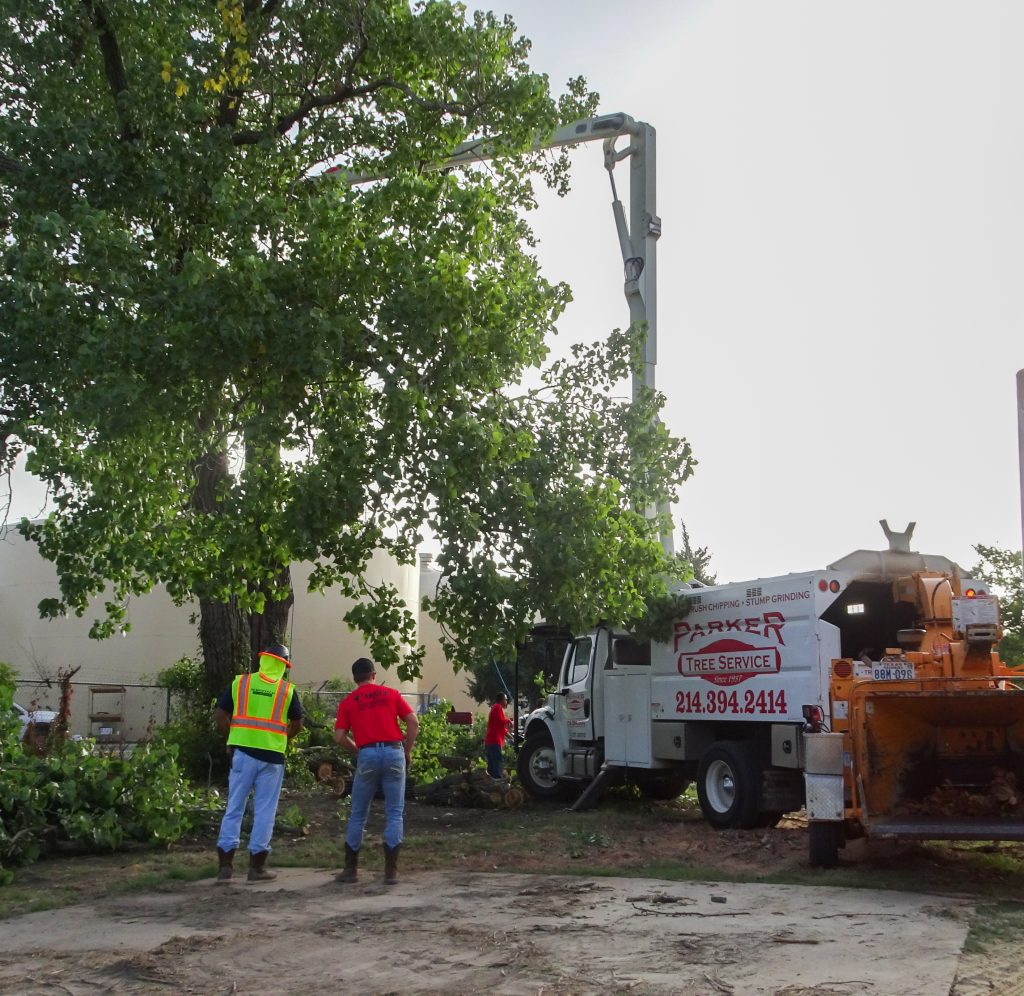
Overgrown branches that scrape the roof, trees leaning toward power lines, and dense canopies blocking light from your lawn are more than cosmetic annoyances. Left alone, they quietly undermine the health of your entire landscape. Grass thins out in the shade, shrubs struggle, branches die back, and the risk of storm damage increases. Many Plano homeowners don’t realize how much of this traces back to one overlooked practice: thoughtful, consistent tree pruning.
Tree pruning is not simply “cutting branches.” When done correctly, it is a targeted, health-focused process that guides how a tree grows, how it handles stress, and how it coexists with everything else on your property. Strategic pruning opens the canopy for light and air, removes diseased or weak limbs, shapes strong structure, and protects nearby plants, structures, and people. For homeowners and property managers in Plano, TX, partnering with a professional team like Parker Tree Service to keep trees properly pruned can dramatically improve both the beauty and resilience of the entire landscape.
The benefits are cumulative. Each well-timed cut reduces future hazards, directs the tree’s energy toward strong, healthy growth, and creates a more balanced ecosystem in your yard. Over the years, this can mean fewer emergency removals, healthier lawns and shrubs, better curb appeal, and a landscape that weathers North Texas heat and storms with far less trouble. Understanding why pruning matters—and how it specifically supports landscape health—helps you see trees not as maintenance headaches, but as long-term investments worth caring for correctly.
Healthier Trees, Healthier Landscape
Your trees are the largest living components of your landscape, and their health influences everything around them. A tree with a crowded, neglected canopy often develops deadwood, crossing branches, and hidden decay. These weak points are not only dangerous; they also drain the tree’s resources and create entry points for pests and disease. When Parker Tree Service prunes trees in Plano, the first priority is always to remove what is dead, dying, or structurally unsound so that the tree can direct its energy toward strong, healthy tissue.
Healthy trees support the plants beneath them. By thinning out dense canopies, pruning allows dappled sunlight to reach lawns, groundcovers, and flower beds. This is especially important in Plano neighborhoods where lots are modest in size and one or two large shade trees can dominate an entire yard. With better light penetration, your turf can fill in more evenly, ornamental shrubs can bloom more vigorously, and the soil can stay drier at the surface, reducing fungal problems in surrounding plants.
Improved air circulation is another underappreciated benefit of pruning. Thick, unpruned canopies trap humidity, which can promote leaf spot diseases, mildew, and other fungal issues. By selectively removing branches, professional arborists open “windows” in the canopy, allowing air to move more freely through the tree and the landscape below. In Plano’s hot, often humid summers, this improved airflow can be the difference between plants constantly battling disease and a landscape that stays comparatively clean and vibrant.
Over time, this combination of better light, better airflow, and reduced disease pressure creates a more balanced, self-sustaining landscape. You may notice that you rely less on chemical treatments, irrigation is more effective, and plants hold onto their foliage longer into the season. All of this begins with the health of your trees, which is why proactive pruning is such a powerful tool for overall landscape health.
Preventing Damage And Hazards
In North Texas, wind and storms are a way of life. Unpruned trees with long, heavy limbs and weak branch unions are far more likely to fail during severe weather, causing damage to roofs, fences, vehicles, and sometimes people. One of the key benefits of professional pruning is hazard reduction: identifying and addressing weak or overextended limbs before nature does it for you. Parker Tree Service crews are trained to recognize structural defects that most homeowners miss, such as included bark, hidden cracks, or decay pockets.
By shortening or removing risky branches, pruning reduces the “sail effect” of the canopy, so it catches less wind and experiences less leverage during storms. This structural balancing is especially important for species common in Plano, like live oaks, red oaks, and elms, which can develop wide-spreading limbs that become heavy over time. Proper pruning distributes that weight more evenly and encourages the tree to grow stronger supporting wood where it’s needed most.
Pruning also protects structures and utilities. Branches that brush against roofs can wear away shingles, invite pests, and provide easy access for rodents. Limbs growing into power lines are not only unsightly; they can become dangerous and lead to utility interruptions. Regular pruning keeps safe clearance around homes, garages, driveways, and service lines. This is not just about preventing catastrophic failures; it’s also about avoiding the slow, ongoing damage that adds up to expensive repairs later.
From a safety standpoint, removing deadwood and low-hanging branches reduces the risk of falling limbs in high-traffic areas like sidewalks, driveways, and play spaces. For families, landlords, and businesses in Plano, this risk management aspect of pruning is crucial. A well-maintained tree is far less likely to surprise you with a broken branch or sudden failure, and that peace of mind is a direct benefit of consistent, professional pruning.
Enhancing Beauty And Curb Appeal
Healthy trees are beautiful, but unpruned trees can quickly look wild, unbalanced, or overshadow everything else in the yard. Pruning is the art of revealing a tree’s natural form while making it fit harmoniously within the landscape. Instead of just hacking back branches, Parker Tree Service focuses on selective cuts that refine shape, emphasize strong structure, and create a pleasing silhouette. This can dramatically improve curb appeal, especially for front-yard trees that frame your home in Plano’s residential neighborhoods.
Thoughtful pruning helps highlight desirable features: a graceful branching pattern, a strong central leader, or a broad, even canopy. At the same time, it de-emphasizes awkward or competing limbs. When trees are shaped to complement the architecture of your home and the layout of your beds, the entire property looks more intentional and well cared for. This visual coherence makes a strong impression on guests, neighbors, and potential buyers if you ever decide to sell.
Pruning also makes it easier to showcase other landscape elements. Overgrown lower branches can hide flower beds, ornamental shrubs, or garden features. By raising the canopy and thinning the interior, light reaches these areas and they become more visible. Suddenly, those azaleas or decorative boulders you invested in are no longer hidden in the shadows. The result is a layered, three-dimensional look that gives your yard depth and character.
In a competitive real estate market like Plano, the condition of your trees and landscape can influence property value. While most appraisals don’t list “tree pruning” as a line item, the overall impression of a neat, healthy, well-maintained landscape can add real financial value. Regular pruning helps ensure that your trees remain assets, not liabilities, in the eyes of future buyers and inspectors.
Supporting Long-Term Tree Structure
One of the most powerful benefits of pruning is its effect on a tree’s long-term structure. Trees don’t naturally grow with human spaces in mind; they follow light and gravity. Without guidance, they may develop multiple co-dominant stems, steep branch angles, or heavy lateral limbs that become problematic as the tree matures. Structural or formative pruning, especially in young and middle-aged trees, corrects these issues early and sets the tree up for a long, stable life.
In Plano’s newer neighborhoods, many trees are still in their formative years. This is the ideal time for Parker Tree Service to shape strong branch architecture. By selectively choosing which branches to keep as permanent scaffold limbs and which to remove or shorten, arborists encourage a sturdy framework that can support future growth. This reduces the likelihood of major failures later, when branches are much larger, heavier, and more difficult (and expensive) to correct.
Even mature trees benefit from structural pruning. Removing or reducing weakly attached limbs, correcting imbalances in the canopy, and alleviating excessive weight on one side all contribute to a more stable tree. This is particularly important around homes, patios, and play areas where failure would be most damaging. Over time, regular structural pruning can extend the functional lifespan of a tree, allowing you to enjoy its shade and beauty for decades longer than you might otherwise.
Strong structure is also a health issue. Cracks and splits in poorly structured trees become entry points for decay organisms and insects. By preventing or minimizing these structural defects through pruning, you reduce the opportunities for serious internal decay to take hold. In other words, good structure is not only safer; it is healthier, and that health radiates outward into the rest of your landscape.
Improving Sunlight, Soil, And Plant Balance
Landscape health is about balance: enough light, enough moisture, enough space for roots, and enough nutrients for all plants to thrive. Overgrown trees can tip that balance in the wrong direction. Their canopies cast deep shade, and their root systems compete aggressively with lawns and beds. Strategic pruning helps restore equilibrium by managing how much light the tree filters and how much stress it places on surrounding vegetation.
By thinning the canopy, more sunlight reaches the ground for longer periods of the day. In Plano, where many homeowners value lush lawns and colorful plantings, this extra light can be transformative. Grass that was thin and patchy under a dense oak may thicken and green up when given more sun. Flowering perennials that rarely bloomed may suddenly begin to thrive. Pruning doesn’t eliminate shade; it refines it, turning harsh, all-day darkness into the gentle, shifting light that many plants prefer.
Better light and airflow also influence soil conditions. Shaded, stagnant areas tend to stay damp longer, encouraging moss, mold, and root issues. When the canopy is opened, the soil surface dries more evenly after rain or irrigation, reducing the risk of fungal diseases in both trees and understory plants. In some cases, pruning can also make related services, like Tree Surveys, more effective by ensuring that nutrients and treatments are distributed through a healthier, better-ventilated root zone.
Finally, pruning helps you manage plant competition. By limiting the size and density of the tree canopy, you effectively dial back how aggressively the tree competes for resources above ground. This gives nearby shrubs, perennials, and turf a better chance to access the light and space they need. Over time, this balance leads to a more diverse, layered landscape where trees, shrubs, and groundcovers coexist rather than fight for dominance.
Tailoring Pruning To Plano’s Climate
Plano’s climate presents specific challenges: hot summers, occasional drought, clay-heavy soils, and sudden storms. Pruning, when done with local conditions in mind, can help trees cope with these stresses. For example, reducing the density of the canopy can lessen water demand during the peak of summer while still preserving enough foliage for shade and energy production. The goal is to find a balance that supports both tree health and homeowner comfort.
Timing matters as well. Certain species common in North Texas respond best to pruning during specific seasons to minimize disease risks and stress. Knowledgeable professionals like Parker Tree Service understand these seasonal windows and plan pruning schedules accordingly. This local expertise ensures that cuts heal properly, sap flow is managed, and the tree is not put under unnecessary strain during extreme heat or cold snaps.
Storm preparedness is another climate-specific benefit of pruning in Plano. By regularly removing weak branches and reducing canopy wind resistance, you help your trees stand up better to the sudden gusts and thunderstorms that roll through the area. This proactive approach is far preferable to dealing with emergency removals or storm cleanup after the fact. It keeps your landscape more resilient and reduces disruption to your home life.
As climate patterns shift and extremes become more common, having trees that are structurally sound, properly balanced, and well adapted to local conditions will only grow more important. Regular, thoughtful pruning is one of the most effective ways to build that resilience into your landscape now, rather than reacting to problems later.
Frequently Asked Questions
How often should trees be pruned to keep my landscape healthy? Most landscape trees in Plano benefit from a professional pruning every 2–3 years, though young, fast-growing trees may need more frequent attention to guide their structure. The exact interval depends on the species, age, and location of the tree, as well as how aggressively it grows. Regular inspections by a knowledgeable arborist from Parker Tree Service help determine the right schedule so your trees stay safe, attractive, and supportive of the plants around them.
Can improper pruning harm my trees and yard? Yes. Over-pruning, topping, or making incorrect cuts can severely weaken a tree, invite decay, and lead to excessive, weak regrowth. This not only shortens the tree’s life but can create new hazards and increase shade or mess in the long term. Poor pruning also disrupts the balance of light and airflow in your yard, potentially harming lawns and garden beds. That’s why it is important to rely on trained professionals who understand tree biology and local conditions.
Does pruning really help my lawn and garden, or just the trees? Proper pruning absolutely benefits your lawn and garden. By letting more filtered sunlight reach the ground and improving air circulation, pruning creates conditions where turf, shrubs, and perennials can thrive. You’ll often see thicker grass, healthier foliage, and better flowering after dense canopies are thinned. In many Plano yards, the single biggest improvement for struggling lawns is simply managing tree shade through thoughtful pruning.
When is the best time of year to prune trees in Plano, TX? The ideal time depends on the tree species and the goal of pruning, but many trees respond well to pruning during late winter or early spring, before new growth begins. Some species are best pruned after they bloom, while others should be avoided during peak disease transmission periods. Parker Tree Service tailors pruning schedules to each tree and follows industry best practices for North Texas, ensuring cuts are timed to support both tree health and landscape needs.
Why hire a professional instead of pruning my trees myself? While light touch-up work is possible for homeowners, comprehensive pruning requires knowledge, experience, and proper equipment. Professionals know how to identify structural defects, make correct cuts that heal well, and shape the canopy to benefit both the tree and the surrounding landscape. They also work safely around power lines, roofs, and large limbs. In Plano, partnering with Parker Tree Service means your trees are pruned with long-term health, safety, and overall landscape balance in mind, rather than just short-term appearance.