
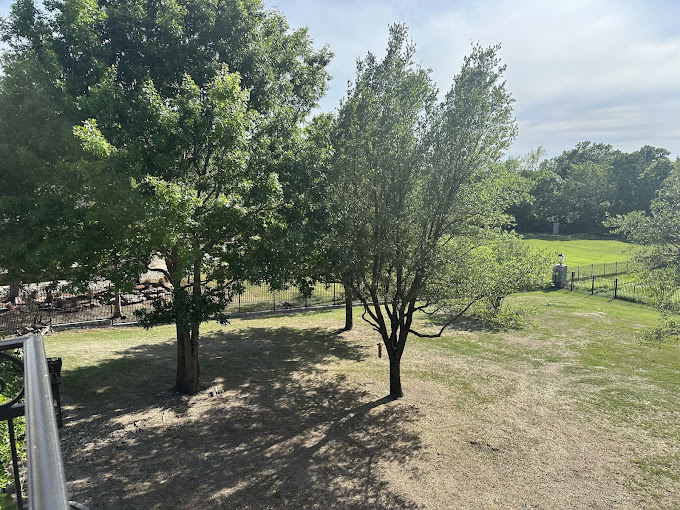
According to insurance industry data, falling trees and branches cause hundreds of millions of dollars in property damage across the United States every year, and a large percentage of those losses occur during or shortly after improper tree removal. What looks like a simple “cut and drop” job can turn into a crushed roof, a smashed fence, or a shattered window in a matter of seconds. The danger is not only to people on the ground, but also to the structures, utilities, and landscaping that surround the tree. In a fast-growing community like Plano, TX, where mature trees often stand close to homes, driveways, and power lines, the margin for error is incredibly small.
Tree removal safety is not just about wearing a hard hat or using a sturdy ladder. It is a complete system of planning, assessing, cutting, rigging, and cleanup that aims to protect both people and property at every stage. When Parker Tree Service steps onto a property in Plano, the primary question is never “How fast can we take this tree down?” but “How can we remove this tree in a way that eliminates surprises and safeguards everything around it?” That mindset—prioritizing safety and protection over speed—makes the difference between a controlled, efficient removal and a costly disaster.
For homeowners, understanding what safe tree removal should look like is empowering. It helps you recognize hazards before they become emergencies, evaluate whether a tree really needs to come down, and choose the right professionals to do the work. It also clarifies why some removals are straightforward while others require cranes, complex rigging, and block-by-block dismantling. By looking closely at the process from a property-protection perspective, you can see why cutting corners is never worth the risk.
Understanding Tree Risk
Every safe tree removal in Plano begins long before a chainsaw is started. The first step is an honest evaluation of the tree’s condition and the risks it presents. Not all problematic trees look obviously dangerous at first glance. A tree may still have green leaves and appear healthy from a distance, yet be hollow, decayed at the base, or structurally compromised by past storms or poor pruning. Parker Tree Service evaluates root stability, trunk soundness, branch attachments, and the presence of disease or insect damage before recommending removal.
Location is just as important as condition. A tall tree leaning over a roof, growing under power lines, or resting near a property line introduces a different level of risk than a similar tree standing alone in a wide-open yard. In many Plano neighborhoods, older trees were planted long before current homes, pools, patios, and fences were built. As a result, their canopies and roots often extend into tight spaces, leaving little room for error when they must be removed. An experienced crew maps out what could be hit if a limb swings unexpectedly or if the trunk kicks back during felling.
Weather and soil conditions also factor into risk assessment. North Texas clay soils can become very soft after heavy rains, reducing root stability and making once-sturdy trees more prone to failure. Wind direction and gust speeds can shift a falling tree off its intended path. A thorough assessment considers the day’s conditions and may lead to rescheduling a job if winds are too strong or if the ground is too unstable to support equipment safely. Skipping this step may seem like saving time, but it significantly increases the odds of property damage.
Planning To Protect Your Property
Once risks are identified, the planning phase begins. A professional plan for safe tree removal looks very different from a quick “let’s cut it and see what happens” approach. Parker Tree Service technicians walk the site, identify all potential targets—roofs, sheds, vehicles, fences, playsets, pools, and utility lines—and then design a removal strategy that keeps those targets out of harm’s way. This often involves breaking the job into multiple stages, taking down smaller sections of the tree in a precise order instead of attempting one dramatic cut.
Part of planning is determining the best access routes for equipment. In Plano, many properties have narrow side yards, decorative stonework, or delicate landscaping that can be easily damaged by heavy machinery if not carefully routed. A thoughtful crew will protect turf, avoid sprinkler heads, and use ground protection mats when necessary. They may decide to use smaller, more maneuverable equipment instead of a larger machine if it means less risk to patios or walkways, even if that slows the job slightly.
Communication is another critical element of planning. The crew leader should clearly explain where they will be working, which areas need to be kept clear, and what the homeowner can expect in terms of noise, temporary closures of driveways, or movement of vehicles. Homeowners are usually advised to move cars out of the work zone, secure pets indoors, and remove any fragile items such as potted plants or lawn décor from the immediate area. When everyone understands the plan, there are fewer surprises and fewer opportunities for accidental damage.
Tools, Gear, And Safe Techniques
Even the best plan fails without the right tools and protective gear. Professional tree removal relies on a combination of chainsaws, ropes, rigging hardware, climbing equipment, and in some cases cranes or bucket trucks. Each piece serves a specific safety purpose. For example, specialized rigging ropes and friction devices allow Parker Tree Service crews to lower heavy branches in a controlled manner instead of letting them free-fall. This is essential when working above roofs, fences, or glass structures where even a modest impact could cause thousands of dollars in damage.
Personal protective equipment (PPE) also plays a key role in protecting both workers and property. Helmets with face shields, chainsaw-resistant chaps, high-traction boots, and cut-resistant gloves reduce the risk of injuries that could cause a worker to lose control of a saw or drop a limb unexpectedly. Professional climbers use saddles, harnesses, lanyards, and backup lines designed specifically for arborist work. These systems allow them to position themselves securely in the canopy and make precise cuts that guide branches safely away from your home.
Safe cutting techniques are where training and experience really show. Instead of making random cuts, a skilled arborist uses specific notching and back-cut methods to control the direction in which a section falls or swings. When space is limited, they may remove branches in smaller pieces, using a system of ropes and pulleys to lower each piece gently to the ground. In Plano’s dense residential areas, it’s not unusual for a tree to be dismantled limb by limb from the top down, with every major piece tied and controlled, rather than felled in one piece.
Working Around Homes, Fences, And Utilities
Tree removal becomes most challenging—and most critical for property protection—when the tree is close to structures or utilities. A tree growing just a few feet from a house often cannot be felled in any direction without hitting something. In these situations, Parker Tree Service typically performs what is known as a sectional removal. Climbers or bucket operators start at the outermost branches and work inward, systematically removing and lowering pieces so that nothing ever falls uncontrolled onto the roof or siding.
Fences and neighboring properties add another layer of complexity. In many Plano neighborhoods, backyard trees straddle or lean over shared property lines, with branches hanging above multiple yards. Safe removal in these cases may require coordination with neighbors, temporary removal of fence panels, or extra rigging to swing limbs back into the owner’s yard instead of letting them drop across the line. A professional crew treats adjacent properties with the same care as the one that hired them, because damage on either side can create headaches and liability issues.
Utilities present unique hazards. Trees entangled with overhead lines, or growing near service drops that connect to a home, require extreme caution. In some cases, the power company may need to be notified or lines temporarily de-energized. No homeowner should attempt to cut branches that are within reach of power lines; the risk of electrocution or fire is very real. Trained professionals know the required clearance distances and use insulated tools and specialized techniques to avoid contact. Protecting your property in these circumstances means first protecting everyone’s safety.
Cleanup, Stump Handling, And Site Protection
Many homeowners focus on the cutting phase of tree removal, but the cleanup phase is just as important for protecting your property. Large piles of heavy wood and brush can damage lawns if left sitting for too long, and dragging branches carelessly across grass or decorative rock can leave gouges and ruts. A conscientious crew like Parker Tree Service will stage debris in designated areas, use proper hauling techniques, and clean up sawdust and small branches so your yard is left neat and usable.
Stump removal or grinding is another step that affects safety and property value. Leaving a tall stump in place can be a tripping hazard, interfere with mowing, and become a magnet for pests such as termites or ants. Grinding the stump below ground level allows you to replant grass, install new landscaping, or even pour a patio in the future. However, grinding must be done carefully to avoid hitting underground utilities, irrigation lines, or hidden rocks that can damage equipment and send debris flying. Locating lines and marking hazards before grinding helps prevent accidental damage.
After the tree and stump are removed, there may be a shallow depression where the stump once stood, filled with wood chips. How this area is handled affects both safety and appearance. Some homeowners choose to have the chips hauled away and replaced with topsoil and seed; others prefer to keep the chips as mulch. Either way, leveling the area and restoring the ground helps prevent twisted ankles and mower damage. A well-executed cleanup ensures the only thing missing from your property is the tree itself, not chunks of lawn or broken hardscape.
Why Professional Help Matters In Plano
It can be tempting to view tree removal as a do-it-yourself project, especially if you own a chainsaw and the tree does not appear enormous. However, statistics from emergency rooms and insurance companies tell a different story: homeowner tree work is a major source of serious injuries and property claims. Misjudging the lean of a tree, underestimating the weight of a limb, or failing to recognize internal decay can cause a tree to fall in a completely unexpected direction. In a city like Plano, where homes are often just a few feet apart, that mistake can easily involve not just your own property but your neighbor’s as well.
Professional companies such as Parker Tree Service bring more than just equipment; they bring experience, training, and insurance. Years of working with North Texas tree species—live oaks, pecans, elms, and more—teach crews how different woods behave under tension and how they respond to cuts. Certified and trained staff understand how to read subtle signs of decay, how to rig branches to avoid damaging roofs and fences, and how to adapt when something unexpected is discovered mid-job. Their liability and workers’ compensation coverage also help protect you from financial risk if something does go wrong.
Finally, hiring professionals allows you to stay safely away from the danger zone. You are not on ladders, not near moving chains, and not standing under heavy branches. Instead, you can observe from a safe distance and trust that the crew’s priority is to remove the tree with as little impact on your property as possible. When you search for Tree pruning services near me, you are not just looking for someone with a saw; you are looking for a partner committed to protecting your home, your yard, and your peace of mind.
Frequently Asked Questions
How do I know when a tree is too dangerous to keep? Warning signs include visible cracks in the trunk, mushrooms or decay at the base, large dead branches in the canopy, a noticeable lean that has recently worsened, or roots that appear lifted out of the soil. In Plano, storm damage is also common; if a tree has lost major limbs or has a split trunk after a storm, it may be structurally unsound. The safest approach is to have a professional from Parker Tree Service inspect the tree. They can determine whether pruning, cabling, or full removal is the safest option for protecting your property.
Can I safely remove a small tree myself? Very small trees, away from structures and utilities, can sometimes be removed by homeowners using basic tools and proper precautions. However, “small” is often misjudged. Even a modest tree can weigh more than a car, and a falling trunk or branch can easily damage a fence, shed, or vehicle. If the tree is taller than you are comfortable controlling, near any building, or within reach of power lines, it is wise to call professionals. The cost of a safe removal is usually far less than the cost of repairing accidental damage.
What should I do before a tree removal crew arrives? Before the crew arrives, move vehicles out of the driveway and away from the work zone, secure pets indoors, and clear toys, furniture, and décor from the areas where branches might be lowered or where equipment will travel. If you have special concerns—such as fragile landscaping, a recently installed sprinkler system, or access limitations—let Parker Tree Service know in advance so they can plan around them. Providing clear access to gates and electrical outlets also helps the job proceed smoothly and safely.
Will heavy equipment damage my lawn or landscaping? Professional tree services take steps to minimize impact on your property. They may use smaller equipment, ground protection mats, or specific routes to avoid sensitive areas. In some cases, they will perform more of the work by climbing rather than using machinery in tight spaces. While some temporary impressions in the grass can occur, especially after rain, a careful crew will work to limit and repair any disturbance. Discuss your priorities with the estimator so they can tailor the approach to your yard.
Is tree removal always the best option for protecting my home? Not necessarily. Sometimes strategic pruning, weight reduction in the canopy, or installing support cables can reduce risk without removing the entire tree. Mature trees provide shade, beauty, and increased property value in Plano, so preserving them when safely possible is often desirable. However, if a tree is severely decayed, leaning dangerously, or repeatedly dropping large limbs, removal may be the safest long-term solution. A qualified professional can help you weigh the risks and benefits of removal versus preservation in the context of your specific property.