
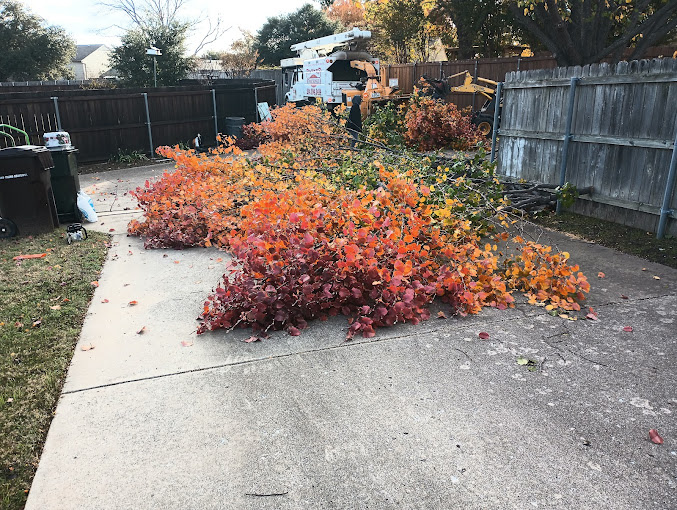
It usually starts with a nagging worry. You notice a large limb hanging over your roof, a tree leaning a little more every month, or roots buckling the sidewalk where your kids ride their bikes. You tell yourself you’ll deal with it “one of these days,” until a strong Texas storm rolls through Plano and suddenly that tree doesn’t feel like shade and beauty anymore – it feels like a threat. Tree removal often becomes urgent at the worst possible moment, and many homeowners realize too late that they skipped important steps that could have protected their property, their budget, and their safety.
Thoughtful planning before removing a tree is not just a technical checklist; it’s a way to avoid surprise costs, neighborhood conflicts, property damage, and even legal trouble. In a place like Plano, TX, where mature trees add significant value and comfort to neighborhoods, deciding to remove one should never be a snap judgment. There are safety considerations, city rules, environmental impacts, and practical logistics that all come into play. Rushing into removal without understanding these factors can turn a straightforward project into a stressful ordeal.
Whether you are dealing with a diseased oak, a storm-damaged pecan, or a tree planted too close to your home decades ago, knowing the right steps beforehand changes everything. Parker Tree Service has seen the difference between well-prepared removals and hasty decisions all over Plano. The prepared homeowner spends less, sleeps better, and ends up with a safer, cleaner yard. The unprepared one often faces last-minute emergencies, unexpected repairs, and frustrating delays. The goal of this guide is to walk you through the key steps to consider before any tree removal, so you can approach the process with clarity and confidence.
Evaluate Why Removal Is Needed
The first and most important step is to clearly understand why you think the tree needs to be removed. Many homeowners in Plano feel pressured to cut down a tree after a storm or when they see a few dead branches, but not every issue requires full removal. Sometimes, professional pruning, cabling, or disease treatment can restore a tree to health and stability. Taking the time to identify the true problem helps you avoid removing a tree that could have been saved and continue providing shade, privacy, and curb appeal.
Start with a visual assessment. Look for signs such as large dead branches, deep cracks in the trunk, mushrooms or fungal growth at the base, peeling bark, or significant leaning. Pay attention to how the tree behaves in wind: do branches sway excessively or does the trunk move at the ground level? Also consider the tree’s location. Is it very close to the house, power lines, a neighbor’s fence, or a busy street? A healthy tree in a hazardous location can still be a candidate for removal simply because of the risk it poses.
It is also worth thinking about long-term issues, not just what you see today. Roots damaging foundations, underground utilities, driveways, and sidewalks may not be immediately visible but can cause expensive problems over time. In fast-growing neighborhoods like Plano, previous owners may have planted trees too close together or under future power lines. Consulting a professional arborist from Parker Tree Service before making a final decision can help distinguish between a tree that needs removal now, one that can be monitored, and one that simply needs maintenance.
Understand Local Rules And Permits
Before a chainsaw ever starts, it is crucial to know whether any city rules or permits apply to your tree. Plano, TX, like many cities, may have regulations regarding the removal of certain trees, particularly large or protected species. Homeowners are sometimes surprised to learn that removing a tree without proper approval can result in fines, required replacement plantings, or disputes with the city or homeowner’s association. Taking time to research local requirements ahead of time is far easier than trying to fix a regulatory problem after the tree is already gone.
If you live in a community with a homeowner’s association, review the HOA guidelines or contact the board. Some associations require prior approval for removing front-yard trees or may have specific standards for replacement landscaping. This is especially common in planned communities across Plano, where consistent neighborhood appearance is part of the property value. Skipping this step could lead to complaints from neighbors or official notices from the HOA.
Professional tree companies like Parker Tree Service are familiar with regional practices and can advise you on whether permits are likely to be needed in your situation. They can also help document the condition of the tree, showing that it is diseased, dying, or hazardous, which is often necessary when seeking approval. While it may feel like one more hurdle, understanding the rules beforehand protects you from penalties and ensures the removal process is transparent and well-documented.
Assess Safety And Site Conditions
Tree removal is inherently dangerous work, especially when large trees are close to structures, vehicles, or power lines. One of the biggest mistakes homeowners make is underestimating how complex the job really is. A tree that looks manageable from the ground may weigh thousands of pounds, with branches that can twist unexpectedly as they fall. Before any work begins, the site should be evaluated thoroughly for safety risks so that proper equipment and techniques can be planned.
Take a careful look at what surrounds the tree. Are there overhead lines nearby? Is the tree leaning toward your home, your neighbor’s yard, or the street? Are there fences, sheds, pools, or HVAC units within the fall zone of major limbs? In urban and suburban neighborhoods like Plano, trees often grow in tight spaces, and standard felling (cutting at the base and letting the tree fall) is rarely an option. Instead, professional crews usually remove trees in sections, lowering branches with ropes to avoid damage.
Ground conditions also matter. Soft, muddy soil can make it difficult for heavy equipment to operate safely. Steep slopes, retaining walls, or narrow side yards can limit access and change how the job must be approached. Even underground obstacles such as irrigation lines, septic systems, or shallow utility lines should be considered. A careful pre-removal site assessment, ideally performed by an experienced team like Parker Tree Service, reduces the risk of accidents and unexpected property damage.
Plan The Logistics And Timing
Tree removal may seem like a single step—cut down the tree—but in reality, it is a small project with several moving parts. Planning the logistics in advance can save you time, money, and frustration. Start by thinking about access. How will the crew reach the tree? Will vehicles or equipment need to come through a gate, across the lawn, or along the side of the house? In many Plano yards, access is tight, which affects the kind of equipment that can be used and how long the job will take.
Timing is another important factor. While tree removal can be done year-round, certain seasons may be more convenient. For instance, when leaves are off deciduous trees, it can be easier to see branch structure and manage debris. On the other hand, you may have an urgent need to remove a hazardous tree before storm season peaks. In North Texas, planning removals before the most severe spring storms can be a smart safety move, especially for trees already showing signs of weakness.
Think ahead about how the process will affect your daily routine and your neighbors. There will be noise from chainsaws, chippers, and possibly stump grinders. Vehicles will occupy driveway or street space. It is courteous to let neighbors know when the work will be done, particularly if access to shared driveways or alleyways will be briefly blocked. A well-planned schedule, communicated in advance, helps the project run smoothly and maintains good relationships around you.
Decide On Stump And Debris Handling
Many homeowners focus on the visible tree and forget about what remains after it is cut down: the stump and all the debris. Before the job begins, decide exactly what you want done with both. Leaving a stump in place might seem like a cost-saving choice, but it can create long-term issues. Stumps can attract pests, sprout new shoots, interfere with mowing, or become tripping hazards for children and guests. In some cases, they even complicate future landscaping or construction projects.
Stump grinding is a common solution that removes the stump down below ground level, allowing you to cover the area with soil, sod, or new plantings. However, this needs to be specified in the work plan. Discuss how deep you want the stump ground, whether surface roots should also be addressed, and who will handle cleanup of the resulting wood chips. Parker Tree Service can tailor stump removal to your future plans for the space, whether you intend to replant, extend a patio, or simply restore lawn.
Debris handling is another key consideration. A large tree produces an impressive volume of branches, logs, leaves, and sawdust. Clarify whether the service will haul away all debris, leave you firewood-sized logs, chip branches on-site, or leave mulch for your use. Different options can influence the cost and timeline of the project. Deciding this beforehand ensures there are no misunderstandings about what your yard will look like when the crew leaves.
Choose A Qualified Tree Service
Perhaps the most critical step before any tree removal is selecting the right company to do the work. Tree removal is not a simple handyman job; it requires training, specialized equipment, insurance, and experience. When you hire a reputable company like Parker Tree Service in Plano, TX, you are not just paying for the physical labor of cutting down a tree—you are investing in safety, liability protection, and professional judgment.
When evaluating potential tree services, look for proof of insurance and ask specifically about both liability and workers’ compensation coverage. This protects you in case of accidental damage to your property or injury to workers on your site. Ask how long they have been operating in the Plano area and whether they have experience with trees similar in size and location to yours. Local experience matters because crews familiar with the region understand the soil, common tree species, and typical neighborhood layouts.
It is also wise to ask about the removal method they plan to use, the equipment they will bring, and how they will protect your lawn, driveway, and structures during the process. A professional company will gladly walk you through their plan and provide a written estimate that clearly outlines the scope of work, including stump grinding and cleanup. For homeowners searching online for help, a resource like Tree pruning services near me can be a starting point, but always follow up with detailed questions before committing.
Frequently Asked Questions
How do I know if my tree really needs to be removed? A tree may need removal if it is severely diseased, structurally unsound, heavily damaged by storms, or posing a clear safety risk to people or property. Signs include large dead branches, cracks in the trunk, significant leaning, root damage, or extensive decay. Because it can be hard for homeowners to judge severity, having a professional arborist from Parker Tree Service inspect the tree in person is the best way to determine whether removal is necessary or if pruning or treatment could save it.
Do I need permission from the city or HOA in Plano, TX? In many cases, you may need to follow certain guidelines or obtain approval before removing a tree, especially if it is in the front yard, part of a newer development, or protected by community rules. Homeowner associations often have specific requirements, and city regulations may apply to large or heritage trees. Before scheduling removal, check your HOA documents and, if needed, contact the city or rely on your tree service’s experience with local rules to avoid fines or disputes.
Can I remove a tree myself to save money? Removing a small, isolated tree may seem manageable, but DIY removal is risky even for modest-sized trees. Falling branches, unpredictable trunk movement, and proximity to structures or power lines can quickly turn dangerous. Most serious accidents occur when homeowners underestimate the complexity of the job. Hiring a professional crew in Plano ensures proper equipment, trained climbers, and liability coverage, which usually ends up being far less costly than dealing with injuries or property damage from a failed DIY attempt.
What should I expect during the removal process? On the day of removal, the crew will typically begin by setting up safety zones and planning how to lower branches and trunk sections safely. They may climb the tree or use lift equipment, cutting it down in sections and carefully lowering pieces to the ground. Throughout the process, they will manage debris, run branches through a chipper, and cut larger pieces into manageable lengths. At the end, they will perform the agreed-upon cleanup and, if included, grind the stump. A well-organized job minimizes disruption and leaves your yard tidy and safe.
How long does it take to remove a tree and stump? The time required depends on the tree’s size, condition, and location, as well as site access. A small tree in an open yard might be removed in a few hours, while a large, complex tree near structures or power lines can take most of a day or even longer. Stump grinding is usually completed the same day or shortly after, although very large stumps may take additional time. When you receive an estimate from Parker Tree Service, they can give you a realistic timeframe based on your specific tree and property conditions.