
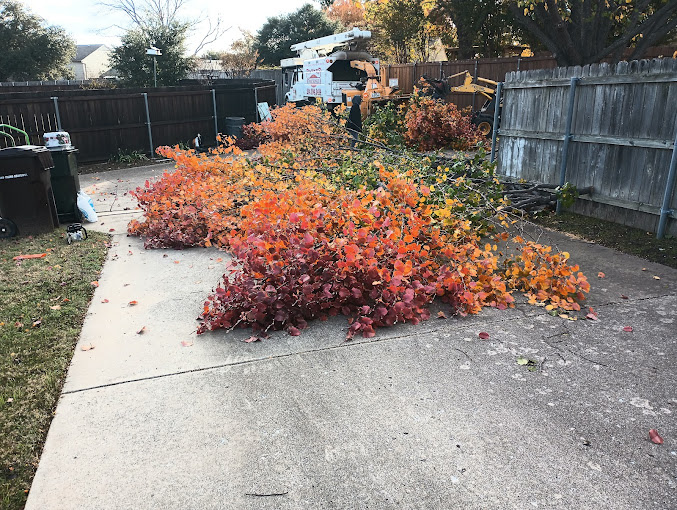
Storms do not make appointments, and neither do failing trees. One hour your yard in Plano looks peaceful, the next you hear a crack, see a tree leaning toward your roof, and feel your heart drop. In those moments, there is no time to research what to do, who to call, or how the process works. Understanding emergency tree removal procedures ahead of time can be the difference between quick damage control and a chaotic, expensive disaster.
Emergency tree removal is not just about cutting down a tree quickly. It is a coordinated safety operation that protects people, property, and nearby utilities under unpredictable conditions. When you know what to expect, how professionals approach the job, and what your role is as a homeowner, you can respond calmly and confidently. For residents of Plano, TX, where severe thunderstorms, high winds, and sudden soil saturation are common, having a clear picture of these procedures is a practical form of preparedness.
By walking through the steps tree professionals follow, the risks they manage, and the decisions they make on your property, you gain more control over a stressful situation. Instead of guessing or hoping for the best, you will know how Parker Tree Service and similar experts evaluate hazards, prioritize safety, coordinate with utilities, and restore your property as efficiently as possible.
What Counts As An Emergency
Not every problematic tree requires an emergency response. Understanding what truly qualifies as an emergency helps you decide when to make an urgent call and when to schedule a standard appointment. Generally, a tree-related situation is considered an emergency when there is an immediate or highly likely threat to life, structures, utility lines, or critical access routes. In Plano, this often happens during or right after severe storms when winds and saturated soil combine to destabilize large trees.
Common emergency scenarios include trees or large limbs that have already fallen on roofs, vehicles, fences, or power lines. A tree leaning suddenly toward a house or street, especially if the lean developed quickly after a storm, is another red flag. Large branches that are cracked, hanging, or partially detached above driveways, sidewalks, or play areas pose a serious risk because they can drop without warning. If you see root plates lifting from the ground or soil heaving on one side of a tree, that is also an urgent sign of failure.
On the other hand, issues like slow-developing decay, mild leaning that has been stable for years, or cosmetic concerns such as broken small branches are typically not emergencies. They still need attention, but they can be handled through scheduled appointments. Knowing this distinction helps you communicate more clearly when you call Parker Tree Service, enabling their team to prioritize truly critical situations while still giving your non-urgent issues the care they need.
First Steps When A Tree Fails
When a tree fails suddenly, your first instinct might be to rush outside and inspect the damage. That reaction is understandable, but safety must come first. The initial step is to ensure everyone in the household is away from the danger area. Keep people and pets indoors or at a safe distance. Avoid standing under leaning trees, broken limbs, or sagging utility lines. If you suspect power lines are involved, treat them as live and dangerous, even if they do not appear to be sparking or moving.
Once everyone is safe, visually assess the situation from a distance. Note where the tree or limb is located, what it is resting on, and whether it is still moving or appears to be shifting. Try to identify any blocked exits, trapped vehicles, or damage to fences and outbuildings. Take a few photos if it is safe to do so. This quick assessment will help you clearly describe the situation when you call an emergency tree service provider in Plano.
Next, contact a professional emergency tree service such as Parker Tree Service. Explain that you have an emergency and provide specific details: the size of the tree, what it has hit, whether power lines are involved, and any immediate hazards (such as blocked front doors or driveways). If there is any chance that electrical lines are compromised, also call your utility provider or 911, depending on the severity. Do not attempt to move branches off lines or roofs yourself; the situation may be far more unstable than it looks.
While you wait for the crew to arrive, resist the urge to perform DIY cutting or pulling. Even small changes in weight or tension can cause a partially supported tree or limb to shift violently. Emergency tree removal professionals are trained to read these forces and use specialized gear to control them. Your role at this stage is to stay clear, keep others clear, and be ready to provide access and information when the crew gets there.
How Professionals Assess The Scene
When an emergency tree removal crew arrives at your Plano property, they do not start cutting immediately. The first and most important step is a thorough hazard assessment. The crew will walk the site, observe the tree from multiple angles, and identify all potential risks. They look for cracked trunks, split branches, compromised root systems, tension in limbs, and any signs that the tree may move unexpectedly during the work.
Another key part of the assessment is identifying what is at risk: roofs, windows, vehicles, fences, sheds, and especially utility lines. The crew evaluates where the tree’s weight is currently resting and where it is likely to go if cut in different ways. They also consider access for equipment, such as bucket trucks or cranes, and whether the ground can support that equipment safely after heavy rain. This assessment phase can take longer than you might expect, but it is essential for planning a safe and controlled removal.
Communication with you as the property owner is also part of the assessment process. The crew will typically explain the general plan, outline the main risks, and let you know where they will be working. In some cases, they may recommend temporary measures instead of full removal, such as stabilizing or cabling a tree until conditions improve or until a crane can be brought in. A reputable company like Parker Tree Service will be transparent about what can be done immediately, what may need to wait, and what the safest options are for your specific situation.
In emergency scenarios involving power lines, coordination with the local utility is critical. Tree professionals may have to wait for lines to be de-energized or for utility crews to secure the area before they can proceed. This can be frustrating when you are eager to see the tree gone, but it is a necessary step to protect both workers and residents. Understanding that these procedures exist for safety can help set realistic expectations about the timeline.
Methods And Equipment Used
Emergency tree removal is very different from routine pruning or planned removals. The tree is often already compromised, leaning, or resting on structures, which means gravity and tension are working in unpredictable ways. To manage this, professionals rely on a combination of specialized techniques and equipment. Depending on the situation, they may use chainsaws, rigging ropes, pulleys, blocks, slings, lowering devices, cranes, and aerial lifts (bucket trucks) to gain control over each cut and each piece of wood.
In many Plano neighborhoods, homes are close together and yards are relatively small, so crews often use sectional dismantling. This means they cut the tree into smaller, manageable pieces from the top down, rather than felling it in one direction. Each section is carefully tied with ropes and lowered to the ground to avoid additional damage to roofs, landscaping, and neighboring properties. This process can be slow and meticulous, but it greatly reduces the risk of secondary impacts.
When a tree is extremely large, severely decayed, or positioned in a way that makes traditional rigging too risky, a crane may be brought in. Crane-assisted removals allow crews to lift heavy sections of the tree straight up and away from structures. This approach requires careful planning, precise communication between the crane operator and the cutting crew, and strict adherence to safety protocols. It is not always necessary, but when it is, it can make an otherwise impossible removal both feasible and safer.
Ground crews also play a vital role in emergency removals. While climbers or bucket operators handle the cuts, ground workers manage ropes, guide sections as they are lowered, chip branches, cut logs to manageable sizes, and keep the work zone clear. In a well-organized team like Parker Tree Service, every member has a specific role, and clear communication is constant. This coordinated effort is what allows complex removals to be done efficiently under stressful conditions.
Safety, Liability, And Insurance
Safety is the foundation of every emergency tree removal operation. Professional crews follow industry standards and wear personal protective equipment such as helmets, eye and ear protection, chainsaw chaps, and high-visibility clothing. They use established protocols for working at height, managing ropes under tension, and operating near structures and utilities. For homeowners in Plano, this means you should expect to see a clear safety culture on site: defined work zones, controlled access, and deliberate, coordinated actions rather than rushed improvisation.
Liability is another critical factor. Tree work, especially emergency removal, is inherently hazardous. If an untrained person or uninsured company attempts the job and something goes wrong, you as the property owner could face significant financial exposure. This is why it is essential to verify that any company you hire for emergency tree removal carries proper insurance, including general liability and workers’ compensation. Reputable providers like Parker Tree Service can provide proof of coverage upon request.
Insurance claims often come into play after storm damage. Many homeowners’ policies cover tree removal when a tree falls on a covered structure such as a house or garage. They may also help with removal if a fallen tree blocks a driveway and prevents vehicle access. However, coverage details vary, and removal of trees that have not yet caused damage but are “threatening” structures can be more complicated. Documenting the situation with photos and written estimates from a professional service can help support your claim.
In practice, the emergency crew’s priority is to stabilize the situation and prevent further damage. Afterward, they can provide invoices, descriptions of the work performed, and sometimes even before-and-after photos that you can submit to your insurer. It is wise to contact your insurance company as soon as reasonably possible after the incident, inform them of the emergency, and ask what documentation they will need from you and the tree service provider.
After The Emergency: Cleanup And Prevention
Once the immediate danger is removed and the tree or hazardous limbs are safely on the ground, the focus shifts to cleanup and restoration. Crews will typically chip smaller branches, cut larger logs into sections, and either stack them neatly or haul them away, depending on your preferences and the service agreement. They will also rake or blow debris from lawns, driveways, and walkways to leave the site reasonably tidy. In some cases, especially with large removals, stump grinding may be scheduled separately if you want the stump removed.
At this stage, you may notice damage that was hard to see during the emergency: torn sections of lawn, broken shrubs, crushed fencing, or minor roof impacts. While emergency tree removal professionals are not roofers or landscapers, they can often point out areas that need follow-up attention. You can then coordinate with roofers, fence companies, or landscapers to fully restore your Plano property. Keeping all receipts and documentation can be useful for insurance purposes.
Equally important is prevention. After a major storm event, it is wise to have your remaining trees inspected by a qualified arborist. They can identify hidden structural weaknesses, root issues, or disease that could lead to future emergencies. Regular pruning, deadwood removal, structural cabling, and proper watering and mulching can significantly reduce the risk of sudden failures. By investing in proactive care, you are not just protecting your property; you are also making emergency situations less likely and less severe if they do occur.
For properties with many mature trees or complex sites, some homeowners in Plano choose to have more formal evaluations conducted, such as assessments and planning services like Tree Surveys. These can help prioritize which trees need attention first and create a long-term plan to maintain safety and tree health over time. The more you understand your trees and their condition, the fewer surprises you will face when the weather turns rough.
Frequently Asked Questions
How do I know if I need emergency tree removal or a regular appointment? If a tree or large limb has already fallen on your home, vehicle, fence, or power lines, or is suddenly leaning or cracked in a way that threatens people or structures, you are dealing with an emergency. Situations where exits are blocked, driveways are impassable, or power lines are involved also require urgent attention. Slower-developing issues such as minor leaning, small dead branches, or cosmetic concerns can usually be handled through a scheduled, non-emergency visit. When in doubt, call Parker Tree Service, describe the situation in detail, and they can advise whether it should be treated as an emergency.
Is it safe to try to cut or move branches myself before the crew arrives? In most emergency situations, attempting DIY cutting or moving is risky and not recommended. Trees and limbs that are resting on roofs, fences, or other supports are often under hidden tension or compression. Cutting or shifting them without understanding those forces can cause sudden movement, additional damage, or serious injury. The safest course is to keep a clear distance, ensure that family and pets stay away from the danger zone, and wait for trained professionals with the right equipment and experience to handle the situation.
Will my homeowner’s insurance cover emergency tree removal? Coverage depends on your specific policy and the circumstances. Many policies cover removal when a tree falls on covered structures such as homes, garages, or sometimes fences, and may help with debris removal to a certain limit. Some also cover removal if a fallen tree blocks your driveway and prevents access. However, they may not cover removal of trees that are simply at risk of falling but have not yet caused damage. The best approach is to contact your insurer as soon as possible, explain what happened, and ask what is covered. A professional service like Parker Tree Service can provide detailed invoices and descriptions to support your claim.
How quickly can an emergency tree service respond in Plano, TX? Response times vary with the severity of regional weather events and demand, but reputable companies prioritize true emergencies where safety or essential access is at risk. During widespread storms, crews may work extended hours and triage calls based on urgency: threats to life and major structures come first, followed by blocked driveways and significant property damage. Providing clear information when you call, including photos if possible, helps the company assess the urgency of your situation and schedule you appropriately.
What can I do now to reduce the chance of future tree emergencies? Preventive care is the most effective strategy. Schedule periodic inspections of your trees by a qualified arborist, especially after major storms. Address issues like dead or hanging branches, structural defects, and signs of decay or root problems sooner rather than later. Proper pruning, soil care, and watering help trees withstand high winds and heavy rain. If a tree is poorly positioned or has chronic structural issues, your arborist may recommend removal or mitigation before it becomes an emergency. In Plano’s storm-prone climate, this proactive approach can save you stress, money, and potential damage in the long run.