
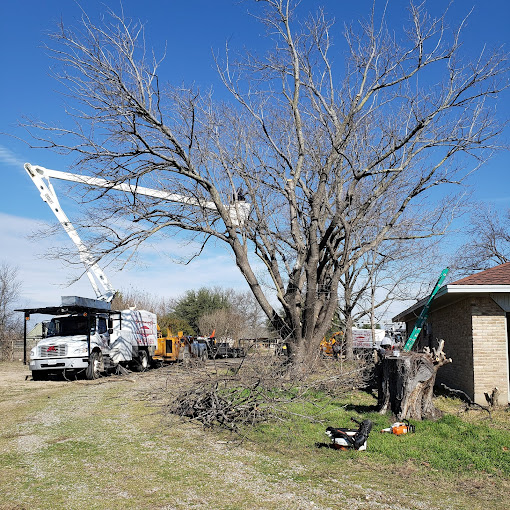
Expert Tree Pruning for Healthier, Safer Canopies
On a windy spring afternoon in Plano, a mature live oak overhanging a parking lot dropped a heavy limb onto two parked cars. No storm, no lightning—just a weak, neglected branch finally giving way. Incidents like this aren’t rare. Across Texas, falling trees and limbs cause millions in property damage each year, and many of those failures are traced back to poor or overdue pruning.
For property owners and managers in Plano, tree care isn’t just about appearances. It’s about safety, liability, and protecting the investment you’ve made in your landscape. Proper, expert tree pruning can extend the life of your trees, reduce storm damage, and keep your business or home looking sharp all year.
In this guide, we’ll walk through how professional pruning supports tree health, reduces risk, and saves you money over time. You’ll learn what good pruning actually looks like, how often trees should be pruned in North Texas, and when you need a certified arborist rather than a basic Tree Trimming crew.
Key Insight: Thoughtful, expert pruning is one of the most cost‑effective ways to improve tree health, reduce risk, and avoid expensive removals or emergency calls later.
Why Expert Pruning Matters More in North Texas
North Texas trees face a unique set of stresses: intense summer heat, sudden cold snaps, clay soils, and fast‑moving storms. In Plano, that combination often creates trees with uneven, top‑heavy canopies and hidden structural weaknesses. Poor or neglected pruning magnifies those problems.
Healthy, well‑pruned canopies:
- Distribute weight more evenly, reducing the chance of limb failure
- Allow wind to pass through, lowering the risk of trees uprooting in storms
- Reduce disease pressure by improving air flow and sunlight penetration
The difference between “cutting branches” and professional pruning is night and day. A quick, low‑cost “Tree Trimming Near Me” job that lion‑tails branches, leaves stubs, or tops the crown can set your tree on a path toward decay, instability, and early death.
“Most tree failures we inspect after a storm started with poor pruning choices years earlier.” — ISA Certified Arborist
Consider a Plano office park off Preston Road. Their live oaks were topped by a previous contractor to keep branches away from signage. Within five years, they were dealing with decay at the topping cuts, heavy, weakly attached sprouts, and repeated limb breakage. After a full assessment and structural pruning plan, we were able to restore canopy balance—but at a much higher cost than proper pruning would have been from the start.
As we look deeper at techniques and timing, you’ll see how a strategic approach to pruning can prevent these common Plano problems before they start.
Pruning for Health: Building Stronger Trees from the Inside Out
Good pruning starts with tree health. Before any cuts are made, a trained arborist evaluates the species, age, site conditions, and existing defects. In Plano’s clay soils, for example, oaks and elms often grow dense upper canopies to chase sunlight, making lower branches weak and shaded out. If you just “trim it back,” you can unintentionally accelerate decline.
Health‑focused pruning typically targets:
- Dead, dying, or diseased branches
- Crossing or rubbing limbs that create wounds
- Branches with narrow, weak attachments
- Excessive interior density that traps moisture
A neighborhood example: a homeowner near Legacy West called about repeated twig dieback on their red oak. A quick glance suggested “just trim it.” A closer inspection showed early fungal infection and poor airflow in the interior canopy. We combined selective thinning with Tree Disease Treatment and follow‑up monitoring. Within two seasons, new growth was vigorous, and the dieback had stopped.
CALLOUT: Healthy pruning works with the tree’s natural growth patterns instead of forcing a shape that looks good today but fails structurally tomorrow.
Pruning also ties directly into preventive pest management. Plano trees are frequently affected by:
- Borers in stressed oaks and ornamental trees
- Webworms in pecans and elms
- Scale insects on crape myrtles and hollies
Clean, correctly placed cuts heal faster and reduce entry points for insects and decay. When we pair pruning with targeted Tree Insect Treatment or Wood Borer Treatment, we’re not just reacting to visible damage—we’re strengthening the tree’s defenses for years to come.
Safety and Liability: Reducing Risk Before the Storm Hits
From sudden straight‑line winds to ice events, Plano’s weather can turn a marginal tree into an urgent hazard overnight. For commercial properties, apartments, and HOAs, unmanaged tree risk can quickly become a liability issue.
Professional pruning for safety focuses on:
- Removing dead or hanging limbs over parking lots and sidewalks
- Reducing end‑weight on long, overextended branches
- Improving clearance from buildings, roofs, and signage
- Addressing co‑dominant stems and structural defects early
We often see the cost difference in real life. One Plano business on a busy arterial road opted for regular structural pruning every 3–4 years. Their storm losses over a decade? Minimal—mostly small debris clean‑up. A nearby property that deferred pruning until “something breaks” has called for Emergency Tree Service three times in five years, including a costly Emergency Tree Removal after a large elm failed across their entry drive.
Here’s how proactive pruning compares to reactive, emergency‑only care:
| Approach | Typical Cost Over 10 Years (Per Large Tree, Plano) | Risk Level | Common Outcomes |
|---|---|---|---|
| Scheduled professional pruning | $$ | Low to moderate | Fewer failures, longer tree lifespan |
| Minimal care + emergencies only | $ upfront, $$$$ in events | High | Frequent damage, removals, higher liability |
“Preventive pruning is almost always cheaper than cleaning up after a failure—especially when vehicles, roofs, or people are involved.” — Tree Risk Assessor
When defects are too advanced, the safest choice may be Tree Removal followed by Stump Grinding. The key is making that decision based on expert inspection, not guesswork.
Techniques That Protect Canopies: Thinning, Reduction, and Structural Pruning
Not all cuts are equal. The way a branch is removed matters just as much as which branch you choose. Professional arborists in Plano rely on a set of modern techniques aligned with ANSI A300 standards to protect tree structure and long‑term health.
Common Professional Techniques
- Crown Thinning – Selective removal of small branches to reduce density, improve airflow, and let more light reach interior foliage.
- Crown Reduction – Shortening the height or spread by cutting back to strong lateral branches, used to clear structures or reduce weight.
- Structural Pruning – Guiding young and middle‑aged trees to develop a strong central leader and well‑spaced scaffold branches.
By contrast, outdated practices like topping, flush cuts, and excessive interior stripping (lion‑tailing) create long‑term problems: decay, weak regrowth, and higher breakage.
Traditional vs. Modern Pruning Approaches
| Aspect | Traditional “Topping/Shearing” | Modern Structural Pruning |
|---|---|---|
| Goal | Quick size reduction | Long‑term health and stability |
| Branch removal | Large, indiscriminate cuts | Small, targeted cuts |
| Impact on structure | Weak, fast regrowth | Strong, well‑spaced branches |
| Decay risk | High | Low, when cuts are properly placed |
| Aesthetics after 3–5 years | Declining, unnatural form | Natural, balanced canopy |
We recently worked on a row of Bradford pears along a Plano retail strip. Historically, they’d been sheared flat across the top. Cracks and decay had started forming at major unions. Over two seasons, we transitioned them to thoughtful crown reduction and thinning. While we couldn’t erase all past damage, we significantly lowered the risk of catastrophic failure and improved their appearance.
For properties that need ongoing canopy management, a tailored Tree Maintenance Services plan ensures each tree gets the right technique at the right time.
Timing Pruning in Plano’s Climate: When and How Often?
North Texas weather doesn’t follow a neat script, but timing still matters. The right season for pruning depends on species, age, and the goal of the work.
General Timing Guidelines
- Winter (dormant season)
Ideal for most major structural work on oaks, elms, and other large shade trees. With leaves off, structure is easier to see, and disease risk is often lower.
- Late summer to early fall
Useful for light pruning and clearance work, especially to reduce storm risk before peak fall weather.
- Avoid heavy pruning in mid‑summer heat
Trees are already stressed by high temperatures and drought; aggressive cuts can compound that stress.
Oak wilt is a particular concern in Texas. While Collin County isn’t the state’s epicenter, best practices still apply:
“Minimize pruning of oaks during high oak wilt activity periods, and always treat fresh cuts on oaks as a precaution.” — Texas A&M Forest Service
In a Plano neighborhood near Spring Creek Parkway, a homeowner had been pruning their live oak each May for years. The repeated stress during leaf‑out, combined with unsealed cuts, left the tree highly susceptible to pests and decline. We shifted their schedule to late winter, adjusted the amount of material removed, and added Deep Root Fertilization and Soil Conditioning. Over the next two seasons, canopy density and color improved noticeably.
How Often Should Trees Be Pruned?
- Young trees (0–10 years): Every 2–3 years for structural guidance
- Mature shade trees: Every 3–5 years, depending on species and site
- High‑traffic or high‑risk areas: More frequent inspections, even if pruning is light
A certified Arborist Near Me can help you map out a long‑term schedule tailored to your specific property and species mix.
Integrating Pruning with Fertilization, Pest Control, and Tree Preservation
Pruning is powerful, but it’s only one part of a complete tree care strategy. In Plano’s compacted, alkaline soils, trees often struggle to access nutrients and oxygen. That underlying stress makes them more vulnerable to pests, diseases, and storm damage—regardless of how well you prune.
That’s why professional tree care plans often layer:
- Pruning to shape structure and reduce risk
- Tree Fertilization Service / Deep Root Fertilization to improve root health and nutrient uptake
- Pest management such as Tree Borer Control and Webworms Treatment
- Soil improvement including aeration and Tree Root Care
For example, we manage a mixed stand of pecans and oaks on a Plano commercial campus. Initially, they were calling us only for storm cleanup and occasional Dead Tree Removal. After a full Tree Inspection and soil analysis, we implemented:
- Rotational crown thinning and reduction where needed
- Annual deep root fertilization
- Targeted Tree Pest Control for recurring webworm and scale issues
- Root collar excavation around several buried trunks
Five years later, tree losses have dropped dramatically, canopies are fuller and greener, and emergency calls are rare. The property manager’s comment: “We spend a little more each year, but far less on surprises.”
“Treat the roots, structure the canopy, and you’ll have a tree that can withstand most of what North Texas throws at it.” — Senior Arborist, Parker Tree Service
When removal is unavoidable, combining Stump Grinding Service with thoughtful Tree Planting or Tree Transplanting keeps the long‑term canopy goals for your property on track.
What This Means for Businesses in Plano, TX
For businesses, HOAs, and commercial properties in Plano, trees are more than scenery. They affect:
- Curb appeal and tenant satisfaction
- Cooling costs for buildings and parking lots
- Safety, insurance premiums, and liability exposure
A single failed limb over a busy walkway can trigger medical costs, legal claims, and reputational damage. On the flip side, well‑maintained, mature trees can increase surrounding property values by 7–15%, according to multiple urban forestry studies.
In Plano’s competitive business corridors—along 75, the Dallas North Tollway, and around Legacy and Granite Park—landscapes help set expectations. Clients notice the difference between a property with overgrown, hazardous trees and one with clean, balanced, healthy canopies.
For local owners and managers, this means:
- Building pruning and Tree Care Services into your regular maintenance budget
- Using certified arborists for Tree Risk Assessment, not just the lowest bidder
- Pairing pruning with soil and root care to extend the life of valuable shade trees
- Having a plan in place for Storm Damage Tree Service before severe weather hits
By treating pruning as a strategic investment—not a cosmetic, once‑in‑a‑while expense—you protect your people, your property, and the long‑term value of your landscape.
Frequently Asked Questions
Q: How often should I schedule professional pruning for my Plano property?
A: Frequency depends on tree age, species, and site conditions, but most mature shade trees in Plano benefit from expert Tree Pruning every 3–5 years. Younger trees may need more frequent, lighter structural pruning to set them up for long‑term stability. Properties with high pedestrian or vehicle traffic should combine this with annual inspections for defects or hazards. A certified arborist can walk your site, categorize trees by priority, and build a multiyear pruning schedule that fits your budget while reducing risk.
Q: What’s the difference between basic trimming and professional pruning?
A: Basic “Tree Trimming Services Near Me” often focus on quick clearance or appearance—cutting back branches without much thought to structure, species needs, or future growth. Professional pruning, by contrast, is guided by standards (like ANSI A300) and a deep understanding of tree biology. Cuts are placed to preserve branch collars, distribute weight, and encourage strong, healthy growth. The result is a tree that not only looks better now, but is less likely to fail or need costly Hazardous Tree Removal later.
Q: How do I know if a tree needs to be removed instead of pruned?
A: Some issues can’t be fixed with pruning alone. Extensive trunk decay, large cavities, major root damage, or severe lean toward a target may make Tree Removal Service the safer option. Signs like mushrooms at the base, deep cracks, or repeated large limb failures are red flags. In these cases, an ISA Certified Arborist should perform a formal risk assessment. If removal is recommended, combining it with Affordable Stump Removal and a replanting plan helps maintain your canopy over the long term.
Q: Is there a best time of year to prune trees in Plano?
A: For most large shade trees, late winter is ideal for significant pruning in Plano. Trees are dormant, structure is easier to see, and disease pressure is often lower. Light clearance pruning can be done almost any time, especially if safety is a concern. Oaks require extra care due to oak wilt risk, so timing and wound treatment matter. An experienced ISA Arborist Near Me will adjust timing by species and objective—health, structure, or risk reduction—to minimize stress and maximize benefits.
Q: Will pruning help with insects like borers and webworms?
A: Yes, in combination with targeted treatments. Stressed, overcrowded canopies with poor airflow are more prone to infestations. Proper thinning and removal of infested material can reduce populations and improve the effectiveness of Tree Borer Control, Tree Pest Control, or Webworms Treatment. We often pair pruning with systemic insecticides or biologically based products, depending on the pest and site. The goal is to break the pest cycle while improving the tree’s own resilience.
Q: My tree looks too big for the space. Can pruning fix that, or do I need removal?
A: It depends on the species and how mismatched it is to the site. Thoughtful Tree Crown Reduction can safely lower height or spread by cutting back to strong lateral branches, especially on species that respond well to reduction. However, if a tree is fundamentally wrong for the space—such as a very large oak under power lines—ongoing reductions can become expensive and stressful for the tree. In those cases, strategic Tree Mitigation, removal, and replacement with a better‑suited species may be the most sustainable solution.
Q: Do you offer pruning for both residential and commercial properties in Plano?
A: Yes. Parker Tree Service provides full‑service Residential Tree Service and Commercial Tree Service throughout Plano and surrounding areas. For homeowners, that might mean structural pruning, Stump Removal, and periodic Tree Health Care. For commercial sites, we often combine large‑scale pruning, Lot Clearing or Brush Clearing, Tree Surveys, and ongoing maintenance plans. Every property gets a customized approach based on its trees, risk profile, and long‑term goals.
Ready to Get Started?
North Texas storms aren’t going to wait for your trees to be ready. If your property hasn’t had a professional pruning assessment in the last few years, now is the time—especially before peak storm seasons. Addressing weak limbs, overcrowded canopies, and hidden defects today can prevent costly damage, emergency calls, and potential injuries tomorrow.
Parker Tree Service can walk your property, identify priority trees, and create a practical plan that fits your budget. Whether you need strategic pruning, Tree Removal Near Me, Stump Grinding Near Me, or help with soil and root health, our ISA‑certified team is equipped for both quick fixes and long‑term care.
Schedule a consultation, review our recommendations, and choose the level of service that makes sense for your home or business. Your trees—and your peace of mind—will be better for it.
About Parker Tree Service
Parker Tree Service is a locally focused tree care company serving Plano, TX and the surrounding North Texas communities. Our team includes ISA Certified Arborists with decades of experience in Arborist Services, pruning, removals, and comprehensive Tree Preservation Services. From detailed Tree Consultation and risk assessments to emergency response and long‑term maintenance, we’re committed to safe, science‑based care for every tree we touch. Learn more about our services and philosophy at our homepage.