
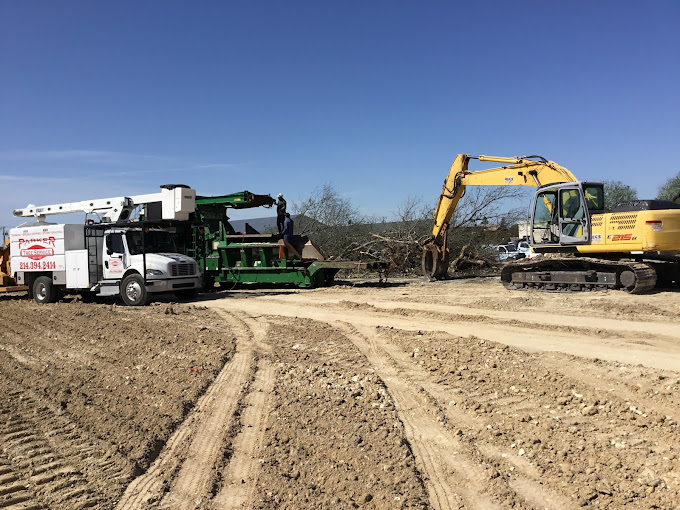
Emergency Tree Removal Restoring Safety After Wind Events
A spring thunderstorm rolls across Plano, the wind shifts directions, and within minutes a mature oak splits, twisting toward a storefront or a parking lot full of cars. That moment between “this tree looks stressed” and “we have a dangerous emergency on our hands” is often measured in seconds. In Collin County, straight-line winds and severe thunderstorms are a regular part of life, and for commercial properties, one failed tree can mean blocked access, safety hazards, and unexpected downtime.
According to the National Weather Service, North Texas can see wind gusts over 60 mph multiple times a year, enough to uproot shallow‑rooted trees or snap weakened branches. For businesses in Plano, that means wind events aren’t rare accidents—they’re a recurring risk.
This guide walks you through how emergency tree removal restores safety after wind events, what business owners and property managers need to know before storms hit, and how to work with a professional tree service to reduce long‑term risk and liability.
Key Insight: Fast, professional emergency tree removal is only half the equation. The other half is proactive tree care that reduces storm damage in the first place and protects your property, people, and operations year‑round.
How Wind Events Turn Healthy-Looking Trees Into Hazards
High winds don’t just push trees over—they expose weaknesses that may have been developing for years. A tree can look “fine” from the parking lot and still be structurally unsound.
How Wind Damages Trees in North Texas
In Plano, our clay soils expand and contract with moisture changes. Combine that with strong winds and you get:
- Uprooted trees due to shallow or compromised root systems
- Split trunks and major limb failures
- Trees leaning suddenly toward buildings, signage, or walkways
- Broken branches hanging high in the canopy, ready to fall
A local example: after a summer storm near Preston Road, a commercial office park had a large elm that appeared healthy but had internal decay at the base. A 55 mph wind gust caused the trunk to shear off, blocking the main driveway and narrowly missing parked vehicles. The property manager had no prior warning—there were no obvious symptoms at eye level.
“Wind is not the only culprit; it’s simply the stress test that reveals existing structural problems.” — ISA Certified Arborist
This is why professional Tree Pruning Service and regular inspections matter. An ISA Certified Arborist can identify:
- Hidden decay
- Weak branch unions
- Root issues
- Past improper cuts that increase failure risk
Understanding how wind exposes these weaknesses sets the stage for what has to happen next: safe, efficient emergency response.
What “Emergency Tree Removal” Really Means for Your Property
“Emergency” is more than a buzzword. For commercial and multi‑family properties in Plano, it’s about restoring safety and access as quickly as possible while protecting your structures and utilities.
Defining a Tree Emergency
Situations that typically require immediate action include:
- A tree or large limb blocking access to your building or parking lot
- A tree leaning on a structure, sign, or vehicle
- Broken limbs hanging over walkways or entry doors
- Trees entangled in overhead lines (always treat as hazardous)
In one Plano retail center near Legacy Drive, a storm snapped a large live oak limb that landed across three parking spaces and partially blocked the fire lane. The property owner called for Emergency Tree Removal at 11 p.m. Crews were on-site with lighting, rigging, and bucket trucks to remove the limb safely and reopen the fire lane before morning deliveries.
What Professional Emergency Service Looks Like
A qualified emergency tree service will:
- Secure the area and redirect foot/vehicle traffic
- Assess tree stability and nearby risks (utilities, structures, traffic)
- Use proper rigging and equipment to prevent additional damage
- Coordinate with city services or utilities when needed
- Provide documentation and photos for insurance claims
CALLOUT: Fast response is critical, but so is expertise. Improper removal during an emergency can cause more property damage than the storm itself.
Traditional Cleanup vs. Modern, Risk-Focused Tree Care
After a storm, it’s tempting to “just get it cleaned up.” But there’s a big difference between basic debris removal and a modern, risk‑driven approach that protects you long term.
Two Approaches to Storm-Damaged Trees
Here’s how they compare:
| Aspect | Traditional Cleanup | Modern, Risk-Focused Tree Care |
|---|---|---|
| Main Goal | Remove visible debris quickly | Restore safety and reduce future risk |
| Assessment | Visual only, no formal evaluation | On‑site Tree Risk Assessment by trained professionals |
| Tools & Techniques | Chainsaws, basic cutting | Rigging, cranes, bucket trucks, advanced cutting methods |
| Follow-Up | None or minimal | Recommendations for pruning, cabling, or removal |
| Documentation | Basic invoice | Photos, notes for insurance and future planning |
| Long-Term Impact | Hidden hazards may remain | Stronger, more resilient tree inventory |
A Plano apartment community off Coit Road learned this difference the hard way. They hired a low‑cost crew after a storm to clear a downed hackberry. The crew cut the tree at a high stump, left a cracked neighboring tree uninspected, and failed to notice a large hanging limb. Two weeks later, that limb fell and damaged a tenant’s vehicle. The second incident could have been prevented with a proper post‑storm evaluation.
By contrast, a modern approach doesn’t end when the chainsaw stops. It might include:
- Structural Professional Tree Trimming for remaining trees
- Cabling and bracing for high‑value trees near buildings
- Tree Fertilization Service and soil conditioning to support recovery
- Long-term tree mitigation planning for your site
“Storm response is the beginning of a management plan, not the end of a project.” — Commercial Property Consultant
From Crisis to Prevention: Strengthening Trees Before the Next Wind Event
Once the immediate emergency is handled, the next question is simple: how do you keep this from happening again—or at least reduce the odds?
Proactive Strategies for Plano Properties
North Texas weather is unpredictable, but your tree maintenance doesn’t have to be. A proactive plan usually includes:
- Regular Tree Pruning to remove dead, weak, or overextended limbs
- Crown reduction and thinning to reduce wind resistance
- Tree cabling and bracing for structurally weak but valuable trees
- Deep Root Fertilization and tree root care to improve stability
For example, a Plano medical office near Independence Parkway experienced repeated limb failures from the same group of elms during storms. After a professional assessment, they implemented:
- Crown thinning to reduce sail effect in high winds
- Corrective pruning to improve branch structure
- Soil conditioning around compacted parking lot islands
The next storm season, those same trees weathered multiple wind events without major limb loss.
Proactive care is also the time to address pests and disease that can weaken trees, such as webworms, borers, or fungal infections. Effective Tree Health Care, including Tree Disease Treatment and Tree Insect Treatment, can make the difference between a tree bending in the wind and a tree breaking.
Hidden Dangers After the Chainsaws Stop: Stumps, Roots, and Compromised Trees
Once the fallen tree is gone and the driveway is clear, it can feel like the problem is solved. Unfortunately, the most serious hazards are sometimes the ones left behind.
Why Stumps and Roots Matter
Leaving a stump in a high‑traffic commercial area creates several issues:
- Trip hazards for pedestrians and customers
- Mower and equipment damage for landscape crews
- Potential regrowth of weak, poorly attached sprouts
- Attraction for pests like termites and wood borers
A Plano business park off Park Boulevard had a storm‑damaged tree removed but declined stump grinding. Within a year, the stump sprouted multiple shoots, and a customer tripped on an exposed root flare, resulting in an injury claim. After that, they opted for an Affordable Stump Removal plan for all future removals.
The Role of Professional Stump Grinding
A dedicated Stump Grinding Service will:
- Grind the stump below grade
- Address surface roots that pose hazards
- Prepare the area for replanting or turf restoration
- Reduce long‑term maintenance issues
Beyond stumps, post‑storm inspections may reveal previously unnoticed:
- Trees that have shifted in the soil but not yet fallen
- Cracks or splits in trunks and major limbs
- Soil heaving around roots indicating instability
CALLOUT: A tree that “almost fell” in one storm is often the tree that fails completely in the next. Don’t ignore newly leaning trees or fresh cracks.
Making Smart, Cost-Effective Decisions About Tree Removal vs. Preservation
Every storm‑damaged tree poses a choice: remove it or try to save it. For commercial properties in Plano, the answer isn’t just about sentiment—it’s about safety, liability, and long‑term cost.
Factors an Arborist Considers
A qualified Tree Removal Service or arborist evaluates:
- Extent and location of damage
- Species and typical structural behavior
- Target area (what the tree could hit if it fails)
- Past maintenance history and existing defects
- Value of the tree to the landscape or property
For example, a large live oak shading a restaurant patio near downtown Plano suffered a major limb failure in a storm. An ISA arborist determined:
- The main trunk was sound
- Damage was limited to a secondary limb
- Proper pruning and cabling could restore structural integrity
The owner chose preservation with follow‑up monitoring, keeping the shade and ambiance customers loved—without compromising safety.
Compare that with a tall, leaning pecan behind a shopping strip that had internal decay and multiple past failures. In that case, the risk to nearby parking and the building itself made full Tree Removal the responsible option.
Cost Considerations in Plano
Here’s a simplified look at how costs often compare locally:
| Option | Typical Situation | Short-Term Cost (Plano Range) | Long-Term Impact |
|---|---|---|---|
| Emergency removal only | Tree already failed | Higher (after-hours, complex) | May still leave risks, stump, weak trees |
| Planned removal (non-emergency) | Known hazardous tree | Moderate | Lower risk, better scheduling |
| Structural pruning & cabling | Valuable tree with partial damage | Moderate | Preserves asset, may need follow-up |
| Do-nothing (ignore minor damage) | Small damage, no assessment | Low now, high later | Increased failure and liability risk |
\Actual costs vary by tree size, access, and complexity.
What This Means for Businesses in Plano, TX
For Plano businesses—whether you manage a retail center near Legacy West, an office park along the Dallas North Tollway, or a multi‑family community—you operate in a climate where severe wind events are part of the normal risk landscape.
Ignoring tree issues isn’t just a curb appeal problem; it’s a business continuity and liability issue. Blocked fire lanes, inaccessible loading docks, or injured tenants and customers can disrupt operations and damage your reputation. Local competitors who invest in proactive tree care often recover faster after storms and present a safer, more professional environment year‑round.
By working with a trusted local provider for Tree Service Near Me, you can:
- Develop a storm‑readiness plan specific to your property
- Prioritize high‑risk trees near structures, signage, and traffic
- Use Tree Fertilization Service and soil conditioning to strengthen roots
- Implement regular Tree Pruning Services Near Me for structural stability
- Arrange for rapid Storm Damage Tree Service when the next wind event hits
For many Plano property owners, the shift is from reactive cleanup to strategic management. That shift saves money, reduces emergencies, and turns your trees from liabilities into well‑managed assets.
Frequently Asked Questions
Q: How fast can an emergency tree service typically respond after a storm in Plano?
A: Response time depends on storm severity and call volume, but reputable providers prioritize true emergencies—trees on structures, blocking access, or posing immediate safety risks. In Plano, many commercial properties arrange relationships with an Emergency Tree Service provider ahead of time, which often leads to faster dispatch. Crews may arrive within hours for critical situations, especially if there’s risk to people or active utilities. Non‑critical damage (like small limbs in landscaped areas) is usually scheduled after immediate hazards are addressed. The best approach is to call as soon as it’s safe, provide photos if possible, and clearly describe any blocked entrances, fire lanes, or power line involvement.
Q: How do I know if a storm-damaged tree needs to be removed or can be saved?
A: This decision should be made by a trained arborist, ideally an ISA Certified Arborist familiar with North Texas species and conditions. They’ll examine the trunk, root flare, major limbs, and canopy for cracks, decay, and structural defects. If more than 50% of the crown is lost, the trunk is split, or the tree is severely leaning with root plate movement, Hazardous Tree Removal is often recommended. However, many trees with partial damage can be preserved through corrective pruning, cabling, and ongoing monitoring. In Plano, where mature shade trees add real value to commercial properties, a careful evaluation can prevent unnecessary removals while still protecting safety and reducing liability.
Q: Are emergency tree removals covered by insurance for commercial properties?
A: Often, yes—especially when a tree has damaged an insured structure, vehicle, or critical feature like a fence or sign. Most commercial policies in Plano cover reasonable costs for Emergency Tree Removal when the tree has caused covered damage or is blocking access to insured structures. Coverage details vary, so it’s important to review your policy or speak with your agent. A professional Tree Service can assist by providing detailed invoices, photos, and descriptions of the work performed, which simplifies the claims process. Keep in mind that removal of trees that fall without damaging insured property may have more limited coverage or specific caps.
Q: What can I do before storm season to reduce the risk of tree failures on my property?
A: The most effective step is to schedule a professional Tree Inspection and pruning plan before peak storm seasons. An ISA Arborist will identify deadwood, weak branch unions, overextended limbs, and root issues. Structural Tree Trimming, crown reduction, and selective thinning help reduce wind resistance. For high‑value or borderline trees, cabling and bracing can add extra support. In Plano’s clay soils, Deep Root Fertilization and soil conditioning also improve root health and anchoring. Removing known hazardous or dead trees in a planned, non‑emergency setting is typically less expensive and far safer than waiting for a storm to bring them down.
Q: Do I really need stump grinding, or can I leave the stump after removal?
A: You can leave a stump, but it comes with trade‑offs. On commercial properties in Plano, stumps near walkways, parking, or play areas create trip hazards and maintenance problems. They can also send up vigorous, poorly attached sprouts that are more likely to fail in future winds. A professional Stump Grinding Service removes the stump below grade and addresses surface roots, making the area safer and easier to landscape. For properties focused on curb appeal—like retail centers, offices, and multi‑family communities—stump removal also improves aesthetics and keeps the landscape looking intentional and well cared for.
Q: How does pest and disease control relate to storm damage risk?
A: Trees weakened by pests or disease are far more likely to fail in wind events. In Plano, common issues like webworms, borers, and fungal pathogens can hollow out limbs, compromise root systems, or kill sections of the canopy. That internal damage isn’t always visible from the ground but becomes a failure point during storms. Proactive Tree Health Care, including Tree Pest Control, Wood Borer Treatment, and Webworms Treatment, helps maintain structural strength. When combined with proper pruning and fertilization, these services reduce the likelihood of sudden failures and make your trees more resilient to the high winds our area regularly experiences.
Q: Should I call the city or a private tree service after a storm?
A: It depends on where the tree is and what it’s affecting. If the tree is on private commercial property in Plano and not interfering with public streets or power lines, you’ll typically be responsible for hiring a private Tree Removal company. If a tree is in the public right‑of‑way or has fallen into a city street, the City of Plano may handle at least part of the cleanup. For trees entangled with power lines, always contact the utility first and treat the area as extremely hazardous. Many businesses coordinate both: they notify the city or utility for public or line issues and simultaneously call a trusted private provider to address trees on their property so access and safety are restored as quickly as possible.
Ready to Get Started?
Every wind event in Plano is a reminder that trees are living structures subject to sudden change. Waiting until the next storm hits means accepting unnecessary risk—to your buildings, your customers, and your operations. A smart approach combines rapid, professional Emergency Tree Removal when you need it with ongoing care that makes your landscape more resilient season after season.
The next step is simple: have your property evaluated before you’re dealing with a crisis in the dark with blocked access and anxious tenants or employees. Work with a local team that understands Plano’s weather patterns, soil conditions, and commercial property needs, and can provide everything from Tree Pruning Near Me to Stump Grinding Near Me and long‑term planning.
Parker Tree Service offers 24/7 response, ISA‑certified expertise, and decades of experience protecting North Texas properties from storm‑related tree hazards. Reach out today to discuss an emergency plan or schedule a proactive assessment so your next wind event is a manageable incident—not a major disruption.
About Parker Tree Service
Parker Tree Service is a locally owned tree care company serving Plano and the greater North Texas area. With years of experience in Tree Care Services for commercial and residential properties, our team includes ISA Certified Arborists and trained technicians specializing in storm damage response, structural pruning, and tree health care. We combine modern equipment with industry best practices to deliver safe, efficient solutions tailored to Plano’s unique climate and soil conditions. Whether you need emergency removal, ongoing maintenance, or expert consultation, Parker Tree Service is committed to protecting your property and preserving the value of your trees.