
Tree Pruning Cost and Value for Homeowners
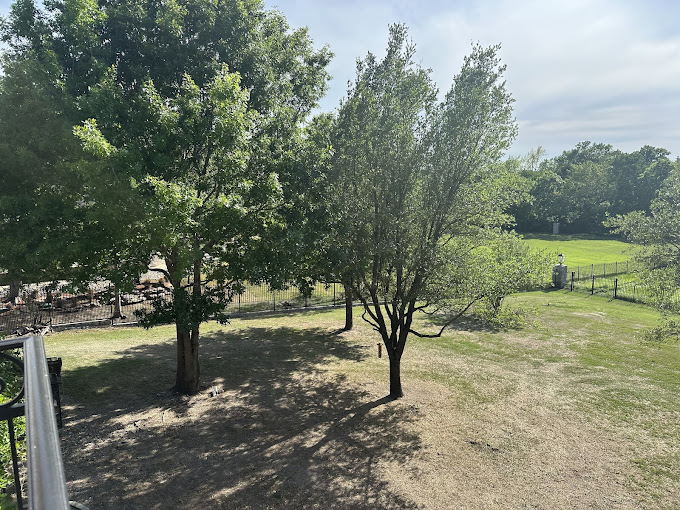
If you are noticing overgrown branches, blocked sunlight, or branches creeping toward roofs and power lines around Dallas, TX, you are not alone. This guide helps you understand what tree pruning costs usually depend on, what “value” looks like in real life, and how to choose pruning that supports tree health instead of creating new problems.
It starts with a simple observation: your tree looks fine from the street, but up close you can see crossing branches, rubbing limbs, and growth that seems to keep reaching toward the house. Then a storm season reminder hits, and you wonder whether pruning is a “nice to have” or something you should handle now.
Homeowners in Dallas often want a clear answer on cost and whether pruning is worth it compared to waiting or switching to tree removal service. This guide breaks down the practical factors that drive pricing, the value you should expect, and the questions you can ask so you get the right tree pruning service for your property.
- Quick answer
- What to check first
- Main things customers should understand
- Why this matters in Dallas, TX
- Common mistakes to avoid
- Customer checklist
- Frequently asked questions
Quick Answer
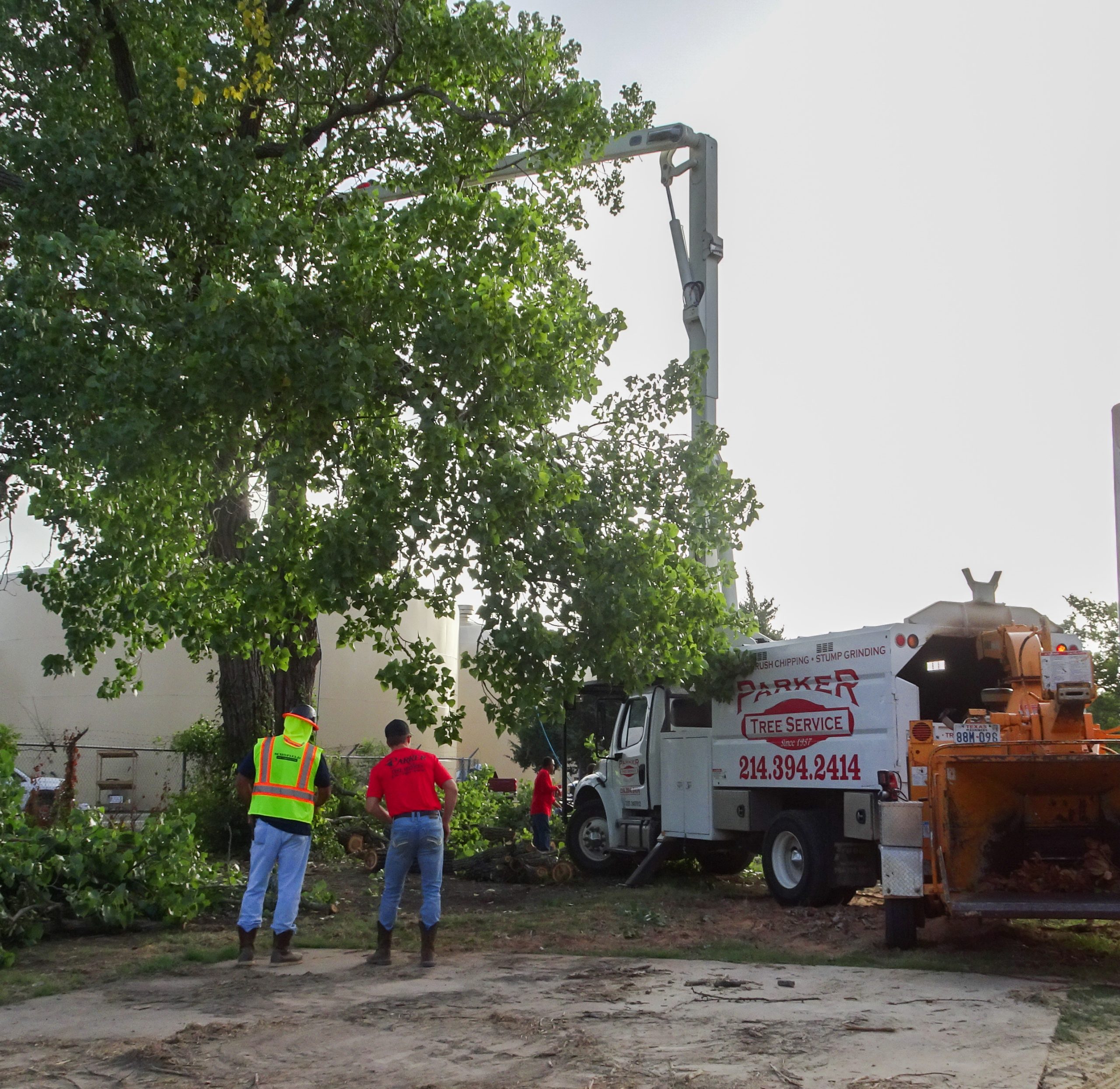
Tree pruning cost usually depends on how much work is required (tree size and how dense the canopy is), what access looks like around your home, and whether there are added concerns like deadwood, storm damage, or pest and disease treatment needs. The best “value” comes from pruning that matches your tree’s structure and goals, such as improving clearance and reducing risk while preserving long-term tree health. If you are unsure, start with a tree inspection and a clear pruning plan. Parker Tree Service can help you plan professional tree trimming around your property and priorities.
What to Check First
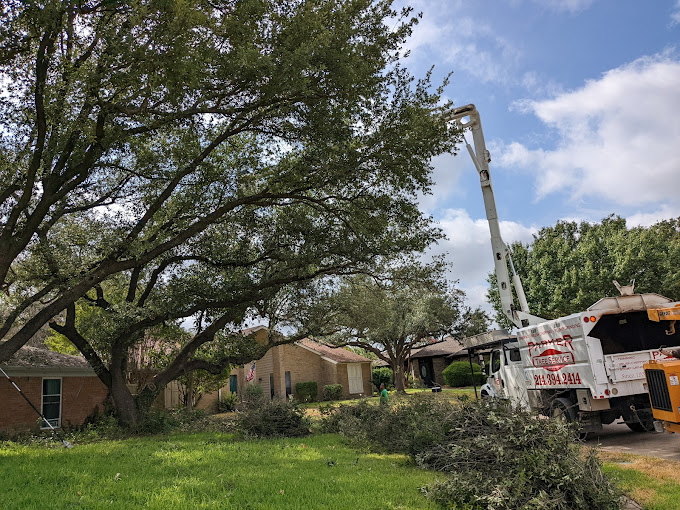
Before you compare tree pruning services near me, take a quick look at what problem you actually have. That helps you avoid paying for the wrong kind of work. Start by checking clearance around the areas that matter most to your home: roof edges, gutters, walkways, and windows. Then look for visible structural issues like rubbing branches, weak fork angles, and large dead limbs.
1) Where the branches are going
Note which directions the canopy is moving: toward the house, toward power lines, or into an area that collects shade and debris.
2) What is already damaged
Deadwood, cracks, and storm splits can change the pruning approach because they often need a risk-focused plan.
3) Whether insects are part of the story
If you see unusual holes, frass (powdery debris), or decline, you may need tree disease treatment or tree pest control guidance alongside pruning.
If you are deciding between pruning and other options, it also helps to understand the “next step” possibilities. For example, if a tree has severe structural failure, you may need tree removal service instead of repeated pruning. On the other hand, if the issue is mainly clearance and canopy management, focused tree pruning is often the better path.
Main Things Customers Should Understand
Pricing can feel confusing because two trees can look similar from the sidewalk but require very different work. In practice, tree pruning cost and value are driven by the scope of pruning, the tree’s condition, and what must be managed during the job.
Professional observation: The “right” pruning is usually about removing specific hazards and shaping for clearance, not just thinning for appearance. In Dallas,TX, that matters because storm-driven wind loads and seasonal growth can quickly change how branches behave.
| What affects pruning scope | What it means on your property | How it impacts value |
|---|---|---|
| Tree size and canopy density | Heavier canopies require more careful work and more structured removal to maintain form. | Better clearance and reduced future congestion when pruning matches the tree’s structure. |
| Access and obstacles | Fences, tight yards, landscaping beds, and nearby structures influence the safest approach. | Accurate planning reduces unnecessary disruption and helps the job stay focused. |
| Deadwood and risk points | Cracked limbs and dead branches often require targeted cuts and sometimes additional mitigation steps. | Value shows up as fewer “surprise hazards” during storms and calmer ownership. |
| Pest and disease indicators | If you suspect wood borer treatment, wood borer control, or other issues, pruning alone may not solve the root cause. | Tree health care gets addressed more completely, supporting long-term recovery. |
| Frequency and goal | One-time pruning differs from maintenance pruning with a plan for future growth. | Appropriate scheduling can help reduce the “catch-up” workload later. |
One firsthand pattern we see with homeowners is this: when trees have been neglected for a while, the first “cleanup” pruning can be more involved because it has to correct years of growth. That is where understanding tree surveys and tree risk assessment is valuable. A proper tree consultation can clarify whether you need routine tree maintenance services, targeted crown thinning, or additional tree mitigation steps.
Why This Matters in Dallas, TX
In Dallas, TX and the surrounding Plano and DFW suburbs, trees often grow fast and face strong wind events. When the canopy gets too dense or branches rub together, the tree can develop weak points over time. That is why professional tree trimming is not only about making the tree look better. It is also about managing how the tree holds weight and how branches interact during storms.
Another local consideration is that homeowners frequently notice problems after seasonal growth cycles. When branches start to intrude into rooflines or gutters, it can create ongoing debris issues and additional wear on limbs. If you suspect decline, you may also need guidance on tree fertilization service or deep root fertilization, especially when the goal is improved tree vigor rather than just cosmetic shaping. For soil and root-focused support, you can explore deep root fertilization.
Local value tip: If your goal is “safer and healthier,” ask whether the pruning plan aligns with tree risk assessment and tree health care, not just clearance. That question helps you compare quotes more fairly.
Get a pruning plan that matches your goal
Tell us what you are trying to improve (clearance, deadwood removal, storm damage cleanup, or overall tree health care). Parker Tree Service can help you identify the right tree pruning service for your Dallas, TX property.
(214) 394-2414Common Mistakes to Avoid
Homeowners usually do not avoid pruning because they do not care. They avoid it because it feels risky: cut too much, cut too late, or hire the wrong approach. Here are common mistakes that can reduce value even if the pruning is “done.”

- Choosing thinning without a structure goal. Thinning that ignores form can leave the tree looking sparse while not improving long-term clearance.
- Waiting until storm damage is obvious. After limbs fail, the work can shift toward storm damage tree service and more complex mitigation.
- Ignoring pest and disease signs. If you suspect tree insect treatment, wood borer treatment, or webworms treatment, pruning alone may not address the underlying issue.
- Forgetting the “next concern” after pruning. If branches were removed to improve access, ask what maintenance steps help keep the tree stable and healthy.
- Comparing quotes without scope clarity. Ask what is included: deadwood removal, crown reduction approach, clearance targets, and whether soil conditioning or deep root fertilization is recommended.
Customer Checklist
Use this checklist when you are scheduling tree pruning services near me. It keeps the conversation practical and helps you understand what you are paying for.
- Identify your goal: clearance, shape correction, dead tree removal needs, or tree health care support.
- Walk the property and point out the exact problem zones (roofline, gutters, walkways, and shaded areas).
- Ask whether the plan includes tree risk assessment or tree inspection for structural concerns.
- If you see decline, ask if tree disease treatment or tree pest control guidance is needed.
- Confirm what type of pruning is planned: crown thinning, crown reduction, or targeted removals.
- Discuss how the crew will handle surrounding areas so the work stays focused and safe.
Representative Scenario
A homeowner in Dallas, TX notices branches rubbing against the corner of their roof and gutters after a heavy growth season. They also see a few dead limbs high in the canopy. Instead of scheduling repeated trimming on a guess, they request a tree inspection and a clear pruning plan. The pruning scope is focused on removing deadwood and improving clearance while maintaining the tree’s structure for stability. The homeowner also asks about tree health care because the tree shows early signs that may require additional attention beyond pruning. This approach helps ensure the work addresses both immediate concerns and the reasons the issue kept returning.
Frequently Asked Questions
How do I estimate tree pruning cost for my home?
Tree pruning cost is usually based on scope: tree size, canopy density, how much material needs to be removed, and how access looks around your house. If there are additional concerns like deadwood, storm-related damage, or signs of tree pest control needs, the plan can expand beyond basic trimming. A practical next step is a tree inspection that identifies the pruning goal and the specific removals needed for clearance and tree health care. That gives you a clearer comparison between tree pruning services near me and helps you avoid paying for unnecessary work.
Is pruning better than tree removal service?
For many homeowners, pruning is the better choice when the tree still has viable structure and the main issue is clearance, crowding, or removing hazardous deadwood. Tree removal service becomes more likely when the tree has severe structural failure or safety risks that pruning cannot solve. If you are unsure, request a tree risk assessment or tree inspection so the recommendation is based on the tree’s condition. Parker Tree Service can discuss options and help you understand whether you need tree pruning services, tree mitigation, or a different direction.
What if my tree looks like it has disease or insects?
Pruning can be part of the solution, but it should not be the only step if the tree shows symptoms of decline. Signs that may point to tree insect treatment needs include unusual holes, powdery debris, or consistent dieback. Depending on what is found during inspection, the plan may include guidance for wood borer treatment or other tree pest control steps. A professional pruning plan can also remove problem sections while supporting a healthier canopy and reducing stress on the tree.
How often should I schedule tree pruning in Dallas, TX?
Frequency depends on how fast your tree grows and what your goal is, such as maintaining clearance, improving structure, or preventing congestion. In Dallas, TX, seasonal growth cycles and storm exposure often make proactive maintenance more valuable than waiting until branches become a problem. A tree consultation can help you choose a practical schedule that supports tree health care and reduces the need for large “catch-up” pruning later.
Can pruning help with storm damage tree service needs?
Pruning can help after storm events when the work focuses on removing broken or hazardous limbs and restoring safer clearance. If damage is extensive, the plan may include additional mitigation steps. If you suspect storm-related hazards, it is smart to address them promptly and avoid trying to DIY around unstable branches. For emergency scenarios, you can also review emergency tree removal services to understand how emergency tree service is handled.
Ready to get clarity on your pruning plan?
If you are searching for tree pruning near me or deciding between pruning and other options, Parker Tree Service can help you match the scope to your goals around Dallas, TX. Call and we will discuss what you want to improve and what the tree needs.
Contact Parker Tree Service
Parker Tree Service
Parker Tree Service provides tree care services for homeowners and property owners in Dallas, TX and the DFW suburbs, including Plano and surrounding areas. Services include tree pruning, professional tree trimming, tree removal service, stump grinding and removal, and related tree health care support. If you are dealing with overgrowth, storm damage tree service concerns, or tree pest control and tree disease treatment questions, Parker Tree Service can help you plan next steps based on what your property needs.
Call (214) 394-2414 or visit pruning trimming and reduction for more on pruning outcomes.