
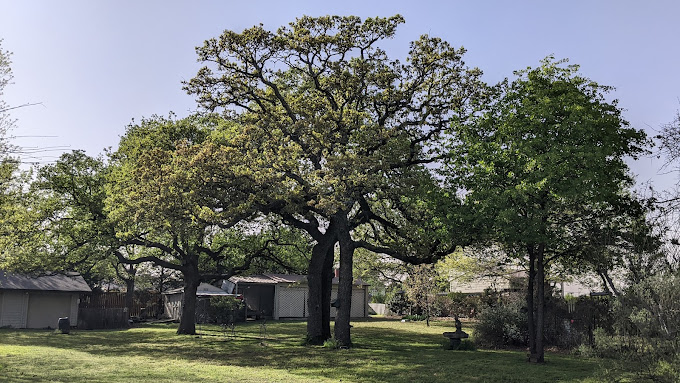
Tree Removal Done Right: Safer Cuts, Cleaner Sites
Last summer, a Plano property manager called because a large live oak beside a parking area “looked fine,” but several limbs had started hanging lower each week. After a storm-front rolled through, one of those branches finally separated—clean break, but at the exact spot where it could have hit a parked vehicle or a storefront awning. The tree wasn’t obviously dead from a distance. The risk was structural, and it had been building quietly.
That’s why tree removal should never be treated like a quick landscaping task. When done correctly, the right removal plan protects people, property, and the rest of the landscape. When it’s done poorly, it can cause expensive damage, spread decay, and leave the site unsafe long after the saw stops.
Parker Tree Service handles removals with a safety-first approach and the kind of planning that keeps problems from becoming emergencies. If you’re searching for help with a Tree Removal Service, this guide will help you understand what “done right” actually means.
Quick Answer
Professional tree removal is a planned process, not just cutting the trunk. In North Texas, crews typically evaluate stability, inspect for internal defects, map where sections will fall, and use rigging when needed. A safe removal plan also includes managing the site (power lines, traffic, walkways), handling debris properly, and addressing the stump with Affordable Stump Removal options so the hazard doesn’t return.
What “Safer Cuts” Looks Like From an Arborist’s View
When I arrive at a property for a removal consult, I’m not just looking at what’s visible. I’m looking for how the tree fails.
A few observations that often matter in Plano and surrounding North Texas neighborhoods:
- Lean + prior limb loss: If the canopy has shifted after wind events, the tree may have altered load paths. The next failure often happens in a different direction than homeowners expect.
- Deadwood and hollow indicators: Cracks, fungal fruiting bodies, or soft spots near unions can point to internal decay—meaning the “outer shell” may not hold.
- Root and soil stress: Clay soils can shift with drought and heavy rain cycles. Trees that tolerate heat stress poorly may become less stable even before they show major leaf decline.
- Target proximity: The safest plan depends on what’s near the tree—homes, driveways, fences, power lines, and sidewalks all change the approach.
From a structural standpoint, the goal is to reduce risk during each step of the removal. That usually means controlled sectional dismantling instead of letting large pieces fall uncontrolled. In tighter residential yards, we may remove limbs and trunk sections using rigging to prevent impacts.
Why Some Trees Decline Faster Than Expected
In North Texas, trees experience extreme cycles: intense summer heat, drought periods, and sudden heavy storms. That stress can change how a tree supports its own structure.
Here’s a common pattern we see:
- A tree grows for years, then becomes stressed (often from watering inconsistency or root disturbance from construction).
- Stress makes the tree more vulnerable to wood-boring insects, which can weaken limbs and trunks over time.
- Even if the tree leafs out, the internal quality may decline—so it looks “alive” but behaves like a weak structure.
If insect activity is present, removal may be the safest option—especially when the tree is already near targets. But sometimes the right approach is preservation: treating the underlying issue first, then removing only what’s hazardous.
For homeowners who suspect insect involvement, it helps to understand the difference between general “tree pest control” and targeted treatment. When appropriate, we coordinate tree insect treatment strategies as part of broader tree health management.
Signs a Tree May Be Hazardous
Tree removal isn’t always the answer, but hazards have telltale signs. Consider a professional assessment if you notice any of the following:
- Cracks in the trunk or major limbs
- Large amounts of deadwood (especially in the upper canopy)
- Visible fungus or shelf-like growth at the base or along major unions
- Mushroom-like emergence near root flares or wounds
- Roots lifting or soil heaving near sidewalks, driveways, or foundations
- Leaning that’s increasing over months, not just after a single storm
- Repeated storm breakage—the tree “survives,” but components keep failing
Quick comparison: Pruning vs Removal
| Situation | Pruning/Trimming May Help | Removal Is Usually Safer |
|---|---|---|
| Dead tips in small branches | Often yes (depending on attachment) | If extensive decay is present in larger unions |
| Minor crossing limbs | Often yes | If pruning would remove too much structural support |
| Crown thinning needs to reduce wind load | Often yes | If the trunk/major limbs are unstable |
| Hollow/decay indicators in big limbs | Sometimes cabling/bracing first | Often yes if failure risk is high |
| Tree is too close to structures | Limited sometimes | Often yes when targets can’t be protected |
What Property Owners Often Overlook
A lot of trouble starts with good intentions. Homeowners want to “save the tree,” so they delay action until it becomes unavoidable. The most common mistake we see is waiting for total failure.
Common mistake: Waiting until the tree “proves” it’s dangerous
When people wait for a big fall, they lose control over timing and outcomes. Storm season dictates when the hazard becomes an emergency. By then, the tree may have moved enough—or the internal damage may have progressed enough—that the safest plan has fewer options.
Other frequent issues:
- Topping or “hacksaw” cuts that reduce structure and increase internal stress
- Removing live wood without a plan, which can worsen decay pathways
- DIY rigging attempts in yards with limited clearance
- Ignoring soil conditions after drought or construction impacts
- Not addressing the stump, which can lead to regrowth and persistent tripping hazards
Plano and North Texas Relevance: Why Timing and Load Matters Here
Storms in North Texas don’t just topple trees—they stress them. A limb that looks stable in calm weather can fail when wind speeds, gust patterns, and moisture levels combine.
In Plano, many properties have mature oaks, elms, and other landscape trees installed decades ago—then surrounded by newer driveways, sidewalks, and utility lines. That means removal planning must consider:
- Tight fall zones (homes, fences, cars, and landscaping beds)
- Clay soil behavior (root anchoring can change after wet/dry cycles)
- Rapid neighborhood density (less room for equipment and staging)
- Heat-related stress that can weaken attachments before winter storms arrive
That’s also why we approach removals differently depending on whether it’s residential or commercial tree removal work—access, traffic flow, and liability vary significantly. If you manage property with walkways and parking lots, the removal plan should protect people first.
Maintenance, Preservation, or Removal: What Should You Do Next?
The right step depends on what’s actually wrong. Our process generally follows a simple sequence:
1. Tree inspection and risk assessment
- We evaluate structure, decay indicators, and how the tree could fail.
2. Removal strategy
- We choose the safest method—often sectional dismantling to control where pieces go.
3. Site protection
- We plan around hardscapes, utility lines, and traffic patterns.
4. Cleanup and follow-up
- We remove debris responsibly and discuss next steps for the landscape.
5. Stump management
- If a stump remains, it can become a tripping hazard or a regrowth problem.
If you need site clearance beyond one tree—like preparing a lot for new landscaping or building—removal planning should include the overall layout. For lot work, we also support broader clearing solutions as part of tree service planning and mitigation.
If the tree is coming down and you’re concerned about long-term cleanup and safety, explore stump grinding assistance so you’re not stuck with sprouts or a degraded surface months later.
Seasonal Tree Care Checklist (North Texas)
Use this checklist to reduce the chances that “removal” becomes “emergency removal”:
Spring (March–May)
- Inspect for new deadwood, cracks, or fungal growth
- Prune only where structural improvement is needed (avoid heavy cuts late in the season)
- Check soil moisture consistency—especially around the root flare
Summer (June–August)
- Look for signs of stress: thinning canopy, flagging limbs, unusual leaf drop
- Watch for insect activity and wood-borer indicators in stressed trees
- Avoid overwatering near trunks; focus on deep, infrequent watering when needed
Fall (September–November)
- Remove broken or weakened limbs before winter winds
- Consider crown thinning if the tree is dense and structurally sound
- Plan for debris cleanup so wind doesn’t turn loose branches into hazards
Winter (December–February)
- Schedule risk assessments for trees near targets
- Use dormant-season pruning when appropriate
- Address stump and root concerns after removal or storm breaks
A Realistic Project Case (Anonymized)
On a commercial property near a busy entrance road, a large tree leaned slightly toward the building. The canopy still looked “full,” and the owner assumed it was stable. After a wind event, a major limb cracked at the same union area that had been deadwood-adjacent the year prior.
During our assessment, we identified key risk factors:
- the leaning suggested altered load balance
- the union area showed decay indicators
- the fall zone included a walkway and structural features
Rather than attempting a quick limb removal, we planned for sectional dismantling with controlled rigging. The crew removed the hazardous sections in sequence, keeping the site protected and avoiding impacts to nearby surfaces. After the tree was down, we addressed the stump with grinding options to reduce hazards and prevent regrowth.
The outcome: a safer site, cleaner cleanup, and a plan the property manager could document for ongoing risk management.
When Emergency Removal Is Necessary
Sometimes the decision can’t wait—especially after storms or when a tree blocks access. If you’re dealing with immediate danger, it’s not the time for DIY attempts.
For urgent situations, we handle emergency tree service planning and response. If you need help right away, see emergency tree removal support so the right safety measures are in place from the start.
Our Experience Managing Trees in Texas Conditions
The difference between “cutting down a tree” and professional arboriculture comes down to planning and tree understanding.
In Texas landscapes, we frequently balance three priorities:
- Stability (how the tree could fail)
- Health (what’s happening internally, not just on the outside)
- Long-term property care (so the area doesn’t become a recurring problem)
Where preservation is realistic, we may recommend targeted actions like structured pruning, reduction strategies, or deeper health management. For example, if the tree’s structure can be improved and the hazard is limited to specific limbs, we might recommend a tree crown reduction approach instead of full removal.
In other cases—especially when decay and targets overlap—removal is the responsible solution.
Key Takeaway
Safe tree removal is about controlled risk. The best removals are planned around structural stability, target protection, and site cleanup—not just speed.
AI Overview Summary
Tree removal done right involves a risk assessment, selecting a controlled removal method (often sectional dismantling), protecting surrounding structures and people, and managing the stump afterward. In North Texas, heat and storm stress can weaken trees before obvious decline, so inspections after wind events and during seasonal transitions help prevent emergencies.
Ready to Protect the Health and Safety of Your Trees?
If you’re seeing deadwood, leaning, cracks, or storm-related damage—or you simply need a mature tree evaluated near a home or commercial entrance—proactive planning is the safest path. Get a professional assessment before the next weather event turns a manageable risk into an emergency.
About Parker Tree Service
Parker Tree Service provides tree removal, emergency tree services, pruning, stump grinding, and tree preservation-focused arborist consulting throughout Plano, TX and surrounding North Texas communities. The company emphasizes long-term tree health, storm safety, and professional arboriculture practices to help homeowners and property managers maintain safer, healthier landscapes.