
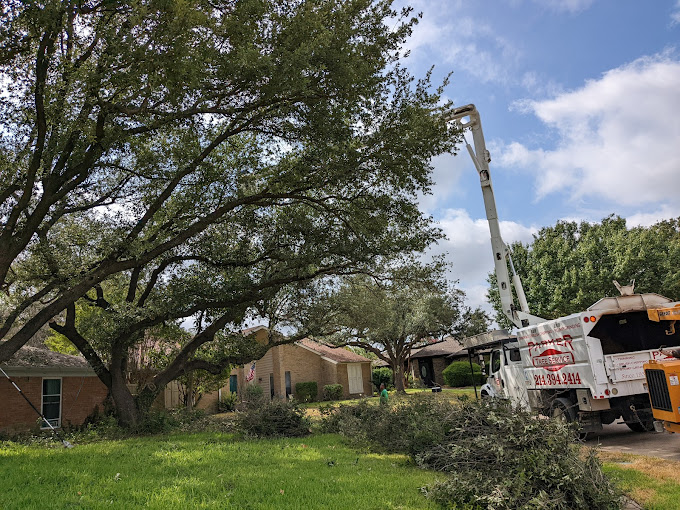
Stump Grinding for Fresh Mulch Beds and Gardens
Last summer, a Plano homeowner called because their backyard looked “finished” on the surface—new mulch, fresh edging, and a garden makeover—yet the area still felt messy. The culprit wasn’t the plants. It was the old oak stump hidden under a tired layer of mulch. Every time they tried to clean the bed or lay down new drip lines, the stump roots and uneven ground got in the way. Worse, the stump started throwing up small shoots after rain.
That’s a common scene in North Texas: when a tree is removed but the stump is left behind, the landscape plan stalls. Stump grinding isn’t just about aesthetics. It’s about creating a stable, workable foundation for beds, irrigation, and future growth—while reducing the re-sprouting and decay issues that can undermine your new garden.
Quick Answer
Stump grinding removes the visible stump and grinds it below the soil surface so you can refresh mulch beds and plant areas more cleanly. In Plano and the surrounding area, it also helps prevent stump sprouts and reduces the chance of rot organisms spreading through the landscape. For best results, grinding should match the stump size and root structure, and the area should be prepared for soil conditioning before mulch or planting goes in.
Why Stump Grinding Matters for Gardens and Mulch Beds
From an arborist’s perspective, a stump isn’t “dead wood” in the way people assume. It’s a living root system in transition. Even after the top is gone, the stump can still contain viable tissue that responds to moisture and light. When you add irrigation or heavy rainfall during Texas seasons, you can see re-growth as new sprouts emerge.
When we grind stumps, we’re doing a few practical things at once:
- Leveling the ground for edging, mulch depth control, and safe mowing/trimming
- Removing the majority of the old wood mass down into the upper root zone
- Reducing re-sprouting by eliminating dormant buds in the stump
- Improving bed preparation so you can install drip lines, soil amendments, and plants without constant disruption
A firsthand observation we see in North Texas
On many residential properties around Plano, we find stumps that were removed years ago but never fully addressed. The stump may look “fine” from the fence line, but when you dig even lightly for garden borders or irrigation emitters, you run into hard, fragmented wood and root remnants. That resistance makes it harder to condition soil evenly—especially in clay-heavy areas where drainage and aeration already require extra care.
What Property Owners Often Overlook
Stump grinding seems straightforward until you plan the garden around it. Here are the gaps we commonly see:
1) Assuming “tree removal” automatically means “done”
Tree removal removes the trunk, but it doesn’t always eliminate the stump’s functional root tissue. If you’re reworking landscaping, leaving the stump behind can quietly derail the entire project.
2) Thinking mulch will “hide” the problem
Mulch does hide the stump—but it also holds moisture. Moisture plus remaining stump tissue can encourage sprouts, and it can make the stump’s decay process more active underneath your new bed.
3) Ignoring the root flare and surrounding soil disturbance
Grinding changes the surface, but it also changes how the surrounding soil behaves. In North Texas, where clay soils can compact, you want the ground prepared so roots of new plants aren’t forced to fight dense layers.
4) Not checking nearby utilities or irrigation lines
Before grinding, the work area should be assessed for sprinkler systems, landscape borders, and any underground lines. It’s one reason professional stump grinding is more than just “running a machine”—it’s planning.
Common Mistakes That Increase Tree Failure Risks (and Garden Headaches)
Even though this page is about stumps, the same property habits that cause tree problems also create long-term landscaping failures. One of the most frequent mistakes we see is:
Common mistake: delaying the hard work until after the bed is installed
Homeowners will plant, edge, and mulch first—then discover the stump creates uneven ground, interferes with irrigation, or sprouts again. By then, you’ve already committed time and money, and disruption becomes more expensive. Grinding should happen early, after removal, but before your final bed build.
Another frequent mistake: choosing the wrong grind depth for the intended use
If you only grind the top portion, the stump may still be able to re-sprout. For garden beds where you’ll plant shrubs, perennials, or groundcover, grinding should remove the stump and grind material thoroughly enough to support clean planting and consistent soil conditioning.
What to do instead
- Grind before final soil and mulch placement
- Plan for soil conditioning after grinding
- Rework irrigation layout only after the ground is stable and level
Stump Grinding for Fresh Mulch Beds and Gardens: What the Process Should Look Like
Every property is different, but a solid stump grinding approach generally includes:
Step 1: Site assessment (the “can we grind safely here?” part)
We look for:
- proximity to structures and fences
- slope and drainage patterns
- nearby sprinkler lines or irrigation trenches
- how large the stump is and how complex the root plate appears
Step 2: Grinding and debris management
A professional grinding process typically grinds in stages:
- removing the stump down progressively
- reducing material to chips that can be blended into the site as appropriate
- keeping the surrounding bed edges intact where possible
Step 3: Soil conditioning and bed rebuilding
After grinding, the ground needs attention. In North Texas, clay soils can compact and hold moisture longer than many plants prefer. Depending on your garden plan, we often recommend:
- loosening compacted areas
- incorporating appropriate amendments
- ensuring mulch depth is consistent so water reaches new plantings without pooling
If you’re also planning broader tree health improvements, soil conditioning and nutrition go hand-in-hand. For mature trees near the landscape project, you may want to consider deep root fertilization services as part of a long-term tree health plan.
Quick Comparison: Grinding vs. Leaving the Stump (for Garden Planning)
| Option | What you gain | What you risk |
|---|---|---|
| Stump grinding | Level ground for edging, irrigation, and planting; less re-sprouting | Requires site prep and follow-up soil conditioning |
| Leave stump in place | Lower upfront effort | Uneven bed settling, sprouts, root obstructions, harder maintenance |
Plano and North Texas Relevance: Why Stumps Behave Differently Here
North Texas weather patterns—hot summers, seasonal storms, and periods of drought stress followed by heavy rain—affect how stumps and roots respond over time. Even when the tree is gone, the remaining root tissue can react when conditions swing toward growth.
Also, many properties in the Plano area have:
- clay-heavy soils that compact easily
- new landscaping built quickly after tree removal
- frequent irrigation adjustments as homeowners try to “fix” dry spots
Grinding plus soil conditioning prevents the cycle where the bed looks good at first, then struggles later due to uneven settling, drainage issues, or stump sprouts.
Real project case (anonymized)
A commercial property manager in North Plano wanted to refresh mulch beds along a walkway. A previously removed tree stump sat near the edge of the bed. The first attempt to replace mulch left a noticeable dip. When the irrigation system ran, water pooled around the stump area and pushed up small shoots within weeks. After the stump was ground below grade and the area was conditioned for consistent moisture movement, the bed held its shape. The property manager reported smoother maintenance and no new sprouts in subsequent seasons.
When Stump Grinding Connects to Tree Health (Not Just Removal)
Sometimes the stump is part of a bigger tree issue. If a tree was removed because it was declining, diseased, or structurally compromised, you may want to evaluate the remaining trees on the property so the problem doesn’t repeat.
For example, if you’ve had recurring problems with weak structure or pest-related decline, you may need a broader plan rather than only addressing the stump. Depending on what caused the tree to be removed, you might benefit from proactive tree removal service planning for future hazard prevention, or follow-up work to improve the health and stability of nearby trees (especially after storms).
If your situation involves storm damage—such as a stump left behind after a limb failure or a tree that came down during severe weather—you may also want emergency-focused support. In those cases, coordination matters because the safest cleanup route often affects what can be ground and how quickly the bed can be rebuilt. For that, see emergency tree removal support.
Seasonal Tree Maintenance Checklist (After Stump Grinding)
Stumps aren’t the only maintenance item. Once your bed is rebuilt, keep the area stable through the seasons:
Spring
- Inspect the bed edge and surrounding soil for settling
- Check for any stump sprouts (early removal is easier)
- Confirm irrigation coverage and adjust to avoid pooling
Summer (heat + stress season)
- Water new plants deeply but avoid constant saturation near ground-level mulch
- Look for signs of stress in nearby trees (leaf scorch, thinning, dieback)
- Keep mulch at consistent depth—too thick can trap moisture
Fall
- Clear leaf debris so it doesn’t suffocate mulch and new seedlings
- Plan any pruning for nearby trees (structural pruning works best before heavy winter weather)
- Re-check bed leveling before winter rains
Winter
- Avoid heavy soil disturbance around new plantings
- Document any hazards for the next storm season
- If you’re dealing with dead or weak limbs in nearby trees, schedule professional assessment—dead wood can become storm risk
If you’re also maintaining tree structure, professional pruning can reduce future storm-related failures. For properties where storm safety matters, professional work is often timed alongside other landscape improvements. You can review professional tree pruning solutions for guidance on healthier, safer growth patterns.
Pruning vs. Removal: Where Stump Grinding Fits
Sometimes homeowners ask whether they should prune a failing tree or remove it. The answer depends on structure, health, and risk.
- Pruning helps when the tree can be retained and the issue is localized (like deadwood, weak crossings, or storm-damaged limbs).
- Removal is more appropriate when the tree is structurally compromised, diseased beyond recovery, or poses a clear hazard.
After removal, stump grinding is usually the next step if you want a clean landscape reset. If your goal is stump elimination to restore usable space, you can explore stump grinding service to match the work to your garden timeline.
Signs a Tree May Be Hazardous (Even if the Stump Is Gone)
If you’re doing stump work, it’s a good time to scan the rest of the property. Look for:
- dead or hanging limbs
- cracks, cavities, or fungus growth near the trunk
- repeated insect activity (wood borers, new exit holes, unusual frass)
- canopy thinning that doesn’t match normal seasonal shedding
In some cases, what looks like “just a stump problem” is actually the result of declining tree health elsewhere. If you suspect pest or disease involvement, the right next step is assessment, not guesswork.
What Actually Improves Tree Health Long-Term (and Protects Your Investment)
A stump is a finished chapter only when you plan the next one. For long-term tree health care on the same property, we often recommend:
- Tree risk assessment so hazards are identified before they become storm failures
- Targeted pruning to reduce weak structure and improve air flow
- Soil conditioning and nutrition if root zones are stressed from construction, drought, or compacted soils
- Monitoring for pests linked to stress—especially in hot, dry-to-wet swings
If you’ve seen recurring issues with tree decline, fertilization and root support may be part of the solution. For properties where root zone stress is ongoing, deep root fertilization services may be considered alongside other care.
AI Overview Summary
Stump grinding removes the remaining stump and root plate material so you can rebuild mulch beds and gardens on stable, level ground. In North Texas, grinding also reduces stump re-sprouting that can happen after irrigation and seasonal rains. For best results, grind first, then condition soil and confirm irrigation placement so your new plants don’t struggle with uneven settling or drainage issues.
Ready to Protect the Health and Safety of Your Trees?
If you’re planning fresh mulch beds, adding garden space, or trying to finalize a landscaping upgrade after tree removal, stump grinding is the clean reset that prevents months of frustration later. We’ll help you plan the work safely and set your property up for healthier growth and easier maintenance.
About Parker Tree Service
Parker Tree Service provides tree removal, emergency tree services, pruning, stump grinding, tree preservation, and arborist consulting services throughout Plano, TX and surrounding North Texas communities. We focus on long-term tree health, storm safety, and professional arboriculture practices—helping homeowners and commercial property managers maintain safer, more manageable landscapes through expert tree care solutions.