
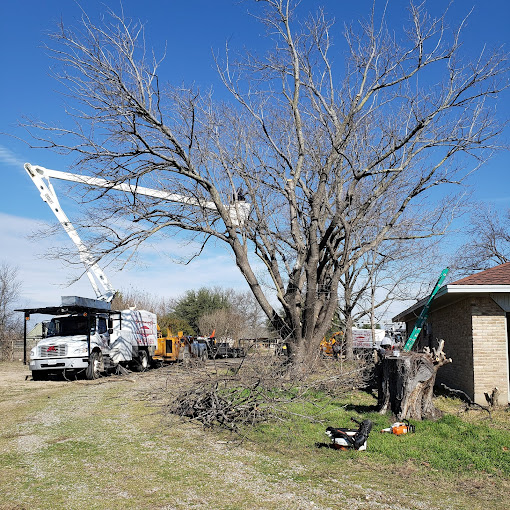
If a tree is leaning, dropping limbs, or showing signs of disease, you need a clear plan for removal and what comes next. This guide explains how to assess the situation, what to check before work starts, and how cleanup choices affect your property around Dallas and the DFW suburbs.
After a windy afternoon in Dallas, TX, you notice a new split in a trunk or a branch that looks too low to be safe. Maybe the tree is close to a driveway, power lines, or the side of your home where family traffic goes every day.
Once you start thinking about tree removal, the questions change fast: What does “unsafe” actually mean? Will the stump be left behind? How do you prevent the same problem from coming back?
Below, you will find practical steps to evaluate risk, decide whether removal or pruning is the better fit, and plan the cleanup process so your yard is left ready for normal use.
Quick Answer
If a tree is leaning, has dead or hanging limbs, shows signs of decay or serious pests, or is near structures, removal is often the safest path. The best next step is to have a professional assess the tree and surrounding hazards, then match the solution to the risk level. For many properties, the plan should include proper hauling and stump grinding and stump removal so the yard is usable again. Avoid DIY felling when the tree is close to buildings, fences, or utilities.
What to Check First
Before anyone touches the tree, you can narrow down what is going on by observing a few clear signs. These checks help you communicate the issue accurately and determine whether the situation is urgent.
Look for instability
Check for a new lean, cracks in the trunk, soil heaving at the base, or root flare lifting near sidewalks and driveways.
Check the canopy and limbs
Scan for dead branches, large limbs with weak attachment, and areas where the crown looks thin or uneven.
Identify likely causes
Notice bark damage, sap runs, unusual holes, or clusters of dying twigs. These can point to tree disease treatment needs or wood borer activity.
If you also suspect storm damage, treat it seriously. Limb failures can happen even after the initial weather event has passed. If the tree is actively threatening people, roads, or structures, the priority is safety first and coordinated removal second.
Professional observation: When we inspect trees in the Dallas area, the most common “surprise” is how quickly a seemingly manageable limb can compromise larger structure points. That is why the removal plan should account for where the weight will travel during cutting, not just the branch you see.
Main Things Customers Should Understand
Tree removal is more than cutting down a trunk. A professional plan considers the tree’s condition, the property layout, and what cleanup needs to accomplish. Below are the key factors that affect outcomes.
1) Removal versus pruning
Sometimes the safest outcome is not full removal. Dead limbs, clearance issues, or canopy crowding can sometimes be addressed through tree pruning and trimming. However, if the trunk or main structure is compromised, pruning can only reduce risk temporarily.
2) Hazard proximity
Trees near homes, fences, roofs, sheds, or walkways require more detailed planning. The work area may need protection, and the dismantling method matters to avoid additional property damage.
3) Cleanup and stump management
After removal, many homeowners focus on getting rid of the visible portion of the tree. But the remaining stump and roots can affect mowing, landscaping, and future plantings. This is why stump grinding and stump removal is often part of the same project.
4) Soil and long-term tree health care
For customers planning new landscaping or trying to improve overall yard conditions, soil conditioning and tree health steps may be appropriate. If you are dealing with deep root concerns or planning for healthier growth, ask about deep root fertilization and related soil conditioning options.
| Property sign or goal | Common best-fit approach | What to ask your tree service |
|---|---|---|
| Large dead limbs over a walkway or patio | Targeted removal of unsafe limbs or full removal if the structure is compromised | How will you control debris and prevent additional damage during cuts? |
| Tree is leaning or has trunk cracks | Hazard-focused removal plan | What dismantling method reduces risk to structures and people? |
| Stump blocks mowing or future landscaping | Stump grinding or stump removal | Will you haul away debris and grind to an appropriate depth for your plans? |
| Tree looks stressed, thinning, or struggling over time | Tree health care and mitigation planning | Could pest activity, disease, or root conditions be involved? |
Why This Matters in Dallas, TX
In Dallas, TX, property trees often sit in tight residential lots with mature landscaping. During seasonal swings, stress can become more noticeable, and storm impacts can reveal underlying weakness. That means a tree that “seemed fine” after a calm week can become a problem after wind or heavy rain.
Another local factor is how many homes and businesses have limited space around the trunk. When removal happens in a constrained yard, the safest work depends on planning the cut sequence, managing debris, and coordinating cleanup so the property is accessible again for daily use.
Local tip: If your tree is in a spot that affects driveways, sidewalks, or routine entry points, plan the removal and cleanup together. That reduces the time the property sits in a “half-finished” condition that can be inconvenient for families and property managers.
Representative Scenario: After a Wind Event
A homeowner in the DFW suburbs calls Parker Tree Service after a storm. The tree did not fully fall, but several large branches dropped, and the trunk shows a fresh crack line. The initial concern is obvious, but the second concern is less visible: the remaining structure may still be under stress and could fail later, especially if additional weather occurs.
In the inspection, the team focuses on stability, the direction of potential fall paths, and the safest dismantling approach. After removal, the cleanup plan includes debris hauling and stump management so the yard can be used again without tripping hazards or mowing issues.
Need help deciding between pruning and removal?
If you are seeing signs of instability, dead limbs, or storm damage around your Dallas property, Parker Tree Service can help you plan the next steps.
Call Parker Tree Service at (214) 394-2414Common Mistakes to Avoid
Homeowners often take on tree problems with good intentions, but a few missteps can increase risk or create extra work later.
Waiting too long
If a tree is leaning, cracking, or losing limbs, delaying removal can increase the chance of failure during later wind or rain.
Assuming pruning fixes instability
Pruning can improve clearance and remove dead wood, but it does not fix a compromised trunk or root system.
Ignoring stump impacts
Leaving stumps can interfere with mowing and landscaping. It can also create obstacles when you want to clear the area for new planting or projects.
Another frequent issue is starting work without a coordinated cleanup plan. Debris left behind can create hazards and prolong the time the property is unusable.
Customer Checklist
- Note when the issue started and what changed (storm, new lean, new dead limbs).
- Identify where the tree is located relative to your home, fences, driveways, and walkways.
- Take a few photos from multiple angles, including the trunk base and any visible cracks.
- Mark areas that must stay clear for access during and after work.
- Ask whether the plan includes cleanup and debris hauling, not just cutting.
- Discuss stump options so the yard is ready for mowing and landscaping afterward.
- If pests or disease are suspected, ask about appropriate tree health care and mitigation steps.
Frequently Asked Questions
How do I know if my tree needs removal or only pruning?
Removal is more likely when you see structural risk like a new lean, trunk cracks, significant dead wood, or signs the main structure is compromised. Pruning can be a better fit when the main trunk is stable but branches create clearance problems or include isolated dead limbs. A professional inspection helps match the approach to the actual hazard level, especially when trees are close to homes or high-traffic areas.
What should I do right after a storm if a tree looks damaged?
Start by keeping people and pets away from the tree and any areas where branches may fall. Look for fresh cracks, hanging limbs, or trunk movement, and avoid walking under damaged canopy. If the tree appears unstable or threatens structures, contact a tree service to evaluate it. In Dallas, follow-up failures can happen after the initial weather, so getting a clear plan for removal and cleanup is safer than waiting.
Will you handle stump grinding after the tree is removed?
Often, yes. Stump management is a common part of complete tree removal projects because it helps restore yard usability and reduces long-term obstacles. If your goal is landscaping, mowing, or lot clearing, stump grinding or stump removal can make a big difference. During planning, share what you want to do with the area afterward so the approach fits your property needs.
Can tree disease or pests be the reason I need removal?
Yes. When trees show persistent decline, bark damage, unusual holes, or other signs of pests and disease, the structure can weaken over time. Sometimes the best outcome is mitigation and ongoing tree health care, while other situations require removal if the tree cannot be stabilized safely. If you are also dealing with wood borer concerns or tree health problems, Parker Tree Service can help you plan next steps based on what is observed during inspection.
What should I ask during a tree removal conversation?
Ask how the crew will handle the work area, where debris will go, and whether cleanup and hauling are included. It is also helpful to ask how the plan accounts for nearby structures and traffic patterns on your property. If stump issues affect your landscaping plans, ask about stump grinding or removal options. For many homeowners, clarifying cleanup and stump management up front prevents surprises later.
Ready to make your Dallas property safer?
Parker Tree Service provides professional tree removal planning and cleanup for homes and properties across Dallas and the DFW suburbs. If you are dealing with hazardous limbs, storm damage, or a tree that looks unstable, call or visit our services page to get started.
Explore Tree Removal Service