
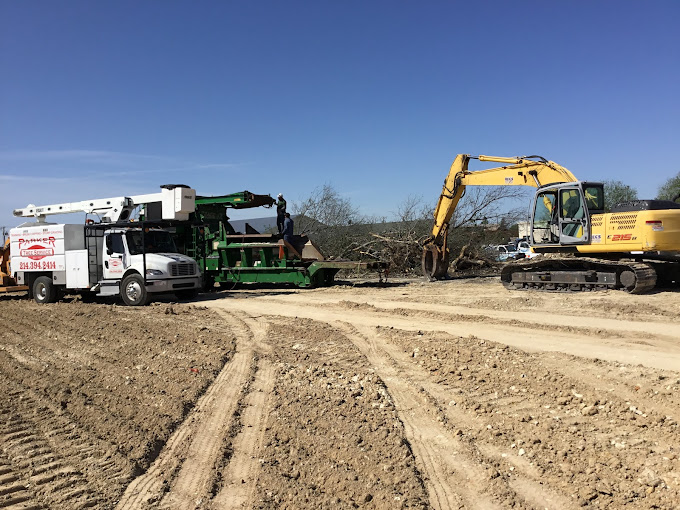
Stump Grinding Near Me: Smooth Surfaces, Safer Lawns
After a late-spring storm in Plano, a homeowner called us because they “couldn’t get the mower to stop catching.” The real issue wasn’t the mower—it was the stump they left behind after a partial tree removal. The remaining wood was still high enough to trip ankles, chew up lawn equipment, and hold moisture that attracts insects. In North Texas, where landscapes recover fast but storms and drought stress trees just as fast, stump management becomes a safety and health decision—not just a cleanup step.
If you’re searching for stump grinding near me, you’re probably weighing convenience, lawn appearance, and property risk. Let’s talk about what stump grinding actually does, when it’s the right move, and how to avoid the common problems we see after incomplete removal.
Quick Answer
Stump grinding is the process of grinding a tree stump below ground level to create a smoother surface for mowing, landscaping, and foot traffic. For best results, a professional will grind to the right depth, remove exposed roots as needed, and manage debris so your lawn doesn’t stay muddy or attract pests. If the stump is near structures, utilities, or you’re dealing with root flare disease concerns, it’s safer to have an arborist or trained crew assess the site first.
What Stump Grinding Should Look Like (From an Arborist’s Perspective)
A stump doesn’t just “sit there.” Even after the tree is cut, the root system remains biologically active for a while—storing energy in the wood and continuing to draw moisture. Over time, that can create conditions that are unfriendly to surrounding trees and lawns:
- Moisture retention: Stumps hold water and slow drying, increasing decay.
- Insect attraction: Decaying wood can attract beetles and other wood-boring pests.
- Sprout and suckering risk: Some species can attempt regrowth from remaining root tissue.
When I inspect a site, I look at how much the stump was left above grade, how close roots are to hardscape, and whether the property has heavy mowing traffic. In many North Texas yards, the stump sits right where homeowners walk their dog or mow in straight lines—so the “height problem” matters.
From a practical standpoint, good stump grinding means you can walk and mow without constantly dodging bumps, and you don’t end up with a crater that collects water. The crew should also remove the majority of grind material so you’re not left with a thick layer of mulch-like debris that can stay wet.
Stump Grinding vs. Stump Removal (What’s the Difference?)
Homeowners often use these terms interchangeably, but they’re not the same.
| Option | What it does | Best for | Common tradeoffs |
|---|---|---|---|
| Stump Grinding | Chips and grinds stump wood into small pieces below grade | Lawns, drive edges, areas needing smooth surfaces | Leaves root system partially in place; may require follow-up if roots are large |
| Stump Removal / Full Extraction | Excavates stump and significant roots | Tight spaces, stumps near structures where grinding is risky | More disruptive to landscaping; often more excavation and cost |
In many Plano properties, grinding is the most practical choice because it restores mowing lines and reduces trip hazards. But if the stump is interfering with a new patio, foundation work, or utility corridor, extraction may be the safer long-term plan.
If you’re managing a broader tree cleanup, you can also review options like stump grinding removal to see how crews approach different stump sizes and site constraints.
Common Mistakes Property Owners Make
We see the same issues after storms and after “DIY tree work” attempts. These mistakes often cost more later:
1) Leaving the stump too high
A stump that’s “mostly gone” still creates a mowing hazard and can collect water. That water retention accelerates decay and can keep the area soft underfoot.
2) Assuming all roots are harmless
Grinding reduces the stump, but roots can extend farther than the visible stump. If roots are near sidewalks, retaining walls, or irrigation lines, improper handling can create future settlement problems.
3) Trying to burn or chemically treat it without a plan
Burning is unpredictable and can damage nearby vegetation or structures. Chemicals can be slow, and the stump may still attract insects during the waiting period.
4) Not thinking about what caused the tree to be removed
If the tree came down due to decline or suspected insect/disease issues, the stump can still be part of the risk picture. In those cases, you may need broader tree health management, not just surface cleanup. For example, if you’re dealing with decline patterns that started with pests, it’s worth discussing tree insect treatment and longer-term mitigation strategies with a professional.
For related guidance on maintaining tree structure and reducing future hazards, homeowners often choose tree pruning services near me instead of waiting for a full removal situation.
When You Should Consider Professional Stump Grinding
Professional grinding is especially important when:
- The stump is near driveways, patios, fences, or sprinkler systems
- You’re trying to reclaim a lawn area quickly after storm damage
- You have multiple stumps and want consistent, “even” grade restoration
- The stump is in a spot where children play or where foot traffic is heavy
- You suspect the tree was removed due to insects or disease and want to reduce lingering risk
A real-world example (anonymized)
A small commercial property in North Texas had a mature shade tree removed after repeated limb failures. The stump remained in a landscaped strip between parking and a walkway. After a few weeks, the area became uneven and stayed damp—employees started avoiding that route because it was slippery and hard to mow around. The crew ground the stump properly to near-grade level, removed the debris, and then laid down fresh soil and seed in the disturbed area. The property manager reported fewer wet spots and a cleaner maintenance routine, which mattered for both safety and curb appeal.
Seasonal Tree Care Checklist (Including Stump and Ground Management)
Stump grinding is a one-time operation, but the site conditions around it change with seasons. Here’s a practical checklist you can use after stump work—or if you’re planning it before storms.
Spring (after winter storms and thaw)
- Inspect for low spots where water collects around stump areas
- Check for any regrowth or shoots near the ground line
- Keep mulch light over the ground area so you can spot moisture issues
- If nearby trees showed stress, schedule an assessment for deep root fertilization services to support recovery
Summer (heat + drought stress)
- Water new grass establishment consistently (avoid cycles of bone-dry then flooding)
- Watch for insect activity around decaying wood areas
- Keep mower height higher around recently restored zones to prevent damage
Fall (prep for storms and winter conditions)
- Clear leaves and debris from stump grind zones so you don’t trap moisture
- Inspect nearby trees for dead limbs and structural weakness
- Consider pruning where appropriate (avoid heavy cuts right before dormancy if the tree requires timing control)
Winter (safer planning window)
- Use dormant-season inspections to identify hazard candidates
- Plan for spring cleanup so you’re not scrambling after storms
Plano and North Texas Relevance: Why Stumps Become Bigger Problems Here
North Texas conditions can intensify stump-related issues:
- Clay soil and drainage: If a stump creates a low area, clay holds water longer, which slows lawn recovery and keeps the ground soft.
- Storm frequency and rapid growth: Trees can bounce back visually after weather, but internal structural weakness often shows up later—leading to more removals and more stumps.
- Heat and drought stress: Stressed trees are more likely to attract wood-boring activity, and decaying wood can become a “hotel” for insects.
In other words, stump grinding isn’t just cosmetic in Plano—it’s a step toward a safer landscape and a cleaner maintenance routine through hot summers and wet winters.
If you’re also dealing with a downed tree after severe weather, you may need immediate cleanup first. For those situations, many homeowners start with emergency tree removal so the stump and hazards are handled while access is still clear.
Key Takeaway: What Actually Improves the Outcome Long-Term
Stump grinding works best when it’s part of a bigger plan:
1. Remove the stump to near-grade level for safe mowing and walking
2. Address the surrounding ground (leveling, debris removal, re-seeding or soil conditioning)
3. Consider tree health context—especially if the original tree declined
4. Reduce future risk by supporting healthier nearby trees with proper pruning, inspections, and soil support
If the stump is near other mature trees, the right move is not just to grind—it’s to ensure the remaining landscape doesn’t become a patchwork of stressed roots and repeating hazards. That’s where professional tree risk assessment and preservation planning can prevent “round two” removals.
Our Experience Managing Trees in Texas Conditions
In Plano and the broader North Texas area, we often see stumps left behind because homeowners want the yard to look “better” quickly. But the real win comes from grinding that restores a functional surface and reduces lingering pest and moisture issues.
From an arborist workflow standpoint, we typically evaluate:
- the stump’s height and diameter
- proximity to utilities and hardscape
- how much root material is likely to remain
- what grass or planting is planned afterward
- whether nearby trees need health support due to drought stress or pest pressure
That’s why our approach is focused on long-term property safety and healthier landscapes—not just turning stumps into chips.
If you’re planning more than stump work, you may also be interested in tree removal service planning like tree removal service, especially when multiple trees must be managed responsibly.
Signs a Tree May Be Hazardous (So You Don’t Create More Stumps Than Necessary)
Stumps are often the end of a story you might have prevented. Watch for these hazard indicators in your yard:
- Dead or hanging limbs that don’t respond to seasonal leaf-out
- Cracks in the trunk, leaning, or widening at the base
- Fungal growth near the root flare
- Extensive dieback in the crown (especially after heat waves)
- Repeated insect activity (exit holes, sawdust, or webbing) along stressed areas
If you see these signs, it’s usually smarter to address the tree before it becomes an emergency. Storms don’t create hazard problems out of nowhere—they expose weaknesses already present.
Pruning vs. Removal
A lot of homeowners ask whether stump grinding is all they need. Often, the better question is whether the tree should have been pruned earlier to prevent structural failure.
Pruning can improve:
- crown balance and airflow
- reduction of hazardous limb loads
- long-term tree structure
But removal may be necessary if the tree is structurally compromised or declining beyond recoverable limits. If you’re trying to decide, a professional tree inspection is the quickest way to avoid guesswork.
Ready-to-Use Guidance: What to Do After Grinding
After your stump is ground, the follow-through matters:
- Keep the area slightly elevated to avoid puddling (and topdress if needed)
- Remove thick debris piles so it doesn’t smother grass
- Re-seed or sod as appropriate for your lawn type
- Avoid heavy equipment traffic on the restored zone until it settles
If you notice persistent sprouting, that’s a sign the root system still has viable tissue. That’s where an additional plan—rather than repeated guessing—makes a difference.
FAQ
How deep should stump grinding go?
In most cases, grinding is done below the visible stump and typically close to grade so the area is safe for mowing and walking. The exact depth depends on stump size, remaining roots, and nearby structures. A professional crew will also consider drainage—an overly deep crater can collect water, while a shallow grind leaves a trip hazard.
Will stump grinding kill the tree roots?
Grinding removes the stump and significantly reduces the energy source in that portion of the tree. However, some root systems can remain viable for a time. If regrowth occurs, it’s usually handled through targeted follow-up and site management rather than ignoring the issue.
Can I mow the area right after stump grinding?
You may be able to mow once the area is level and debris is cleared, but it depends on how the ground was restored and whether grass is present. If the grinding disturbed turf heavily, expect a short period of regrowth and avoid heavy traffic until the surface stabilizes.
What if the stump is near my driveway or fence?
That’s a great reason to use professional stump grinding. Grinding equipment is powerful, and nearby structures require careful planning to avoid damage. A site assessment helps determine the safest approach and whether partial extraction or controlled grinding is the better option.
Ready to Protect the Health and Safety of Your Trees?
If you’re dealing with a stump that’s creating trip hazards, mowing problems, or lingering pest and moisture concerns, professional stump grinding can make your yard safer and easier to maintain. For help planning the right next step—especially if the stump is from a storm removal or a declining tree—reach out to Parker Tree Service.
About Parker Tree Service
Parker Tree Service provides tree removal, emergency tree services, pruning, stump grinding, tree preservation, and arborist consulting throughout Plano, TX and surrounding North Texas communities. The company focuses on long-term tree health, storm safety, and professional arboriculture practices—helping homeowners and businesses maintain safer, healthier landscapes with expert tree care services.