
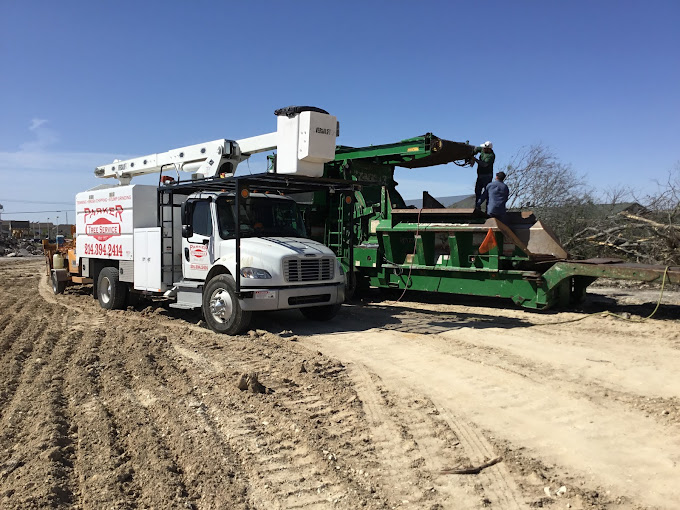
Tree Removal Cleanup: Yard Recovery After Storms
After a strong North Texas storm, it’s common to look out the window and feel relief—until you realize the damage is worse than it first looked. A homeowner in Plano recently called after a windy evening tore down limbs near their driveway and left one large oak with a split trunk. From the street, the tree “looked mostly standing.” Up close, though, the crown was leaning, bark had peeled along the fracture line, and the root plate had shifted just enough to make the ground around the base feel unstable.
That’s the kind of situation we see repeatedly: storm damage doesn’t always announce itself clearly at first. The cleanup matters for safety, but it also matters for long-term tree health and the recovery of your landscape—especially when roots are disturbed, branches are partially torn, or stumps are left to rot in place.
Quick Answer
After storms, the safest approach is to:
- Remove hazardous limbs and compromised sections quickly (especially anything hanging, rubbing, or leaning)
- Decide whether the tree can be preserved based on structure and internal damage—not just appearance
- Grind or remove stumps and stabilize disturbed areas so weeds, pests, and soil compaction don’t take over
- Reset the yard for regrowth with proper cleanup, soil conditioning, and (when appropriate) tree health care like pruning and fertilization
What We Commonly See in North Texas Trees
In Plano and across North Texas, storm damage often follows a predictable pattern:
1. Wind loads expose weak structure
- Trees with included bark (where two branches grow together without a strong bond) are more likely to split under stress.
- Mature oaks and pecans can look sturdy while still having internal defects that don’t show until a storm hits.
2. Drought stress increases failure risk
- Texas heat and uneven watering can reduce a tree’s ability to compartmentalize damage.
- When a tree is already stressed, wounds from wind or lightning take longer to seal, and decay can expand.
3. Root disturbance compounds the problem
- A falling limb can tear smaller roots; a leaning trunk can shift the root plate.
- Even if the tree survives the storm, the remaining root system may not anchor the tree safely afterward.
A firsthand observation from our crews: when we remove “just the hanging pieces,” we often find additional breakage higher in the crown or at the fracture line where bark has lifted. That’s why storm cleanup should be more than a quick cut—it should be a structured assessment followed by controlled removal.
Pruning vs Removal: How Arborists Decide After Storms
Not every damaged tree has to come down. The key is understanding what the damage actually does to structure and health.
When preservation is possible
A tree may be a candidate for tree health care and targeted pruning if:
- The trunk is intact (no significant split, no major lean beyond what the tree can safely correct)
- Damage is limited to limbs, and cuts can be made back to sound wood
- The tree can retain enough structure to recover without creating new hazards
For storm-related limb issues, we often recommend professional pruning solutions that reduce weight and remove compromised wood—without over-thinning the crown.
When removal is the safer recommendation
Removal is usually the right call when:
- The trunk is split or the tree is cracked through multiple structural branches
- The root plate has lifted or the base is unstable
- The tree is leaning toward structures, fences, or walkways
- There’s evidence of extensive internal decay near the fracture zone
If you’re deciding between preservation and removal, it helps to review how we approach risk-based cuts. You can also explore tree removal service to see the structured process we use when a tree can’t be made safe.
Common Mistakes Property Owners Make
Storm cleanup is stressful, and it’s tempting to handle it quickly. Unfortunately, several mistakes increase the chance of additional property damage—or injury.
1) Cutting from the ground without a plan
Homeowners sometimes start by chopping hanging limbs. But storm breaks create “tension and compression” inside the wood. Improper cuts can cause the limb to fall unexpectedly or tear farther than intended.
2) Leaving partially broken limbs “for later”
A limb that’s cracked but still attached can fail later—often during the next wind event. The hazard may not be obvious from street level, especially if the crack is hidden under foliage.
3) Treating all stumps the same
Leaving a stump can be more than an eyesore. Rotting wood creates a habitat for insects that can spread stress to nearby trees. Also, stumps can interfere with mowing, irrigation, and future landscaping plans.
4) Over-pruning to “make it look better”
After storms, some property owners remove too much live canopy. That reduces energy reserves and can slow recovery. In many cases, better results come from tree pruning services near me approaches that remove the right wood while maintaining healthy structure.
If you’re dealing with crown reduction or structural cleanup, it’s worth comparing pruning strategies to removal decisions—especially when wood-boring insects or decline are already present. (More on pests and recovery below.)
Seasonal Tree Care Checklist (Storm Recovery Edition)
Storm cleanup isn’t a one-day task. North Texas weather cycles and tree growth patterns mean follow-up care matters. Here’s a practical checklist we use with homeowners and property managers after storms:
After the storm (same week)
- Inspect the base and soil around the trunk for root plate lift or new cracks
- Identify hanging limbs, rubbing branches, and “widow-maker” hazards above doors and driveways
- Remove debris so it doesn’t trap moisture against the trunk or create trip hazards
Spring follow-up (when growth resumes)
- Watch for new leaf flush and compare it to the rest of the crown
- Confirm pruning cuts didn’t “over-open” the canopy—adjust if needed
- If the tree is a candidate for recovery, schedule tree health management services such as pruning to rebalance weight and improve structure
Summer monitoring (heat stress season)
- Check for wilting, dieback, or unusual thinning
- Look for signs of stress-related pests (especially on stressed hardwoods)
- Ensure watering practices are consistent—avoid frequent shallow watering that doesn’t penetrate deeply
Fall preparation (reduce risk before winter storms)
- Remove weak or dead wood discovered during seasonal leaf drop
- Consider soil conditioning if the ground is compacted from equipment or foot traffic
- Plan next steps if the tree showed progressive decline after the storm
If stump removal is part of your recovery plan, you may want stump grinding service to help restore the yard surface and reduce long-term maintenance headaches.
What Actually Improves Tree Health Long-Term After Damage
Storm damage creates wounds. The goal of preservation and cleanup is to help trees compartmentalize those wounds and regain stable structure.
Structural cleanup that supports long-term safety
When we prune after storms, we focus on:
- removing broken, hanging, or rubbing limbs
- reducing weight where structural weaknesses exist
- thinning with intention (not “chopping” to make the tree smaller)
That kind of pruning helps the tree resist future wind loads better than irregular DIY cuts.
Addressing pests and decay risk
In North Texas, stressed trees can become targets for insects. We often see questions about wood borer activity after damage because weakened tissue can attract wood-boring beetles and related pests.
If your tree showed signs of decline before the storm—like thinning, dead tops, or insect activity—our process may include recommended tree disease treatment or targeted management planning. You can also review our approach to tree pruning reduction when storm cleanup overlaps with structural correction.
Supporting recovery with soil and nutrition (when appropriate)
Not every damaged tree needs fertilization, and in some cases over-fertilizing can worsen stress. But for trees that are otherwise healthy candidates for recovery, improving growing conditions can help.
A common example: after heavy construction traffic and root disturbance, we may recommend soil conditioning and, in selected cases, deep nutrient support rather than quick “spray-and-hope” treatments. For deeper recovery planning, homeowners often ask about deep root fertilization services—especially when drought stress is part of the background problem.
Our Experience Managing Trees in Texas Conditions
Storm events in North Texas are rarely “just one incident.” They expose what’s already present—weak structure, drought stress, and hidden defects.
One anonymized case we often reference (because it’s so typical): a commercial property manager in Plano reported repeated limb failures near a parking lot. The tree wasn’t dead, and leaves still appeared in season, but the crown had multiple crossing branches and an included-bark V-shape that had started to split. During the storm, one branch broke and clipped a light fixture. The follow-up inspection showed the fracture line extended deeper than expected, and the root zone had begun to shift.
What fixed the problem wasn’t simply clearing the yard—it was:
- removing compromised structure safely
- pruning to reduce risk and rebalance the crown
- planning stump management so regrowth doesn’t create future maintenance conflicts
That’s also why we treat storm cleanup as part of ongoing tree risk assessment rather than a one-time “debris removal.”
If you manage multiple sites, you’ll also want to think about liability and uptime. Hazardous trees can become a safety issue quickly, and emergency cuts are only half the job if the underlying structure remains compromised.
Plano or North Texas Relevance: Why Local Storm Cleanup Matters
North Texas storms bring fast wind changes, intense rain, and heat—often within the same season. That combination affects both the cleanup timeline and the recovery plan.
- Clay soil and root anchoring: Many yards in the area have soil that compacts easily. Equipment and foot traffic can reduce root function right after a storm.
- Oak and pecan stress patterns: These trees may hang on visually while internal decay expands slowly, especially when wounds are fresh.
- Rapid suburban development: New construction can alter drainage and root oxygen availability, making storm recovery harder for mature trees.
In practice, we see that delaying assessment can turn a manageable hazard into a larger removal. Early stabilization and proper pruning reduce the chance you’ll pay twice.
For urgent situations, you can review emergency tree removal options when storm damage is actively threatening people, vehicles, or structures.
Stump Grinding and Yard Recovery: What to Do After Removal
Once a tree or major limb is removed, the yard recovery work starts. This is where many properties lose time—and sometimes worsen the problem.
Why stump grinding helps
- It improves mowing and landscaping access
- It reduces sprouting and messy regrowth
- It discourages certain pests that target decaying wood
- It helps restore a clean, stable surface after debris hauling
If you’re planning replanting or lot clearing, stump management is often the step that keeps the rest of the project moving.
A practical rule: grind what’s left from the removal so you don’t create a long-term maintenance trap. If your storm cleanup includes stump work, consider stump grinding assistance as part of the initial recovery plan rather than waiting until weeds and sprouts take over.
Recovery steps that keep the yard usable
- Rake and remove fine debris (not just big logs)
- Check irrigation lines and adjust watering if the root area was disturbed
- Regrade lightly where necessary to prevent standing water near the trunk line
- Plan follow-up pruning once the tree’s recovery response becomes clearer
Quick Comparison: Preservation Cleanup vs Removal Cleanup
| Goal | Preservation Cleanup | Removal + Cleanup |
|---|---|---|
| Best for | Trunk intact, limited structural damage | Split trunk, unstable base, major lean, extensive defects |
| Immediate focus | Restore structure, remove compromised limbs | Remove hazard, manage stumps, secure yard |
| Yard impact | Less disruption, but may require staged pruning | More immediate clearing and reset |
| Long-term outcome | Depends on recovery response and proper follow-up care | Cleaner baseline for replanting and landscaping |
Signs a Tree May Be Hazardous
If you notice any of the following after a storm, treat the tree as a potential hazard and avoid working near it:
- A leaning trunk that wasn’t present before
- Cracks, bark separation, or exposed wood at the base or main limbs
- Hanging limbs above driveways, walkways, or roofs
- Root plate lift or soil heaving around the base
- New mushrooms or rot smell near wounds (especially at fracture points)
FAQs
How do I know if a storm-damaged tree can be saved?
If the trunk is split, the tree is leaning toward structures, or the root zone looks lifted, removal is often safer. If the damage is limited to branches and the trunk remains intact, preservation may be possible through targeted pruning and follow-up monitoring. A proper inspection matters because internal defects can extend beyond what you can see from the ground.
Should I call emergency service immediately after wind?
If branches are hanging, the tree is actively shifting, or there’s contact with power lines, yes—call emergency help right away. Even without lines, if the tree is unstable or appears to be in motion, waiting can increase risk. The goal is to prevent secondary failures during the next wind or rain event.
Can stump grinding prevent insect problems?
It reduces long-term issues related to decaying wood. Many pests are attracted to stressed or rotting timber. Grinding stumps lowers habitat and makes the area easier to maintain. It doesn’t “cure” existing tree infestations in nearby live trees, but it can remove a contributing factor after a storm.
What time of year is best for recovery pruning in Texas?
After storm damage, we often do immediate hazard removal first. For broader pruning aimed at recovery and structure, spring through early summer is commonly favorable because trees are actively growing. If decay or risk is severe, we’ll prioritize safety over timing and schedule follow-up based on inspection findings.
Ready to Protect the Health and Safety of Your Trees?
Storm cleanup is more than getting the yard back to “normal.” It’s about removing hazards safely, preserving what’s worth saving, and setting your landscape up for healthier growth after North Texas weather.
About Parker Tree Service
Parker Tree Service provides tree removal, emergency tree services, pruning, stump grinding, tree preservation, and arborist consulting throughout Plano, TX and surrounding North Texas communities. We focus on long-term tree health, storm safety, professional arboriculture practices, and helping homeowners and businesses maintain safer, healthier landscapes through expert tree care solutions.