
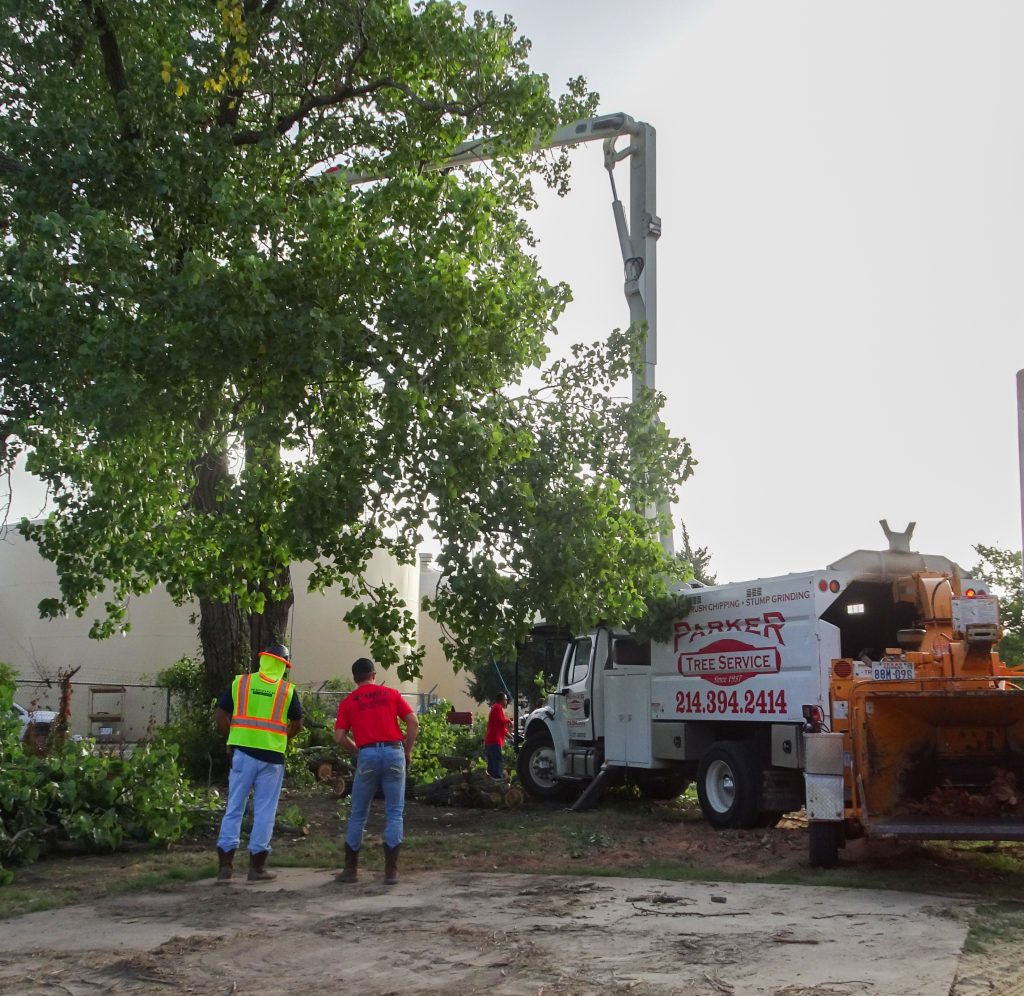
Stump Grinding Service: Turn Old Stumps Into Space
A few months after a storm, a Plano homeowner called because their front yard looked “fine,” but the walk to the driveway had become risky. The tree had been removed after the incident, yet the stump remained—high enough to trip guests and close enough to the lawn that mowing kept chewing at the edges. By summer, the stump started sprouting small shoots, and the homeowner also noticed ants and beetles moving in and out of the decaying wood.
That’s a common situation we see across North Texas: the visible problem is “handled,” but the stump is still actively affecting the property—whether by sending up new growth, attracting insects, damaging turf, or making future landscaping harder.
If you’re weighing stump grinding versus leaving it alone, this guide will help you make a smart decision based on how stumps behave in Texas conditions and what a professional grinding process actually accomplishes.
Quick Answer
Stump grinding removes the majority of a tree stump below the soil line using specialized equipment, reducing sprout regrowth, improving safety, and making space usable again. In Plano and surrounding North Texas areas, grinding is often the best next step after tree removal because it limits re-sprouting, reduces insect habitat, and prevents long-term landscape headaches. If the stump is near structures, utilities, or thick roots, hiring a professional is the safest way to avoid damage and ensure proper depth and cleanup.
Turning Stumps Into Usable Space (What Grinding Really Does)
From an arborist’s perspective, a stump is not “dead wood sitting there.” It’s a living ecosystem in slow motion—fungal decay, moisture retention, and insect activity all continue long after the tree is gone. Grinding helps in three practical ways:
1. Reduces re-sprouting
Many trees attempt to regenerate from remaining root tissue. Grinding the stump down to below the typical sprout-forming zone dramatically lowers the chance of new shoots.
2. Improves safety and landscape function
Stumps create trip hazards, interfere with mowing, and complicate planting, edging, and hardscaping. Grinding levels the site so you can actually use the area.
3. Minimizes insect and disease “staging”
Decaying wood can attract wood-boring insects and other pests. While grinding doesn’t “sterilize” the soil, it removes much of the habitat that would otherwise remain.
A firsthand observation from the field
When we grind stumps after storm removals, we often find that what looks like a “small stump” above ground has a much larger root mass below. The cut surface can hide dense, fibrous roots that hold moisture and encourage sprouts. That’s why “grinding the top” isn’t the same as proper stump grinding—depth and technique matter.
What Property Owners Often Overlook
Leaving the stump “for now”
A lot of homeowners plan to deal with the stump later, especially when the tree removal already took care of the immediate hazard. But in North Texas, heat and irrigation schedules can accelerate decay and keep the stump moist—conditions that support ongoing insect activity and fungal growth.
Thinking stump grinding is only cosmetic
Yes, it improves appearance. But the bigger benefit is functional: reducing regrowth and removing a persistent obstruction that complicates future landscaping.
Not planning for what comes next
If you’re considering replanting, adding a patio, or re-sodding, you need the site prepared correctly. Grinding and cleanup affect how well grass and soil amendments settle and how easily you can install landscape features.
Ignoring nearby roots and site constraints
Grinding too aggressively—or without equipment planning—can damage nearby structures, irrigation lines, or large roots you might want to preserve for tree health. Professionals assess the site before they start.
Common Mistakes That Increase Tree Failure Risks (and Stump Problems)
Stump grinding is often treated like a standalone task. In reality, it’s part of a bigger property safety and tree-health plan. Here are mistakes we frequently see that lead to recurring issues:
- Waiting until the stump starts sprouting
Once sprouting begins, you’re not just managing the stump—you’re managing repeated cycles of regrowth. Grinding earlier typically reduces the chance you’ll fight new shoots later.
- Assuming “close enough” cleanup is fine
Left-behind wood fragments can keep the area messy and contribute to moisture retention. Proper grinding and removal of debris helps the yard recover faster.
- Grinding without checking for utilities or irrigation
Plano properties often have underground irrigation, drainage lines, or nearby hardscapes. A professional approach accounts for these before equipment moves.
- Not addressing the tree’s health before removal
If a tree was removed due to decline, pests, or disease, the stump may be just one part of the larger problem. We’ll often recommend follow-up tree care to prevent remaining nearby trees from becoming the next target.
If your removal was due to storm damage or hazardous limbs, it may also be worth reviewing the rest of the property’s tree structure. You can explore related safety planning through emergency tree removal support if you’re still dealing with storm aftermath.
Signs a Tree May Be Hazardous
Even after a stump is ground down, the surrounding trees may still need attention—especially if the original tree removal was storm-related. Consider scheduling a professional inspection if you notice:
- Large cracks or “lean” developing in mature trees
- Dead or hollow sections in the trunk
- Widespread crown thinning or dieback
- Fungal growth near the base (not always present, but when it is, it matters)
- Root heaving, lifting sidewalks/driveways, or soil separation near the trunk
A stump can also be a clue. If a tree was removed due to structural risk, other nearby trees may have similar vulnerabilities—particularly in yards with compacted soil, drought stress, or heavy pruning history.
Seasonal Tree Care Checklist (Stump + Surrounding Tree Health)
Stump grinding is usually a one-time project, but the yard around it needs ongoing care. Here’s a practical checklist to help you stay ahead of problems in North Texas.
Spring
- Inspect for new sprouts around any recently removed tree stump.
- Check nearby trees for dead branches and early signs of stress.
- Plan mulch and soil conditioning so the area drains well.
Summer (Texas heat season)
- Avoid overwatering the stump area; consistently wet wood speeds decay and insect activity.
- Watch for wood-boring insect activity (frass, small exit holes, sudden weakness in nearby limbs).
- Keep an eye on tree canopy thinning and leaf scorch patterns.
Fall
- Remove any remaining debris and level the area so grass and landscaping don’t create “water pockets.”
- Consider pruning only where structural improvement is needed (avoid heavy cuts in late fall).
Winter
- If the property has multiple trees, schedule a risk-focused inspection before the spring growth flush and storm season.
- For remaining healthy trees, plan trimming timing to support good structure going into storms.
Pruning vs Removal: When Stump Grinding Becomes Necessary
Sometimes people ask us, “Could we have saved the tree?” The answer depends on the tree’s condition and risk level. But once a tree is removed—especially when the stump is left behind—the question becomes whether to grind.
Here’s a simple way to think about it:
| Situation | Best Next Step |
|---|---|
| Tree is hazardous and must be removed | Remove the tree, then grind the stump for safety and regrowth control |
| Tree is declining but not yet hazardous | Evaluate for pruning and tree health management first (sometimes preservation is possible) |
| Tree is removed due to disease/pest concern | Grind stump and consider follow-up tree health care for nearby trees |
If your property is dealing with ongoing canopy management, you may also want structured maintenance planning like tree pruning services near me—especially when you’re trying to reduce storm risk and avoid repeated emergency cleanups.
Our Experience Managing Stumps and Trees in Texas Conditions
North Texas landscapes are built on a mix of clay soils, frequent irrigation cycles, and rapid development. That combination can stress trees and speed up certain decay processes.
When we grind stumps in Plano, we pay attention to details that homeowners often don’t see:
- Root spread matters as much as stump height
A stump may appear small, but the root flare and lateral roots can hold moisture and keep the area biologically “active.”
- Moisture control affects regrowth and decay
Irrigation patterns around the stump can keep it damp. We help homeowners understand how to avoid overwatering the ground where the stump was.
- Storm removals create a domino effect
A tree that failed in a storm often reveals structural weaknesses. Grinding is the cleanup step, but the rest of the property may still need a structural review.
An anonymized project case (what “good grinding” looks like)
One North Texas backyard had a mature tree removed after a limb failure that damaged a fence. The homeowner wanted the space back quickly for a patio extension. We ground the stump to a consistent depth, removed debris, and leveled the area so soil and sod could be installed without dips. Within the following growing season, there were no recurring sprouts—because the root tissue driving regeneration had been addressed, not just the visible wood above ground.
Plano or North Texas Relevance: Why Stumps Become Bigger Problems Here
In a lot of Texas yards, the stump’s “issue” grows over time, not immediately. Heat and irrigation can keep decaying wood moist, and that can increase insect activity around the stump area.
Plano homeowners also tend to maintain neat front yards—so even a stump that’s “not in the way” becomes a long-term annoyance:
- it disrupts mowing patterns
- it complicates edging and walkway repairs
- it interferes with replanting or landscaping improvements
- it creates safety concerns for guests and delivery traffic
Grinding is often the most efficient way to restore usable space and reduce the chance of repeated cleanup.
Ready to Protect the Health and Safety of Your Trees?
If you’ve had a tree removed and the stump is still there—sprouting, attracting insects, or making your yard hard to use—professional stump grinding is usually the cleanest long-term solution.
To keep the rest of your landscape strong (and reduce the odds of future storm surprises), we can also help with follow-up tree care planning—especially when the original removal was tied to risk, pests, or decline. Explore related support through stump grinding assistance and get a site-specific plan for your property.
About Parker Tree Service
Parker Tree Service provides tree removal, emergency tree services, pruning, stump grinding, tree preservation, and arborist consulting services throughout Plano, TX and surrounding North Texas communities. We focus on long-term tree health, storm safety, professional arboriculture practices, and practical solutions that help homeowners and property managers maintain safer, healthier landscapes.