
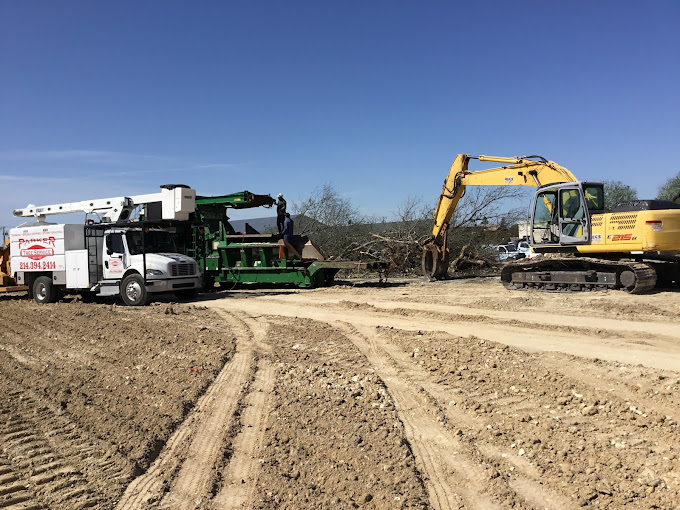
The last branch had barely hit the ground when the homeowner in Plano stepped back and frowned. The troublesome tree was finally gone, but in its place sat a rough, splintered stump like a wooden tombstone in the middle of the yard. The kids were already circling it like a makeshift balance beam, the lawnmower would never pass cleanly again, and the homeowner knew that if the stump stayed, it would sprout new shoots and attract insects. That is the moment most people realize that tree removal is only half the job; the stump is the part that quietly drains time, money, and curb appeal if it is ignored.
Stump grinding is the solution that often makes the most sense, especially when cost and convenience are priorities. Instead of digging a giant crater or waiting years for a stump to rot, grinding uses powerful, specialized equipment to chew the wood into mulch below ground level. For homeowners and property managers in Plano, TX, the question is not just whether to remove a stump, but how to do it in a way that balances budget, safety, and long-term value. That is where exploring cost-effective stump grinding options becomes essential.
Parker Tree Service works with many Plano property owners who are surprised to learn how many variables affect stump grinding cost: stump size, location, root spread, access, and even what you plan to do with the space afterward. When you understand those factors and the different strategies to manage them, you can turn an ugly, hazardous stump into a smooth, usable area without overspending. Let’s look at how stump grinding really works, which choices influence the price, and how to make sure you are getting maximum value for every dollar.
Why Stumps Are More Than An Eyesore
Most people think of stumps as simple cosmetic problems, but they have a way of becoming long-term liabilities. A stump left in the middle of a lawn can interfere with mowing, create tripping hazards, and break irrigation lines when roots shift or decay. In neighborhoods around Plano, where kids play in front yards and pets run freely, a protruding stump or root flare can cause falls and injuries that are both painful and preventable. Over time, the wood softens and becomes more unpredictable underfoot, which only increases the risk.
There is also a biological side to consider. Many tree species attempt to survive after removal by sending up new shoots from the stump and roots. These suckers can pop up all over the yard, creating a dense thicket that is costly and tedious to control. You might think the tree is gone, but your water bill and landscaping efforts say otherwise. Moreover, decaying stumps can attract termites, carpenter ants, and other insects that may eventually migrate toward fences, decks, or even your home’s structure.
From a property value perspective, stumps quietly drag down curb appeal. In a competitive real estate market like Plano, where buyers expect tidy, well-kept yards, a visible stump can send the message that maintenance has been deferred. It may not kill a sale, but it can influence how buyers perceive the overall condition of the property. Removing the stump through grinding is often a relatively small investment that helps present a clean, finished landscape, especially when combined with reseeding, new plantings, or hardscape improvements.
How Stump Grinding Works
Stump grinding is a mechanical process that uses a rotating cutting wheel with carbide teeth to chip away the wood. The machine is positioned over the stump and moved back and forth while the wheel lowers gradually, shaving the stump layer by layer. Instead of pulling the stump and roots out by force, grinding reduces them to chips that fill the hole and blend into the surrounding soil. In Plano’s clay-heavy ground, this method is often less disruptive than digging or full stump extraction.
Professional stump grinders come in different sizes and configurations. Smaller, self-propelled units can pass through standard gates and navigate tight spaces between homes or near fences. Larger, tow-behind or track-mounted grinders handle massive stumps or multiple stumps on commercial properties. A skilled operator from Parker Tree Service knows how to angle the machine to reach roots just below the surface and ensure the stump is taken down to a depth that matches your future plans for the space.
Depth of grinding is a crucial detail. For basic lawn restoration, grinding 6–8 inches below grade is often sufficient, allowing new soil and grass to establish. If you plan to plant a new tree, install a patio, or build a structure, deeper grinding may be needed to clear more of the root flare and create a stable base. Each additional inch of depth and each extension into the root zone can affect cost, but it can also prevent future headaches. Discussing your long-term goals with your stump grinding provider helps tailor the work to your needs and budget.
Cost Factors Unique To Plano Yards
Stump grinding pricing is not one-size-fits-all, and local conditions in Plano, TX, play a significant role. One of the biggest variables is stump size. A narrow, 10-inch stump from a young ornamental tree takes far less time and wear on equipment than a 40-inch oak or pecan stump that has been in place for decades. Most companies, including Parker Tree Service, base estimates on stump diameter at ground level, sometimes with a minimum charge to cover travel and setup.
Accessibility is another major cost driver. Plano neighborhoods often feature fenced backyards, narrow side yards, and sprinkler systems close to the house. If the stump is behind a fence with a narrow gate, the crew may need to use a smaller grinder, which can take longer and slightly increase labor costs. Obstacles like retaining walls, pools, air conditioning units, and landscaping beds also influence how quickly and safely the job can be done. When access is straightforward, costs come down because the work is more efficient.
Root spread and species matter as well. Certain trees common in North Texas, like live oaks and elms, develop broad, strong root systems that flare out near the surface. If you want those surface roots ground down to allow for smooth mowing or new sod, that additional grinding area will be reflected in the price. Soil conditions, particularly rocky pockets or dense, compacted clay, may slow the process and cause extra wear on the grinding teeth, which is another subtle factor that professionals consider when pricing jobs in and around Plano.
Comparing Removal Options And Hidden Costs
When people start comparing stump grinding to other methods, they often look only at the upfront price. However, the real cost picture includes time, physical effort, potential property damage, and long-term outcomes. Manual removal with picks, shovels, and axes might seem cheaper if you only consider tools, but for medium to large stumps, it can turn into days of exhausting work. You also risk damaging underground utilities or irrigation lines if you are not familiar with what lies beneath the soil.
Chemical stump removal products are sometimes marketed as low-cost alternatives. These typically involve drilling holes into the stump and applying a chemical designed to accelerate decay. In practice, this method can take months or even years to fully break down the stump, and during that time the wood can still attract pests and remain a tripping hazard. Additionally, many Plano homeowners are cautious about introducing chemicals into their soil, especially near play areas, gardens, and pets.
Full stump extraction with heavy equipment is necessary in some situations, such as construction sites that require complete root removal. Yet for most residential properties, extraction is more invasive and expensive than necessary. It can leave large holes that require backfilling, compaction, and sometimes regrading. By contrast, stump grinding focuses on the portion of the stump that affects daily use of the yard. It offers a balance: thorough enough to solve the problem, but controlled enough to preserve surrounding landscaping and keep costs reasonable.
Strategies To Make Stump Grinding More Affordable
There are practical ways to keep stump grinding costs under control without cutting corners on safety or quality. One of the simplest is to address stumps promptly after tree removal. Fresh stumps are generally easier to grind because the wood is not as hard and dry as older, seasoned stumps. When Parker Tree Service removes a tree in Plano, many homeowners choose to schedule grinding at the same time or shortly afterward, avoiding a second mobilization fee and ensuring a smoother process.
Bundling multiple stumps into a single visit is another cost-saving approach. If you have several small stumps scattered around the property, or if neighbors on your street also need stump work, combining jobs can reduce per-stump costs. The crew only has to transport equipment once, and they can move from stump to stump efficiently. This kind of coordination is especially effective in established Plano neighborhoods where multiple properties share similar tree ages and removal timelines.
Homeowners can also save by being clear about their end goals. If you simply want to mow over the area, you may not need the deepest possible grind. On the other hand, if you know you plan to install a landscape feature or plant a replacement tree, communicating that in advance allows Parker Tree Service to tailor the grinding depth and radius appropriately. Avoiding guesswork means you are not paying for unnecessary work, yet you are not underpaying for a job that will cause problems later.
What Happens After The Stump Is Ground
Once the stump is ground, you are left with a mound of wood chips mixed with soil. This byproduct is not waste; it is a resource. Many Plano homeowners choose to spread the chips as mulch in planting beds, around shrubs, or in natural areas to help retain moisture and suppress weeds. Others prefer to have some chips removed and replaced with topsoil to create a smooth, level surface for new grass. Discussing chip removal or redistribution ahead of time ensures the final result matches your expectations.
Settling is an important consideration after grinding. Because the chips are loosely packed, the ground may sink slightly over the following weeks or months as the material decomposes and compacts. A cost-effective strategy is to overfill the cavity slightly and then top it off with soil after the initial settling period. This staged approach avoids repeated visits and allows you to monitor the area as it stabilizes, especially in Plano’s changing weather patterns with heavy rains and hot, dry periods.
With the stump gone, the area becomes a blank slate. Some property owners immediately reseed with turfgrass to blend the spot into the existing lawn. Others see it as a chance to upgrade the landscape with a flower bed, stone feature, or even a new, better-placed tree. If the original tree was removed because of disease or structural issues, consulting with Parker Tree Service about species selection and placement can help you avoid repeating the same problems. Thoughtful planning turns the cost of stump grinding into an investment in a healthier, more functional yard.
Working With A Professional Local Service
Choosing a professional stump grinding provider in Plano is about more than just who offers the lowest estimate. Safety, equipment quality, insurance coverage, and local experience all contribute to true cost-effectiveness. Stump grinding machines are powerful and potentially dangerous if operated incorrectly. A reputable company like Parker Tree Service ensures operators are trained, follow safety protocols, and understand how to protect nearby structures, utilities, and landscaping while working.
Local experience matters because Plano’s neighborhoods vary widely. Some have dense utility corridors, others feature mature shade trees with extensive roots, and newer developments may have sprinkler systems running close to property lines. An experienced crew knows when to recommend calling in utility locates, how to position equipment on slopes or near foundations, and how to minimize disturbance to surrounding turf. These details prevent hidden costs like broken irrigation, damaged fences, or soil erosion.
Finally, integrating stump grinding with other tree care services can create additional value. If you are already scheduling tree pruning, removal, or even a service like Tree Removal Service, asking about stump grinding at the same time can reduce total project costs. A single, coordinated plan means fewer visits, less disruption, and a more cohesive outcome for your property. This big-picture approach is often where the real savings appear, even if the line-item cost of grinding seems similar across providers.
Frequently Asked Questions
How much does stump grinding typically cost in Plano, TX? Stump grinding costs in Plano vary widely based on diameter, access, and root spread, but many residential jobs fall into a predictable range. Smaller stumps may be priced at a flat minimum to cover travel and setup, while larger stumps are usually charged per inch of diameter at ground level. Additional factors like grinding surface roots or going to extra depth can add to the total. The most accurate way to understand your cost is to have Parker Tree Service assess the stump on-site or via clear photos and measurements so you can receive a detailed, transparent estimate before any work begins.
Is stump grinding better than full stump removal? For most residential and light commercial properties, stump grinding is the more cost-effective and practical choice. It eliminates the visible stump and shallow roots that interfere with mowing and landscaping, without creating a large excavation that needs extensive backfilling. Full stump removal is sometimes required for foundations or certain construction projects, but it is more invasive, can damage nearby features, and tends to be more expensive. In typical Plano yards, grinding provides a cleaner, quicker solution that balances cost, safety, and landscape preservation.
Can I rent a stump grinder and do it myself? While DIY stump grinder rentals are available, they are usually smaller, less powerful machines than those used by professionals. For small, easily accessible stumps, a confident homeowner might manage the task. However, there are important risks: flying debris, potential contact with underground utilities, machine rollovers on slopes, and damage to nearby structures or irrigation systems. In many cases, the combined cost of rental, safety gear, and your time comes close to or exceeds a professional’s fee, especially when Parker Tree Service can complete the job quickly and safely with commercial-grade equipment.
How deep should a stump be ground? The ideal grinding depth depends on how you plan to use the area afterward. For simple lawn restoration, grinding 6–8 inches below the surface is often sufficient to allow for soil and grass to establish. If you want to plant a new tree in the same spot, install a garden bed, or build a patio, you may need deeper grinding and a broader radius to remove more of the root flare. During an evaluation, Parker Tree Service will ask about your long-term plans and recommend an appropriate depth so you do not pay for unnecessary work or end up with a partially obstructed site later.
Will the stump or roots grow back after grinding? When stump grinding is done correctly, the main stump and upper root flare are removed to a level that prevents regrowth in most tree species. In some vigorous species, a few small shoots may emerge from remaining roots, but these are typically weak and can be easily controlled with regular mowing or trimming. Over time, the remaining roots decompose naturally underground. By removing the core of the stump and depriving it of the ability to photosynthesize, grinding effectively ends the tree’s life cycle while leaving your yard ready for new, intentional plantings.