
Tree Pruning Costs Explained: Pricing and Value
If you are seeing overgrowth, dead branches, or branches rubbing a roof line in Dallas, TX, you probably want a clear sense of what drives tree pruning costs and what “good value” looks like. This guide walks you through the factors that affect pricing, how to compare quotes, and what to ask before work begins.
Last summer, a homeowner in Dallas noticed their oak and crepe myrtle were getting thicker every month. By fall, there were dead-looking twigs, branches brushing the driveway, and leaves piling up against the siding after storms. The question quickly turned into something more practical: what does tree pruning actually cost, and how do you know you are paying for the right work, not just cutting whatever is reachable?
This guide helps you understand what typically influences Tree Pruning Service pricing in the Dallas area, what to check on your property before requesting Tree Pruning Near Me quotes, and how professional trimming supports tree health care rather than just appearance. You will also see common mistakes that can lead to extra work later.
- Quick answer
- What to check first
- Main things customers should understand
- Why this matters in Dallas, TX
- Common mistakes to avoid
- Customer checklist
- Frequently asked questions
Quick Answer
Tree pruning costs are usually based on how much work is required, not just the tree’s “size.” Contractors consider access (how close equipment can get), the amount of deadwood to remove, whether the pruning is shaping or risk-focused, and whether the work is part of a broader plan like soil conditioning or tree health care. For the best value, ask for a clear scope tied to visible conditions (dead branches, clearance needs, crowding, or suspected Tree Disease Treatment). Then compare quotes on the same pruning goals, not just the total number.
What to Check First
Before you request Tree Pruning Services Near Me pricing, spend a few minutes walking your property with a notebook. Note where branches touch or threaten structures, where limbs overhang walkways, and which areas look thin, dead, or unusually sparse. If you see fruiting bodies, heavy webbing, or repeated dieback in the same spots, mention it in your initial call, since that may point to Tree Insect Treatment or Tree Disease Treatment needs rather than routine trimming.
1) Clearance and contact points
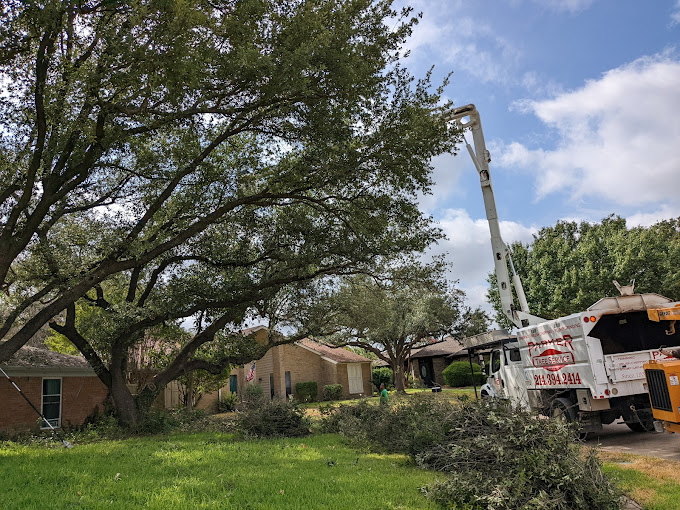
Look for branches near roofs, gutters, fences, driveways, and windows. Measure rough distances if you can.
2) Deadwood and crossing limbs
Dead branches, rubbing limbs, and crowded interiors often increase the time required for proper cuts.
3) Tree stress signals
Uneven leafing, cankers, or persistent dieback can change the pruning plan and may overlap with Tree Pest Control.
Main Things Customers Should Understand
When you ask about Tree Pruning costs, it helps to think in terms of “work scope.” In Dallas and the DFW suburbs, properties often include mature shade trees, established landscaping, and older homes with tight yards. That means access and safety planning can matter as much as the pruning itself. A reputable Tree Care Services provider will typically plan around the tree’s structure, your clearance goals, and any signs of decline.
Professional observation: The most common reason pruning takes longer than expected is not the number of branches you can see from the ground. It is the hidden interior work: removing deadwood, correcting crowding, and shaping for airflow so the tree can recover instead of just looking trimmed for a week.
| Pruning goal | What it usually includes | Why it affects cost |
|---|---|---|
| Tree shaping | Selective cuts to guide growth and improve form | More planning for crown balance and fewer “quick” cuts |
| Tree crown thinning | Removing select small branches to improve airflow | Time spent distributing cuts evenly across the canopy |
| Crown reduction | Lowering branch spread or height while preserving structure | Higher-risk cuts and careful removal to avoid damage |
| Risk-focused pruning | Dead tree removal of branches, clearance work, and hazard mitigation | Safety planning and sometimes coordination with related services |
| Tree health care overlap | Pruning that supports Tree Disease Treatment or Tree Insect Treatment | Additional inspection steps and more targeted removal |
If you are comparing options, make sure you are comparing similar goals. For example, one proposal may focus on aesthetics and light trimming, while another includes deadwood removal plus clearance around a roofline. Those are different scopes, even if they both get described as “pruning.” If your property also needs broader work, it is often more efficient to address it in the same visit, such as pairing pruning with stump grinding service when a tree is already being removed.
Why This Matters in Dallas, TX
In Dallas, seasonal storms can increase the amount of corrective pruning homeowners need. After wind events, it is common to find broken tips, branches that shifted closer to structures, and limbs that begin rubbing as they settle. That is why many Tree Risk Assessment conversations start with what changed after the storm, not just what the tree looked like before.
Local guidance: If you are scheduling pruning around the same time you notice storm damage or new pest activity, mention it. That helps keep the pruning plan aligned with tree mitigation needs, whether it is Storm Damage Tree Service follow-up or a focused look at suspected Wood Borers Treatment and Tree Borer Control.
Common Mistakes to Avoid
Homeowners often lose value when pruning is treated like a one-time “cleanup.” The most expensive problems usually come from doing the wrong cuts, removing too much, or waiting until decline is advanced. Pruning is meant to guide growth and reduce risk, not to strip a tree back without a plan.
- Only trimming what is easiest to reach and ignoring interior deadwood or crossing branches.
- Choosing pruning based on the lowest total without confirming the scope matches your clearance and health goals.
- Pruning immediately after storm damage without assessing whether additional work is needed for fallen tree removal or further risk.
- Assuming all problems are “just overgrowth” when symptoms may overlap with Tree Disease Treatment, Tree Pest Control, or Wood Borer Treatment.
- Forgetting the root and soil context when the tree is struggling, since Soil Conditioning and Tree Fertilization Service may be part of a longer-term plan.
Customer Checklist
Use this checklist when you are ready to talk with a Tree Pruning Service provider. It is designed to help you communicate your goals clearly and get comparisons that make sense, especially if you are in Dallas, Plano, or other DFW suburbs.
- Identify your primary goal: clearance for structures, shaping, thinning, crown reduction, or risk-focused pruning.
- Point out visible issues: dead branches, rubbing limbs, dieback spots, or areas affected after storms.
- Confirm access constraints: tight gates, overhead obstructions, slopes, or landscaping that affects equipment placement.
- Ask how the pruning plan supports tree health care: airflow, structure preservation, and targeted removal.
- Clarify whether related work is needed: Tree Surveys, soil conditioning, Deep Root Fertilization, or stump grinding service.
Need a pruning plan you can compare?
Tell Parker Tree Service what you are seeing at your Dallas, TX property. We can help you sort out whether your situation calls for routine Tree Pruning, risk-focused pruning, or related services.
Contact Parker Tree ServiceRepresentative scenario: pruning after storm movement
A homeowner in the Dallas area had a mature tree that looked fine before a strong wind event. After the storm, they noticed a few broken tips and a new gap where branches used to be. When they requested Tree Trimming Services Near Me, they were surprised that the quote emphasized assessment and targeted cuts. The reason was simple: storm movement can change branch angles, which affects clearance and risk. With a clear scope, pruning focused on restoring structure and removing deadwood rather than just trimming the outer edges.
Frequently Asked Questions
What affects Tree Pruning costs the most?
In most Dallas-area yards, the biggest cost drivers are the pruning scope and the access needed to do it safely. If the job includes removing deadwood, correcting crossing limbs, or performing crown reduction for clearance, it generally takes more planning and time than light shaping. Also, tight spaces, overhead obstructions, and how much of the canopy needs targeted cuts can increase the work involved. The best approach is to compare quotes by the goals you want met, not by the label “pruning.”
Is pruning always the right solution, or do I need Tree Removal Service?
Pruning is often used to improve structure, airflow, and clearance, but some situations require more than trimming. If a tree is heavily compromised, has significant dead sections, or creates a hazardous condition that pruning cannot address safely, a Tree Removal Service may be recommended. That is why a Tree Risk Assessment or inspection can matter. If you are also dealing with Fallen Tree Removal after storms, your plan may include Emergency Tree Service coordination before any longer-term work.
How do I know if my tree issue is disease or pests?
Symptoms that go beyond simple overgrowth can include repeated dieback in specific areas, unusual thinning, webbing, or signs that suggest Tree Insect Treatment. If you suspect Wood Borers Treatment or Tree Borer Control, it is especially important to bring those observations up during scheduling. A practical starting point is to point out where symptoms first appeared and whether they are spreading. That helps a professional decide whether pruning should be paired with Deep Root Fertilization, soil conditioning, or other Tree Health Care steps.
Can pruning help with tree health care, or is it only cosmetic?
Good pruning supports tree health care. When done correctly, it can remove deadwood, reduce crowding, improve airflow, and preserve structure so a tree can recover. That is different from trimming only the outer “surface” of the canopy. For homeowners in Dallas, this is also connected to practical needs like keeping branches away from roofs and walkways after seasonal storms. If your goal includes Tree Fertilization Service or Tree Fertilization Service-style support, ask whether your pruning plan should align with Deep Root Fertilization or soil conditioning.
Should I schedule emergency pruning after storm damage?
If you have branches that are hanging, broken, or leaning in a way that threatens people or property, your first step is to address the safety situation. In those cases, Emergency Tree Removal or Emergency Tree Service may be the right starting point before standard Tree Pruning. If the damage is limited to a few dead tips, a professional can still assess whether pruning can address the risk. The key is to avoid waiting until conditions worsen, especially when branches are near structures or walkways.
Get clarity on Tree Pruning Near Me pricing
If you are in Dallas, TX or the DFW suburbs (including Plano), Parker Tree Service can help you match your pruning goals to the right scope of work. That is the best way to protect your property and avoid paying for cuts that do not solve the real issue.
(214) 394-2414
About Parker Tree Service
Parker Tree Service provides Tree Pruning Service, Professional Tree Trimming, and related tree care services for homeowners and businesses across Dallas, TX and nearby DFW suburbs like Plano. Depending on what your property needs, work may include pruning and trimming, storm damage tree service support, emergency tree removal, stump grinding and stump removal, and tree health care options such as Deep Root Fertilization.
You can explore our services here: tree pruning and trimming, emergency tree removal services, stump grinding service, and deep root fertilization.