
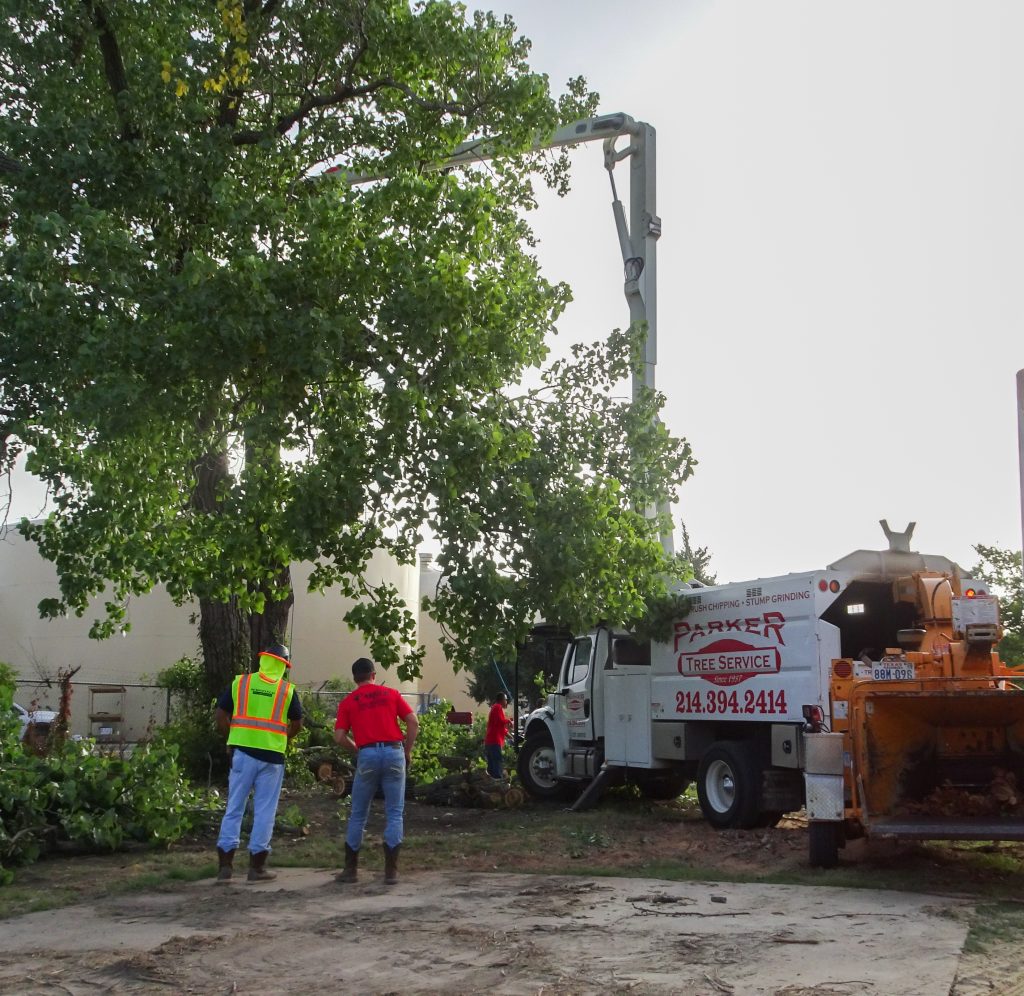
Stump Grinding for Cleaner Edges and Better Curb Appeal
A beautifully landscaped property in Plano can lose a lot of its charm because of one thing: an ugly, leftover tree stump. Realtors across North Texas will tell you that buyers often form an opinion before they ever walk through the front door—and the first thing they see is your curb appeal. According to the National Association of Realtors, well-maintained landscaping can add up to 10–15% to a property’s value, while neglected yards and visible hazards can have the opposite effect.
Stumps don’t just look rough around the edges. They attract pests, create tripping hazards, complicate mowing, and can even interfere with foundations and underground utilities over time. For business owners and homeowners in Plano, where competition for clean, attractive properties is high, those rough edges can cost real money.
This guide walks through how professional stump grinding improves curb appeal, safety, and long-term property health. You’ll see how the process works, what to expect in Plano’s soil and climate, when to choose grinding vs. full removal, and how stump work fits into broader tree care and landscape planning.
Key Insight: Professional stump grinding removes more than a visual eyesore—it opens up usable space, prevents future problems, and supports a healthier, more attractive landscape that boosts both safety and property value.
Why Stumps Hurt Your Curb Appeal More Than You Think
The visual impact of a stump is immediate. A freshly cut tree with a raw, protruding stump sends a message of “unfinished” or “mid-project,” especially in well-kept Plano neighborhoods or commercial districts along Preston Road and US-75. But the real cost of leaving a stump goes beyond looks.
Stumps:
- Interrupt clean lawn edges and planting beds
- Make mowing and edging tedious and time-consuming
- Become focal points for weeds, fungi, and insect activity
- Signal deferred maintenance to clients, tenants, or buyers
A Plano homeowner near Legacy West recently called after noticing their front yard “just never looked polished” after a large oak was removed. The stump was low and partially hidden by grass, but it created a lumpy, uneven area that caught clippings and weeds. After a Stump Grinding visit and some light regrading, the same yard suddenly looked intentional and manicured—without adding any new plants.
“Stumps are like unfinished sentences in your landscape. Your eye keeps going back to them because the story isn’t complete.” — ISA Certified Arborist, North Texas
For commercial properties, that unfinished story can affect brand impression. A medical office off Coit Road that had removed several storm-damaged trees still had visible stumps along the parking lot. Patients had to walk around them, and the area collected litter. After grinding the stumps and re-mulching the beds, the space felt clean and professional, matching the standard of care inside the building.
CALLOUT: If your lawn looks “messy” despite routine maintenance, hidden or low-cut stumps may be the reason your edges never look crisp.
How Professional Stump Grinding Works (And Why It Matters in Plano)
Stump grinding uses a specialized machine with a rotating cutting wheel to systematically chip away the stump and surface roots. Instead of pulling the entire root system out of the ground, grinding focuses on removing the visible and near-surface portions, typically 4–12 inches below grade, depending on your goals.
The Basic Process
- Assessment – A technician inspects the stump, surrounding roots, and nearby structures or utilities. Plano’s dense neighborhoods and irrigation-heavy yards make this step critical.
- Marking utilities – Public utilities should be marked before grinding. Sprinkler lines and drainage systems are also identified to avoid damage.
- Grinding – The machine is positioned for access and safety, and the stump is ground down in layers, creating a pile of wood chips and soil.
- Backfilling – The resulting mulch is either spread back into the hole, hauled away, or supplemented with topsoil to prepare for sod or planting.
Plano’s clay-heavy soils and frequent irrigation add complexity. Stumps left in moist clay can decay more slowly and become breeding grounds for pests like termites and carpenter ants. That’s why a professional approach is especially important in our area.
A recent job in a Plano cul-de-sac involved three large pecan stumps, close to a driveway and an underground drain line. DIY removal risked cracking concrete or rupturing the drain. A trained crew used a compact grinder, worked in stages, and left enough root structure under the drive to avoid shifting, while still removing enough wood to level and re-sod the area.
For properties where trees were removed due to disease or storm failure, grinding often pairs with Tree Removal or Emergency Tree Removal, allowing you to cleanly finish the job instead of leaving a reminder of the damage.
Stump Grinding vs. Full Stump Removal: Which Is Better for Your Property?
Property owners often ask whether they should grind or completely excavate a stump. Both have their place, but for most Plano homes and businesses, grinding offers the best balance of cost, speed, and minimal disruption.
Comparing Approaches
Here’s a simple side-by-side view of typical options in Plano:
| Factor | Stump Grinding | Full Stump Removal |
|---|---|---|
| Typical Cost (Plano range) | Lower | Higher (equipment + labor) |
| Yard/landscape disruption | Minimal to moderate | High (large holes, heavy equipment) |
| Time on site | Short (hours) | Longer (half day or more) |
| Root system | Roots left to naturally decay | More roots excavated or pulled |
| Best for | Lawns, beds, near structures, utilities | New construction, major regrading |
| Impact on curb appeal | Immediate improvement | Immediate improvement |
Most residential and small commercial clients choose grinding because it:
- Preserves surrounding turf and hardscapes
- Avoids large holes and extensive backfill
- Can navigate tight Plano side yards and alleys
A Plano investor renovating a rental property near Collin College wanted fast turnaround with minimum disturbance. Full removal of two large Bradford pear stumps would have required a skid steer and major fence access. Instead, a compact grinder accessed the backyard through a gate, completed the work in one afternoon, and the yard was ready for new sod within days.
Full removal can be a smart choice during new construction, major grading projects, or extensive Tree Removal Service for lot clearing, where heavy equipment is already on-site. For finished neighborhoods and operating businesses, though, grinding usually offers the cleaner, more practical solution.
“On an established property, the goal is to erase the stump, not your landscaping.” — Senior Crew Leader, Parker Tree Service
Safety, Pests, and Hidden Risks of Ignoring Old Stumps
A stump may seem harmless once the tree is gone, but it can quietly create safety, pest, and maintenance issues—especially in a busy community like Plano with kids, pets, and customers constantly moving through outdoor spaces.
Safety and Liability
Uneven surfaces around stumps are prime tripping hazards. Grass often grows taller over remaining roots, hiding raised areas. For businesses, that’s a liability concern. One Plano office park had several low stumps in a shared green strip. After a visitor tripped and twisted an ankle, property management brought in a crew to grind every remaining stump flush with grade to reduce future risk.
Pest and Disease Problems
Decaying stumps attract:
- Termites and carpenter ants
- Wood-boring beetles
- Fungi and decay organisms
In North Texas, those pests don’t always stay put. They can migrate to fences, decks, or even homes and commercial structures. If the original tree died from disease, leaving the stump in place can also allow pathogens to linger in the soil.
That’s where broader tree health and Deep Root Fertilization or Tree Disease Treatment strategies come in. A Plano homeowner whose red oak succumbed to root rot chose to have the stump thoroughly ground and the surrounding soil evaluated. Adjusting watering habits and improving soil structure helped protect adjacent trees from suffering the same fate.
Removing the visible reminder of a dead or hazardous tree also has a psychological benefit. After severe storms, Plano residents using Emergency Tree Service often feel more “back to normal” once the stump is gone and the yard is level and safe again.
From Stump to Showcase: Preparing the Area for New Landscaping
Grinding the stump is only part of the transformation. What you do with that space afterward is where curb appeal really jumps. Proper site preparation ensures the area doesn’t settle, sink, or turn patchy in the months after the work.
Steps to a Clean Finish
After stump grinding, a professional crew typically:
- Removes or redistributes grindings to appropriate depth
- Backfills with topsoil if the goal is a level turf area
- Rakes and lightly compacts the soil to reduce future settling
- Advises on timing for sod, seed, or planting
A Plano couple in a west Plano subdivision wanted to replace a storm-damaged live oak with a new ornamental tree closer to the street. After the stump was ground, the crew hauled most of the chips away (to avoid a thick, woody layer) and brought in quality topsoil. Within a week, a new crepe myrtle and fresh sod were installed, and their front yard regained its symmetry and color.
“Think of stump grinding as step one. Step two is designing how that reclaimed space will enhance your landscape.” — Landscape Designer, Collin County
Stump grinding also pairs well with other services:
- Professional Tree Trimming to reshape remaining trees for balance
- Soil Conditioning or Tree Root Care to improve compacted Plano clay
- Tree Planting or Tree Transplanting to introduce better-suited species
By planning ahead, you can turn a problem spot into a focal point—whether that’s a new shade tree, a low-maintenance bed, or a clean sweep of turf that makes mowing simpler.
Integrating Stump Grinding into a Complete Tree Care Strategy
A clean, stump-free yard is a strong start, but the best results come when stump grinding fits into a broader plan for your trees and landscape. That’s where working with an ISA Certified Arborist and a full-service tree company makes a difference.
Big-Picture Planning
A thoughtful tree care strategy often includes:
- Tree Risk Assessment and Tree Inspection of remaining trees
- Tree Pruning and Tree Crown Reduction to reduce future failures
- Tree Fertilization Service and Deep Root Fertilization to support stressed trees
- Tree Preservation Services and Tree Mitigation for development or renovation projects
A Plano HOA near Spring Creek Parkway recently completed a multi-year tree plan. They started with a Tree Survey to identify dead or hazardous trees, then coordinated Dead Tree Removal and Hazardous Tree Removal. Each removal included grinding the stump to prevent trip hazards in common areas. The final step involved selective planting and Tree Maintenance Services to keep new and existing trees healthy.
Leveraging Arborist Services ensures your decisions today don’t create problems tomorrow. An experienced arborist can advise where to remove, where to preserve, and how to balance shade, root zones, and structures—especially important in Plano, where roots and foundations sometimes compete for space.
What This Means for Businesses in Plano, TX
For businesses in Plano—from medical offices near Texas Health Plano to retail centers along Spring Creek Parkway—first impressions are business assets. Clients, patients, and customers notice how your property looks and how safe it feels the moment they step out of their vehicles.
Stumps in high-traffic areas, parking medians, or near walkways:
- Make mowing and maintenance more time-consuming (and costly)
- Create potential trip-and-fall risks for visitors
- Collect trash, weeds, and standing water
- Send a subtle signal of deferred maintenance
By incorporating Affordable Stump Removal into your property plan, you:
- Help your landscape contractor maintain cleaner edges and lines
- Open space for fresh plantings that enhance your brand image
- Support compliance with safety and accessibility expectations
- Improve visibility for signage and lighting
A Plano restaurant off Parker Road had several stumps left from previous tree removals in the parking lot islands. The owner noticed staff avoided those areas when mowing, leading to tall, scruffy patches of grass and weeds that guests saw as they parked. After a stump grinding crew leveled the islands, the landscaper could mow and edge them cleanly, and low shrubs were added for color. The small investment returned in the form of a more welcoming, “cared-for” appearance.
In a competitive local market, businesses that maintain tidy, hazard-free landscapes stand out. Paired with ongoing Tree Trimming Services Near Me and occasional Tree Consultation, stump grinding helps keep your property looking intentional, not improvised.
Frequently Asked Questions
Q: How long should I wait to grind a stump after tree removal?
A: In Plano’s climate, you don’t need to wait long at all. Many property owners schedule Stump Removal at the same time as their Tree Removal to avoid living with a stump. Grinding can be done immediately after the tree is taken down, as long as the area is accessible and utilities are marked. Waiting months or years only increases the risk of pests, trip hazards, and regrowth from certain species. If your tree was removed after severe weather using Emergency Tree Service, grinding as part of the clean-up helps your property recover visually and functionally much faster.
Q: Will stump grinding damage my lawn, sprinklers, or nearby hardscape?
A: A professional crew takes steps to protect your property. Before grinding, they assess for sprinkler heads, shallow irrigation lines, and nearby concrete or stonework. Compact stump grinders can maneuver through typical Plano yards with minimal turf impact. Some surface disturbance is inevitable around the stump, but it’s usually limited to a small work zone that can be re-sodded or reseeded. Communicate where your sprinkler valves and lines run, and consider having your irrigation map handy. When done correctly, stump grinding should improve your lawn’s usability, not damage it.
Q: Can I plant a new tree where the old stump was?
A: Sometimes, but not always in the exact same spot. After grinding, the soil is mixed with wood chips and the old root system still occupies space underground. Planting a new tree a few feet away from the original location often leads to better root development and stability. In Plano’s clay soils, it’s especially important to provide a clean planting hole with good backfill. An ISA Arborist Near Me can recommend ideal spacing, species, and orientation, and may suggest Tree Root Care or Soil Conditioning if the area was heavily compacted. Many homeowners successfully replant nearby and use the old stump spot as turf or a bed.
Q: Does stump grinding remove the risk of termites and other pests completely?
A: Grinding greatly reduces the amount of decaying wood above and near the surface, which lowers the attractiveness of the site for pests like termites and wood borers. However, some deeper roots remain and will naturally decay over time. In most Plano residential situations, this isn’t a problem, especially if the stump wasn’t already heavily infested. If your property has a history of termite activity or if the removed tree had visible Wood Borers Treatment or Webworms Treatment issues, talk with your provider about Tree Borer Control or Tree Pest Control options. Good yard hygiene and proper moisture management further reduce pest risks.
Q: How much does stump grinding typically cost in Plano?
A: Costs vary based on stump size, species, location, and access. Small, easily accessed stumps are on the lower end, while large hardwood stumps close to structures or fences take more time and specialized equipment. Most Plano homeowners find grinding to be a cost-effective alternative to full excavation, especially when factoring in reduced lawn repair. Many companies offer Affordable Stump Removal pricing when combined with other Tree Care Services such as Tree Pruning Service or Deep Root Fertilization. An on-site estimate is the best way to get accurate pricing for your specific property.
Q: Do I need an arborist if I’m only removing a stump?
A: While stump grinding itself is a mechanical process, involving a Certified Arborist can be very helpful, especially if the tree was removed for health or safety reasons. An arborist can evaluate surrounding trees, identify any Tree Health Care concerns, and help you decide whether additional Tree Disease Treatment, Wood Borers Treatment, or Tree Fertilization Service is appropriate. For commercial properties, Arborist Services like Tree Risk Assessment or Tree Mitigation may be required for compliance or development permits in Plano. Even for a single stump, a quick Tree Consultation can prevent future issues.
Q: What happens to the wood chips after grinding?
A: Stump grinding produces a mix of wood chips and soil. You can leave the material in place to settle, have it partially removed, or have it fully hauled away. Many Plano homeowners choose to keep some chips as mulch in beds, but it’s best not to leave a very thick layer where you plan to grow turf. For a clean, ready-to-plant finish, crews often remove excess chips and bring in topsoil. Discuss your plans—whether that’s new sod, a planting bed, or simply a level lawn—with your provider so they can manage the debris accordingly.
Ready to Get Started?
Stumps rarely get better with time. In Plano’s active neighborhoods and busy commercial areas, they only become more of a visual and practical headache the longer they stay. Addressing them now means cleaner lines, safer walkways, and more space for the trees and landscaping you actually want to showcase.
Seasonal timing also matters. Grinding stumps before peak growing months gives you the chance to re-sod, replant, or refresh beds so they look established by the time summer heat or holiday traffic arrives. Crews can book up quickly, especially after storms, so planning ahead ensures your project fits your schedule rather than waiting in line during peak demand.
Whether you’re finishing a recent Tree Removal, cleaning up after Storm Damage Tree Service, or finally tackling that old stump that’s been bothering you for years, the next step is simple: schedule a visit, review your options, and decide how you want that reclaimed space to work for you.
A quick on-site evaluation can turn an eyesore into an asset—and help your property look as polished and welcoming as you intend it to be.
About Parker Tree Service
Parker Tree Service is a locally rooted tree care company serving Plano, TX and the surrounding North Texas communities. With years of experience in Residential Tree Service and Commercial Tree Service, our team, including ISA Certified Arborists, provides everything from precise pruning and safe removals to expert Stump Grinding Service and Deep Root Fertilization. We focus on safety, long-term tree health, and clean, professional results that enhance your curb appeal and protect your investment. Learn more about our services and history at our website.