
Stump Grinding Help: Clearing Ugly Yard Stumps Safely
If a removed tree left a stump behind, it can turn your Dallas, TX yard into an eyesore and a trip hazard. This guide explains what to check before stump grinding, what “safe” clearing really means, and how to choose a practical approach for residential and commercial properties across Dallas and the DFW suburbs.
A stump that looked “temporary” after a tree removal can become permanent fast. In Dallas, TX, it is common to see homeowners and property managers dealing with stumps left in driveways, along fence lines, or near landscaped beds where mowing and maintenance keep getting interrupted. Over time, the stump can also attract pests and create a cluttered look, especially when spring yard work ramps up.
If you are deciding between tackling it yourself and hiring help, you probably want to know what is risky, what is actually effective, and what questions to ask before anyone starts grinding. This guide walks you through the key checks, common mistakes, and a clear customer checklist you can use right away.
- Quick answer
- What to check first
- Main things customers should understand
- Why this matters in Dallas, TX
- Common mistakes to avoid
- Customer checklist
- Frequently asked questions
Quick Answer
Stump grinding is usually the fastest way to remove an ugly stump and reduce the chance of it interfering with mowing, landscaping, and walkway access. Before grinding, confirm access for equipment, check for underground utilities and nearby structures, and decide how low you want the stump ground for your next steps (mulch bed, replanting, or rebuilding ground cover). For most Dallas, TX properties, hiring a professional tree service is the practical option because it helps ensure the area is handled safely and the stump is cleared in a way that supports future yard work. If the stump is near hazards, get help sooner rather than later.
What to Check First
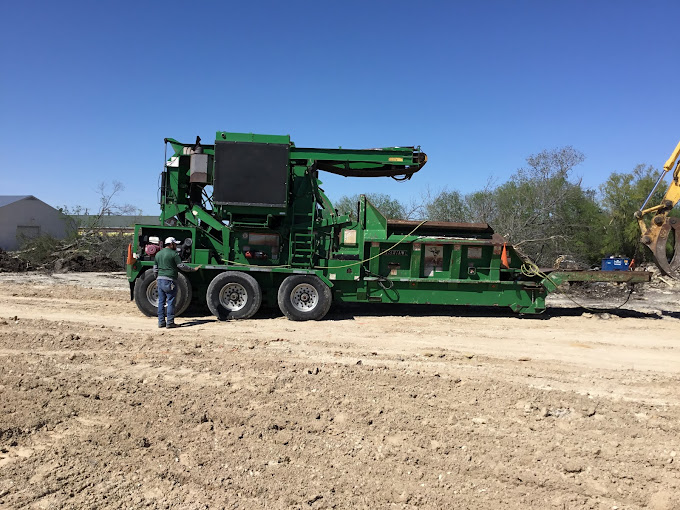
Before anyone grinds, take a quick walk-through of the stump and the surrounding area. That includes where the stump sits relative to sidewalks, fences, retaining walls, irrigation lines, and any nearby hardscape. Stumps in tight corners or under overhanging branches require a plan for safe equipment positioning and controlled grinding so you do not end up with property damage or an unfinished “half-cleared” result.
Access and workspace
Can equipment reach the stump without hitting landscaping edges, gates, or vehicles? If you have narrow side yards in Dallas and DFW suburbs, access planning matters.
Depth and ground goals
Do you want the stump ground for stump removal, or just surface-level cleanup? Your next step (mulch, re-seeding, or planting) influences how low to grind.
Nearby trees and roots
Roots can extend farther than the stump’s visible diameter. Knowing what is nearby helps protect tree health care plans and reduce repeated maintenance.
If the stump was left after a tree removal, it is also worth thinking about the bigger tree care picture. For example, if you suspect the remaining tree(s) have stress from pests or disease, you may want to pair stump grinding with a broader tree health assessment. This is especially useful if you are noticing leaf issues, weak growth, or dead branches.
Professional observation: Stump grinding is not only about making the stump disappear. A clean job supports safer foot traffic, easier lawn care, and a yard layout that looks intentional again.
Main Things Customers Should Understand
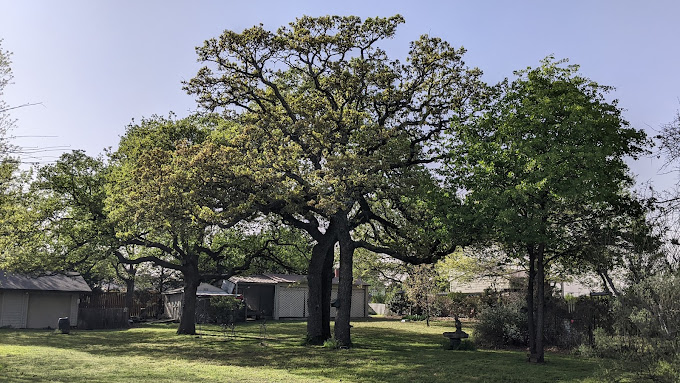
In Dallas, TX, yards often mix mature trees with newer landscaping, hardscapes, and irrigation. That means stump work is not one-size-fits-all. A stump can be surrounded by roots that impact nearby plants, and the grinding process can expose fresh soil that needs to be handled so your yard does not turn into a maintenance problem later.
| Situation you might have | What to prioritize | Why it matters for your property |
|---|---|---|
| Stump is in a lawn area | Grinding depth for mowing and re-seeding | Helps prevent future “catch points” for mower blades and keeps the area visually clean. |
| Stump is near a fence or walkway | Controlled equipment placement | Reduces the risk of damage to borders, edging, and nearby structures. |
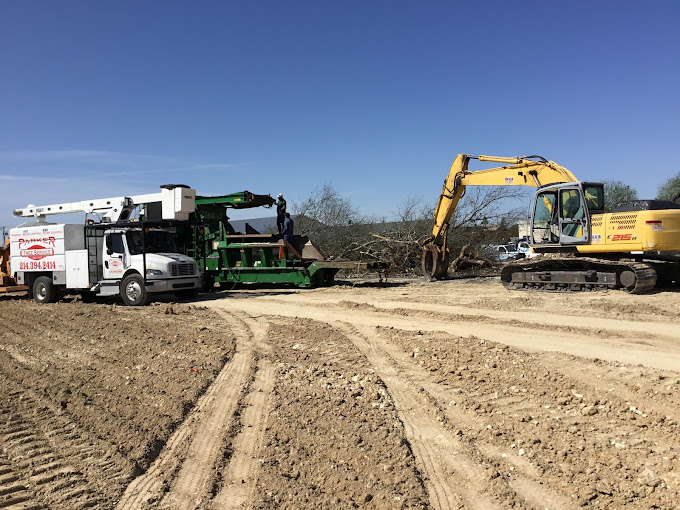
| Stump is part of a larger lot clearing | Sequencing with brush clearing or land clearing | Helps keep the work area manageable and supports a consistent final grade and finish. |
| Stump is from a tree that showed decline | Tree health care awareness | Grinding the stump may help, but it should not replace attention to tree disease treatment or tree pest control for remaining trees. |
One firsthand-style detail property owners often do not expect: the “stump size” you see above ground can be smaller than the root mass that needs attention. When grinding, the material you remove is not just the visible wood. That is why a professional approach that accounts for root spread and surrounding conditions is usually more reliable than a quick DIY attempt.
Why This Matters in Dallas, TX
In Dallas, TX and the DFW suburbs, many residential lots include established trees, older landscaping beds, and hardscapes that are close together. That layout can make stump grinding tricky because you may need careful control to avoid chipping edging, disturbing nearby roots, or leaving rough surfaces that catch debris. If you are planning a refresh after a tree removal, stump grinding done with your yard’s next steps in mind helps your property look finished instead of “in progress.”
Need safe stump grinding support?
If your stump is near landscaping, walkways, or other structures, Parker Tree Service can help you plan the most practical approach for clearing ugly yard stumps in Dallas, TX and nearby DFW suburbs.
Request Stump Grinding ServiceCommon Mistakes to Avoid
Homeowners sometimes underestimate how much planning stump grinding requires. The result can be a yard that looks worse after the attempt, or a job that leaves the stump too high for easy mowing and maintenance. Avoid these common pitfalls to protect your property and your time.
- Grinding too shallow and then discovering the stump still interferes with mowing or landscaping.
- Ignoring nearby hazards like fence posts, retaining edges, sidewalks, and driveway surfaces.
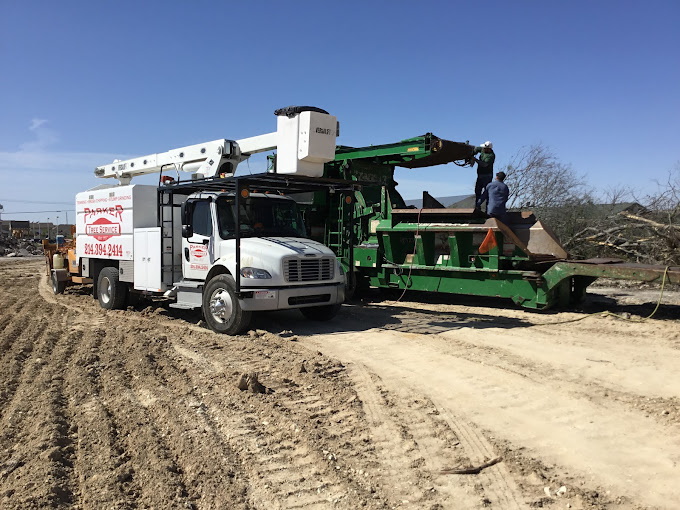
- Starting without a plan for cleanup so roots and wood debris end up scattered across beds and lawns.
- Assuming the stump is the whole problem and not considering nearby tree roots or tree health care needs.
- Choosing the wrong timing for your next yard steps, which can make replanting or soil conditioning harder than it needs to be.
Customer Checklist
Use this checklist to stay organized from the first phone call through the final cleanup. It is written for Dallas, TX homeowners, property managers, and business owners who want stump removal and stump grinding that supports a clean, usable yard.
Actionable checklist for stump grinding and stump removal:
- Confirm the stump’s location: lawn, bed, near a walkway, or along a fence line.
- Check equipment access: gates, drive lanes, and whether the work area can be safely blocked off.
- Decide your goal: stump grinding for mowing clearance, replanting, or a full lot clearing finish.
- Identify nearby utilities or irrigation concerns and point them out before work begins.
- Ask about cleanup and debris handling so the area is ready for your next landscaping step.
- If the original tree showed decline, mention it and ask whether tree disease treatment or tree pest control planning is needed for remaining trees.
Representative scenario: what a typical Dallas yard job looks like
Imagine a Dallas, TX homeowner who removed a declining tree and found a stump left near the edge of a walkway. The stump blocked mowing passes and made it difficult to keep mulch beds tidy. The yard also had nearby mature trees, so the homeowner wanted the stump cleared without creating new problems for the rest of the landscape. A careful approach included planning around access, grinding with a goal that matched ongoing lawn care, and leaving the surrounding area clean enough for immediate yard maintenance.
Tree Trimming and Pruning
If you are also shaping nearby trees, consider tree pruning and trimming services to support overall tree health care.
Stump Removal and Grinding
When you are ready to clear the stump properly, Parker Tree Service offers stump grinding service designed for neat, usable yards.
Tree Health Care Support
If you are seeing signs that point to tree insect treatment or tree disease treatment, ask about deep root fertilization as part of broader tree health care planning.
Frequently Asked Questions
How low should a stump be ground for yard maintenance?
How low stump grinding should go depends on what you plan to do next. If you want to mow the area regularly, grinding deeper usually helps prevent the stump from creating a “catch point” for mower blades and keeps the lawn surface more even. If the stump sits in a mulch bed, you may need less depth, but you still want the surface cleared enough that mulch does not collect around rough edges. A practical approach is to align the grinding depth with your next landscaping step and the stump’s location on your property.
Is stump grinding safe near fences, walkways, or driveways?
It can be, but it requires careful planning. Stump grinding equipment and root removal can affect nearby hardscape edges, fence lines, and walkway surfaces if the work zone is not managed well. Before grinding begins, the work area should be evaluated for access and proximity to structures, and the grinding approach should be adjusted to reduce the risk of damage. If you are dealing with a tight yard in Dallas, TX or DFW suburbs, it is worth discussing your site layout so the job is done with controlled equipment placement and thorough cleanup.
What if the stump is from a tree that had pests or disease?
Grinding the stump can help clear the decaying wood, but it does not automatically solve issues for remaining trees. If you noticed symptoms like dieback, unusual leaf conditions, or signs consistent with tree insect treatment needs, it is smart to connect stump work with broader tree health care planning. Parker Tree Service can help you think through tree pest control and tree disease treatment considerations, and you may also want to ask about soil conditioning or deep root fertilization as part of tree health care support.
Can stump grinding be part of a larger lot clearing plan?
Yes. Stump grinding often fits well into a larger cleanup when you are doing brush clearing, land clearing, or lot clearing work after storm damage or property changes. The key is sequencing so the area stays manageable and the final finish matches your intended use. If you are removing multiple obstacles, stump grinding can help you move toward a consistent yard grade and usable space. If your situation includes fallen tree removal or storm damage tree service needs, you can also review emergency tree removal services for guidance on prioritizing the work.
What is the safest next step if I am unsure what to do?
If you are unsure, the safest next step is to have the stump and its surroundings evaluated so the approach matches your property. A professional assessment helps account for access, proximity to structures, and how the grinding depth should support your upcoming landscaping or lawn care plans. In Dallas, TX, yard layouts vary widely, so getting the site-specific details first can prevent wasted time and reduce the chance of leaving the stump too visible or too close to hardscape edges. Contact Parker Tree Service and share where the stump is located and what you want to do next.
Ready to clear the stump and clean up your yard?
For stump grinding service and affordable stump removal planning in Dallas, TX, Parker Tree Service helps homeowners and property managers move from “stump left behind” to a yard that looks maintained again.
Contact Parker Tree Service
Parker Tree Service provides tree services across Dallas, TX and nearby DFW suburbs, focusing on practical, customer-friendly tree care.
From tree removal service to stump grinding service, pruning and trimming, and tree health support like deep root fertilization, the goal is the same: safer, cleaner results that fit how you use your property.
If you need help clearing a stump safely or planning next steps for your remaining trees, call (214) 394-2414 or visit parkertreeservice.biz.