
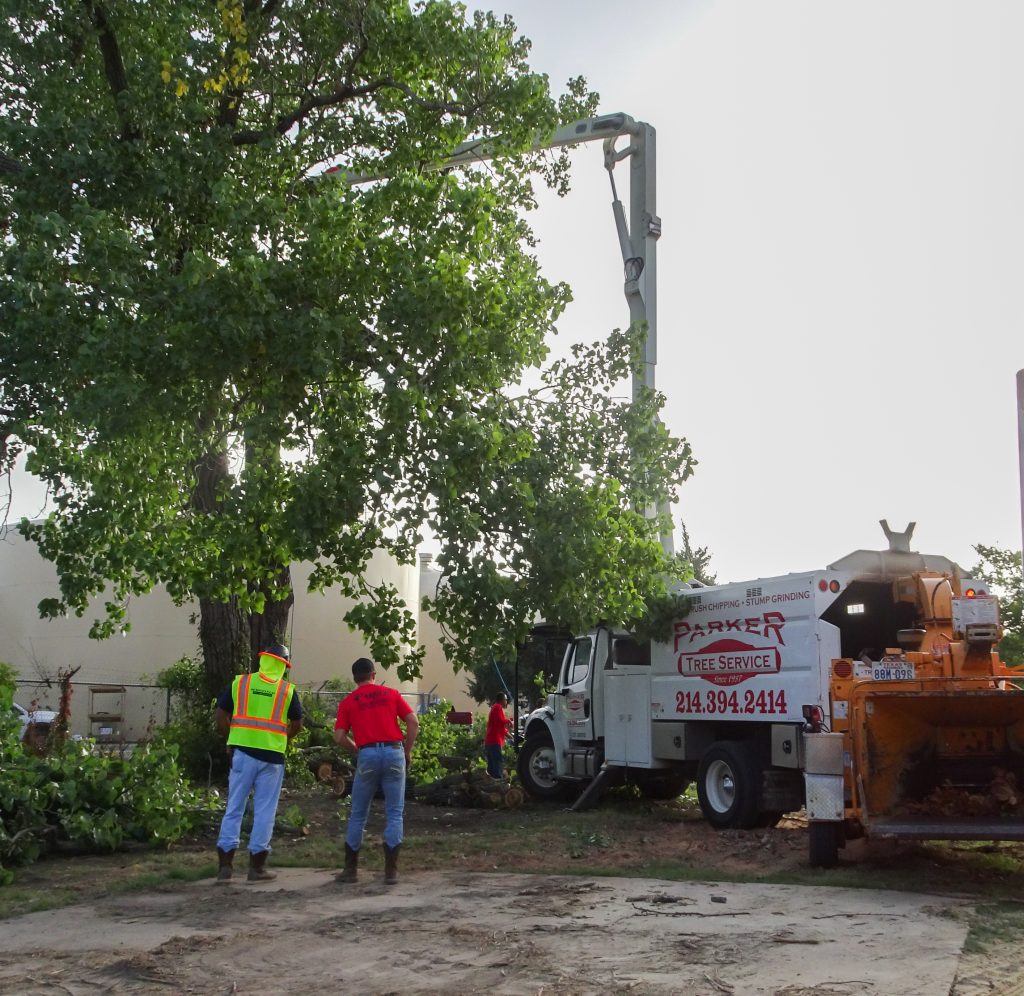
If you have a tree that looks “fine” but seems to be getting bigger, heavier, or more tangled each season, pruning can be the difference between routine maintenance and storm-driven damage. This guide walks Dallas, TX homeowners and property managers through the warning signs, what they usually mean, and when to call a professional tree pruning service.
Last summer, you may have noticed it: a branch that used to stay out of the way now hangs lower, and another one seems to be leaning more toward your driveway. Then a windy week hits, and you start hearing small cracking sounds or see twigs and leaves piling up in places they never used to.
In Dallas, TX, trees grow fast and weather changes can stress branches, especially when growth is dense or a tree has hidden problems. This guide helps you spot the pruning warning signs early, understand what “before damage” really looks like, and choose the next step that protects people, property, and tree health.
- Quick answer
- What to check first
- Main things customers should understand
- Why this matters in Dallas, TX
- Common mistakes to avoid
- Customer checklist
- Frequently asked questions
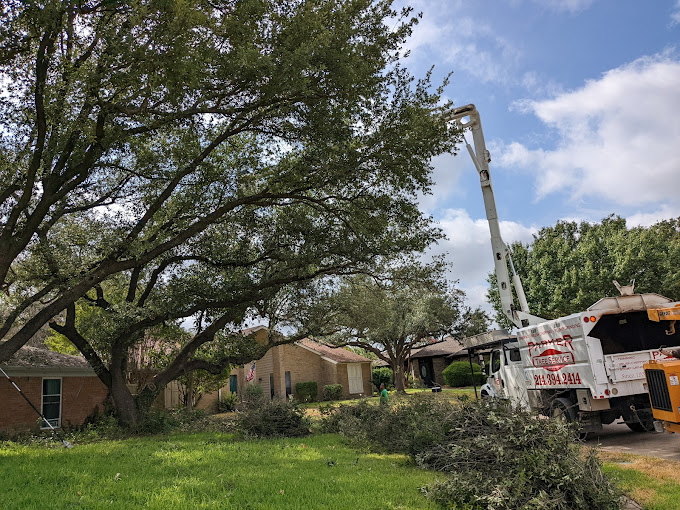
Quick Answer
If your tree has branches crossing, rubbing, hanging over roofs or power lines, or showing dead limbs, cracks, or thinning in the canopy, it is time to schedule a professional tree pruning service. Pruning removes weak or interfering growth and improves airflow so the tree can better handle heat and storms common around Dallas, TX. Start by inspecting for deadwood and obvious structural problems, but don’t rely on “looks okay” assessments. A local arborist can evaluate tree risk and recommend the right pruning approach for your property.
What to Check First
Before you measure anything or start cutting, do a quick, safe assessment from the ground. The goal is to find patterns that indicate the tree is reaching a “damage risk” stage, not just cosmetic overgrowth.
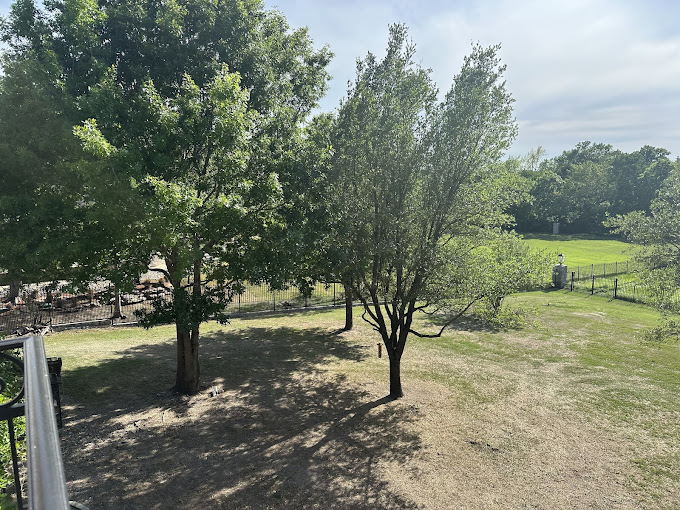
Structure and clearance
Look for branches that rub each other, sag closer to structures, or grow into walkways and driveways. If limbs are contacting fences, gutters, or siding, pruning is usually the simplest way to prevent repeated impacts.
Canopy health
Watch for thinning foliage, patchy leaves, or a canopy that looks lopsided. Dense growth can also trap moisture, which increases the likelihood of tree disease treatment needs.
Visible hazards
Scan for dead limbs, cracks, peeling bark, fungal growth, and unusual holes. These are “check deeper” signs that may require more than routine trimming.
Professional observation: Trees in the Dallas, TX area often “look fine” until a storm season highlights weak branch angles, deadwood, or crowded limbs. Pruning earlier helps you reduce the chance of sudden breakage.
Main Things Customers Should Understand
Pruning is not only about making trees look neat. It is about reducing weak points, improving airflow, and managing growth so the tree stays healthier and safer over time. Here are the most common pruning-needed situations we see when homeowners notice problems before they become damage.
Think “before damage”: pruning is most effective when you catch branch conflicts, deadwood, and canopy crowding while they are still manageable.
| What you notice | What it can mean | Typical next step |
|---|---|---|
| Dead branches or “crunchy” limbs | Weak or decaying wood that can fail during wind or ice | Schedule tree pruning services near you to remove deadwood safely |
| Branches crossing or rubbing | Ongoing abrasion that damages bark and increases break risk | Targeted pruning to separate and rebalance growth |
| Canopy getting thicker but less leafy in spots | Reduced airflow and stress that can contribute to tree health care needs | Selective trimming to improve light penetration and airflow |
| Branches leaning toward a roof, fence, or driveway | Weight shift or growth direction that increases impact risk | Tree crown reduction or shaping as appropriate |
| Fungal growth or peeling bark | Possible internal issues that require a careful inspection | Tree risk assessment and pruning plan after evaluation |
| Signs of pests (for example, active borers) | Wood borer treatment may be part of the mitigation plan | Tree insect treatment discussion and targeted mitigation |
Local insight: pruning can protect more than the branches
In many Dallas, TX neighborhoods, trees sit close to overhead utilities, mature landscaping, and older home roofs. When growth becomes overconfident, it can create repeated pressure points that wear down bark, loosen branches, and eventually lead to storm damage. Early pruning helps keep clearance predictable through the year.
Firsthand-style observation from the field
When we walk a property in the DFW suburbs, one of the most common surprises is how “one branch” is really a whole cluster of competing growth. Homeowners often notice a single limb over the driveway, but the real issue is usually several branches with narrow angles and tight spacing that build up weight and create weak joints. That is why professional trimming focuses on the tree’s structure, not just the most visible limb.
Why This Matters in Dallas, TX
Dallas, TX weather swings and frequent storm activity can expose weaknesses that are easy to miss during calm weeks. In warmer seasons, trees push fast growth, and dense canopies can hold moisture longer. That combination can increase the likelihood of stress-related problems, including deadwood and disease pressure, which is why tree pruning before damage is a practical seasonal habit.
If you live in Plano or other parts of the DFW suburbs, you may also see trees planted near driveways, property lines, and older rooflines. Over time, branches can grow into new clearance problems. Proactive pruning helps you keep trees manageable without waiting for a storm to force emergency tree removal decisions.
When pruning is part of a bigger plan
If you are seeing structural stress, cleanup needs, or lingering safety concerns after storms, it may connect to other services like tree removal service planning or hazard mitigation.
Storm aftermath concerns
After a high-wind event, branches can break in ways that leave hanging limbs. If you are dealing with unstable limbs, it helps to plan for the safest next steps.
Roots and ongoing tree health
Pruning supports canopy health, but tree health care can also involve soil conditioning and root support depending on what you are observing.
Ready to reduce risk before the next storm?
If you are seeing deadwood, crossing branches, or canopy crowding, Parker Tree Service can help you plan the right tree pruning approach for your Dallas, TX property.
Schedule a tree pruning serviceCommon Mistakes to Avoid
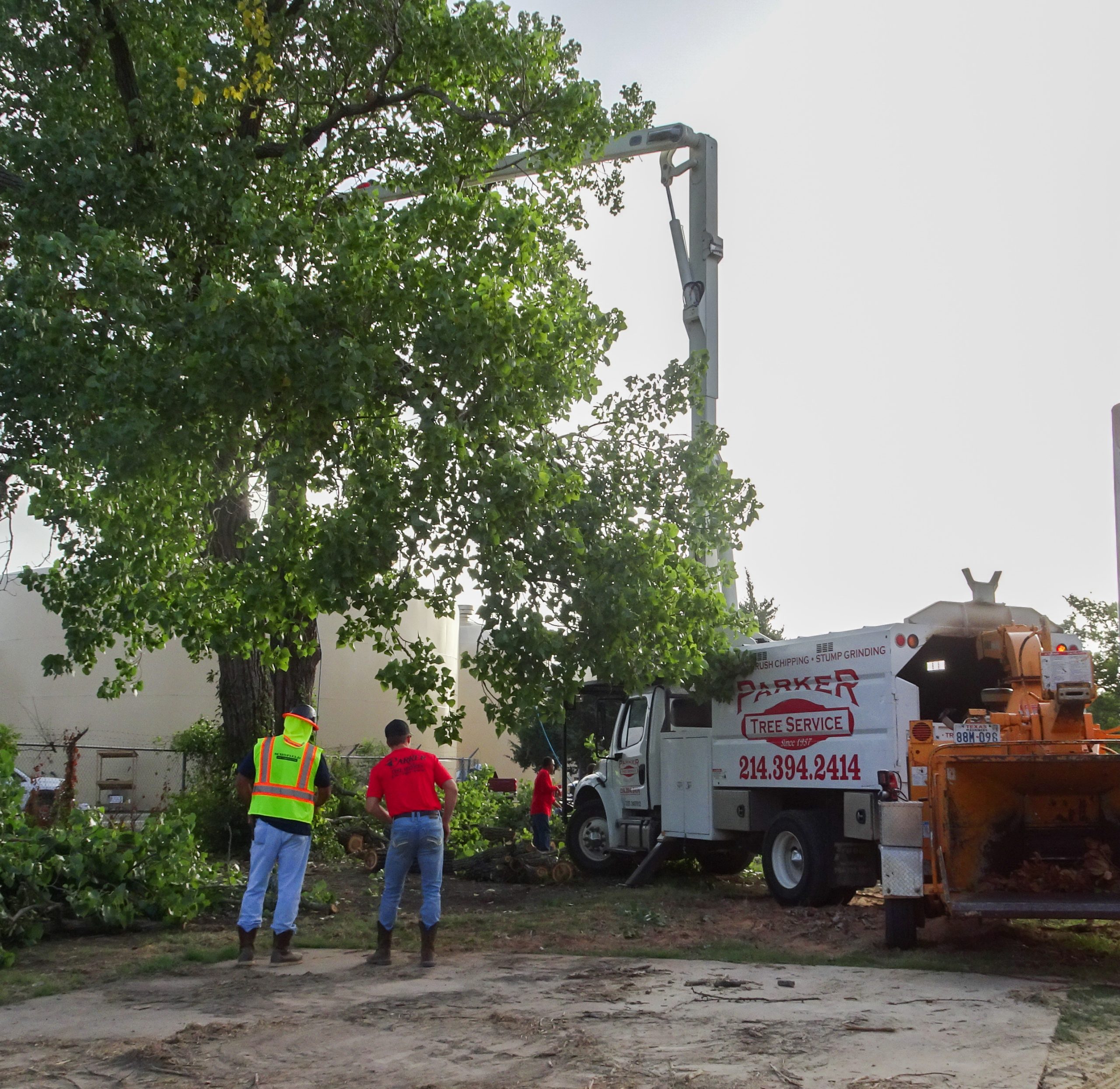
Homeowners often mean well, but pruning at the wrong time or in the wrong way can increase stress or create new weak points. Here are the missteps that can turn “minor trimming” into a bigger problem.
- Cutting without a plan: Removing the wrong branches can unbalance the canopy and increase weight on remaining limbs.
- Waiting for a storm: Deadwood and structural conflicts do not improve on their own. Waiting can force emergency tree removal decisions.
- Pruning too aggressively: Over-trimming can stress the tree, especially when it already shows thinning foliage or uneven canopy growth.
- Ignoring pest and disease clues: If you suspect tree insect treatment or wood borer control, pruning alone may not address the root issue.
- Forgetting the “after” cleanup: Dropped limbs can leave hazards behind. Planning the full outcome helps keep walkways and property safe.
Customer Checklist
Use this quick list to decide whether you need professional tree pruning services near you. If you check several boxes, it is a strong sign to schedule an inspection before damage happens.
- Branches are hanging lower than last season or nearing your roof, fence, or driveway.
- Two or more branches rub, cross, or show bark damage where they meet.
- You see dead twigs or dead limbs, even if the rest of the tree looks healthy.
- The canopy looks crowded, lopsided, or unusually thin in parts.
- There are cracks, peeling bark, or signs of fungal growth on the trunk or limbs.
- You have noticed pest activity such as holes, frass, or other wood-borer-like signs.
- Your tree sits near utilities and you are concerned about clearance year-round.
Representative scenario: a driveway tree that starts to “lean”
In a DFW suburb, a homeowner noticed branches slowly shifting toward a driveway. The tree was not failing, but it was clear that growth was concentrating in one direction. After a closer look, the main problem was tight branch spacing and narrow angles that created weak joints. The pruning plan focused on removing deadwood, separating rubbing branches, and shaping the crown so future growth would not keep pressing toward the driveway. The result was a cleaner, safer layout without waiting for a storm to force emergency action.
Frequently Asked Questions
Here are common questions homeowners and property managers in Dallas, TX ask when deciding whether pruning is needed before damage.
How can I tell if my tree needs pruning or just general cleanup?
If you only see leaf litter or minor debris, cleanup might be enough. But if you notice deadwood, branches rubbing, canopy crowding, or limbs encroaching on roofs, fences, or walkways, pruning is usually the right step. Those signs relate to structure and risk, not just appearance. A professional tree pruning service can also help confirm whether pest or disease treatment is part of the plan, since some issues show up through branch dieback or uneven canopy growth.
What does “tree crown reduction” mean for my property?
Tree crown reduction typically refers to reducing the size of the tree’s canopy in a controlled way so it fits the available space. It is often used when branches are growing toward buildings, fences, or other landscaping. The goal is not to “chop it down” but to manage weight and clearance while maintaining a healthy shape. In many cases, this is paired with removing deadwood and correcting rubbing or crossing branches to improve long-term stability.
When should I consider emergency tree removal instead of scheduled pruning?
Emergency tree removal is usually the right direction when limbs are actively hanging, cracked, or unstable after a storm, or when there is immediate risk to people, vehicles, or structures. Scheduled pruning is best for issues that are developing gradually, like increasing canopy crowding or deadwood that is visible but not yet threatening. If you are unsure, an inspection can help determine whether the situation is a “before damage” opportunity or an urgent hazard.
Can pruning help with tree disease treatment or pest problems?
Pruning can support recovery by removing problem limbs and improving airflow, but it is not always the complete solution. If you suspect tree disease treatment needs or tree insect treatment, pruning may be part of a broader approach. For example, wood borers and other pests can cause damage inside the wood, which might require tree borer control or related mitigation. A professional inspection helps connect the visible symptoms to the right next steps for tree health care and long-term tree maintenance services.
What if I also need stump removal after pruning or removal?
If a tree is removed or a large limb requires removal, you may still be left with a stump that affects landscaping and creates tripping hazards. Stump grinding and stump removal are common follow-up needs. If you are planning ahead, it can help to coordinate pruning and removal decisions so the property looks finished and stays safe. Parker Tree Service offers stump grinding service when the cleanup requires it.
Get tree pruning guidance for your Dallas, TX property
If you are seeing the early warning signs, reach out to Parker Tree Service. We can help you plan pruning that supports tree health care and reduces the chance of storm-driven damage.
Contact Parker Tree Service
About Parker Tree Service
Parker Tree Service provides tree services for Dallas, TX and the DFW suburbs, including Plano. From professional tree trimming and tree pruning to tree removal service planning, emergency tree removal, stump grinding service, and deep root fertilization, our focus is practical tree health care and safer property outcomes. If you need tree risk assessment, tree inspection, or tree consultation, we are ready to help you make a clear plan before damage happens.